Navigating the Maze: The Ultimate Guide to Car Loan Return Policies and Your Options
Navigating the Maze: The Ultimate Guide to Car Loan Return Policies and Your Options Carloan.Guidemechanic.com
Buying a new or used car is a significant financial commitment, often involving a substantial car loan. The excitement of driving off the lot can sometimes be overshadowed by second thoughts, unexpected issues, or a sudden change in circumstances. This leads many car owners to wonder: is there a car loan return policy? Can I simply return the car and cancel the loan?
Based on my experience working within the automotive and finance sectors, this is one of the most frequently asked, yet widely misunderstood, questions. The truth is, the concept of a "return policy" for a car loan isn’t as straightforward as returning a pair of shoes. It’s a complex landscape with specific rules, limited windows, and varying options depending on your location and the specifics of your purchase agreement.
Navigating the Maze: The Ultimate Guide to Car Loan Return Policies and Your Options
This comprehensive guide aims to demystify car loan return policies, explore the various avenues available to you if you find yourself needing to "undo" a car purchase, and provide invaluable advice to protect your financial interests. We’ll delve deep into common misconceptions, your legal rights, and practical strategies to navigate these challenging situations. By the end, you’ll have a clear understanding of your options and how to approach them effectively.
The Myth vs. Reality of "Car Return Policies"
Let’s address the elephant in the room immediately: in most parts of the United States and many other countries, there isn’t a federal or state-mandated "return policy" that allows you to simply bring a car back to the dealership and cancel your loan without penalty. Unlike consumer goods, cars are generally considered final sales once you sign the paperwork and drive off the lot.
This reality often comes as a shock to new car owners. The legal documents you sign, including the purchase agreement and loan contract, are binding. They outline the terms of sale and your agreement to repay the loan. Breaking these agreements without a valid reason or specific legal provision can have severe financial consequences.
The automotive industry operates under different rules than retail. Once a car is driven, it immediately depreciates in value, making a straightforward return impractical for dealerships. Understanding this fundamental difference is the first step in exploring your actual options.
Understanding the "Cooling-Off Period" (and its Limitations)
Many consumers believe in a "cooling-off period" for car purchases, a grace period during which they can cancel the deal. While such periods exist for certain types of sales (like door-to-door sales or timeshares), they rarely apply to car purchases made at a dealership.
What is a Cooling-Off Period?
A cooling-off period is a consumer protection law that allows buyers a short window (typically 3-5 days) to cancel a purchase agreement without penalty. This is primarily designed for high-pressure sales situations where consumers might be pressured into making hasty decisions outside of a traditional retail environment.
Why It Usually Doesn’t Apply to Car Sales
For most car purchases, particularly those made at a dealership, a cooling-off period does not apply. When you sign the contract at the dealership, you are generally entering into a legally binding agreement. Some states might have very specific, limited circumstances where a cooling-off period could apply to a car sale, but these are exceptions rather than the rule.
It’s crucial not to confuse a dealer’s voluntary "return" or "exchange" policy (which some might offer as a customer service gesture, often with specific conditions) with a legally mandated cooling-off period. Always check your state’s specific consumer protection laws and review your contract thoroughly before assuming you have this right.
Dealer Buy-Back Agreements: A Different Kind of "Return"
While a universal return policy is a myth, some dealerships offer their own "buy-back" or "exchange" programs. These are not legal rights but rather marketing tools or customer service initiatives designed to build trust and encourage sales.
How They Work
These programs typically come with very strict conditions. They might allow you to return the car within a specific number of days (e.g., 3-7 days) or within a certain mileage limit (e.g., 200-500 miles). Often, they require the car to be in the exact same condition as when purchased, with no damage or modifications.
Important Caveats
Pro tip from us: Always scrutinize the fine print of any dealer buy-back agreement. These policies often involve restocking fees, a requirement to purchase another vehicle from the same dealership, or may only offer credit towards a different car, not a full refund. They are entirely at the dealer’s discretion and can be revoked or changed. Do not assume such a policy exists unless it’s explicitly written into your purchase agreement.
Early Loan Payoff: Your Right, Not a Return
If you simply want out of your car loan, but not necessarily out of the car itself, an early loan payoff is always an option. This isn’t a "return policy" for the vehicle, but rather a contractual right to fulfill your financial obligation ahead of schedule.
The Mechanics of Early Payoff
When you pay off your car loan early, you are settling the remaining principal balance, plus any accrued interest up to the payoff date. This effectively closes your loan account with the lender. This can be beneficial as it reduces the total amount of interest you pay over the life of the loan.
Prepayment Penalties
Common mistakes to avoid are assuming all loans can be paid off early without any extra cost. Some car loans, particularly older ones or those from certain subprime lenders, might include prepayment penalties. These are fees charged for paying off the loan before its scheduled term. Always check your loan agreement for a "prepayment clause" to understand if such penalties apply to your specific loan. Most modern, reputable car loans do not have these penalties, but it’s essential to confirm.
Refinancing: A Strategic "Return" on Terms
Refinancing your car loan isn’t about returning the vehicle, but it can be a highly effective strategy if you’re unhappy with your current loan terms. It’s essentially replacing your existing car loan with a new one, often with a different lender.
Why Refinance?
- Lower Interest Rate: If your credit score has improved since you first bought the car, or if market rates have dropped, you might qualify for a lower interest rate, reducing your monthly payments and total interest paid.
- Reduced Monthly Payments: A lower interest rate or an extended loan term can significantly decrease your monthly outlay, making the loan more manageable.
- Shorter Loan Term: If you can afford higher payments, a shorter term means you pay off the car faster and save on interest.
- Remove a Co-signer: If a co-signer is no longer needed or desired, refinancing can allow you to remove them from the loan.
Based on my experience, refinancing is a powerful tool for taking control of your car loan. It’s not a "return" of the car, but a strategic "return" on your investment in better financial terms. You can explore our comprehensive guide on for more in-depth information on this topic.
When Things Go Wrong: Lemon Laws and Rescission
Sometimes, the desire to "return" a car isn’t about buyer’s remorse, but about a fundamentally flawed vehicle. This is where "Lemon Laws" and, in very rare cases, the legal concept of "rescission" come into play.
Lemon Laws
Lemon laws are state-specific consumer protection statutes that provide remedies for new car buyers who purchase a vehicle with substantial defects or nonconformities that the manufacturer is unable to repair after a reasonable number of attempts. These laws typically apply only to new vehicles and have strict criteria regarding the number of repair attempts or the amount of time the vehicle has been out of service.
If your car qualifies as a "lemon," you might be entitled to a replacement vehicle or a refund of the purchase price (minus a reasonable allowance for use). This is a very specific legal process, and it’s vital to consult with an attorney specializing in consumer law if you believe your car is a lemon.
Rescission of Contract
Contract rescission is a legal remedy that essentially "undoes" a contract, returning both parties to their original positions as if the contract never existed. For car sales, rescission is extremely rare and typically only granted in cases of fraud, misrepresentation, or a fundamental breach of contract.
For instance, if a dealer knowingly sold you a car with a rolled-back odometer, or made demonstrably false claims about the vehicle’s history that fundamentally altered the terms of the sale, a court might order rescission. This is not a "return policy" but a legal remedy for serious wrongdoing. It requires legal action and is a complex process.
Voluntary Repossession: The Last Resort
If you are struggling to make your car loan payments and have exhausted all other options, voluntary repossession might seem like a way to "return" the car. However, it’s a desperate measure with significant negative consequences.
What is Voluntary Repossession?
This occurs when you voluntarily surrender your vehicle to the lender because you can no longer afford the payments. While it avoids the immediate shock of an involuntary repossession, it is still a negative mark on your credit report.
Why It’s a Bad Idea
- Credit Damage: A voluntary repossession will severely damage your credit score, making it difficult to obtain future loans, mortgages, or even rent an apartment.
- Deficiency Balance: You are still responsible for the difference between what you owe on the loan and what the lender sells the car for at auction, plus any repossession fees. This "deficiency balance" can be substantial and the lender can pursue you legally for it.
- Long-Term Impact: The repossession will remain on your credit report for up to seven years, affecting your financial life for a long time.
Based on my experience, voluntary repossession should only be considered as an absolute last resort when all other financial solutions have failed. It is far from a simple "return."
Key Factors Influencing Your Options
Several factors play a critical role in determining what options, if any, are available to you if you want to "return" your car or get out of your loan:
- Your Contract: The purchase agreement and loan contract are paramount. They outline your rights and obligations.
- State Laws: Consumer protection laws, including lemon laws and specific rules regarding car sales, vary significantly by state.
- Dealership Policies: Any voluntary return or exchange policies offered by the dealer are specific to that dealership and often have strict conditions.
- Loan Type: Whether your loan is new or used, and the type of lender (bank, credit union, dealership finance), can influence flexibility.
- Time Since Purchase: The longer you’ve owned the car, the fewer your "return" options become.
- Condition of the Vehicle: Any damage, wear, or modifications can affect a dealer’s willingness to consider an exchange or buy-back.
Steps to Take Before Committing to a Car Loan
Prevention is always better than cure. To avoid the desire to "return" a car in the first place, follow these pro tips:
- Thorough Research: Don’t rush. Research the car model, its reliability, and read reviews.
- Test Drive Extensively: Take the car for a long test drive, including highways and city streets, to ensure it meets your needs and comfort.
- Independent Inspection: For used cars, always get a pre-purchase inspection from an independent mechanic. This can uncover hidden issues.
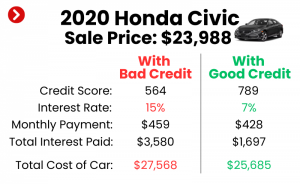
- Understand the Numbers: Know the total price, interest rate, monthly payment, and total cost of the loan. Don’t just focus on the monthly payment.
- Read All Documents Carefully: Before signing, read every single line of the purchase agreement and loan contract. Ask questions about anything you don’t understand.
- Don’t Feel Pressured: Never feel pressured to sign anything on the spot. Take the documents home if you need to, and review them without sales pressure.
- Consider a Co-signer Wisely: If you need a co-signer, understand the implications for both parties.
By being diligent and informed during the buying process, you can significantly reduce the chances of buyer’s remorse. For more tips on smart car buying, check out our article on .
What to Do If You Need to "Return" Your Car
If you find yourself in a situation where you truly need to get out of your car loan or deal, here’s a structured approach:
- Review Your Contracts: The first step is always to meticulously read your purchase agreement and loan contract. Look for any clauses regarding returns, exchanges, or early termination.
- Contact the Dealership (If Applicable): If you’re within a very short window (e.g., 24-72 hours) and the car has a significant, undisclosed issue, or if the dealer has a specific buy-back policy, contact them immediately. Be prepared to state your case calmly and clearly.
- Contact Your Lender: Understand your loan’s early payoff terms, including any prepayment penalties.
- Explore Refinancing: If your primary concern is the loan terms, investigate refinancing options with other lenders.
- Consider Selling the Car: If you have equity in the vehicle (it’s worth more than you owe), selling it privately or trading it in can allow you to pay off the loan and potentially get some cash back.
- Seek Legal Advice: If you believe there was fraud, misrepresentation, or your car qualifies under Lemon Laws, consult with a consumer law attorney. They can assess your specific situation and advise on legal recourse. You can find more information on consumer rights from trusted sources like the Federal Trade Commission (FTC) at consumer.ftc.gov.
- Avoid Voluntary Repossession: Explore all other avenues, including selling the car, before considering voluntary repossession due to its severe credit impact.
Common Mistakes to Avoid
When facing car loan challenges, certain actions can worsen your situation:
- Assuming a Return Policy Exists: This is the biggest misconception. Don’t delay taking action based on a false assumption.
- Stopping Payments: Never stop making your loan payments without a formal agreement with your lender. This will lead to late fees, credit damage, and eventually repossession.
- Ignoring the Problem: Hoping the issue will resolve itself is a recipe for disaster. Address financial difficulties or car problems proactively.
- Signing Without Reading: Rushing through paperwork is a critical error. The documents are legally binding.
- Not Documenting Everything: Keep records of all communications, repair attempts, and contracts. This documentation is crucial if you need to pursue legal action.
Conclusion: Empowerment Through Knowledge
The idea of a simple "car loan return policy" is largely a myth. However, understanding this reality doesn’t leave you powerless. Instead, it empowers you to be a more informed buyer and to strategically navigate challenging situations.
By thoroughly researching your purchase, understanding your contracts, and knowing the various avenues available—from early payoff and refinancing to, in rare cases, legal remedies like lemon laws or rescission—you can protect your financial well-being. Always remember to act quickly, document everything, and seek professional advice when needed. Your car loan is a significant commitment, and managing it effectively requires knowledge, diligence, and a clear understanding of your rights and options.