Navigating the Normal Car Loan: Your Ultimate Guide to Smart Auto Financing and Easy Approval
Navigating the Normal Car Loan: Your Ultimate Guide to Smart Auto Financing and Easy Approval Carloan.Guidemechanic.com
The dream of owning a car is a powerful one for many. It represents freedom, convenience, and a significant milestone in life. However, for most people, paying cash for a vehicle isn’t a realistic option. This is where the "normal car loan" comes into play – a financial tool that makes vehicle ownership accessible to millions.
Understanding how these loans work is crucial for making smart financial decisions. It’s not just about getting approved; it’s about securing the right loan that fits your budget and financial goals. This comprehensive guide will demystify the normal car loan, providing you with all the insights you need to drive away with confidence.
Navigating the Normal Car Loan: Your Ultimate Guide to Smart Auto Financing and Easy Approval
What Exactly is a "Normal Car Loan"?
At its core, a normal car loan is a type of secured loan specifically designed to help you purchase a vehicle. Unlike an unsecured personal loan, the car itself serves as collateral. This means if you fail to make your payments, the lender has the right to repossess the vehicle to recover their losses.
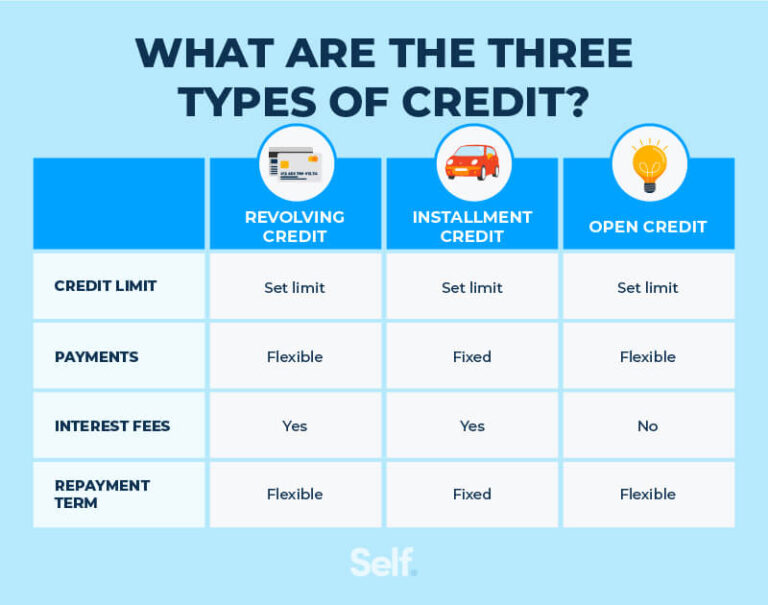
The process typically involves a lender (like a bank, credit union, or dealership finance company) providing you with a sum of money to cover the cost of the car. In return, you agree to repay that amount, plus interest, over a predetermined period, known as the loan term. This repayment is usually structured into fixed monthly installments.
Why Choose a Normal Car Loan?
For the vast majority of car buyers, a normal car loan is the most practical path to vehicle ownership. It allows you to acquire a significant asset without depleting your savings or waiting years to accumulate the full purchase price.
Beyond immediate access to transportation, a car loan can also be a valuable tool for building your credit history. Making timely payments demonstrates financial responsibility, which can positively impact your credit score, opening doors to better rates on future loans and credit products.
Understanding the Key Players in Your Car Loan Journey
Navigating the car loan landscape becomes much clearer when you understand who the main participants are:
- The Borrower (You): This is the individual seeking the loan to purchase a vehicle. Your financial history, income, and creditworthiness are central to the loan decision.
- The Lender: This is the financial institution or company providing the funds. Lenders include traditional banks, local credit unions, online lending platforms, and the finance departments at car dealerships (often working with third-party banks). Each lender will have its own criteria and offer different rates and terms.
- The Seller: This is the entity selling the vehicle. It could be a new car dealership, a used car dealership, or even a private individual. The seller’s primary role is to transfer ownership of the vehicle once the purchase is complete.
The Car Loan Application Process: A Step-by-Step Guide
Securing a car loan might seem daunting, but breaking it down into manageable steps makes it much simpler. Based on my experience, understanding each phase can significantly reduce stress and improve your chances of approval.
1. Assess Your Financial Health
Before you even start looking at cars, take a good look at your finances. This involves checking your credit score and reviewing your credit report for any inaccuracies. It also means honestly assessing your budget to determine how much you can comfortably afford for a monthly car payment, including insurance and maintenance.
2. Get Pre-Approved (Highly Recommended)
One of the most valuable pro tips from us is to seek pre-approval from a bank or credit union before you visit a dealership. Pre-approval gives you a clear understanding of how much you can borrow, the interest rate you qualify for, and your estimated monthly payment. It turns you into a cash buyer at the dealership, giving you stronger negotiation power on the car’s price, separate from the financing.
3. Gather Necessary Documents
Whether applying for pre-approval or directly at a dealership, you’ll need several documents. Common requirements include:
- Proof of identity (driver’s license, passport).
- Proof of residence (utility bill, lease agreement).
- Proof of income (pay stubs, tax returns, bank statements).
- Social Security number.
- Vehicle information (if you’ve already chosen a car, including VIN, make, model, year, and mileage).
4. Submit Your Application
With your documents in hand, you’ll fill out a loan application. This can be done online, in person at a bank, or at a dealership. The application will ask for personal, financial, and employment information. The lender will then pull your credit report and evaluate your overall financial profile.
5. Underwriting and Decision
Once your application is submitted, it goes through an underwriting process. The lender assesses your creditworthiness, income, debt-to-income ratio, and other factors to determine if you qualify for the loan and at what terms. This stage can take anywhere from a few minutes to a few business days, depending on the lender and the complexity of your situation.
6. Review and Accept Terms
If approved, the lender will present you with a loan offer outlining the principal amount, interest rate (APR), loan term, and total cost of the loan. It’s crucial to read these terms carefully. Don’t hesitate to ask questions about anything you don’t understand. Ensure the terms align with your budget and expectations before signing.
7. Closing the Loan
Once you accept the terms, you’ll sign the loan agreement. The funds are then disbursed to the car seller, and the title of the car is typically held by the lender until the loan is fully repaid. Congratulations, you’re now the proud owner (and borrower) of a new vehicle!
Factors That Influence Your Car Loan Approval and Terms
Several key elements come into play when lenders assess your loan application. Understanding these factors can help you improve your chances of approval and secure more favorable terms.
1. Your Credit Score
This is arguably the most significant factor. Your credit score (e.g., FICO score) is a numerical representation of your creditworthiness, based on your payment history, amounts owed, length of credit history, new credit, and credit mix. A higher credit score signals lower risk to lenders, often leading to better interest rates and easier approval. Those with excellent credit typically receive the lowest rates.
2. Income and Employment History
Lenders want to ensure you have a stable and sufficient income to make your monthly payments. They’ll look at your current employment, the length of your employment, and your overall income level. Consistent employment and a reliable income stream are strong indicators of your ability to repay the loan.
3. Debt-to-Income Ratio (DTI)
Your DTI is the percentage of your gross monthly income that goes towards paying your monthly debt obligations. Lenders use this ratio to gauge your ability to take on additional debt. A lower DTI indicates that you have more disposable income available to cover a new car payment, making you a more attractive borrower. Generally, a DTI below 36% is considered favorable, though some lenders may approve higher.
4. Down Payment
Making a significant down payment reduces the amount you need to borrow, which can lower your monthly payments and the total interest paid over the life of the loan. It also signals to the lender that you are financially committed to the purchase, reducing their risk. A larger down payment can often help you secure a better interest rate, especially if your credit isn’t perfect.
5. Vehicle Information
The specific car you’re buying also plays a role. Lenders assess the vehicle’s age, mileage, make, model, and overall market value. They want to ensure the car’s value supports the loan amount, as it’s their collateral. Newer, more reliable vehicles often qualify for better loan terms than older, high-mileage cars.
6. Loan Term
The loan term refers to the length of time you have to repay the loan (e.g., 36, 48, 60, or 72 months). Shorter terms typically mean higher monthly payments but less interest paid over time. Longer terms result in lower monthly payments but accumulate more interest over the loan’s duration. Lenders evaluate the term in relation to your income and the vehicle’s expected lifespan.
Types of Normal Car Loans
While the basic structure remains the same, there are nuances between different types of car loans that cater to various situations.
1. New Car Loans
These loans are for purchasing brand-new vehicles. They generally come with the lowest interest rates because new cars typically hold their value better initially and are less likely to have mechanical issues. Lenders see less risk in financing a new vehicle.
2. Used Car Loans
Used car loans are for pre-owned vehicles. The interest rates are often slightly higher than for new cars, reflecting the increased risk associated with an older vehicle’s depreciation and potential maintenance costs. The age and mileage of the used car can significantly impact the loan terms.
3. Refinance Car Loans
If you already have a car loan but want to change its terms, a refinance loan might be an option. People refinance to get a lower interest rate, reduce their monthly payments by extending the loan term, or remove a co-signer. This involves taking out a new loan to pay off your existing car loan.
Demystifying Car Loan Interest Rates
The interest rate is arguably the most critical component of your car loan, as it dictates the additional cost you’ll pay beyond the principal.
APR vs. Interest Rate
While often used interchangeably, there’s a slight but important distinction. The interest rate is simply the cost of borrowing the principal. The Annual Percentage Rate (APR) includes the interest rate plus any additional fees charged by the lender, such as origination fees. The APR gives you a more accurate picture of the total annual cost of the loan. Always compare APRs when shopping for loans.
Fixed vs. Variable Rates
Most normal car loans come with a fixed interest rate. This means your interest rate and monthly payment remain the same throughout the entire loan term, providing predictability. While less common for car loans, some lenders might offer variable rates, where the interest rate can fluctuate based on a benchmark index. Fixed-rate loans are generally preferred for stability.
Factors Affecting Your Rate
As discussed earlier, your credit score is paramount. Lenders also consider the loan term (shorter terms often have lower rates), the amount of your down payment, and the current economic interest rate environment set by central banks. Shopping around and getting multiple quotes is the best way to ensure you’re getting the most competitive rate.
Beyond the Monthly Payment: Hidden Costs and What to Watch For
Common mistakes to avoid are focusing solely on the monthly payment. While it’s important, it doesn’t tell the whole story of the total cost of ownership. Many additional fees and considerations can significantly impact your overall expenses.
1. Loan Fees
Some lenders charge origination fees, application fees, or documentation fees. These can add hundreds of dollars to your loan. Always ask for a full breakdown of all fees associated with the loan. Late payment fees are also standard, so missing a payment can be costly.
2. Insurance Requirements
Lenders will typically require you to carry full coverage insurance (collision and comprehensive) on your financed vehicle until the loan is paid off. This protects their collateral. The cost of this insurance can be substantial and must be factored into your monthly budget.
3. Extended Warranties
While not directly part of the loan, extended warranties are often aggressively pitched by dealerships in the finance office. They can be rolled into your loan, increasing your principal and the total interest you pay. Evaluate if an extended warranty is truly necessary or if it duplicates coverage you already have.
4. GAP Insurance
Guaranteed Asset Protection (GAP) insurance is another common add-on. If your car is totaled or stolen, and you owe more on the loan than the car’s actual cash value (ACV), GAP insurance covers the "gap" between what your regular insurance pays out and what you still owe. While it can be valuable, especially on new cars that depreciate quickly, assess if the cost is justified for your situation.
Strategies for Securing a Favorable Normal Car Loan
Armed with knowledge, you can strategically approach the car loan process to get the best possible terms.
1. Improve Your Credit Score
Before applying, take steps to boost your credit. Pay down existing debts, make all payments on time, and dispute any errors on your credit report. Even a small improvement can lead to a better interest rate.
2. Save for a Down Payment
Aim for at least 10-20% of the vehicle’s purchase price as a down payment. This reduces your loan amount, lowers your monthly payments, and can help you qualify for better rates. It also provides a buffer against immediate depreciation.
3. Shop Around for Lenders
Don’t settle for the first loan offer you receive. Get quotes from multiple sources – banks, credit unions, and online lenders. Comparing offers can save you thousands over the life of the loan. Remember, you can often use a pre-approval from one lender to negotiate a better deal with another or with the dealership’s financing department.
4. Know Your Budget
Clearly define your maximum affordable monthly payment, including insurance, fuel, and maintenance, before you start shopping. Stick to this budget, even when faced with tempting upgrades or longer loan terms that make a more expensive car seem affordable.
5. Negotiate the Car Price Separately
When at a dealership, try to negotiate the car’s purchase price first, completely separate from the financing. Once you agree on a price, then discuss the financing options. This prevents the "four-square" trick where dealers shuffle numbers around to confuse you.
6. Consider a Co-signer (Carefully)
If your credit is less than ideal, a co-signer with excellent credit might help you get approved or secure a better rate. However, understand that the co-signer is equally responsible for the loan. If you miss payments, their credit will also be negatively affected. This should only be considered with someone you trust implicitly and who understands the full implications.
Managing Your Car Loan Responsibly
Once you’ve secured your car loan, responsible management is key to maintaining good credit and avoiding financial stress.
1. Make Payments On Time, Every Time
This is the most critical aspect. Late payments not only incur fees but also negatively impact your credit score. Set up automatic payments or calendar reminders to ensure you never miss a due date.
2. Understand Your Statements
Regularly review your loan statements. Ensure the payments are being applied correctly, and track your remaining balance. If anything looks incorrect, contact your lender immediately.
3. Explore Prepayment Options
Many car loans allow you to make extra payments or pay off the loan early without penalty. If you have extra cash, making additional principal payments can significantly reduce the total interest you pay and shorten the loan term. Always confirm with your lender if there are any prepayment penalties before doing so.
4. What to Do If You Face Financial Hardship
Life happens. If you encounter unexpected financial difficulties that might affect your ability to make payments, don’t wait until you’re behind. Contact your lender immediately. They may offer options like payment deferrals, modified payment plans, or other forms of assistance. Proactive communication is always better than ignoring the problem.
When a "Normal" Car Loan Might Not Be for You
While car loans are common, they aren’t the only option, and they might not be the best fit for everyone.
- Poor Credit History: If your credit score is very low, you might face extremely high interest rates, making the loan unaffordable. In such cases, exploring options like saving up to buy a cheaper car with cash, working on improving your credit first, or considering alternative transportation might be wiser.
- Short-Term Ownership Plans: If you only plan to keep a car for a year or two, the initial depreciation combined with loan interest might make buying and selling less economical than leasing or using ride-sharing services.
- Ability to Pay Cash: If you have the liquid funds available to purchase a car outright without depleting your emergency savings, paying cash eliminates interest payments and monthly obligations. You can find excellent resources on financial planning from trusted external sources like the Consumer Financial Protection Bureau to help make these decisions.
Conclusion: Drive Away with Confidence
A normal car loan is a powerful tool that puts vehicle ownership within reach for most people. By understanding what it is, how it works, and the factors that influence its terms, you empower yourself to make informed decisions. From getting pre-approved to carefully reviewing your loan documents and managing your payments responsibly, every step in the process contributes to a successful and stress-free car ownership experience.
Don’t let the complexities deter you. Take the time to research, shop around, and prepare your finances. With the right approach, you can secure a favorable normal car loan, drive away in the car you need, and confidently navigate the road ahead. Start your research today and take the first step towards smart auto financing!