Navigating the Road Ahead: How to Get a Car Loan with a 500 Credit Score
Navigating the Road Ahead: How to Get a Car Loan with a 500 Credit Score Carloan.Guidemechanic.com
Securing a car loan can feel like an insurmountable challenge when your credit score hovers around the 500 mark. Many people believe it’s impossible, leading to frustration and the abandonment of their vehicle dreams. However, while undeniably difficult, obtaining an auto loan with a subprime credit score is not an impossible feat.
This comprehensive guide is designed to empower you with the knowledge, strategies, and insights needed to navigate the complex world of bad credit auto financing. We’ll explore the realities of lending with a low credit score, reveal actionable steps to improve your chances of approval, and provide invaluable advice from seasoned professionals. Our ultimate goal is to help you drive away in a reliable vehicle, while also setting you on a path to better financial health.
Navigating the Road Ahead: How to Get a Car Loan with a 500 Credit Score
Understanding Your 500 Credit Score: The Starting Line
Before diving into strategies, it’s crucial to understand what a 500 credit score signifies to potential lenders. In the FICO scoring model, which most lenders use, a score of 500 falls squarely into the "Poor" category. This range typically spans from 300 to 579.
Such a low score indicates a high level of risk from a lender’s perspective. It often suggests a history of missed payments, high credit utilization, collections, or even bankruptcy. Lenders view these factors as red flags, raising concerns about your ability or willingness to repay a new loan.
Consequently, approval becomes significantly harder, and the terms offered will be less favorable. You’ll likely face higher interest rates, shorter loan terms, and potentially require a larger down payment to mitigate the lender’s risk. Understanding this reality is the first step toward building a successful strategy.
The Harsh Reality: Expectations vs. Reality with Bad Credit
Let’s be upfront: getting a car loan with a 500 credit score means adjusting your expectations. This isn’t about securing a brand-new luxury vehicle with a rock-bottom interest rate. It’s about securing any reliable transportation and using that opportunity to rebuild your credit.
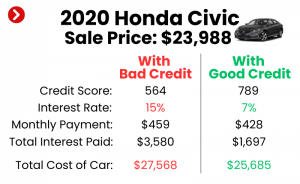
Expect Higher Interest Rates: This is perhaps the most significant reality check. Lenders compensate for the increased risk of lending to someone with a low credit score by charging much higher interest rates. While someone with excellent credit might get an APR of 3-7%, you could be looking at 15-25% or even higher. This dramatically increases the total cost of the loan over its lifetime.
Lower Loan Amounts and Older Vehicles: Lenders will be less willing to finance a large sum for someone with a poor credit history. This means you’ll likely need to focus on more affordable, often used, vehicles. Aim for a car that serves its purpose as reliable transportation, rather than a dream car.
Stricter Terms and Conditions: You might encounter demands for larger down payments, shorter loan terms (which mean higher monthly payments but less interest overall), or even specific vehicle requirements. Be prepared for less flexibility in negotiations.
Focus on "Getting Approved" First: Your primary goal should be to get approved for a loan you can comfortably afford. Once you’ve established a history of on-time payments, you can work towards refinancing for better terms down the road. This loan is a stepping stone, not the final destination.
Strategies to Significantly Boost Your Chances of Approval
Despite the challenges, there are several powerful strategies you can employ to improve your odds of securing a car loan with a 500 credit score. These tactics aim to reduce the lender’s risk and demonstrate your commitment to repayment.
1. Save for a Significant Down Payment
Based on my experience, one of the most impactful things you can do with bad credit is to come to the table with a substantial down payment. This single action addresses several of a lender’s core concerns directly.
A larger down payment reduces the total amount you need to borrow, which in turn lowers the lender’s financial exposure. It also immediately gives you equity in the vehicle, making you less likely to default on the loan. From a lender’s perspective, it signals your financial commitment and seriousness about the purchase.
How Much is Enough? While any down payment helps, aim for at least 10-20% of the vehicle’s purchase price. For example, on a $10,000 car, a $1,000 to $2,000 down payment can make a significant difference. The more you put down, the better your chances of approval and potentially more favorable terms, even with a low credit score.
Pro tips from us: If you don’t have a large sum readily available, consider selling an existing asset or saving aggressively for a few months. Even an extra few hundred dollars can tip the scales in your favor. Common mistakes to avoid are going into the dealership without any down payment whatsoever, as this dramatically reduces your options with a 500 credit score.
2. Find a Co-Signer with Good Credit
Enlisting a co-signer with a strong credit history can be a game-changer when your own score is low. A co-signer essentially guarantees the loan, promising to make payments if you fail to do so. This significantly reduces the risk for the lender.
When you apply with a co-signer, the lender considers both your credit profiles. If your co-signer has excellent credit, their strong financial standing can offset your poor score, making the loan much more appealing to the lender. This can lead to approval and potentially even slightly better interest rates than you’d get on your own.
Who to Ask? This is a serious commitment, so you should only ask a trusted family member or friend who fully understands the responsibilities. They should have a stable income, a good credit score (typically 670+), and a willingness to put their financial standing on the line for you.
Risks for the Co-Signer: It’s vital to be transparent about the risks involved for your co-signer. If you miss payments, their credit score will also be negatively impacted, and they will be legally responsible for the debt. Ensure both parties are clear on the terms and implications before proceeding.
3. Improve Your Credit Score (Even Slightly)
While a complete credit overhaul takes time, there are short-term actions you can take to incrementally improve your score before applying for a loan. Even a small bump can make a difference in a lender’s decision.
Quick Wins: Start by checking your credit report from all three major bureaus (Equifax, Experian, TransUnion) for errors. Disputing inaccuracies can sometimes lead to a quick score increase. Pay off any small outstanding debts or bring any past-due accounts current. Reducing your credit card utilization (the amount of credit you’re using compared to your total available credit) can also provide a swift boost.
Long-Term Strategy: For a more substantial improvement, consistently make all your payments on time – not just for credit cards, but for utilities, rent, and any other bills. Reducing your overall debt and maintaining low credit utilization are foundational for long-term credit health. This sustained effort will gradually elevate your score, opening up better financial opportunities down the road. For more detailed steps on this, you might find our article on How to Quickly Improve Your Credit Score for a Loan helpful.
4. Explore Dealerships Specializing in Bad Credit
Some dealerships are specifically set up to work with customers who have poor credit scores. These often include "Buy Here, Pay Here" (BHPH) dealerships or larger dealerships with dedicated "special finance" departments.
"Buy Here, Pay Here" (BHPH) Dealerships: These dealerships act as both the seller and the lender. They finance the loan themselves, often making approval easier because they control the entire process. However, common mistakes to avoid are assuming this is always the best option. BHPH dealerships typically charge significantly higher interest rates, may have limited vehicle selections (often older, higher-mileage cars), and might not report payments to all three credit bureaus, which limits your credit-building potential.
Dealerships with Special Finance Departments: Many larger dealerships have departments trained to work with a network of subprime lenders. These lenders specialize in providing loans to individuals with less-than-perfect credit. While rates will still be high, you might get more competitive terms than at a BHPH lot, and payments are almost always reported to credit bureaus, which is crucial for rebuilding your credit.
5. Get Pre-Approved (But Be Strategic)
Seeking pre-approval is a smart move, even with bad credit. Pre-approval involves a "soft inquiry" on your credit report, which doesn’t negatively impact your score. It gives you an estimate of the loan amount you might qualify for, the interest rate, and the terms.
Why it’s Important: Pre-approval empowers you. It sets realistic expectations for your budget and demonstrates to dealerships that you’re a serious buyer with a potential financing offer. This puts you in a stronger negotiating position for the car’s price, as you’re not solely reliant on their in-house financing.
Pro tips from us: Apply for pre-approval with a few different lenders within a short timeframe (typically 14-45 days, depending on the scoring model). Credit bureaus will often count these multiple inquiries as a single "hard inquiry" if they are for the same type of loan, minimizing the impact on your score. Common mistakes to avoid are getting numerous pre-approvals over an extended period, which could cause multiple hard inquiries and further lower your score.
6. Choose the Right Vehicle (Affordability is Key)
Based on my experience working with clients in similar situations, selecting an affordable and reliable vehicle is paramount. With a 500 credit score, lenders are inherently risk-averse. A lower-priced car means a smaller loan amount, which translates to less risk for them.
Focus on dependable, used vehicles that fit your essential transportation needs. Avoid unnecessary features or luxury models that will inflate the price. Consider the total cost of ownership, including insurance, maintenance, and fuel efficiency, as these ongoing expenses can quickly overwhelm your budget.
Pro tips from us: Research vehicles known for their longevity and lower repair costs. A $7,000-$12,000 used car might be a more realistic and responsible target than a $20,000 one. Don’t overextend yourself financially; remember, the goal is to get approved and establish a positive payment history.
7. Gather All Necessary Documents
Being prepared with all your required documentation can streamline the application process and present you as a responsible, organized borrower. Lenders will appreciate your efficiency and thoroughness.
What You’ll Need: Typically, this includes proof of income (recent pay stubs, tax returns, or bank statements if self-employed), proof of residency (utility bills, lease agreement), a valid driver’s license, and proof of car insurance. Some lenders may also ask for a list of references or a voided check for automatic payments.
Having these documents ready demonstrates that you’re serious about the loan and can meet the eligibility criteria. It removes potential delays and shows the lender you’re a committed applicant, which can subtly improve their perception of your reliability.
Where to Look for a Car Loan with a 500 Credit Score
Knowing where to direct your efforts can save you time and frustration. Not all lenders are equipped or willing to work with subprime credit.
1. Subprime Lenders: These are banks, finance companies, and online lenders that specialize in lending to individuals with low credit scores. They have higher risk tolerance but, as expected, charge higher interest rates. Examples include Capital One Auto Finance, Ally Financial, and various online platforms like LendingTree (which connects you to multiple lenders).
2. Credit Unions: Sometimes, credit unions can be more flexible than traditional banks. Because they are member-owned, they may be more willing to work with individuals who have a challenging credit history, especially if you’re an existing member or meet certain membership criteria. Their rates can also be slightly more competitive.
3. Dealerships with Special Finance Departments: As discussed earlier, these dealerships have relationships with a network of subprime lenders and can often get you approved, even if you’ve been turned down elsewhere. Remember to compare their offers with any pre-approvals you’ve secured.
4. Online Loan Marketplaces: Websites like Auto Credit Express or Car.com specialize in connecting bad credit borrowers with lenders who are willing to approve them. These platforms can be a good starting point to get multiple offers without multiple hard inquiries. For more information on understanding different types of lenders and their suitability for your credit situation, you can consult resources like the Consumer Financial Protection Bureau’s guide on auto loans here.
The Loan Application Process (Step-by-Step for Bad Credit)
Navigating the application process with bad credit requires a methodical approach.
- Check Your Credit Report: Start here. Know exactly where you stand and dispute any errors. This is your foundation.
- Determine Your Budget: Don’t just think about the monthly payment. Factor in insurance, gas, maintenance, and potential repairs.
- Gather Documents: Have all your proof of income, residency, and identification ready.
- Shop for Lenders (Pre-approval): Use online tools and marketplaces to get pre-approved offers. This gives you leverage.
- Choose a Car Within Your Budget: Stick to the pre-approved amount and focus on reliability.
- Negotiate Terms: Don’t just accept the first offer. Try to negotiate the interest rate, down payment, and loan term.
- Read the Fine Print: Before signing anything, thoroughly review the loan agreement. Understand all fees, the total cost of the loan, and any prepayment penalties.
- Finalize the Loan: Once you’re satisfied, sign the documents and drive away!
Common mistakes to avoid: Rushing the process, not comparing offers, and not fully understanding the total cost of the loan. Each of these can lead to buyer’s remorse and financial strain.
Post-Approval: Rebuilding Your Credit
Getting approved for a car loan with a 500 credit score is just the beginning of your journey. This loan can be a powerful tool for rebuilding your credit if managed correctly.
Make All Payments On Time: This is the single most important factor. Consistent, on-time payments demonstrate financial responsibility and will gradually improve your credit score. Set up automatic payments to avoid missing due dates.
Avoid Taking on New Debt: While you’re repaying your car loan, resist the temptation to open new credit cards or take out additional loans. Focus on proving your ability to manage your current debt.
Monitor Your Credit Report: Regularly check your credit report to ensure your payments are being reported correctly and to catch any new errors or fraudulent activity. Seeing your score improve can be highly motivating.
This car loan is an investment in your financial future. By successfully managing it, you’ll open doors to better interest rates on future loans, credit cards, and even housing. For more in-depth strategies on how to leverage this opportunity, read our guide on How to Effectively Rebuild Your Credit Score After a Bad Start.
Common Pitfalls and How to Avoid Them
Even with the best intentions, it’s easy to fall victim to common traps when seeking a car loan with bad credit.
- High-Pressure Sales Tactics: Some dealerships may try to rush you into a decision or pressure you into buying a car you can’t truly afford. Stand firm, take your time, and don’t be afraid to walk away if something feels off.
- Exorbitant Interest Rates: While higher rates are expected, be wary of anything that feels predatory. Compare offers, and if an interest rate seems excessively high (e.g., 30% or more), question it thoroughly.
- Long Loan Terms (Leading to Negative Equity): Lenders might offer longer loan terms (e.g., 72 or 84 months) to make monthly payments seem more affordable. However, this means you’ll pay significantly more in interest over time, and you risk owing more on the car than it’s worth (negative equity) for a longer period. Aim for the shortest term you can comfortably afford.
- Unnecessary Add-ons: Watch out for expensive add-ons like extended warranties, rustproofing, or GAP insurance that might be pushed on you. While some might be beneficial, others are overpriced or unnecessary. Evaluate each one carefully.
- Not Understanding the Full Cost: Always look at the total cost of the loan, not just the monthly payment. High interest rates over a long term can double the actual price of the vehicle.
Conclusion: Your Journey to a Car and Better Credit
Getting a car loan with a 500 credit score is undoubtedly a challenging endeavor, but it is far from impossible. By understanding the realities of subprime lending, implementing smart strategies like a significant down payment, seeking a co-signer, and strategically shopping for lenders, you can dramatically increase your chances of approval.
Remember, this isn’t just about getting a car; it’s about leveraging this opportunity to rebuild your financial standing. By making consistent, on-time payments, you’ll demonstrate reliability to lenders, gradually improve your credit score, and pave the way for a more financially secure future.
Start planning today. Take control of your credit, prepare your finances, and approach the process with patience and informed decisions. The road to a reliable vehicle and improved credit is within your reach.