Navigating the Road Ahead: Your Comprehensive Guide to Insurance for Loaner Cars
Navigating the Road Ahead: Your Comprehensive Guide to Insurance for Loaner Cars Carloan.Guidemechanic.com
Getting a loaner car can feel like a small blessing when your primary vehicle is in the shop. It keeps you mobile, maintains your routine, and avoids the hassle of arranging alternative transportation. However, this convenience often comes with an overlooked question: What about insurance for loaner cars? Many drivers assume their existing auto insurance policy automatically covers a temporary vehicle, but the reality can be far more nuanced.
This comprehensive guide will demystify loaner car insurance, equipping you with the knowledge to drive with confidence and avoid unexpected financial pitfalls. We’ll delve deep into how your personal policy applies, what the dealership’s responsibilities are, and crucial steps to take before you ever turn the ignition. Our ultimate goal is to ensure you understand every facet of protecting yourself and the borrowed vehicle, making informed decisions every step of the way.
Navigating the Road Ahead: Your Comprehensive Guide to Insurance for Loaner Cars
What Exactly is a Loaner Car? Understanding the Distinction
Before we dive into insurance specifics, let’s clarify what a "loaner car" truly is. A loaner car, also known as a courtesy car or service loaner, is typically provided by a car dealership or a repair shop when your personal vehicle is undergoing service, maintenance, or repairs. It’s a temporary replacement vehicle offered as a customer service perk, allowing you to continue your daily activities without interruption.
This arrangement is distinct from a traditional rental car. When you rent a car, you enter into a formal rental agreement with a rental car company, and often, they offer their own insurance products. Loaner cars, on the other hand, are part of a service agreement with a dealership, and the insurance implications can differ significantly.
Pro Tip: Always read the loaner car agreement carefully. It’s a legally binding document that outlines your responsibilities while the vehicle is in your possession, including details about insurance coverage, fuel, and any mileage restrictions.
The Big Question: Is My Personal Auto Insurance Enough for a Loaner Car?
For most drivers, the good news is that your personal auto insurance policy generally extends to cover a loaner car. This is often referred to as "extension of coverage." Your existing liability, collision, and comprehensive coverages typically transfer to the temporary vehicle you’re driving. However, "generally" is the operative word here, as there are critical caveats and potential gaps in coverage that you need to be aware of.
Based on my experience as an insurance expert, many policyholders mistakenly believe that "full coverage" means they’re impervious to all issues. While your personal policy is usually the primary source of protection, its limits and specific clauses can leave you exposed in certain situations. It’s crucial to understand how each component of your policy interacts with a loaner vehicle.
Understanding Your Personal Policy’s Role: A Deep Dive
Let’s break down the core components of your personal auto insurance and how they apply when you’re driving a loaner car.
1. Liability Coverage: Protecting Others
Your liability coverage is designed to protect you financially if you cause an accident that results in injury to others or damage to their property. When you’re driving a loaner car, your personal liability limits typically extend to cover you. This means if you’re at fault in an accident, your policy would pay for the other party’s medical bills and vehicle repairs, up to your policy limits.
It’s a fundamental layer of protection, ensuring you don’t face ruinous out-of-pocket expenses for third-party damages. Without adequate liability coverage, driving any vehicle, including a loaner, is a significant financial risk.
2. Collision Coverage: Protecting the Loaner Car from Accidents
Collision coverage pays for damages to your vehicle (or the loaner car, in this case) resulting from an accident, regardless of who is at fault. If you have collision coverage on your personal policy, it generally extends to the loaner car. This means if you hit another vehicle, an object, or roll the car, your policy would cover the repair costs for the loaner vehicle, minus your deductible.
Common mistakes to avoid are assuming your collision coverage will fully cover a high-end loaner if your personal car is significantly less valuable. Your policy limits might be tied to the actual cash value of your own vehicle, which could leave a gap if the loaner is much more expensive. Always verify this with your insurer.
3. Comprehensive Coverage: Protecting Against Non-Collision Damage
Comprehensive coverage handles damages to your vehicle that aren’t caused by a collision. This includes incidents like theft, vandalism, fire, falling objects, natural disasters, or hitting an animal. Similar to collision coverage, if you have comprehensive coverage on your personal policy, it usually extends to the loaner car.
This coverage is vital for protecting the loaner from the myriad of unforeseen events that can occur outside of a typical road accident. Imagine the headache of being responsible for a stolen loaner car without this crucial protection.
4. Deductibles: Your Out-of-Pocket Contribution
When your collision or comprehensive coverage kicks in, you’ll be responsible for paying your policy’s deductible. This is the amount you pay out of pocket before your insurance company starts to pay. For example, if you have a $500 deductible and the loaner car sustains $2,000 in damage, you would pay the first $500, and your insurer would cover the remaining $1,500.
Your deductible remains the same whether you’re driving your own car or a loaner. It’s important to remember this, as unexpected damage to a loaner car could still mean an immediate out-of-pocket expense for you.
When Your Personal Policy Might NOT Be Enough (or Doesn’t Apply)
While your personal policy often provides a good baseline, there are specific scenarios where it might fall short or not apply at all. Understanding these exceptions is key to avoiding unpleasant surprises.
1. No Personal Policy or Limited Coverage
If you don’t own a car and therefore don’t have a personal auto insurance policy, or if your policy only carries minimum liability limits, you’re in a vulnerable position. In such cases, you would have very limited or no coverage for the loaner car, making you personally responsible for any damages or liabilities incurred. This is a significant risk, and you should reconsider driving a loaner car without adequate protection.
2. Policy Exclusions and Limitations
Some personal auto insurance policies have specific exclusions for non-owned vehicles or vehicles loaned by dealerships. While rare, it’s not unheard of. Furthermore, if the loaner car is a much more expensive or high-performance vehicle than your own, your policy’s coverage limits might not be sufficient to fully cover its value. This could leave you responsible for the difference.
3. Commercial Use Exclusions
If you use the loaner car for business purposes, and your personal policy has an exclusion for commercial use, your coverage might be denied. This is a critical point for individuals who regularly use their vehicles for work. Always clarify this with your insurer if you plan to use a loaner for anything beyond personal errands.
4. Diminished Value: An Overlooked Cost
This is a significant area where personal policies often fall short. Diminished value refers to the reduction in a vehicle’s market value after it has been involved in an accident, even if it’s perfectly repaired. Most personal auto insurance policies do not cover diminished value for a loaner car. If you damage the loaner, the dealership might hold you responsible for this loss in value, which can be substantial.
Based on my experience, this is one of the most common and expensive hidden costs associated with damaging a loaner car. It’s a prime example of why relying solely on your personal policy can be risky.
5. Loss of Use: The Dealership’s Downtime
Another crucial coverage gap is "loss of use." If you damage the loaner car, the dealership loses the ability to use that vehicle for its intended purpose (e.g., loaning it to another customer). They can charge you for the income lost during the repair period. Most personal auto policies do not cover loss of use charges for a loaner vehicle.
This can quickly accumulate into hundreds or even thousands of dollars, depending on the repair time and the daily rate the dealership typically charges for a loaner or rental.
The Dealership’s Role: What Their Insurance Covers (and Doesn’t)
Dealerships carry their own insurance policies, often referred to as a "garage keepers" or "fleet" policy. This commercial policy is designed to protect their assets – including their inventory and loaner vehicles. However, it’s vital to understand that the dealership’s insurance is usually secondary to your personal policy when you are driving the loaner.
This means that in the event of an accident, your personal insurance would be the primary payer. Only after your policy limits are exhausted would the dealership’s insurance potentially kick in. Their primary concern is protecting their asset, not necessarily shielding you from liability. Some dealerships might offer a "damage waiver" or "loss damage waiver" for an additional fee, similar to what rental car companies offer. This waiver would relieve you of financial responsibility for certain damages to the loaner car.
Pro Tip from us: Always ask the dealership about their specific insurance arrangements and whether they offer any optional waivers. It’s an easy question that can save you a lot of grief.
Rental Car Insurance vs. Loaner Car Insurance: A Crucial Distinction
It’s easy to confuse the two, but the insurance implications for rental cars versus loaner cars are often quite different.
- Rental Car Insurance: When you rent a car from a commercial rental company (like Enterprise, Hertz, Avis), your personal auto insurance policy usually extends to cover the rental. Additionally, many credit cards offer secondary rental car insurance benefits. Rental car companies also aggressively market their own damage waivers and supplemental liability insurance, which are entirely optional.
- Loaner Car Insurance: As discussed, loaner cars are provided as a courtesy by a dealership. While your personal policy often extends, the dealership’s policy typically acts as secondary coverage. The key difference lies in the specific agreements and the lack of credit card benefits that usually apply to traditional rentals. Also, dealerships are less likely to offer comprehensive, standalone insurance products like rental companies do, making your personal policy even more critical.
This distinction highlights why you can’t simply apply the same assumptions you might have for a rental car to a dealership loaner.
Key Considerations Before Driving Off in a Loaner
To ensure you’re adequately protected and avoid any nasty surprises, follow this essential checklist before taking possession of a loaner vehicle:
- Inspect the Vehicle Thoroughly: Before you drive off, meticulously inspect the loaner car for any existing damage (scratches, dents, dings, cracked windshield). Take photos or videos from multiple angles, noting the date and time. Make sure any pre-existing damage is documented and acknowledged by the dealership on the loaner agreement. This protects you from being blamed for damage you didn’t cause.
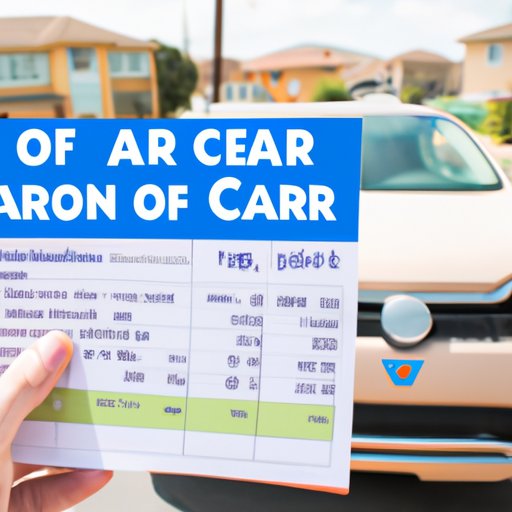
- Review the Loaner Agreement Carefully: Read every line of the loaner agreement. Pay close attention to sections on insurance, liability, mileage limits, fuel policies, and any associated fees for damage or late return. Ask questions if anything is unclear.
- Know Your Personal Policy Inside Out: Call your insurance provider before you need a loaner car. Ask specific questions:
- Does my policy extend to loaner vehicles?
- What are my liability, collision, and comprehensive limits for a non-owned vehicle?
- Am I covered for diminished value or loss of use charges?
- What is my deductible for a loaner car?
- Are there any exclusions for certain types of vehicles or uses?
- Understand the Deductible: Be prepared for your deductible. If damage occurs, this is your immediate out-of-pocket cost. Ensure you have the funds available if needed.
- Check for Additional Fees/Waivers: Inquire if the dealership offers any optional damage waivers or additional insurance for a fee. While it adds to the cost, it might provide peace of mind and cover gaps your personal policy doesn’t.
What Happens if You Have an Accident in a Loaner Car?
Despite all precautions, accidents can happen. If you find yourself in an accident while driving a loaner car, here’s what you should do:
- Prioritize Safety: Ensure everyone is safe. Move the vehicle to a safe location if possible.
- Call the Police: File a police report, especially if there are injuries, significant damage, or if the other party is uncooperative. A police report is crucial for insurance claims.
- Exchange Information: Collect contact and insurance information from all parties involved, including names, phone numbers, license plate numbers, and insurance policy details.
- Document the Scene: Take photos of the accident scene, vehicle damage (all vehicles involved), road conditions, and any relevant surroundings.
- Notify the Dealership Immediately: Inform the dealership that their loaner vehicle has been involved in an accident. They will need to know for their records and to initiate any necessary processes.
- Notify Your Insurance Company: Contact your personal auto insurance provider as soon as possible to report the accident. Provide them with all the details and documentation you’ve gathered.
Based on my experience, timely and thorough documentation is your best friend in these situations. It helps expedite claims and prevents disputes.
Advanced Topics & Pro Tips
For those seeking an even deeper layer of protection and understanding, consider these advanced points:
Loss of Use Coverage
As mentioned, this can be a significant hidden cost. Some premium auto insurance policies or endorsements might offer coverage for "loss of use" of a non-owned vehicle. If you’re concerned about this exposure, it’s worth discussing with your insurer if this option is available to add to your policy. This would reimburse the dealership for the income they lose while the loaner car is being repaired.
Diminished Value
Again, a major blind spot. If the loaner car is a brand new or high-value vehicle, even a minor accident could result in substantial diminished value. Since most personal policies don’t cover this, you could be on the hook. The only way to potentially mitigate this is through a specific damage waiver offered by the dealership or, in rare cases, a very specialized personal policy endorsement.
Umbrella Policies
For individuals with significant assets, an umbrella insurance policy provides an additional layer of liability protection beyond the limits of your primary auto and home insurance. If you cause a severe accident in a loaner car and your auto liability limits are exhausted, your umbrella policy could step in to cover the remaining damages. This offers broad protection for major claims.
Actionable Checklist for Loaner Car Insurance
Here’s a concise checklist to ensure you’re prepared the next time you get a loaner:
- Before Your Car Goes In: Call your insurance agent to confirm your policy’s coverage for loaner vehicles, including limits and deductibles. Ask about loss of use and diminished value.
- Upon Receiving the Loaner:
- Thoroughly inspect the vehicle for existing damage and document it.
- Read the loaner agreement carefully, paying attention to insurance clauses.
- Ask the dealership about their insurance policies and any available damage waivers.
- While Driving the Loaner: Drive cautiously and adhere to all traffic laws.
- In Case of an Accident:
- Ensure safety and call the police.
- Collect all necessary information and documentation.
- Notify the dealership and your insurance company immediately.
Conclusion: Drive with Confidence, Not Concern
Understanding insurance for loaner cars is not merely about ticking a box; it’s about protecting yourself from significant financial liability. While your personal auto insurance policy often provides a foundation of coverage, it’s rarely a complete shield. Gaps in protection, particularly concerning diminished value and loss of use, can turn the convenience of a loaner car into a costly nightmare.
From years of advising clients, the most crucial takeaway is this: never assume. Always verify your coverage with your insurance provider and thoroughly review the loaner agreement with the dealership. By taking these proactive steps, you empower yourself to make informed decisions, drive with genuine confidence, and ensure that a temporary vehicle truly serves its purpose without adding unexpected stress or expense. Don’t let uncertainty cloud your experience; be prepared, be protected, and enjoy the road ahead.
Further Reading from Our Blog:
- Understanding Your Auto Insurance Policy: A Comprehensive Guide to Coverage Types (Internal Link Placeholder)
- Navigating Car Accidents: A Step-by-Step Guide to What to Do Next (Internal Link Placeholder)
External Resource:
- For more general information on auto insurance, visit the National Association of Insurance Commissioners (NAIC) consumer guide: https://www.naic.org/consumer_auto_guide.htm (External Link)