Navigating the Road Ahead: Your Comprehensive Guide to Open Bankruptcy Car Loans
Navigating the Road Ahead: Your Comprehensive Guide to Open Bankruptcy Car Loans Carloan.Guidemechanic.com
Facing bankruptcy is undoubtedly one of life’s most challenging financial hurdles. The weight of debt, the stress of legal proceedings, and the looming fear of a damaged credit score can feel overwhelming. Many assume that once you’ve filed for bankruptcy, securing essential assets like a reliable vehicle becomes an impossibility, especially while your case is still "open."
However, this isn’t always the full story. While undeniably complex, obtaining an open bankruptcy car loan is not an urban myth. It’s a reality for many, provided you understand the intricacies, set realistic expectations, and approach the process with diligence and strategic planning. This super comprehensive guide will demystify the journey, offering expert insights and actionable advice to help you navigate the path to getting a car loan even with an open bankruptcy. Our goal is to empower you with the knowledge to make informed decisions and begin your journey toward financial recovery.
Navigating the Road Ahead: Your Comprehensive Guide to Open Bankruptcy Car Loans
Understanding Open Bankruptcy and Car Loans
Before diving into the specifics of getting a car loan, it’s crucial to grasp what an "open bankruptcy" truly entails and why it presents unique challenges for lenders. An open bankruptcy refers to the period from when you file your petition until your debts are officially discharged or a Chapter 13 plan is completed. This timeframe can significantly impact a lender’s willingness to extend new credit.
What Does "Open Bankruptcy" Mean for Lenders?
When your bankruptcy case is open, it signifies an ongoing legal process involving your financial obligations. For lenders, this translates into a heightened risk perception. They see an individual whose financial stability is under review, with existing debts being restructured or liquidated. This situation often makes traditional lenders hesitant, as their primary concern is the borrower’s ability to repay new debt.
However, it’s not a blanket refusal. There are specific pathways and types of lenders who specialize in bad credit car loans and understand the nuances of bankruptcy.
Chapter 7 vs. Chapter 13: Key Differences for Auto Loans
The type of bankruptcy you’ve filed plays a pivotal role in the car loan process. Understanding these distinctions is fundamental to knowing what to expect.
Chapter 7 Bankruptcy (Liquidation)
Chapter 7 bankruptcy, often referred to as "liquidation," typically concludes faster than Chapter 13, usually within 3-6 months. During an open Chapter 7, an "automatic stay" is in effect, which temporarily prevents creditors from collecting debts. This stay also means you generally cannot incur new debt without specific court permission.
Securing a car loan during an open Chapter 7 is particularly challenging because of this automatic stay and the short duration of the bankruptcy. Lenders are wary of extending credit when the court is still determining your financial fate. However, once the Chapter 7 is discharged, opportunities for car loan after bankruptcy improve significantly, though you’ll still be dealing with a damaged credit score.
Chapter 13 Bankruptcy (Reorganization)
Chapter 13 bankruptcy, known as "reorganization," involves a court-approved repayment plan that typically lasts 3 to 5 years. During this period, you make regular payments to a bankruptcy trustee, who then distributes funds to your creditors. Unlike Chapter 7, the automatic stay in Chapter 13 lasts for the entire duration of the plan.
While still an open bankruptcy, Chapter 13 can sometimes offer a clearer path to an auto loan. The court-approved repayment plan provides a structured financial outlook, which can be seen as a form of stability by certain lenders. However, getting a loan still requires specific legal steps and approvals, which we’ll explore in detail.
Navigating Car Loans During an Open Chapter 7 Bankruptcy
Securing a car loan while your Chapter 7 bankruptcy is still open presents a unique set of hurdles. The primary barrier is the "automatic stay," which legally prevents creditors from taking collection actions against you. It also restricts your ability to incur new debt without court intervention.
The Automatic Stay and Its Implications
The moment you file for Chapter 7, the automatic stay goes into effect. This means that if you try to apply for new credit, a lender cannot approve it without permission from the bankruptcy court. This measure is designed to protect debtors from harassment and allow the court to manage your assets and debts without interference.
For a car loan, this translates into an extra layer of bureaucracy. Lenders are legally bound to respect the stay, and few are willing to risk violating it by extending credit without proper authorization.
The Need for Court Approval
If you absolutely need a vehicle during an open Chapter 7, your attorney will typically need to file a "Motion to Incur Debt" with the bankruptcy court. This motion explains why a car is necessary (e.g., for work, medical appointments) and details the proposed loan terms. The court will then review the motion and decide if incurring this new debt is in your best interest and won’t unduly burden your fresh start post-bankruptcy.
Based on my experience, securing a car loan during an open Chapter 7 is often more challenging than during Chapter 13 or after discharge. The court’s primary focus is on liquidating assets and providing a clean slate, not on adding new debt during the process. This is why many debtors wait until their Chapter 7 is discharged before seeking a car loan.
Finding Lenders Willing to Work with You
Even with court approval, finding a lender can be difficult. Most traditional banks and credit unions will be reluctant. Your best bet will be specialized subprime auto lenders who are familiar with bankruptcy situations. These lenders understand the risks but are willing to offer bankruptcy auto loan solutions, often at higher interest rates.
It’s crucial to work closely with your bankruptcy attorney throughout this process. They can advise you on the likelihood of approval, help draft the necessary motions, and guide you on appropriate loan terms that the court might approve.
Securing a Car Loan During an Open Chapter 13 Bankruptcy
While still an open bankruptcy, a Chapter 13 case often offers a slightly more structured and predictable path to obtaining a car loan compared to Chapter 7. This is primarily due to the established repayment plan, which provides a clearer financial picture for potential lenders.
The Chapter 13 Payment Plan as a Framework
In a Chapter 13 bankruptcy, you’re making regular, court-mandated payments to a trustee based on a meticulously planned budget. This payment plan demonstrates a commitment to financial reorganization and a structured approach to managing your finances. For certain lenders, this consistency can be a small glimmer of reassurance.
However, it also means your disposable income is carefully accounted for. Any new debt, like a car payment, must fit within the confines of this existing budget and not jeopardize your ability to complete the Chapter 13 plan.
Trustee and Court Approval: A Critical Step
Just like with Chapter 7, you cannot incur new debt, including an open bankruptcy car loan, without permission during an open Chapter 13. This involves a two-step approval process:
- Trustee Approval: First, you’ll need to get permission from your Chapter 13 trustee. They will review your need for the vehicle, the proposed loan terms, and how the new car payment will fit into your existing budget and repayment plan. They want to ensure the new debt won’t cause you to default on your Chapter 13 plan.
- Court Approval: If the trustee approves, your attorney will then file a motion with the bankruptcy court to obtain final authorization. The court will consider the trustee’s recommendation and ensure the loan is necessary and feasible within your financial restructuring.
Pro tips from us: Always work closely with your bankruptcy attorney throughout this entire process. They are invaluable in drafting motions, communicating with the trustee, and ensuring all legal requirements are met. Trying to navigate this alone can lead to significant delays or even denial.
Budgeting and Debt-to-Income Ratio
During Chapter 13, your debt-to-income (DTI) ratio is under constant scrutiny. Adding a new car loan payment will directly impact this ratio. Lenders, and more importantly, the trustee and court, will want to see that the new payment is sustainable. They will assess if your remaining income after all Chapter 13 payments and essential living expenses is sufficient to comfortably cover the new car payment.
It’s wise to look for a modest, reliable vehicle rather than an expensive one. An excessive car payment could be seen as financially irresponsible by the trustee and court, potentially jeopardizing your approval.
Finding Lenders for Chapter 13 Auto Loans
Similar to Chapter 7, traditional lenders will likely be cautious. Your best bet for a bankruptcy auto loan during Chapter 13 will be subprime lenders who specialize in bad credit scenarios. Some dealerships have financing departments that work with these lenders, or you might find them through online searches for "Chapter 13 auto loans."
Remember, these lenders understand your situation but will still assess your ability to repay. A consistent payment history within your Chapter 13 plan can sometimes serve as a positive indicator of your renewed financial responsibility.
Essential Steps Before Applying for an Open Bankruptcy Car Loan
Regardless of whether you’re in Chapter 7 or Chapter 13, thorough preparation is key to increasing your chances of approval and securing the best possible terms for an open bankruptcy car loan. Rushing into the process without due diligence is a common mistake that can lead to disappointment or unfavorable loan conditions.
1. Review Your Credit Report and Score
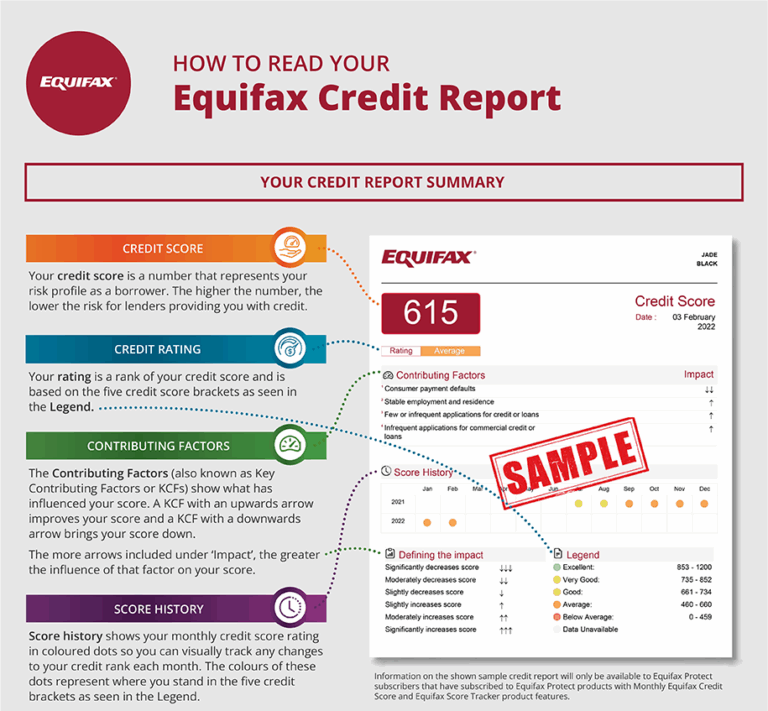
Even with an open bankruptcy, it’s vital to know where you stand. Obtain copies of your credit report from all three major bureaus (Equifax, Experian, and TransUnion). You are entitled to a free report from each annually.
- What to Look For: Check for any errors or inaccuracies. While bankruptcy will severely impact your score, ensuring the report accurately reflects your situation is crucial. Make sure all discharged debts are correctly marked.
- Understand Your Score: Your score will be low, likely in the "poor" or "very poor" range. This helps you set realistic expectations for interest rates and loan terms.
2. Understand Your Budget and Affordability
This is perhaps the most critical step. Your budget dictates what you can realistically afford, not what a lender might offer.
- Calculate Disposable Income: Carefully itemize all your monthly income and expenses, including your bankruptcy payments (if Chapter 13) and essential living costs. The remaining amount is your true disposable income for a car payment.
- Consider Additional Costs: Beyond the monthly payment, factor in insurance, fuel, maintenance, and registration. These can significantly add to the overall cost of car ownership.
- Prioritize Needs Over Wants: During an open bankruptcy, a reliable, affordable vehicle for transportation is the goal, not a luxury car.
3. Save for a Down Payment
A significant down payment is one of the most powerful tools you have when seeking a car loan after bankruptcy.
- Reduces Lender Risk: A larger down payment reduces the amount the lender has to finance, thereby decreasing their risk.
- Lowers Monthly Payments: It directly lowers your monthly payment and the total interest you’ll pay over the life of the loan.
- Shows Commitment: It demonstrates to lenders that you are serious about this purchase and have the discipline to save, even during financial hardship. Aim for at least 10-20% of the vehicle’s purchase price, if possible.
4. Gather All Necessary Documentation
Being prepared with a comprehensive file of documents will streamline the application process and show lenders you are organized and serious.
- Proof of Income: Recent pay stubs (at least 2-3 months), tax returns (if self-employed), or benefit statements.
- Proof of Residency: Utility bills, lease agreements.
- Identification: Driver’s license, social security card.
- Bankruptcy Documents: Your bankruptcy petition, schedules, discharge papers (if Chapter 7 is discharged), or Chapter 13 plan and trustee contact information.
- Letter of Authorization: If in Chapter 13, a letter from your attorney or trustee approving the new debt.
5. Know Your Needs and Research Vehicle Options
Before you even step into a dealership, have a clear idea of the type of vehicle you need and can afford.
- Reliability: Focus on makes and models known for reliability and lower maintenance costs. Used cars are often a more practical choice.
- Value: Research market values for your desired vehicles to avoid overpaying. Websites like Kelley Blue Book (KBB.com) can be very helpful.
- Avoid Emotional Purchases: This is a financial decision designed to help you rebuild, not a time for impulsive buys.
Strategies to Improve Your Chances of Approval
Getting an open bankruptcy car loan requires more than just meeting the basic requirements; it demands a strategic approach to demonstrate your commitment to financial recovery. By proactively addressing lender concerns, you can significantly enhance your approval prospects.
1. Leverage the Power of a Significant Down Payment
As discussed, a larger down payment is your strongest ally. It immediately signals reduced risk to the lender. Think of it this way: if you default, they recover a larger portion of the loan through repossession. From your perspective, it means less principal to borrow, lower monthly payments, and less interest paid over time.
Aim for as much as you can reasonably save. Even a few extra hundred dollars can make a difference in securing better terms.
2. Consider a Co-signer (If Available)
If you have a trusted friend or family member with good credit who is willing to co-sign the loan, this can dramatically improve your chances of approval and potentially secure a lower interest rate. A co-signer essentially guarantees the loan, promising to pay if you default.
- Choose Wisely: A co-signer takes on significant risk, so only ask someone who fully understands the commitment and whom you are confident you can repay.
- Protect the Relationship: Make every payment on time to avoid damaging both your credit and your relationship with your co-signer.
3. Demonstrate Stable Income and Employment History
Lenders want assurance that you have a consistent source of income to make payments. A long, stable employment history with the same employer is a huge positive.
- Proof is Key: Be ready to provide pay stubs, employment verification letters, and even bank statements that show regular deposits.
- Avoid Gaps: If you have recent employment gaps, be prepared to explain them clearly and demonstrate your current stability.
4. Look for Specialized Lenders
Traditional banks often shy away from financing a car after Chapter 7 or Chapter 13 while it’s open. Your best bet is to target:
- Subprime Auto Lenders: These financial institutions specialize in lending to individuals with poor credit or bankruptcy on their record. They are equipped to assess these unique risks.
- Dealerships with Special Finance Departments: Many larger dealerships have "special finance" teams that work directly with subprime lenders and can help you navigate the process.
- Credit Unions: While not always guaranteed, some local credit unions might be more flexible than large banks, especially if you have an existing relationship with them.
Common mistakes to avoid are applying for too many loans at once, as this can further damage your credit score with multiple hard inquiries. Instead, research and target lenders likely to approve your specific situation.
5. Be Prepared for the Terms and Don’t Settle
While your options might be limited, don’t automatically accept the first offer. Shop around and compare interest rates, fees, and loan terms from different lenders.
- Pre-qualification: Some lenders offer pre-qualification, which gives you an idea of potential terms without a hard credit pull.
- Negotiate: Even with bad credit, there might be some room for negotiation on the vehicle price, especially if you’re buying a used car.
For more insights on managing your finances post-bankruptcy, check out our guide on .
What to Expect: Interest Rates, Terms, and Conditions
When seeking an open bankruptcy car loan, it’s crucial to approach the process with realistic expectations. Your financial history means the terms will likely be less favorable than those offered to borrowers with excellent credit. However, understanding these terms can help you make the best decision for your situation.
Higher Interest Rates: The Reality of Bad Credit Car Loans
This is perhaps the most significant difference you’ll encounter. Because lenders perceive you as a higher risk due to your open bankruptcy and damaged credit, they compensate by charging substantially higher interest rates.
- Why it Happens: Higher interest rates help offset the increased likelihood of default from the lender’s perspective. It’s their way of making the loan profitable despite the risk.
- Be Prepared: Expect rates that could be in the double digits, potentially even 15-25% or more, depending on your specific circumstances, the lender, and the current market. Focus on getting a reliable car you can afford, and plan to refinance when your credit improves.
Shorter Loan Terms
Lenders providing bankruptcy auto loans often prefer shorter loan terms, typically ranging from 36 to 60 months. While a shorter term means higher monthly payments, it also reduces the overall interest you pay and gets you out of debt faster.
- Reduced Risk for Lender: Shorter terms mean less time for financial circumstances to change, reducing the lender’s exposure to risk.
- Accelerated Equity: You build equity in the car more quickly, which can be beneficial if you need to trade it in or sell it later.
Secured Loans: The Car as Collateral
Almost all bad credit car loans after bankruptcy will be secured loans. This means the vehicle itself serves as collateral for the loan.
- What it Means: If you default on your payments, the lender has the right to repossess the car to recover their losses.
- Lender Protection: This collateral provides a safety net for the lender, making them more willing to approve loans for high-risk borrowers.
Pre-qualification vs. Pre-approval
Understanding the difference between these two terms is vital when shopping for an auto loan:
- Pre-qualification: This is usually a soft credit inquiry that provides an estimate of what you might qualify for. It doesn’t guarantee a loan but gives you an idea of your options without impacting your credit score.
- Pre-approval: This involves a hard credit inquiry and is a conditional offer of credit based on a more thorough review of your finances. It’s a stronger indication of what a lender is willing to offer and gives you more bargaining power at the dealership.
Beware of Predatory Lenders
While specialized lenders are necessary, some predatory lenders prey on vulnerable individuals with bad credit. Be vigilant and look for red flags:
- Excessively High Fees: Beyond reasonable interest, watch for hidden or excessive administrative fees.
- Pressure Tactics: Lenders who pressure you into signing quickly without fully understanding the terms.
- No Transparency: A lack of clear, written documentation of all loan terms.
- "Guaranteed Approval" Claims: Be wary of anyone promising guaranteed approval regardless of your situation, as this is rarely true or comes with extremely unfavorable terms.
Always read the fine print, ask questions, and never sign anything you don’t fully understand.
The Road to Financial Recovery: Rebuilding Credit with an Auto Loan
While obtaining an open bankruptcy car loan can be challenging, it also presents a significant opportunity. Successfully managing this loan can be a powerful stepping stone on your path to financial recovery and a stronger credit profile. It’s not just about getting a car; it’s about strategically rebuilding.
The Opportunity to Rebuild Your Credit
After bankruptcy, your credit score takes a substantial hit. A new auto loan, despite its higher interest rates, can serve as a positive entry on your credit report. By demonstrating consistent, on-time payments, you begin to show future lenders that you are capable of managing debt responsibly.
- Positive Payment History: Your payment history is the most influential factor in your credit score. Every on-time payment you make towards your car loan contributes positively.
- Credit Mix: An auto loan diversifies your credit mix, which can also have a minor positive impact on your score over time.
Making Timely Payments: Your Top Priority
This cannot be stressed enough: make every single payment on time. Set up automatic payments, mark your calendar, and ensure funds are always available. Late payments will further damage your already fragile credit and negate the positive impact you’re trying to build.
Based on my experience, clients who prioritize timely payments on their post-bankruptcy auto loans see the most significant and quickest improvements in their credit scores. This consistency sends a clear message to credit bureaus and future lenders that you are serious about your financial commitments.
Monitoring Your Credit Progress
Regularly check your credit report (at least annually from each bureau) and consider using a credit monitoring service. This allows you to:
- Track Your Score: See how your score is improving with each on-time payment.
- Identify Errors: Catch any inaccuracies that might appear on your report.
- Stay Motivated: Witnessing your score gradually increase can be incredibly motivating on your financial journey.
Other Credit-Building Strategies
While your auto loan is a powerful tool, combine it with other responsible financial habits to accelerate your rebuilding credit efforts:
- Secured Credit Cards: These cards require a cash deposit as collateral but report to credit bureaus. Use them for small, everyday purchases and pay the balance in full each month.
- Small Personal Loans: Some credit unions offer "credit builder" loans designed to help you establish positive credit history.
- Manage Existing Debts: Continue to make all payments on any remaining debts (e.g., student loans, medical bills) on time.
For official information on managing your credit, consult resources like the Consumer Financial Protection Bureau.
Conclusion: Driving Towards a Brighter Financial Future
Navigating the complexities of obtaining an open bankruptcy car loan is undoubtedly a challenging endeavor, but as we’ve explored, it is far from impossible. With careful planning, a deep understanding of the legal and financial landscape, and a commitment to responsible financial habits, you can secure the transportation you need and, more importantly, take a crucial step toward rebuilding your financial life.
Remember, the journey begins with thorough preparation: understanding the nuances of your bankruptcy chapter, meticulously budgeting, saving for a down payment, and gathering all necessary documentation. Seek out specialized lenders and leverage the expertise of your bankruptcy attorney and financial advisors. Be realistic about interest rates and loan terms, and always prioritize making timely payments to transform your auto loan into a powerful tool for credit recovery.
While the road ahead may have its bumps, by following the strategies outlined in this guide, you can confidently drive towards a brighter financial future, one responsible payment at a time. Your open bankruptcy car loan isn’t just a means of transportation; it’s an opportunity to rewrite your financial narrative and demonstrate your unwavering commitment to long-term stability.
Discover more strategies for financial stability on our blog, such as .