Navigating the Road to a Car: Your Ultimate Guide to No Income Verification Car Loans
Navigating the Road to a Car: Your Ultimate Guide to No Income Verification Car Loans Carloan.Guidemechanic.com
The dream of owning a car is a powerful one, offering freedom, convenience, and independence. Yet, for many, the path to auto financing can seem blocked, especially if their income doesn’t fit the traditional mold of a W-2 employee with regular pay stubs. If you’re a freelancer, a gig worker, a small business owner, retired, or simply have an unconventional income stream, you might have heard of – or are actively seeking – a "no income verification car loan."
This comprehensive guide will demystify these specialized financing options, revealing what they truly are, who they’re for, and how you can successfully secure one. We’ll dive deep into the alternatives lenders consider, common pitfalls to avoid, and strategies to improve your chances of approval. Our goal is to equip you with the knowledge and confidence to drive away in your next vehicle, even without traditional proof of income.
Navigating the Road to a Car: Your Ultimate Guide to No Income Verification Car Loans
What Exactly is a "No Income Verification Car Loan"?
The term "no income verification car loan" can be a bit misleading. In reality, very few lenders will offer you a significant loan without any assessment of your ability to repay. What this phrase typically refers to is a loan where the lender does not require traditional employment verification methods, such as recent pay stubs or employer contact.
Instead, these loans cater to individuals whose income sources are non-traditional or irregular. Lenders still need to be confident that you can meet your monthly payments, but they’re willing to look beyond a standard employment letter or payslip to determine your financial stability. It’s about alternative income verification, not a complete absence of it.
Why Are These Loans Necessary? The Target Audience and Their Challenges
Traditional lending models are built around the stability of a salaried job. When your financial life deviates from this standard, obtaining an auto loan can become a significant hurdle. This is where the need for flexible financing solutions, like no income verification car loans, truly shines.
Who typically benefits from these types of loans?
- Self-Employed Individuals and Freelancers: You might have a robust business or a thriving freelance career, but pay stubs simply don’t exist. Your income can fluctuate, making it challenging to demonstrate a consistent "salary."
- Gig Economy Workers: Whether you drive for a ride-sharing service, deliver food, or offer freelance services through online platforms, your income often comes from multiple sources and can vary week to week. This sporadic nature doesn’t fit neatly into traditional loan applications.
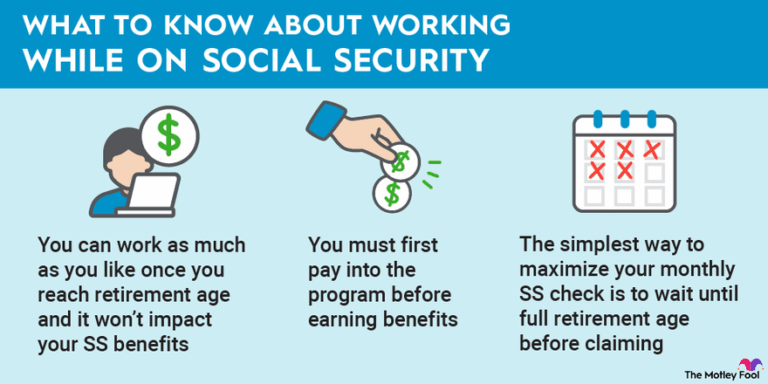
- Retirees and Individuals on Fixed Incomes: If your primary income comes from Social Security, pensions, disability benefits, or annuities, you have a stable and predictable income. However, it’s not "employment income" in the conventional sense, and lenders might require different forms of proof.
- Students: Many students work part-time or rely on grants and student loans. While these funds are real, they don’t always qualify as traditional employment income, making auto financing difficult.
- Individuals with Significant Assets but Low Reported Income: Some people have substantial savings, investments, or rental properties but choose to report lower personal income for tax purposes. These assets represent a strong ability to pay, but traditional lenders might overlook them.
For these groups, the challenge isn’t a lack of income, but rather the difficulty of proving it in a format that traditional lenders easily recognize. No income verification car loans bridge this gap, offering a vital pathway to vehicle ownership.
The "No Income Verification" Misconception: What Lenders Really Look For
Let’s be clear: "No income verification" does not mean "no financial scrutiny." Lenders are in the business of assessing risk, and a car loan represents a significant financial commitment. They need to be assured that you have the capacity and willingness to repay the loan.
Based on my experience advising clients in varied financial situations, the real difference lies in the types of evidence lenders are willing to accept. Instead of focusing solely on your employment status, they shift their attention to other indicators of your financial health and ability to consistently make payments.
They’ll still be looking for evidence of:
- Ability to Repay: This is paramount. They want to see a reliable income stream, even if it’s non-traditional, that clearly covers the proposed car payment plus your existing debts and living expenses.
- Willingness to Repay: Your credit history plays a huge role here. A good payment history on other debts demonstrates your reliability.
- Collateral Value: The car itself serves as collateral. Lenders will assess its value to ensure it adequately secures the loan.
So, while you might not show a pay stub, you’ll definitely be asked to provide alternative documentation that paints a clear picture of your financial standing.
Alternative Methods Lenders Use to Assess Your Ability to Pay
Since traditional pay stubs are out of the picture, what exactly do lenders look at when considering a no income verification car loan? They rely on a mosaic of financial documents and personal factors to build a profile of your repayment capacity.
Here are the key alternative methods and documents:
-
Bank Statements (6-12 Months): This is often the most crucial piece of evidence. Lenders will scrutinize your bank statements to see consistent deposits that reflect your stated income. They’ll also look for overdrafts, bounced checks, and overall spending habits to gauge your financial management.
- Pro tip from us: Ensure your bank accounts are well-managed and show consistent positive balances. Avoid large, unexplained withdrawals or frequent overdrafts in the months leading up to your application.
-
Tax Returns (2-3 Years): For self-employed individuals or small business owners, tax returns (Form 1040, Schedule C for sole proprietors) provide an official record of your income and expenses over time. Lenders use these to verify the consistency and profitability of your business or freelance work.
- Common mistakes to avoid are understating your income on tax returns if you plan to use them for loan applications. While tax deductions are great for saving money, they can make it harder to qualify for loans.
-
Proof of Assets: If you have significant savings, investment accounts, or own real estate, these assets demonstrate your financial stability and provide a buffer in case of income fluctuations. Lenders may consider these as secondary proof of your ability to repay.
- Based on my experience, showing a healthy savings account can sometimes offset a slightly lower income in the eyes of a lender.
-
A Strong Co-signer: If your income situation is particularly complex or your credit score is less than stellar, a co-signer with stable employment and excellent credit can significantly boost your application. The co-signer essentially guarantees the loan, taking on responsibility if you default.
- Remember, this is a serious commitment for the co-signer, impacting their credit if payments are missed.
-
Substantial Down Payment: A larger down payment directly reduces the amount you need to borrow, thereby lowering the lender’s risk. This can be a powerful tool to get approved and often results in better interest rates.
- Pro tip from us: Aim for at least 20% down, if possible. For unconventional income, even higher can make a big difference.
-
Proof of Other Regular Income: This includes documents showing consistent income from sources like Social Security, disability payments, alimony, child support, rental income from properties you own, or even structured settlement payments. These are all valid forms of income that lenders can consider.
-
Business Financials: If you own a business, providing profit and loss statements, balance sheets, and cash flow statements can offer a comprehensive view of your business’s health and its ability to generate income for you.
By compiling these documents meticulously, you present a compelling case to lenders, demonstrating your financial responsibility and capacity to manage a car loan.
Types of Lenders Offering No Income Verification Car Loans
Not all lenders are created equal when it comes to unconventional income. Knowing where to look is half the battle.
- Specialty Lenders / Subprime Lenders: These financial institutions specialize in working with borrowers who don’t fit traditional lending criteria. They are often more flexible in their income verification processes and are willing to take on higher-risk applicants, though typically at higher interest rates.
- Credit Unions: Often more community-focused and member-centric, credit unions can sometimes be more understanding and flexible than large banks. If you’re a member, or eligible to become one, it’s worth exploring their auto loan options. They might be more willing to look at your overall financial picture rather than just pay stubs.
- "Buy Here, Pay Here" (BHPH) Dealerships: These dealerships offer in-house financing, meaning they are both the seller and the lender. They are generally very lenient on credit and income verification, often approving loans with just proof of residence and a down payment.
- Common mistakes to avoid are rushing into a BHPH deal. While they offer accessibility, BHPH loans typically come with significantly higher interest rates, shorter loan terms, and less consumer protection. Always compare their offers with other lenders.
- Online Lenders: A growing number of online lending platforms specialize in various types of auto loans, including those for individuals with unique financial situations. Their application processes are often streamlined, and they may have algorithms designed to assess alternative data points.
It’s crucial to shop around and compare offers from multiple types of lenders to find the best terms possible for your situation.
The Application Process: What to Expect
Applying for a no income verification car loan requires preparation and transparency. Here’s a general overview of the steps:
- Gather Your Documents: Before you even start applying, collect all the necessary paperwork. This includes 6-12 months of bank statements, 2-3 years of tax returns, proof of any other income (Social Security statements, rental agreements), asset statements, and identification. The more organized you are, the smoother the process will be.
- Check Your Credit Report: Obtain a copy of your credit report from all three major bureaus (Equifax, Experian, TransUnion) and review it for accuracy. Dispute any errors, as a clean report can improve your chances and terms.
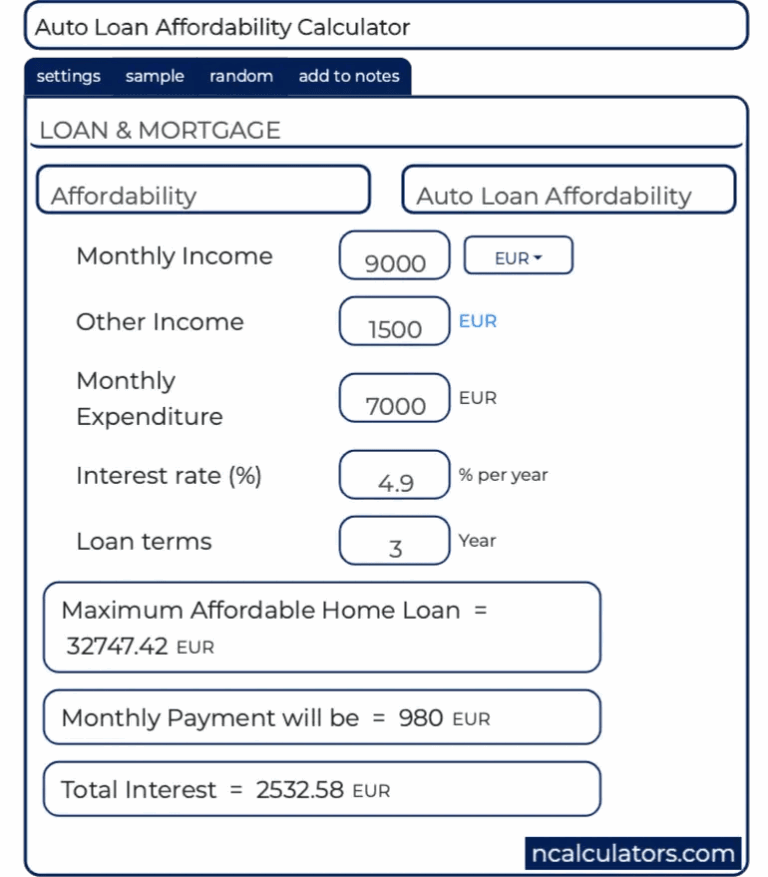
- Determine Your Budget: Understand how much you can realistically afford for a monthly car payment, including insurance, fuel, and maintenance. Don’t just consider the loan amount; think about the total cost of ownership.
- Pre-qualification vs. Full Application: Many lenders offer pre-qualification, which involves a soft credit pull (no impact on your score) and gives you an idea of what loan amount and interest rate you might qualify for. This is a great way to gauge your options without commitment. Once you choose a lender, you’ll proceed with a full application, which involves a hard credit pull.
- Be Transparent and Honest: Provide accurate information to the lender. Trying to embellish your income or financial situation will likely lead to rejection or more severe consequences. Honesty builds trust.
- Understand Terms and Conditions: Before signing anything, thoroughly read and understand the loan agreement. Pay close attention to the Annual Percentage Rate (APR), loan term, any fees, and the total amount you will repay. Ask questions if anything is unclear.
Pros and Cons of No Income Verification Car Loans
Like any specialized financial product, these loans come with their own set of advantages and disadvantages.
Pros:
- Access to Financing: They open the door to vehicle ownership for individuals who would otherwise be excluded by traditional lenders.
- Flexibility for Non-Traditional Earners: They acknowledge and adapt to the diverse ways people earn a living in today’s economy.
- Potential for Quick Approval: Some specialized lenders, especially online platforms, can offer relatively fast approval times due to streamlined processes.
- Opportunity to Build Credit: Successfully managing and repaying one of these loans can significantly improve your credit score, paving the way for better financial opportunities in the future.
Cons:
- Higher Interest Rates: Due to the perceived higher risk, these loans almost always come with higher interest rates compared to traditional auto loans for W-2 employees with excellent credit. This means you’ll pay more over the life of the loan.
- Potential for Less Favorable Terms: You might be offered shorter loan terms (leading to higher monthly payments) or required to make a larger down payment.
- Lower Loan Amounts: Lenders might be more conservative with the amount they’re willing to lend, potentially limiting your vehicle choices.
- Risk of Predatory Lending: Because the target audience is often in a vulnerable position, there’s a higher risk of encountering less reputable lenders or "buy here, pay here" dealerships that charge exorbitant rates and fees.
Strategies to Improve Your Chances of Approval and Get Better Terms
Even with non-traditional income, there are proactive steps you can take to make your application more attractive to lenders and secure more favorable terms.
- Save for a Larger Down Payment: This is arguably the most impactful strategy. A substantial down payment (20% or more) reduces the loan amount and the lender’s risk, making you a much more appealing borrower.
- Improve Your Credit Score: While some lenders for no income verification loans are more lenient on credit, a better score always helps. Pay down existing debts, make all payments on time, and keep credit utilization low.
- Internal Link: For detailed steps, read our article:
- Reduce Existing Debt: A high debt-to-income (DTI) ratio signals to lenders that you might be overextended. Pay off credit card balances or other small loans before applying for a car loan.
- Find a Reliable Co-signer: If you know someone with excellent credit and a stable income who trusts you, a co-signer can dramatically strengthen your application and help you secure better rates.
- Shop Around for Lenders: Don’t settle for the first offer. Contact multiple lenders – credit unions, online specialists, and even some traditional banks – to compare interest rates, fees, and terms.
- Choose a More Affordable Vehicle: Opting for a less expensive car reduces the loan amount needed, which in turn lowers your monthly payments and makes you a lower risk in the eyes of the lender.
- Be Transparent and Organized with Your Finances: Present a clear, well-documented picture of your income and expenses. Lenders appreciate honesty and a borrower who understands their own financial situation.
- Pro tips from us: Create a detailed spreadsheet of your monthly income and expenses for the past year. This shows your commitment to financial planning.
Common Mistakes to Avoid When Seeking No Income Verification Auto Loans
Navigating this niche area of financing requires vigilance. Being aware of potential pitfalls can save you from costly errors.
- Not Understanding the True Cost: Focus beyond the monthly payment. Understand the APR (Annual Percentage Rate), which reflects the total cost of borrowing, including interest and fees. A lower monthly payment over a longer term can mean paying significantly more interest overall.
- Internal Link: Learn more about this in our article:
- Settling for the First Offer: As mentioned, shopping around is critical. The first lender you speak to might not offer the best terms, especially if they perceive you as a high-risk borrower.
- Failing to Read the Fine Print: Loan agreements are complex. Don’t skim. Understand every clause, especially those related to late payment penalties, prepayment penalties, and repossession terms.
- Borrowing More Than You Can Afford: It’s easy to get excited about a new car and stretch your budget. Be realistic about your long-term financial capacity. Factor in insurance, maintenance, and fuel costs.
- Ignoring Your Credit Report: Even if the lender is lenient on income, your credit history still matters. Errors on your report can negatively impact your perceived trustworthiness.
- Falling for "Guaranteed Approval" Scams: Be highly skeptical of any lender promising "guaranteed approval" regardless of your situation. Reputable lenders always conduct some form of due diligence. These offers often hide predatory terms or are outright scams.
Real-Life Scenarios and Success Stories
Based on my experience assisting diverse clients, I’ve seen firsthand how effective these strategies can be. For instance, a freelance graphic designer with fluctuating monthly income successfully secured a loan by providing 18 months of meticulously organized bank statements and a larger-than-average down payment, demonstrating consistent cash flow despite irregular paychecks.
Another example involves a retired couple living solely on Social Security and a small pension. They were initially denied by traditional banks. By approaching a credit union they’d been members of for years, and presenting clear documentation of their stable fixed income alongside proof of significant savings, they were approved for a modest loan for a reliable used car. Their long-standing relationship with the credit union also played a role.
These scenarios underscore the importance of preparation, transparency, and targeting the right lenders who understand and cater to alternative income situations.
Conclusion: Your Road Ahead
Securing a no income verification car loan is absolutely possible, but it requires a strategic and informed approach. It’s not about finding a lender who asks for no information at all, but rather one who is willing to look beyond traditional pay stubs and assess your financial health through alternative, equally valid means.
By understanding what lenders truly seek, preparing your financial documentation thoroughly, improving your overall financial standing, and diligently shopping around for the right financing partner, you can navigate the complexities of non-traditional auto lending. Drive away with confidence, knowing you’ve made an educated decision that fits your unique financial journey.
Further Reading & Resources:
-
On Our Blog:
-
External Resource:
- For unbiased information on vehicle financing and consumer protection, visit the Consumer Financial Protection Bureau (CFPB): https://www.consumerfinance.gov/