Navigating the Road to Approval: Your Ultimate Guide to Getting a Car Loan with Bad Credit
Navigating the Road to Approval: Your Ultimate Guide to Getting a Car Loan with Bad Credit Carloan.Guidemechanic.com
Embarking on the journey to purchase a car can be exciting, but for many, the path is often complicated by the shadow of bad credit. If you’ve ever found yourself wondering, "Can I get approved for a car loan with bad credit?" – you’re certainly not alone. Millions of Americans face this challenge, and the good news is, it’s absolutely possible. While it might require a more strategic approach and a bit of patience, securing a car loan with a less-than-perfect credit history is a goal well within reach.
This comprehensive guide is designed to empower you with the knowledge, strategies, and confidence needed to navigate the complexities of obtaining an auto loan when your credit score isn’t ideal. We’ll dive deep into understanding what bad credit means for lenders, explore actionable steps you can take to improve your chances, and reveal the common pitfalls to avoid. Our ultimate goal is to help you drive away in a reliable vehicle while simultaneously building a stronger financial future.
Navigating the Road to Approval: Your Ultimate Guide to Getting a Car Loan with Bad Credit
Understanding Bad Credit and Its Impact on Car Loans
Before we delve into solutions, it’s crucial to understand what "bad credit" signifies in the eyes of an auto lender. Your credit score is essentially a three-digit report card of your financial responsibility, reflecting your history of borrowing and repaying debt.
What Does "Bad Credit" Really Mean?
Typically, credit scores range from 300 to 850. While the exact thresholds can vary slightly between lenders, a FICO score below 620 is generally considered "subprime" or "bad credit." This range suggests a higher risk to lenders, indicating a history of missed payments, high credit utilization, or even past bankruptcies.
From our experience, lenders use this score as a primary indicator of how likely you are to repay your loan on time. A lower score suggests a higher risk of default, which in turn leads to less favorable loan terms, if approval is granted at all.
Why is Getting Approved Harder with Poor Credit?
Lenders are in the business of assessing risk. When you apply for a car loan, they’re evaluating the probability of getting their money back. A low credit score tells them that you’ve had trouble managing debt in the past. This doesn’t mean you’re a lost cause, but it does mean lenders will be more cautious.
They might offer higher interest rates to compensate for the perceived risk, or they might require a larger down payment or a co-signer. The key is to demonstrate that, despite past financial hurdles, you are now a reliable borrower.
The Myth of "Guaranteed Approval" Car Loans
It’s vital to address a common misconception: the idea of "guaranteed approval" car loans. Based on my experience, there’s no such thing as a truly guaranteed approval car loan, especially for those with bad credit. While some dealerships or lenders might use this phrase in their marketing, it’s often a tactic to attract applicants.
What they usually mean is that they specialize in working with bad credit applicants and have a high approval rate. Always approach such claims with a healthy dose of skepticism and scrutinize the terms and conditions carefully. True "guaranteed approval" would imply no risk assessment, which is simply not how lending works.
Preparation is Key: Laying the Groundwork for Success
Success in securing a car loan with bad credit hinges significantly on thorough preparation. This isn’t just about filling out an application; it’s about strategically positioning yourself as a responsible borrower.
1. Know Your Credit Score and Report Inside Out
Before you even think about stepping onto a dealership lot, the first and most crucial step is to obtain copies of your credit report from all three major bureaus: Experian, Equifax, and TransUnion. You can do this for free annually at AnnualCreditReport.com.
Carefully review each report for any inaccuracies, errors, or outdated information. Common mistakes to avoid are not checking these reports regularly. Disputing errors can often lead to an immediate, albeit small, bump in your score, which can make a difference in loan terms.
2. Budget Realistically: Affordability is Paramount
One of the biggest mistakes people with bad credit make is looking at cars they simply cannot afford. It’s not just about the monthly payment; it’s about the total cost of ownership. This includes insurance, fuel, maintenance, and potential repairs.
Pro tips from us: Create a detailed budget that accounts for all your monthly income and expenses. Determine a comfortable monthly car payment that won’t strain your finances. Remember, a car is a depreciating asset, and overextending yourself can lead to further financial difficulties.
3. Saving for a Down Payment: Your Best Friend
A substantial down payment is one of the most powerful tools you have when seeking a car loan with bad credit. When you put down a significant amount of your own money, you reduce the lender’s risk. This is because you have more "skin in the game," meaning you’re less likely to default on the loan.
A larger down payment also reduces the total amount you need to borrow, which can lower your monthly payments and the total interest paid over the life of the loan. Aim for at least 10-20% of the car’s purchase price, if possible.
4. Gather Necessary Documents Ahead of Time
Lenders will want to verify your identity, income, and residence. Having all your documents organized and ready will streamline the application process and show that you are prepared and serious.
Typically, you’ll need: proof of income (pay stubs, tax returns), proof of residence (utility bill, lease agreement), a valid driver’s license, and references. Sometimes, they might also ask for bank statements or a list of your monthly expenses.
Strategies for Boosting Your Approval Chances
Even with bad credit, there are several strategic moves you can make to significantly improve your likelihood of getting approved for a car loan and securing more favorable terms.
1. Improve Your Credit Score (Even Slightly)
While it might take time to rebuild your credit significantly, even small improvements can help. Focus on quick wins first. Pay down any outstanding small debts, especially those close to their credit limit. Make sure all your current bills are paid on time – every single one.
Avoid opening new lines of credit just before applying for a car loan, as this can temporarily lower your score. For a deeper dive into long-term credit building, check out our guide on .
2. Consider a Co-signer
A co-signer can be a game-changer if you have bad credit. A co-signer is someone with good credit who agrees to take on the responsibility of the loan if you fail to make payments. Their good credit history reduces the risk for the lender, making them more likely to approve your application and potentially offer a lower interest rate.
Choose your co-signer carefully. This is a significant financial commitment for them, and if you miss payments, their credit score will also be negatively impacted. Ensure both parties fully understand the responsibilities involved.
3. Explore Different Lender Types
Not all lenders are created equal, especially when it comes to bad credit car loans. It’s crucial to shop around and understand your options.
- Dealership Financing (Subprime Lenders): Many dealerships have relationships with subprime lenders who specialize in working with bad credit applicants. They can often provide a convenient one-stop shop for car shopping and financing. However, their interest rates might be higher.
- Credit Unions: Often overlooked, credit unions are member-owned financial institutions that typically offer more competitive rates and more flexible terms than traditional banks, especially for members with less-than-perfect credit. Their focus on member welfare can sometimes lead to a more understanding approach.
- Online Lenders Specializing in Bad Credit: A growing number of online platforms specifically cater to individuals with bad credit. They often have streamlined application processes and can provide multiple offers from various lenders, allowing you to compare terms.
- Buy Here, Pay Here (BHPH) Dealerships: These dealerships act as both the seller and the lender. While they often advertise "guaranteed approval," they typically come with very high interest rates and might not report payments to credit bureaus, which means it won’t help you rebuild credit. Common mistakes to avoid are rushing into a BHPH loan without fully understanding the terms and potential downsides. Use BHPH as a last resort and read every line of the contract.
4. Be Realistic About Your Vehicle Choice
With bad credit, this is not the time to aim for a luxury car or a brand-new model. Focus on reliability, affordability, and practicality. A less expensive, pre-owned vehicle will require a smaller loan amount, which is easier to get approved for and will result in lower monthly payments.
Pro tips from us: Prioritize a car that gets you from point A to point B safely and reliably. This approach demonstrates financial prudence and makes you a more attractive borrower. Remember, this first loan can be a stepping stone to a better vehicle in the future once your credit improves.
The Application Process: What to Expect
Once you’ve done your homework and prepared yourself, it’s time to tackle the application process. Knowing what to expect can alleviate anxiety and help you make informed decisions.
1. Pre-qualification vs. Pre-approval: Understanding the Difference
These terms are often used interchangeably, but there’s a key distinction.
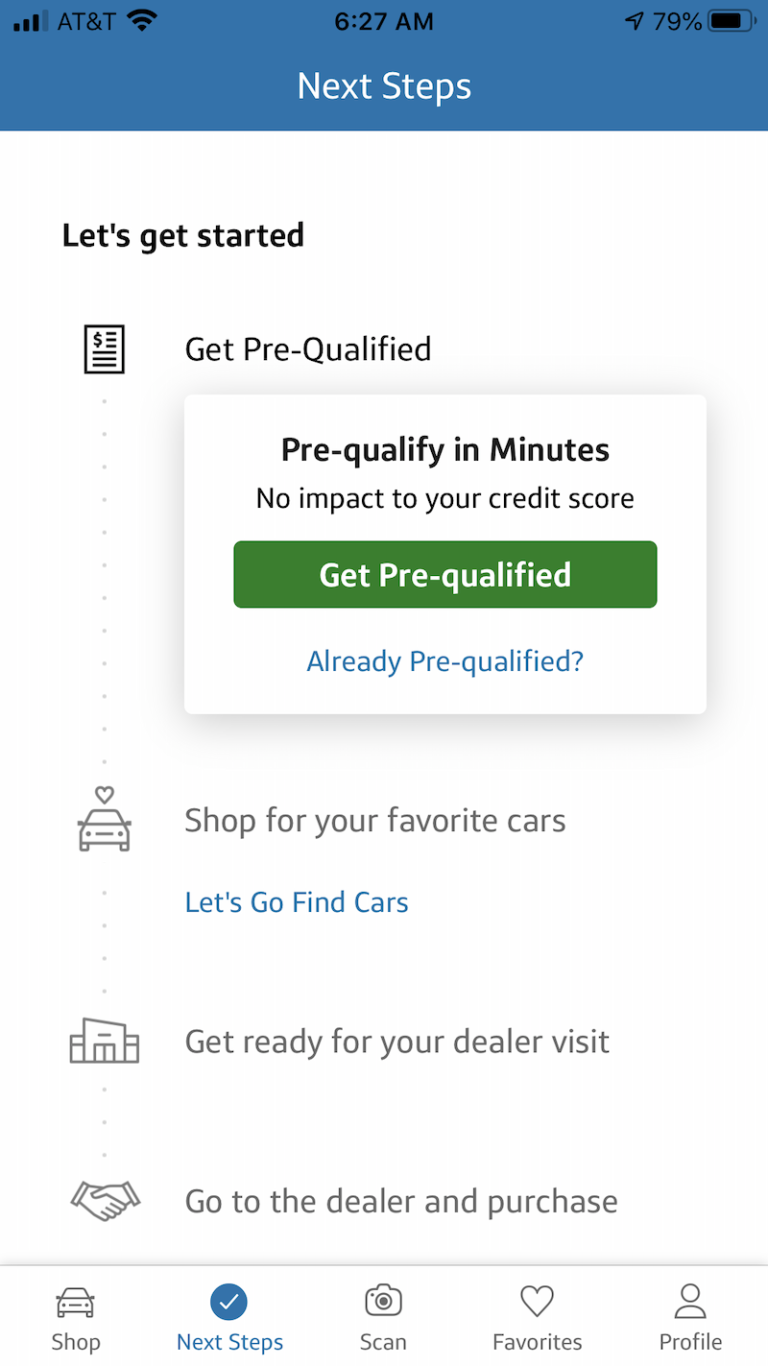
- Pre-qualification is a preliminary assessment that gives you an idea of what loan amount you might qualify for, often without a hard inquiry on your credit report. It’s a soft check and doesn’t guarantee approval but helps you gauge your options.
- Pre-approval is a more formal process where the lender performs a hard credit inquiry and provides you with an actual loan offer, including an interest rate and loan amount, contingent on final verification. This is a much stronger indicator of your borrowing power and allows you to shop for a car with confidence, knowing what you can truly afford.
Based on my experience, getting pre-approved from a few different lenders before stepping into a dealership gives you significant negotiating power.
2. Filling Out the Application: Honesty and Accuracy
When completing any loan application, always be honest and accurate with your information. Providing false details can lead to your application being rejected or, worse, being accused of fraud. Lenders will verify your income, employment, and residence.
Common mistakes to avoid are exaggerating your income or downplaying your expenses. Transparency builds trust, which is especially important when dealing with bad credit.
3. Negotiating Terms: Interest Rates, Loan Term, and Fees
This is where your preparation pays off. Don’t be afraid to negotiate, especially if you have pre-approval offers from other lenders. The interest rate is crucial, as even a small difference can save you hundreds or thousands of dollars over the loan’s term.
Also, pay close attention to the loan term (the length of time you have to repay the loan). While a longer term means lower monthly payments, it also means you’ll pay more in interest over time. Strive for the shortest term you can comfortably afford. Be wary of hidden fees or unnecessary add-ons that inflate the total cost.
4. Common Mistakes to Avoid During Application
- Applying Everywhere: Each hard inquiry on your credit report can slightly lower your score. While credit bureaus generally group auto loan inquiries within a short period (usually 14-45 days) as a single inquiry, applying indiscriminately across many lenders over a longer period can be detrimental. Focus on 2-3 strong contenders.
- Hiding Information: Be upfront about your financial situation. Lenders appreciate honesty, and they will uncover most information during their due diligence.
- Overspending: Don’t let the excitement of a new car push you beyond your budget. Stick to the affordable car you pre-determined.
Post-Approval: Managing Your Car Loan Responsibly
Getting approved is a significant achievement, but the journey doesn’t end there. Responsible management of your new car loan is paramount for improving your financial standing.
1. Making Timely Payments: The Ultimate Credit Builder
This is arguably the most important step. Every on-time payment you make is a positive entry on your credit report. This consistent positive activity will gradually, but surely, rebuild your credit score over time. Set up automatic payments to avoid missing due dates.
Pro tips from us: Treat your car payment as a top financial priority. Even if other bills are piling up, ensuring your car loan is paid on time will have the most significant impact on your credit health.
2. Understanding Your Loan Agreement: Read the Fine Print
Once you’ve signed on the dotted line, you’re bound by the terms of the contract. Make sure you have a copy and understand every clause, especially regarding late fees, early payoff penalties (though rare for auto loans), and what happens in case of default.
Common mistakes to avoid are not fully grasping the terms of your loan, leading to unexpected charges or misunderstandings down the road. If something isn’t clear, ask for clarification before signing.
3. Refinancing Down the Road: A Smart Move
As you consistently make on-time payments, your credit score will begin to improve. After 6-12 months of responsible payment history, you might be in a much better position to refinance your car loan.
Refinancing involves taking out a new loan to pay off your existing one, often with a lower interest rate or better terms. This can significantly reduce your monthly payments and the total interest you pay over the life of the loan. It’s a smart strategy to save money and accelerate your credit rebuilding efforts.
Pro Tips from Our Experience
Having helped countless individuals navigate the challenges of bad credit car loans, we’ve gathered some invaluable insights:
- Don’t Settle for the First Offer: Always compare at least two or three loan offers. The differences in interest rates, even by a percentage point or two, can save you thousands over the loan’s term.
- Read Every Word of the Contract: Never rush through the paperwork. Ask questions about anything you don’t understand. A car loan is a major financial commitment, and you need to be fully aware of what you’re agreeing to.
- Focus on Improving Credit While Paying: Use this car loan as an opportunity. Consistent, on-time payments are a powerful tool for rebuilding your credit. Monitor your credit report regularly to track your progress and ensure all payments are reported correctly.
- Consider Gap Insurance: If you’re putting down a small down payment, consider gap insurance. This covers the difference between what you owe on your car and its actual cash value if it’s totaled or stolen, which is especially relevant with loans that have higher interest rates and slower equity build-up. For more information on protecting your investment, you might find this external resource on car insurance helpful: .
Conclusion: Your Path to a Brighter Automotive Future
Getting approved for a car loan with bad credit is not just a possibility; it’s a strategic endeavor that can open doors to reliable transportation and, more importantly, a stronger financial future. By understanding the landscape, preparing diligently, applying smart strategies, and managing your loan responsibly, you can overcome the hurdles bad credit presents.
Remember, this isn’t just about getting a car; it’s about leveraging this opportunity to rebuild your credit and demonstrate your financial responsibility. Take these steps, be patient, and soon you’ll not only be driving the car you need but also well on your way to a healthier credit score. Start your preparation today, and pave your own road to approval!