Navigating the Road to Vehicle Ownership: Your Ultimate Guide to Self-Employed Car Loans
Navigating the Road to Vehicle Ownership: Your Ultimate Guide to Self-Employed Car Loans Carloan.Guidemechanic.com
Dreaming of a new car but worried your self-employed status might be a roadblock? You’re not alone. For many entrepreneurs, freelancers, and small business owners, securing traditional finance can feel like an uphill battle. Lenders often view fluctuating income and less conventional financial statements with caution, making the path to a car loan seem complex.
But here’s the good news: getting a self-employed car loan is absolutely achievable. With the right knowledge, preparation, and strategy, you can confidently drive off in the vehicle you need, whether it’s for business, personal use, or both. This comprehensive guide will demystify the process, offering expert insights and actionable advice to help you secure the best possible finance deal.
Navigating the Road to Vehicle Ownership: Your Ultimate Guide to Self-Employed Car Loans
Understanding the Self-Employed Landscape for Car Loans
When you’re self-employed, your financial situation differs significantly from someone earning a regular salary. This difference is precisely what makes lenders approach your application with a different lens. They’re primarily concerned with your ability to consistently repay the loan, and your income might not fit their standard, predictable models.
Why Lenders See You Differently
From a lender’s perspective, a salaried employee presents a clear, consistent income stream, usually backed by payslips and employment contracts. For self-employed individuals, income can vary month-to-month, season-to-season. You might have excellent months followed by leaner ones, or significant business expenses that reduce your declared taxable income.
This variability doesn’t mean you’re a higher risk; it simply means lenders need more detailed proof of your financial stability. They want to understand the full picture of your business’s health and your personal financial management, ensuring you have the capacity to meet your repayment obligations without undue stress.
The Myth of Unobtainable Finance
It’s a common misconception that self-employed individuals can’t get car loans. This is simply not true. While the application process might require more documentation and a slightly different approach, the finance industry has evolved to cater to the growing number of self-starters. Many lenders, including specialist brokers, understand the dynamics of self-employment and offer tailored solutions. The key is knowing what they look for and how to present your financial story effectively.
Key Requirements for Self-Employed Car Loans: What Lenders Really Want
Securing a self-employed car loan hinges on demonstrating financial stability and a consistent ability to repay. While specific requirements can vary between lenders, several core elements are consistently sought after. Understanding these will be your foundation for a successful application.
1. Robust Proof of Income and Financial Stability
This is perhaps the most critical component of your application. Lenders need to see a clear, consistent history of income that supports your ability to make loan repayments. They understand that your income might not be fixed, but they look for stability over time.
- Bank Statements: Typically, lenders will request 3-12 months of personal and/or business bank statements. These statements provide a real-time snapshot of your cash flow, showing deposits from clients, regular expenses, and your overall financial management. They help confirm the income you declare on your tax returns.
- Tax Returns/Assessment Notices: Your most recent 1-3 years of personal and business tax returns (Notice of Assessment, Individual Tax Return, Business Tax Return) are vital. These official documents verify your declared income, expenses, and taxable profit. They offer a historical overview of your financial performance.
- Invoices and Contracts: If you work on a project basis or have ongoing client contracts, providing copies of significant invoices or contracts can strengthen your case. This demonstrates current and future income potential, especially if you’ve recently secured new business.
- Profit & Loss Statements: For businesses, a well-prepared Profit & Loss statement, sometimes referred to as an Income Statement, shows your revenues, costs, and profits over a specific period. This provides a more detailed look at your business’s financial health than just bank statements.
Based on my experience, consistently tracking your income and expenses throughout the year, rather than just at tax time, makes a significant difference. It allows you to quickly pull together the necessary documentation when applying for finance.
2. Demonstrated Business Longevity
Lenders prefer to see a track record of stability. A business that has been operating successfully for a period of time is generally viewed as less risky than a brand new venture.
- Minimum Trading History: Most lenders will look for a minimum of 12-24 months of continuous trading history. This allows them to assess your business’s viability over a sustained period, including how it handles different economic cycles or seasonal fluctuations.
- Exceptions for New Businesses: While more challenging, securing a loan with less than 12 months of trading history is sometimes possible, especially if you have a strong business plan, significant prior experience in the industry, or a substantial deposit. However, these situations often require a specialist lender or a higher interest rate.
Pro tips from us: If your business is relatively new, focus on demonstrating strong cash flow from day one and maintain impeccable financial records. A well-articulated business plan outlining future income projections can also be beneficial.
3. A Healthy Credit Score
Your credit score is a numerical representation of your creditworthiness. It’s a critical factor for all loan applications, including those for self-employed individuals.
- What it Represents: Your credit score is based on your past borrowing and repayment behaviour. It reflects how reliably you’ve managed credit cards, personal loans, mortgages, and other financial commitments. A higher score indicates lower risk to lenders.
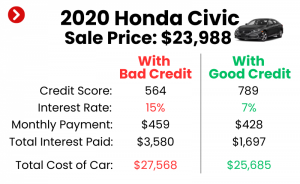
- Impact on Approval and Rates: A strong credit score significantly improves your chances of approval and can qualify you for more competitive interest rates. Conversely, a poor credit score might lead to loan denial or approval at a much higher interest rate.
- How to Check and Improve It: You can obtain a free copy of your credit report from credit reporting agencies. Review it for accuracy and address any errors. To improve your score, focus on paying all bills on time, reducing existing debt, and avoiding excessive credit applications.
Common mistakes to avoid are applying for multiple loans in a short period, as this can negatively impact your score. Each application leaves an inquiry on your credit report, and too many can signal financial distress to lenders.
4. A Meaningful Deposit
While not always mandatory, offering a deposit can significantly strengthen your application for a self-employed car loan.
- Reducing Lender Risk: A deposit demonstrates your financial commitment to the purchase and reduces the amount of money the lender needs to finance. This lowers their risk exposure.
- Better Terms and Rates: Lenders are often more willing to offer favourable interest rates and terms to applicants who put down a deposit, as it shows financial responsibility and reduces the loan-to-value ratio.
- Equity from Day One: A deposit means you’ll have equity in the vehicle from the moment you drive it off the lot, which can be advantageous if you ever need to sell it.
5. Business Activity Statements (BAS) or Financial Statements
For self-employed individuals and business owners, these documents provide a crucial overview of your business’s financial health.
- BAS (for Australian Businesses): If you’re registered for GST, your Business Activity Statements provide details of your sales, purchases, and GST collected and paid. Lenders use these to verify your business turnover and activity.
- Financial Statements (Profit & Loss, Balance Sheet): These formal documents, often prepared by an accountant, offer a comprehensive picture of your business’s financial performance (Profit & Loss) and its assets, liabilities, and equity at a specific point in time (Balance Sheet). They are particularly important for larger loans or for businesses structured as companies.
6. ABN (Australian Business Number) or Equivalent Business Registration
For those operating a business, having a registered business number (like an ABN in Australia, or a federal EIN in the US, or a company registration number in the UK) is essential.
- Verification of Business Status: This number formally identifies your business and confirms its legitimate operation. Lenders use it to verify your business’s existence and registration details.
- Business vs. Personal Loan: Having an ABN is often a prerequisite for applying for specific business-use car finance products, which can offer different tax implications compared to personal loans.
7. Standard Personal Identification
Like any loan application, you’ll need to provide standard personal identification documents.
- Proof of Identity: Government-issued photo ID such as a driver’s license or passport.
- Proof of Address: Utility bills or bank statements showing your current residential address.
Gathering all these documents meticulously before you apply will streamline the process and present you as a prepared and reliable borrower.
Types of Car Loans for Self-Employed Individuals
The world of car finance offers various products, and for the self-employed, certain options can be particularly advantageous depending on your business structure and how you intend to use the vehicle.
1. Standard Secured Car Loan
This is the most common type of car loan, where the vehicle itself acts as collateral for the loan.
- How it Works: The lender registers an interest in the car until the loan is fully repaid. This reduces the lender’s risk, often resulting in lower interest rates compared to unsecured loans.
- Who it’s for: Suitable for self-employed individuals with a strong financial history, a good credit score, and stable income. It’s often the first choice if you qualify.
- Benefits: Generally lower interest rates, longer repayment terms, and predictable monthly payments.
2. Low-Doc Car Loan (Low Documentation)
As the name suggests, "low-doc" loans require less traditional documentation compared to standard loans.
- How it Works: Lenders offering low-doc options are often more flexible, relying on alternative forms of income verification, such as bank statements or accountant’s letters, rather than extensive tax returns.
- Who it’s for: Ideal for self-employed individuals who may not have the full 2-3 years of tax returns, perhaps due to recently starting their business, or those whose declared taxable income is low due to legitimate business deductions.
- Considerations: Because the lender takes on slightly more risk due to less documentation, low-doc loans typically come with higher interest rates than standard secured loans. It’s crucial to ensure you can comfortably afford the repayments.
3. Chattel Mortgage (Business Use)
A popular option for self-employed individuals and businesses who use their vehicle primarily for work purposes.
- How it Works: Under a chattel mortgage, the financier loans you the money to purchase the vehicle, and you take ownership immediately. The financier then secures the loan by taking a ‘mortgage’ over the vehicle (the ‘chattel’).
- Tax Benefits: A significant advantage is that GST can often be claimed on the purchase price of the vehicle (for GST-registered businesses), and depreciation, interest on the loan, and running costs can be claimed as tax deductions.
- Who it’s for: Self-employed individuals operating as sole traders, partnerships, or companies who use the vehicle predominantly for business activities.
4. Hire Purchase (Business Use)
Another finance product often used for business assets, including vehicles.
- How it Works: With a hire purchase agreement, the financier buys the vehicle, and you effectively ‘hire’ it from them over a set period. At the end of the term, once all payments are made, you have the option to purchase the vehicle for a nominal fee.
- Tax Benefits: Similar to a chattel mortgage, GST on the purchase price can often be claimed, and interest and depreciation may be deductible.
- Who it’s for: Self-employed individuals and businesses that prefer to budget for fixed monthly payments and gain ownership at the end of the term.
5. Personal Loan (Unsecured)
While not specifically a car loan, a personal loan can be used to purchase a vehicle.
- How it Works: Unlike secured car loans, a personal loan is unsecured, meaning no asset (like your car) is used as collateral.
- Considerations: Due to the higher risk for the lender, personal loans typically have higher interest rates than secured car loans. They also often have shorter repayment terms and may have lower maximum loan amounts.
- Who it’s for: Self-employed individuals who may struggle to get a secured loan, perhaps due to a unique vehicle type or specific personal circumstances, and are comfortable with potentially higher interest rates.
Choosing the right loan type depends on your individual circumstances, business structure, and financial goals. Based on my experience, consulting with a financial broker who specialises in self-employed finance can help you navigate these options and find the most suitable product for your needs.
How to Boost Your Chances of Approval for a Self-Employed Car Loan
Getting your self-employed car loan approved isn’t just about meeting the minimum requirements; it’s about presenting yourself as the most attractive borrower possible. Here are some pro tips and strategies to significantly improve your application’s success rate.
1. Proactively Improve Your Credit Score
A strong credit score is your silent advocate. It tells lenders you’re responsible with money.
- Pay Bills on Time, Every Time: This is the golden rule. Late payments are a major red flag. Set up automatic payments for recurring bills to avoid missing due dates.
- Reduce Existing Debts: High credit card balances or other outstanding loans can make you seem over-leveraged. Focus on paying down debt, especially high-interest credit cards, before applying for a new loan.
- Check Your Credit Report Regularly: Mistakes happen. Review your credit report from agencies like Experian, Equifax, or TransUnion (or their local equivalents) for any inaccuracies and dispute them immediately.
- Avoid New Credit Applications: Don’t apply for new credit cards or other loans in the months leading up to your car loan application. Each application can slightly ding your score.
2. Save a Larger Deposit
As mentioned earlier, a deposit makes a big difference.
- Demonstrate Commitment: A larger deposit shows the lender you have skin in the game and are serious about the purchase.
- Reduce Loan-to-Value Ratio (LVR): A lower LVR means the lender is financing a smaller percentage of the vehicle’s value, which reduces their risk and can lead to better terms.
- Lower Repayments: A larger deposit means you borrow less, which translates to lower monthly repayments and less interest paid over the life of the loan.
3. Consolidate Existing Debt
If you have multiple small debts, consider consolidating them into a single, manageable loan before applying for a car loan.
- Simplify Finances: This can make your financial situation appear cleaner and easier to manage to a lender.
- Potentially Lower Overall Interest: If you can consolidate high-interest debts into a lower-interest personal loan, it can free up cash flow and improve your debt-to-income ratio.
4. Meticulously Prepare All Documents
Organisation is key. Don’t wait until the last minute to gather your paperwork.
- Create a Dedicated Folder: Keep all your financial documents—bank statements, tax returns, invoices, contracts, business registrations—organised in one place.
- Ensure Documents are Up-to-Date: Provide the most recent versions of all requested documents. Outdated information can cause delays or even rejection.
- Be Thorough: If a lender asks for 12 months of bank statements, provide all 12. Don’t assume they only need a few.
5. Consider a Co-Signer or Guarantor
If your financial history is a little shaky, or your business is relatively new, a co-signer can significantly improve your chances.
- Shared Responsibility: A co-signer (who typically has a strong credit history and stable income) agrees to be equally responsible for the loan repayments if you default.
- Reduced Risk for Lender: Their presence provides an additional layer of security for the lender.
- Important Note: This is a serious commitment for the co-signer, as their credit will also be impacted if payments are missed.
6. Work with a Specialist Broker
This is one of the most powerful strategies for self-employed individuals.
- Expert Knowledge: Specialist brokers understand the unique challenges faced by self-employed applicants and know which lenders are most accommodating.
- Access to Multiple Lenders: They have relationships with a wide panel of banks and non-bank lenders, including those who specialise in low-doc or business finance.
- Tailored Solutions: A good broker will assess your specific situation and recommend the most suitable loan products and lenders, saving you time and potentially securing better terms.
- Application Assistance: They can help you prepare your application, ensuring all necessary documentation is included and presented in the best light.
Based on my experience, many self-employed individuals waste time applying to traditional banks only to be rejected because their income doesn’t fit the standard mould. A specialist broker can often find a solution when direct applications fail.
7. Choose an Affordable Vehicle
Be realistic about what you can afford.
- Stick to Your Budget: Lenders will assess your income and expenses to determine your repayment capacity. Applying for a loan for a car that is clearly beyond your means is a quick way to get rejected.
- Consider Running Costs: Remember to factor in insurance, registration, maintenance, and fuel when budgeting for your car. Lenders often consider these factors as part of your overall financial burden.
By implementing these strategies, you’ll not only increase your chances of approval but also potentially secure more favourable loan terms for your self-employed car loan.
Common Mistakes Self-Employed Individuals Make (and How to Avoid Them)
Navigating the world of self-employed car loans can be tricky, and certain missteps can lead to frustration or outright rejection. Being aware of these common pitfalls can save you time, stress, and protect your credit score.
1. Applying with Insufficient Documentation
This is perhaps the most frequent error. Many self-employed individuals underestimate the level of detail lenders require.
- The Mistake: Submitting an application without all the necessary bank statements, tax returns, or business financial records. This forces the lender to chase you for information, delaying the process and making your application appear disorganised.
- How to Avoid: Refer to the "Key Requirements" section of this guide. Create a checklist and gather all documents before you even start the application. If you’re unsure, provide more information rather than less.
2. Not Knowing Your Credit Score
Your credit score is a major determinant of loan eligibility and interest rates.
- The Mistake: Applying for a loan without checking your credit score, only to find out it’s lower than you thought, leading to rejection or unfavourable terms.
- How to Avoid: Obtain a free copy of your credit report well in advance of your application. Understand your score and take steps to improve it if needed. This proactive approach puts you in control.
3. Applying for Too Much (Over-Leveraging)
It’s tempting to aim for your dream car, but financial reality must prevail.
- The Mistake: Applying for a car loan that puts your monthly repayments beyond your comfortable capacity, especially when combined with other existing debts. Lenders have strict debt-to-income ratios.
- How to Avoid: Create a realistic budget. Factor in all your business and personal expenses, and then determine how much you can comfortably afford to repay each month. Remember that the car’s running costs (insurance, fuel, maintenance) also add to your financial burden.
4. Not Being Transparent About Finances
Hiding financial difficulties or inconsistencies will almost always backfire.
- The Mistake: Trying to obscure fluctuating income, recent large expenses, or past credit issues. Lenders will uncover this information through their checks.
- How to Avoid: Be honest and upfront. If you have had a challenging period, explain the circumstances and outline the steps you’ve taken to rectify the situation. Transparency builds trust, and sometimes an explanation can mitigate a perceived risk.
5. Applying to Too Many Lenders at Once
While it might seem like a good idea to cast a wide net, this can be detrimental.
- The Mistake: Submitting multiple loan applications to different lenders within a short period. Each application leaves a ‘hard inquiry’ on your credit report.
- How to Avoid: Too many hard inquiries in a short timeframe can signal to lenders that you’re desperate for credit, potentially lowering your credit score and making you seem riskier. Instead, work with a specialist broker who can approach multiple lenders on your behalf without multiple hard inquiries, or carefully research and select 1-2 primary lenders.
By being mindful of these common mistakes, you can significantly streamline your application process and increase your likelihood of securing a successful self-employed car loan.
The Application Process: Your Step-by-Step Guide
Securing a self-employed car loan can be a straightforward process when you know the steps. Following this guide will help you navigate the journey efficiently.
Step 1: Assess Your Needs and Budget
Before you even look at cars, understand what you need and what you can afford.
- Vehicle Purpose: Is the car primarily for business, personal use, or both? This impacts the type of loan you should consider (e.g., chattel mortgage for business).
- Budget: Determine your absolute maximum affordable monthly repayment, including potential interest rate fluctuations. Don’t forget to factor in ongoing costs like insurance, fuel, and maintenance.
- Vehicle Type: Research specific models that fit your budget and needs.
Step 2: Gather All Necessary Documents
This is where your meticulous preparation pays off.
- Financial Records: Collect 3-12 months of bank statements (personal and business), your last 1-3 years of tax returns/Notices of Assessment, and any relevant BAS statements or Profit & Loss reports.
- Proof of Identity: Driver’s license, passport, proof of address (utility bill).
- Business Details: ABN/business registration number, business contracts, or significant invoices.
- Credit Report: Obtain and review your credit report.
Step 3: Explore Loan Options and Seek Quotes (or Use a Broker)
This is a critical juncture where expert advice can be invaluable.
- Research Lenders: Look for banks, credit unions, and non-bank lenders that specialise in self-employed car loans or offer low-doc options.
- Get Pre-Approval (if possible): Some lenders offer pre-approval, giving you an idea of how much you can borrow before you commit to a specific car.
- Engage a Specialist Broker: As discussed, a broker can be your greatest asset. They can compare offers from various lenders, understand your unique situation, and guide you towards the most suitable product. They save you time and help avoid unnecessary credit inquiries.
Step 4: Submit Your Application
Once you’ve chosen a lender or a broker has recommended an option, it’s time to apply.
- Complete Forms Accurately: Fill out all application forms precisely and honestly. Inaccurate information can lead to delays or rejection.
- Attach All Documents: Ensure every requested document is attached to your application. Double-check your checklist.
- Be Prepared for Questions: Lenders may have follow-up questions about your income, expenses, or business operations. Respond promptly and clearly.
Step 5: Approval and Vehicle Purchase
If your application is successful, you’re on the home stretch!
- Review Loan Offer: Carefully read all terms and conditions of the loan offer, including the interest rate, fees, repayment schedule, and any early repayment penalties.
- Sign Agreement: Once you’re satisfied, sign the loan agreement.
- Purchase Your Car: With the finance secured, you can now finalise the purchase of your chosen vehicle. The funds will be disbursed according to the agreement, often directly to the car dealership.
By following these steps, you’ll be well-prepared to secure your self-employed car loan and enjoy the freedom of new wheels.
Navigating Low-Doc Car Loans: A Closer Look
The term "low-doc" often sparks interest among self-employed individuals, but it’s important to understand what these loans entail and whether they’re the right fit for you.
What are Low-Doc Car Loans?
Low-doc (low documentation) car loans are specifically designed for self-employed individuals who may not have the extensive financial records typically required by traditional lenders. This could be due to a newly established business, significant business deductions that reduce taxable income, or simply a preference for a more streamlined application process.
Instead of relying heavily on multiple years of tax returns, low-doc lenders might accept alternative forms of income verification. These often include:
- Business Activity Statements (BAS): For GST-registered businesses, these show your quarterly turnover.
- Bank Statements: Typically 6-12 months of business bank statements to demonstrate consistent cash flow.
- Accountant’s Letter: A letter from a registered accountant confirming your income and ability to service the loan.
- Self-Declaration: In some cases, a signed declaration of your income.
Who are Low-Doc Loans For?
Low-doc loans are particularly suited for:
- Newer Businesses: Those who haven’t yet completed multiple tax cycles (e.g., less than 2 years of trading).
- High-Growth Businesses: Companies or sole traders experiencing rapid growth where recent tax returns might not reflect current income levels.
- Businesses with Extensive Deductions: Self-employed individuals who legitimately claim many business expenses, resulting in a lower taxable income, even though their gross income and cash flow are strong.
- Experienced Professionals: Established professionals who have been self-employed for a while but prefer a less paperwork-intensive application.
Pros and Cons of Low-Doc Car Loans
Pros:
- Reduced Paperwork: Simplifies the application process by requiring fewer traditional financial documents.
- Faster Approval: Can sometimes lead to quicker approval times due to less documentation to review.
- Accessibility: Opens up finance options for self-employed individuals who might struggle with standard loan criteria.
- Flexibility: Lenders are often more flexible in their assessment criteria, understanding the unique nature of self-employed income.
Cons:
- Higher Interest Rates: This is the most significant drawback. Because the lender is taking on a higher perceived risk due to less traditional documentation, they typically charge higher interest rates to compensate.
- Higher Fees: Some low-doc loans may come with additional fees compared to standard secured loans.
- Stricter Lending Criteria in Other Areas: While documentation is "low," lenders might be stricter on other aspects, such as requiring a stronger credit score or a larger deposit.
- Limited Choice: Not all lenders offer low-doc options, so your choice of providers might be narrower.
Higher Interest Rates Explained
The reason for higher interest rates on low-doc loans boils down to risk assessment. Traditional lenders rely on comprehensive documentation to accurately gauge an applicant’s financial stability and ability to repay. When this documentation is less extensive, there’s a greater degree of uncertainty for the lender.
To mitigate this increased risk, lenders apply a higher interest rate. This acts as a premium for the flexibility and reduced paperwork they offer. It’s crucial for applicants to weigh the convenience against the cost and ensure the higher repayments are genuinely affordable within their budget.
Before opting for a low-doc loan, always explore standard secured loan options first. If those aren’t feasible, then a low-doc solution, while potentially more expensive, can be an excellent pathway to securing your vehicle. Understanding these nuances is key to making an informed financial decision.
Beyond the Loan: What to Consider Post-Approval
Getting your self-employed car loan approved is a huge step, but the journey doesn’t end there. Responsible financial management post-approval is crucial for maintaining your financial health and ensuring a smooth repayment experience.
1. Strategic Repayment Planning
Don’t just set and forget your repayments. Develop a strategy.
- Automate Payments: Set up direct debits from your bank account to ensure repayments are made on time, every time. This avoids late fees and protects your credit score.
- Consider Fortnightly Payments: If your loan allows, paying fortnightly instead of monthly can help you pay off your loan slightly faster and reduce the total interest paid, as you’ll make an extra month’s payment over the year.
- Extra Payments When Possible: As a self-employed individual, you might have months with higher income. If your loan terms allow, making extra payments can significantly reduce your loan term and total interest paid. Always check for any early repayment penalties first.
2. Comprehensive Budgeting
Your car loan is now a fixed expense, but it’s part of a larger financial picture.
- Factor in All Car Costs: Beyond the loan repayment, remember to budget for fuel, insurance (comprehensive is highly recommended), registration, scheduled servicing, and unexpected repairs. These can add up significantly.
- Regular Financial Reviews: As a self-employed individual, your income can fluctuate. Regularly review your budget to ensure your car loan repayments remain affordable, especially during leaner periods. Adjust your spending in other areas if needed.
- Emergency Fund: Maintain an emergency fund to cover unexpected car repairs or periods of reduced income, preventing you from defaulting on your loan.
3. Smart Insurance Choices
Protecting your asset is just as important as financing it.
- Comprehensive Insurance: While third-party insurance might be cheaper, comprehensive insurance offers the best protection, covering damage to your car, other vehicles, and property, even if the accident is your fault. This is often a requirement from your lender for a secured car loan.
- Business Use Considerations: If you use your car for business, ensure your insurance policy covers business use. Standard personal policies may not cover accidents that occur while you’re working.
- Shop Around: Don’t just go with the first quote. Compare policies from various providers to find the best coverage at a competitive price.
By proactively managing these aspects, you’ll ensure your self-employed car loan remains a positive asset in your financial life, rather than a source of stress. For independent financial advice and tools, we recommend visiting the Australian Government’s MoneySmart website: https://www.moneysmart.gov.au/. Understanding the nuances of business finance is crucial; explore our article on for more insights. (Internal Link Placeholder 2)
Drive Your Business Forward: The Self-Employed Car Loan Advantage
Securing a self-employed car loan might seem like a daunting task, but as this comprehensive guide has shown, it’s an entirely achievable goal with the right approach. By understanding what lenders look for, meticulously preparing your documentation, improving your financial standing, and exploring suitable loan products, you can confidently navigate the financing landscape.
Remember, your self-employed status doesn’t preclude you from vehicle ownership; it simply requires a more tailored strategy. Whether you’re a seasoned entrepreneur or just starting your venture, presenting a clear, consistent, and