Navigating the Road to Your Dream Car: The Ultimate Guide to FICO Scores and Car Loan Approval
Navigating the Road to Your Dream Car: The Ultimate Guide to FICO Scores and Car Loan Approval Carloan.Guidemechanic.com
Getting a new car is an exciting milestone, a symbol of freedom and independence for many. However, the journey to driving off the lot often involves navigating the complex world of auto loans, with your FICO score playing a starring role. Understanding how your FICO score impacts your ability to secure a car loan – and at what interest rate – is crucial for making smart financial decisions.
This comprehensive guide will demystify the FICO score, explain its profound influence on car loan approval, and equip you with actionable strategies to improve your chances of getting the best possible terms. Whether your credit is stellar or needs a little polish, we’ll cover everything you need to know to confidently secure your next vehicle. Let’s dive in and unlock the secrets to a smooth car loan experience.
Navigating the Road to Your Dream Car: The Ultimate Guide to FICO Scores and Car Loan Approval
What Exactly is a FICO Score, and Why Does It Hold So Much Power for Car Loans?
Before we talk about car loans, let’s understand the core concept: your FICO score. FICO stands for Fair Isaac Corporation, the company that developed the most widely used credit scoring model in the United States. Essentially, your FICO score is a three-digit number, ranging from 300 to 850, that lenders use to assess your creditworthiness.
This score is a statistical prediction of how likely you are to repay borrowed money. For car loans, lenders rely heavily on this number to gauge the risk involved in lending to you. A higher score signals lower risk, potentially leading to better loan terms, while a lower score suggests higher risk, often resulting in less favorable conditions or even denial.
The FICO score isn’t just a random number; it’s calculated based on specific categories of information found in your credit report. Understanding these categories is the first step toward managing your financial health and, by extension, your car loan prospects. Each component contributes a different percentage to your overall score, making some factors more impactful than others.
The five key ingredients that make up your FICO score are: payment history (35%), amounts owed (30%), length of credit history (15%), new credit (10%), and credit mix (10%). We’ll explore these in more detail as we discuss improving your score, but for now, recognize that these elements paint a detailed picture of your financial behavior.
Deciphering FICO Score Ranges for Auto Loans: What Your Number Means
Your FICO score isn’t a pass/fail test; it falls into different ranges, each with its own implications for car loan approval and interest rates. Lenders categorize these ranges to quickly understand your risk profile. Knowing where your score stands can help you set realistic expectations before you even start shopping for a car.
Let’s break down the common FICO score ranges and what they generally mean when you’re seeking an auto loan:
-
Excellent (800-850): This is the gold standard. Borrowers in this range are considered extremely low risk. You’ll likely qualify for the absolute best interest rates, often advertised as promotional rates, and have your pick of loan terms. Lenders will compete for your business.
-
Very Good (740-799): Still a fantastic score, putting you in a prime position. You’ll receive highly competitive interest rates and favorable terms. Approval is typically straightforward, and you’ll have access to a wide range of lenders and loan products.
-
Good (670-739): This is where most Americans fall, and it’s generally considered a solid score. You’re a low-to-moderate risk borrower. You can expect good interest rates, though perhaps not the absolute lowest, and approval is very likely. You’ll still have plenty of options.
-
Fair (580-669): Scores in this range are often referred to as "subprime." Lenders view you as a moderate-to-high risk. While getting a car loan is certainly possible, expect higher interest rates and potentially less flexible terms. A larger down payment or a co-signer might be beneficial here.
-
Poor (300-579): This range is considered "deep subprime." Securing a traditional car loan can be challenging, and if approved, the interest rates will be significantly higher, often in the double digits. You might need to explore specialized subprime lenders, consider a substantial down payment, or work with a co-signer.
Based on my experience, even a slight bump in your score can significantly impact the interest rate you’re offered. Moving from a "Fair" to a "Good" score, for instance, could save you hundreds or even thousands of dollars over the life of your car loan. It truly pays to understand and work on your credit.
The Ideal FICO Score for a Car Loan: What Lenders Truly Seek
While any score above 580 might get you approved for a car loan, there’s a significant difference between getting a loan and getting a good loan. The ideal FICO score for a car loan, one that unlocks the most favorable interest rates and terms, typically falls in the "Very Good" to "Excellent" range, meaning 700 or above.
Lenders categorize borrowers into tiers, often labeled as prime, subprime, and deep subprime. Prime borrowers, generally with scores above 660 or 670, receive the best rates because they represent the lowest risk. The higher you climb into the prime category, the more attractive you become to lenders.
Pro tips from us: Aiming for a FICO score of 720 or higher is a fantastic goal if you want to be in the driver’s seat during negotiations. At this level, you’re not just approved; you’re likely to be offered the most competitive Annual Percentage Rates (APRs), which directly translate to lower monthly payments and less money paid overall. This score range often qualifies you for those enticing low-interest promotions advertised by dealerships and banks.
Remember, a higher score not only secures a better interest rate but also gives you more leverage. You might qualify for longer loan terms without a significant rate hike, or you could put down a smaller down payment while still getting a great deal. It’s all about risk assessment for the lender, and a high FICO score signals minimal risk.
Beyond the Score: Other Critical Factors Influencing Car Loan Approval
While your FICO score is a heavy hitter, it’s not the only factor lenders consider when evaluating your car loan application. A holistic view of your financial health is paramount. Understanding these additional elements can further strengthen your application, even if your FICO score isn’t perfect.
One of the most important metrics is your Debt-to-Income (DTI) ratio. This ratio compares your total monthly debt payments to your gross monthly income. Lenders use it to assess your ability to take on additional debt, like a car loan, and still meet your financial obligations. A lower DTI ratio (typically under 43%) indicates you have sufficient income to manage new payments, making you a more attractive borrower.
Your down payment also plays a significant role. A larger down payment reduces the amount you need to borrow, which in turn lowers the lender’s risk. It also demonstrates your commitment and financial stability. A substantial down payment can sometimes help offset a less-than-stellar FICO score, improving your chances of approval and potentially securing a better interest rate.
The Loan-to-Value (LTV) ratio is another consideration. This compares the amount you want to borrow to the car’s actual value. If you’re borrowing more than the car is worth (e.g., rolling negative equity from a trade-in), the LTV will be high, increasing the lender’s risk. A lower LTV, ideally below 100%, is always preferable.
Lenders also scrutinize your employment history and income stability. They want assurance that you have a steady source of income to make your monthly payments. A long, consistent employment record with a stable income is highly favorable. Expect to provide proof of income, such as pay stubs or tax returns.
Finally, consider a co-signer if your credit is weak. A co-signer, typically someone with excellent credit, agrees to be equally responsible for the loan. Their strong credit profile can help you get approved and potentially secure better terms, but remember, they are on the hook if you fail to pay.
How to Check Your FICO Score and Credit Report (And Why It’s Crucial)
Knowing your FICO score and understanding your credit report are foundational steps before applying for any significant loan, especially a car loan. You wouldn’t embark on a road trip without checking your map, right? The same logic applies here. Regularly reviewing these documents allows you to correct errors, identify areas for improvement, and avoid unwelcome surprises.
The most trusted source for your credit reports is AnnualCreditReport.com. This is the only official, government-authorized website where you can get a free copy of your credit report from each of the three major credit bureaus—Experian, Equifax, and TransUnion—once every 12 months. It’s a goldmine of information detailing your credit accounts, payment history, and any public records.
While AnnualCreditReport.com provides your reports, it doesn’t always include your FICO score for free. Many credit card companies now offer free FICO score access to their cardholders as a monthly perk. Websites like myFICO.com also provide your official FICO scores (often for a fee) and detailed explanations of what factors are influencing your specific scores.
Pro tips from us: Always check your credit reports from all three bureaus. While they should contain similar information, discrepancies or errors can occur on one but not the others. Review every detail, from account balances to payment dates, and ensure all personal information is accurate.
Common mistakes to avoid are not checking your reports regularly or assuming they are error-free. Even a small error, like an incorrect late payment notation or an account you don’t recognize, could negatively impact your FICO score. If you find any inaccuracies, dispute them immediately with the credit bureau and the creditor. Correcting these errors can sometimes provide an instant boost to your score.
Strategies to Power Up Your FICO Score Before You Apply for a Car Loan
Improving your FICO score isn’t an overnight miracle, but consistent, strategic effort can yield significant results. If you’re planning to buy a car in the next few months or even a year, now is the time to start optimizing your credit profile. Even a small increase can translate into substantial savings on your car loan.
The most impactful factor in your FICO score is payment history (35%). Always, without exception, pay all your bills on time. Even a single late payment can severely damage your score. Set up automatic payments or reminders to ensure you never miss a due date on credit cards, loans, or even utility bills that report to credit bureaus.
Next, focus on amounts owed, or credit utilization (30%). This refers to how much credit you’re using compared to your total available credit. Keep your credit utilization ratio as low as possible, ideally below 30% on each card and overall. If you have a credit card with a $1,000 limit, try to keep your balance below $300. Paying down credit card balances is one of the quickest ways to see a positive change in your score.
Length of credit history (15%) rewards long-standing accounts. Don’t close old credit card accounts, even if you don’t use them. The longer your accounts have been open and in good standing, the better it looks to lenders. These old accounts contribute to the average age of your credit history, which is a positive signal.
Be mindful of new credit (10%). While opening new accounts can be necessary, doing so too frequently can signal higher risk. Each hard inquiry (when a lender pulls your credit for a loan) can temporarily ding your score. Try to avoid opening multiple new lines of credit in the months leading up to your car loan application.
Finally, consider your credit mix (10%). Lenders like to see a healthy variety of credit, such as credit cards, installment loans (like student loans or personal loans), and mortgages. Responsibly managing different types of credit demonstrates your ability to handle various financial obligations. However, never take on debt you don’t need just to improve your mix.
Based on my experience, patience and discipline are your best allies in credit improvement. It takes time for positive financial habits to reflect fully on your score. Start early, stay consistent, and monitor your progress.
Navigating the Road with Less-Than-Perfect Credit: Getting a Car Loan (Subprime)
It’s a common misconception that you absolutely need excellent credit to get a car loan. While a high FICO score undoubtedly offers the best terms, getting a car loan with less-than-perfect credit, often referred to as subprime lending, is entirely possible. The key is to understand the landscape and adjust your expectations.
If your FICO score falls into the "Fair" or "Poor" range (typically below 670), you’ll likely face higher interest rates. Lenders see you as a greater risk, and they compensate for that risk by charging more for the loan. This means your monthly payments will be higher, and you’ll pay more over the life of the loan.
However, there are strategies to improve your chances. A significant down payment can be your strongest asset. By reducing the amount you need to borrow, you lower the lender’s risk and demonstrate your financial commitment. Aim for at least 10-20% of the car’s purchase price, if possible.
Consider a co-signer with good credit. A co-signer takes on equal responsibility for the loan, effectively "lending" their good credit to your application. This can help you get approved and potentially secure a lower interest rate than you’d get on your own. Just be sure both you and your co-signer understand the full implications.
You might also need to be flexible with your vehicle choice. Opting for a more affordable, reliable used car rather than a brand-new, expensive model can make the loan more manageable and appealing to lenders. A lower loan amount generally means lower risk.
Pro tips from us: When you have subprime credit, it’s even more crucial to shop around for lenders. Don’t just accept the first offer you receive. Explore credit unions, which sometimes have more flexible lending criteria, and specialized subprime lenders. Be prepared for a more thorough application process and potentially stricter terms. Your goal is to secure a loan that you can comfortably afford and then use it to rebuild your credit.
Mastering the Car Loan Application Process: A Step-by-Step Guide
Once you’ve done your credit homework and prepared your finances, it’s time to navigate the actual car loan application process. Approach this with strategy to ensure you get the best deal and avoid common pitfalls.
Start with pre-approval. Many banks, credit unions, and online lenders offer pre-approval. This process involves a soft credit inquiry (which doesn’t harm your score) and gives you an idea of how much you can borrow and at what interest rate. Getting pre-approved empowers you to shop for a car with a clear budget and allows you to negotiate with dealerships from a stronger position, as you already have financing in hand.
Next, shop for rates. Don’t limit yourself to the dealership’s financing options. While dealerships can offer competitive rates, it’s wise to compare offers from several external lenders. You might find a better deal elsewhere. Submit your applications within a concentrated period (typically 14-45 days) to minimize the impact of multiple hard inquiries on your FICO score, as credit scoring models often treat these as a single inquiry for rate shopping purposes.
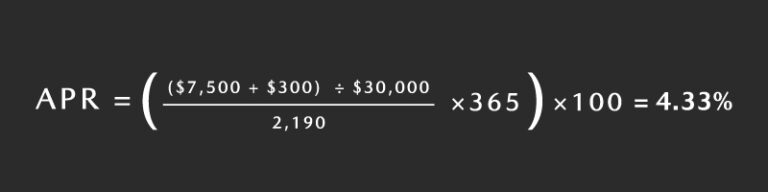
When comparing offers, focus on the Annual Percentage Rate (APR), not just the monthly payment. The APR includes both the interest rate and certain fees, giving you the true cost of borrowing. A lower APR means less money paid over the life of the loan. Also, carefully consider the loan term (how long you have to repay the loan). Longer terms mean lower monthly payments but result in paying more interest overall.
Common mistakes to avoid are focusing solely on the monthly payment without understanding the total cost of the loan. A very long loan term might make the car seem affordable, but it could cost you thousands more in interest. Also, don’t be pressured into signing a loan you don’t fully understand. Ask questions until you’re completely clear on all terms and conditions.
Finally, review all documents carefully before signing. Ensure the interest rate, loan term, and all fees match what you agreed upon. This diligence ensures a smooth and transparent transaction, setting you up for success with your new car loan.
The Long-Term Rewards: How a Good FICO Score Transforms Your Financial Future
Securing a car loan with a good FICO score isn’t just about getting a new set of wheels; it’s about setting a powerful precedent for your financial future. The benefits extend far beyond the immediate purchase, creating a positive ripple effect across your entire financial life.
The most obvious long-term benefit is the significant savings in interest paid. Over a five or six-year car loan, even a few percentage points difference in your interest rate can translate into hundreds, if not thousands, of dollars saved. That’s money you can put towards other financial goals, like a down payment on a house, investments, or simply building an emergency fund.
A good FICO score also provides greater financial flexibility and access to credit. When you have a strong credit profile, lenders are more willing to approve you for other loans—like mortgages or personal loans—and often at the best available rates. This means you’ll have more options and lower costs when you need to borrow money in the future.
Furthermore, responsibly managing a car loan with a good FICO score actively builds and strengthens your credit history. Making consistent, on-time payments on an installment loan demonstrates your reliability as a borrower. This positive payment history further enhances your FICO score, creating a virtuous cycle of good credit leading to even better financial opportunities.
Based on my experience, viewing your FICO score as a long-term asset rather than just a number for a single transaction is crucial. Each positive financial decision, from paying your car loan on time to keeping credit card balances low, contributes to a stronger financial foundation. This snowball effect can lead to greater financial freedom and less stress down the road.
Conclusion: Your FICO Score, Your Financial Superpower for Car Loans
Navigating the world of car loans might seem daunting, but armed with a thorough understanding of your FICO score, you’re well-equipped to make informed decisions. We’ve explored what a FICO score is, how it’s calculated, and its critical role in determining your car loan approval and interest rates. From understanding score ranges to identifying key influencing factors beyond the score, you now have a comprehensive roadmap.
Remember, a strong FICO score is your financial superpower. It opens doors to lower interest rates, more flexible loan terms, and significant long-term savings. Even if your score isn’t perfect today, the strategies we’ve outlined—like paying on time, keeping credit utilization low, and checking your credit reports regularly—can put you on the path to improvement.
Don’t let the fear of credit uncertainty hold you back from securing the car you need and deserve. Take control of your financial narrative. Start by checking your FICO score and credit report today, implement the strategies for improvement, and approach your next car loan application with confidence. Your future self (and your wallet) will thank you for it!