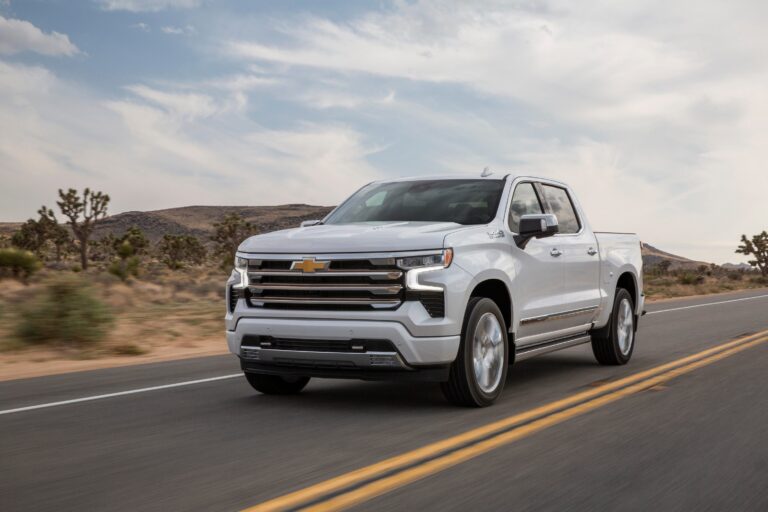
Navigating the Road to Your Next Ride: The Ultimate Guide to Getting a Loan for a Used Car
Navigating the Road to Your Next Ride: The Ultimate Guide to Getting a Loan for a Used Car Carloan.Guidemechanic.com
Embarking on the journey to purchase a used car can be an exciting prospect. It offers the perfect blend of affordability and value, allowing you to get more car for your money. However, for most people, buying a car isn’t a cash transaction; it involves securing financing. Understanding how to get a loan for a used car is paramount to a smooth and successful purchase.
This comprehensive guide will demystify the entire process, from preparing your finances to signing on the dotted line. We’ll dive deep into the nuances of used car financing, providing you with the expert insights and practical advice you need to make informed decisions. Our goal is to empower you to secure the best possible used car loan, ensuring you drive away with confidence and a great deal.
Navigating the Road to Your Next Ride: The Ultimate Guide to Getting a Loan for a Used Car
Why Choose a Used Car? The Smart Financial Move
Before we delve into the specifics of financing, it’s worth briefly acknowledging why a used car often makes excellent financial sense. New cars depreciate rapidly the moment they leave the dealership lot. By opting for a used vehicle, you allow someone else to absorb that initial, significant loss in value.
This means your money goes further, potentially allowing you to afford a higher trim level or a more luxurious model than you could if buying new. Additionally, used cars often have lower insurance premiums and registration fees. These factors collectively contribute to a more budget-friendly overall ownership experience, making getting a loan for a used car a very popular choice.
Understanding Used Car Loans: What Makes Them Different?
While the core principle of a loan remains the same – borrowing money to be repaid with interest – used car loans have distinct characteristics compared to new car loans. Recognizing these differences is crucial for setting realistic expectations and preparing effectively for used car financing.
Interest Rates Can Be Higher
One of the most noticeable differences is that interest rates for used car loans are often slightly higher than those for new cars. This isn’t always the case, especially for very recent used models, but it’s a general trend. Lenders perceive used vehicles as carrying a slightly higher risk due to their age, mileage, and potential for unforeseen mechanical issues. This increased risk is typically reflected in the interest rate you’ll be offered.
Shorter Loan Terms Are Common
Another key distinction is the typical loan term. While new car loans can stretch out to 72 or even 84 months, used car loans often have shorter terms, commonly ranging from 36 to 60 months. This shorter duration can lead to higher monthly payments compared to a new car loan of the same principal amount, but it also means you pay off the loan faster and incur less total interest over the life of the loan. Based on my experience, opting for a shorter term, if your budget allows, is almost always a better financial move in the long run.
Vehicle Depreciation and Value Appraisal
Lenders also consider the depreciation rate and the current market value of the specific used vehicle you’re interested in. They will appraise the car to ensure its value adequately covers the loan amount. This appraisal helps protect the lender’s investment. If the car’s value is significantly lower than the loan amount, it can make securing approval more challenging. Always research the market value of the car you’re considering before applying for a loan.
The Pre-Loan Preparation Phase: Laying Your Foundation
Successful used car financing begins long before you even step foot on a dealership lot or browse online listings. A solid pre-loan preparation phase is critical for securing the best possible terms. This proactive approach will save you time, money, and potential frustration down the road.
Check Your Credit Score & Report: Your Financial Report Card
Your credit score is arguably the most significant factor lenders consider when evaluating your loan application. It’s a numerical representation of your creditworthiness, indicating how reliably you’ve managed debt in the past. A higher credit score signals lower risk to lenders, often translating into lower interest rates and more favorable loan terms.
Pro tips from us: Before you apply for any loan, obtain a copy of your credit report from all three major bureaus (Equifax, Experian, and TransUnion). You can do this annually for free through AnnualCreditReport.com. Review each report meticulously for any errors or inaccuracies. Common mistakes to avoid are not checking your report for old, incorrect information that could be dragging your score down. Disputing errors can significantly improve your score and, consequently, your loan offers.
Understanding your credit score will give you a realistic idea of the interest rates you can expect. If your score is lower than you’d like, dedicate some time to improving it before applying for a loan. Even a few months of responsible credit behavior can make a noticeable difference.
Determine Your Budget: Beyond the Monthly Payment
Many buyers focus solely on the monthly car payment, which is a common mistake. While the monthly payment is important, it’s only one piece of the financial puzzle. When determining your budget for a used car, you need to consider the total cost of ownership. This includes the car’s purchase price, interest accrued over the loan term, insurance premiums, maintenance costs, fuel, and potential repair expenses.
Think about your overall financial picture. How much can you comfortably afford each month without straining your other financial obligations? Use an online used car loan calculator to estimate different payment scenarios based on varying loan amounts, interest rates, and terms. This holistic approach ensures that your new car truly fits into your lifestyle without creating financial stress.
Save for a Down Payment: The Power of Upfront Cash
Making a significant down payment is one of the most effective ways to improve your loan terms and reduce your overall cost. A larger down payment reduces the amount you need to borrow, which directly translates to lower monthly payments and less interest paid over the life of the loan. Lenders also view a substantial down payment as a sign of your commitment and financial stability, making you a more attractive borrower.
Based on my experience: Aim for at least 10-20% of the car’s purchase price as a down payment. If you can put down more, even better. It not only saves you money but also helps you avoid being "upside down" on your loan (owing more than the car is worth) early in the ownership period. This is particularly relevant for used cars, which may depreciate quickly depending on their age and condition.
Research Used Car Values: Know Your Worth
Before you start shopping for a used car or applying for a loan, you must understand the fair market value of the vehicles you’re considering. This knowledge is your best defense against overpaying and ensures that the loan amount aligns with the car’s actual worth. Websites like Kelley Blue Book (KBB.com), NADAguides, and Edmunds are invaluable resources for researching used car values.
These platforms allow you to input the year, make, model, mileage, and condition of a specific vehicle to get an estimated market price. Knowing this information empowers you to negotiate confidently with sellers and ensures that any loan you secure is for a reasonable amount relative to the vehicle’s value. Lenders will also use similar resources to appraise the vehicle, so being informed helps you align with their expectations.
Navigating the Loan Application Process: Step-by-Step Guide
Once you’ve done your homework, it’s time to actively pursue your used car financing. This stage involves a few critical steps that can significantly impact the terms you receive. Being proactive and organized here will pay dividends.
Get Pre-Approved: Your Negotiating Powerhouse
One of the most powerful steps you can take is to get pre-approved for a used car loan before you even start seriously looking at cars. Pre-approval means a lender has reviewed your credit and financial information and has agreed to lend you a specific amount of money at a certain interest rate, pending a final vehicle selection.
Based on my experience: Getting pre-approved transforms you into a cash buyer at the dealership. You walk in knowing exactly how much you can afford and what your interest rate will be. This eliminates the uncertainty of financing at the dealership and allows you to focus solely on negotiating the car’s price. It also provides a benchmark for any financing offers the dealership might present, ensuring you don’t overpay for the loan. You can seek pre-approval from various sources, including your current bank, credit unions, and online lenders.
Gather Necessary Documents: Be Ready to Go
Lenders will require several documents to verify your identity, income, and financial stability. Having these ready in advance can significantly speed up the application process. While requirements can vary slightly, you’ll generally need:
- Proof of Identity: Driver’s license or state ID.
- Proof of Income: Recent pay stubs (usually 2-3 months), W-2s, or tax returns (if self-employed).
- Proof of Residence: Utility bill or lease agreement with your current address.
- Social Security Number: For credit checks.
- Vehicle Information (once selected): VIN, mileage, year, make, model.
Having these documents organized and accessible prevents delays and shows the lender you are a serious and prepared applicant.
Compare Loan Offers: Don’t Settle for the First One
This is a critical step that many people overlook. Once you have your pre-approval, you have a baseline. Now, you should compare offers from multiple lenders. Don’t just accept the first loan offer you receive, even if it’s from your own bank. Interest rates, APR, loan terms, and fees can vary significantly between different financial institutions.
Apply to a few different banks, credit unions, and online lenders within a short period (typically 14-45 days, depending on the credit scoring model). This strategy is often referred to as "rate shopping." Credit bureaus generally count multiple inquiries for the same type of loan within this timeframe as a single inquiry, minimizing the impact on your credit score. Comparing offers ensures you secure the most competitive interest rate and favorable terms for your used car financing.
Understanding APR vs. Interest Rate: The True Cost
When comparing loan offers, you’ll see both an interest rate and an Annual Percentage Rate (APR). It’s crucial to understand the difference. The interest rate is simply the cost of borrowing the principal amount. The APR, however, represents the total cost of the loan over a year, including the interest rate plus any additional fees (such as origination fees, closing costs, or broker fees) rolled into the loan.
The APR provides a more accurate picture of the total cost of borrowing. Always compare APRs when evaluating loan offers, as it gives you the truest cost of financing. A loan with a slightly lower interest rate but higher fees could end up costing you more than a loan with a slightly higher interest rate but no fees.
Types of Lenders for Used Car Loans
You have several options when it comes to where to get a loan for a used car. Each type of lender has its own advantages and disadvantages. Exploring all avenues will help you find the best fit for your financial situation.
Banks: Traditional and Established
Traditional banks are a common source for car loans. They offer a wide range of loan products, and if you already have an existing relationship with a bank (e.g., checking or savings accounts), you might find the application process smoother or even qualify for preferred rates. Banks are known for their stability and established processes. However, their rates may not always be the most competitive, especially if your credit score is less than stellar.
Credit Unions: Member-Focused Benefits
Credit unions are often a fantastic option for used car loans. As not-for-profit financial cooperatives, they are owned by their members. This structure often translates to more favorable interest rates and lower fees compared to traditional banks. Credit unions are known for their personalized service and willingness to work with members, even those with less-than-perfect credit. To qualify, you usually need to become a member, which often involves a small deposit or meeting specific eligibility criteria.
Online Lenders: Convenience and Speed
The digital age has brought a surge of online lenders specializing in car loans. These platforms offer unparalleled convenience, allowing you to apply for and often get approved for a loan from the comfort of your home, often within minutes. Online lenders can be a great option for comparing multiple offers quickly. They often have a broader range of lending criteria, potentially offering solutions for various credit profiles. However, always ensure you’re dealing with a reputable online lender by checking reviews and their accreditation.
Dealership Financing: One-Stop Shop (with a Catch)
Dealerships often offer financing options directly through their "finance and insurance" (F&I) department. This can be incredibly convenient, as you can handle the car purchase and financing in one place. Dealerships work with a network of lenders and can often find an offer for nearly any credit score.
However, it’s crucial to approach dealership financing with caution. While they can be competitive, they also make a profit on the financing. Always go in with a pre-approved loan offer from an external lender. This allows you to compare the dealership’s offer against your independent approval. If the dealership can beat your pre-approved rate, great! If not, you have a solid backup.
Private Party Loans: Specific Challenges, Specific Solutions
Buying a used car from a private seller can often lead to a better deal on the car itself, but financing a private party purchase can be more challenging. Many traditional lenders prefer to finance cars bought from dealerships because dealerships handle much of the paperwork and ensure clear titles.
However, some banks and credit unions do offer specific private party used car loans. The process typically involves the lender verifying the car’s title, condition, and value before approving the loan. You’ll likely need to provide the lender with more detailed information about the seller and the vehicle. Be prepared for a slightly more involved process, but the savings on the car itself can often make it worthwhile.
Credit Score and Used Car Loans: What You Need to Know
Your credit score plays a pivotal role in the terms of your used car loan. It directly influences the interest rate you’ll be offered, and in some cases, whether you get approved at all.
Excellent/Good Credit (700+): The VIP Lane
If you have an excellent or good credit score (typically 700 and above), you’re in the best position to secure the lowest interest rates and most favorable loan terms. Lenders view you as a low-risk borrower, and competition for your business will be high. This allows you to be more selective and negotiate for the very best deals on your used car financing.
Fair Credit (600-699): Still Good Options
With a fair credit score, you’ll still have access to a variety of used car loan options, but the interest rates might be slightly higher than for those with excellent credit. Lenders will look at your overall credit history more closely, but consistent payments and a reasonable debt-to-income ratio can still secure a decent offer. This is where comparing multiple lenders becomes even more important.
Bad Credit (Below 600): Higher Rates, Specific Strategies
Getting a loan for a used car with bad credit is certainly possible, but it comes with challenges. You should expect significantly higher interest rates, as lenders perceive a higher risk. Loan terms might also be less flexible.
Pro tips for bad credit:
- Increase your down payment: A larger down payment reduces the loan amount and signals to lenders that you’re serious.
- Consider a co-signer: A co-signer with good credit can significantly improve your chances of approval and help you secure a lower interest rate. Remember, they are equally responsible for the loan.
- Explore specialized lenders: Some lenders specialize in bad credit car loans. Be cautious and thoroughly research any lender before committing.
- Work on your credit first: If possible, dedicate a few months to improving your credit score before applying. Pay off small debts, make all payments on time, and avoid new credit inquiries.
Common Mistakes to Avoid When Getting a Used Car Loan
Even with all the right information, it’s easy to fall into common traps. Being aware of these pitfalls can save you from costly errors and unnecessary stress during your used car financing journey.
- Not Getting Pre-Approved: As discussed, this is a major misstep. Without pre-approval, you lose significant negotiating power and might end up with a less favorable loan from the dealership.
- Focusing Only on Monthly Payment: While tempting, fixating solely on the monthly payment can lead to extending the loan term unnecessarily, resulting in more interest paid over time and a higher total cost. Always look at the total loan cost and the APR.
- Skipping a Vehicle Inspection: Before finalizing any loan, always have the used car inspected by an independent, trusted mechanic. A pre-purchase inspection can uncover hidden issues that could cost you thousands in repairs down the line, ensuring you’re not financing a money pit.
- Ignoring the Total Cost of Ownership: Beyond the loan, factor in insurance, maintenance, fuel, and potential repair costs. A "cheap" monthly payment might not be so cheap if the car is a gas guzzler or requires frequent, expensive repairs.
- Not Reading the Fine Print: Always read all loan documents thoroughly before signing. Understand every clause, fee, and term. Don’t be afraid to ask questions if something is unclear. This includes understanding prepayment penalties or early payoff options.
Pro Tips for Securing the Best Used Car Loan
To truly master the art of getting a loan for a used car, consider these expert recommendations. These strategies go beyond the basics and can significantly enhance your outcome.
- Improve Your Credit Score First: This cannot be stressed enough. Even a 20-point increase can move you into a better rate tier. Pay bills on time, reduce credit card balances, and correct any errors on your credit report. For more in-depth advice, you might find our guide on
incredibly helpful. - Negotiate the Car Price Separately from the Financing: This is a golden rule. Always negotiate the price of the car first, as if you were paying cash. Once you’ve agreed on a price, then discuss financing options. Combining these negotiations can lead to confusion and often means you’re not getting the best deal on either the car or the loan.
- Consider a Shorter Loan Term: While it means higher monthly payments, a shorter loan term (e.g., 36 or 48 months instead of 60 or 72) will save you a substantial amount in interest over the life of the loan. If your budget allows, it’s a wise financial decision.
- Read All Documents Carefully: We touched on this, but it bears repeating. Never rush through signing loan documents. Take your time, ask for explanations, and ensure you understand all terms, including the APR, total interest, and any penalties. Knowledge is power, especially when signing legally binding agreements.
- Don’t Be Afraid to Walk Away: This is your ultimate power. If a deal doesn’t feel right, if the numbers don’t add up, or if you feel pressured, be prepared to walk away. There are always other cars and other lenders. Patience and willingness to walk away often lead to better deals.
Refinancing Your Used Car Loan: A Second Chance at Better Terms
Even after you’ve secured a used car loan, your journey for better terms might not be over. Refinancing your used car loan means taking out a new loan to pay off your existing one, often with more favorable terms.
When does it make sense?
- Your credit score has improved: If you’ve diligently worked on your credit since taking out the initial loan, you might qualify for a significantly lower interest rate now.
- Interest rates have dropped: If general market interest rates have decreased, you could save money by refinancing.
- You want a different loan term: You might want to extend the term to lower monthly payments (though this increases total interest) or shorten it to pay off the loan faster.
- You got a high-interest loan initially: If you had bad credit when you first financed, refinancing after a period of on-time payments can be a game-changer.
Refinancing can potentially save you hundreds or even thousands of dollars over the life of your loan. It’s always worth periodically checking current rates and seeing if you qualify for a better deal. A trusted external source like the Consumer Financial Protection Bureau offers excellent advice on to help you make an informed decision.
Conclusion: Drive Away with Confidence
Getting a loan for a used car doesn’t have to be a daunting process. By understanding the distinct aspects of used car financing, preparing your finances diligently, exploring all your lending options, and avoiding common mistakes, you can navigate the journey with confidence. Remember, the key is to be informed, proactive, and patient.
Your credit score, down payment, and ability to compare offers are your most powerful tools. By leveraging these, you can secure favorable terms that align with your financial goals. So, take these expert insights, apply them to your used car financing journey, and get ready to hit the road in your new-to-you vehicle with a loan that truly works for you. Happy driving!