Paying Off Your Car Loan Early: The Ultimate Guide to Financial Freedom
Paying Off Your Car Loan Early: The Ultimate Guide to Financial Freedom Carloan.Guidemechanic.com
Are you tired of that relentless monthly car payment, a constant reminder of debt eating into your budget? Imagine a world where that payment disappears, freeing up hundreds of dollars each month for savings, investments, or simply enjoying life. This isn’t just a pipe dream; it’s an achievable reality for many. By focusing on paying off your car loan early, you can unlock significant financial advantages and gain true peace of mind.
This comprehensive guide will walk you through everything you need to know about accelerating your car loan payoff. We’ll explore the compelling reasons to consider early repayment, potential pitfalls to avoid, and practical, actionable strategies you can implement today. Our goal is to empower you with the knowledge and confidence to make informed decisions, ultimately leading you to financial freedom faster than you might think.
Paying Off Your Car Loan Early: The Ultimate Guide to Financial Freedom
Why Consider Paying Off Your Car Loan Early? The Compelling Benefits
Deciding to pay off your car loan early isn’t just about crossing an item off your to-do list; it’s a strategic financial move with a cascade of benefits. Based on my experience guiding individuals through their debt reduction journeys, the advantages often outweigh the perceived effort. Let’s delve into why this strategy can be a game-changer for your personal finances.
1. Significant Savings on Interest
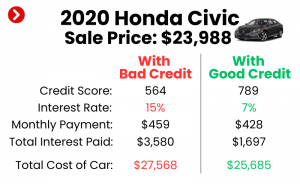
Perhaps the most tangible benefit of paying off your car loan early is the substantial amount of money you’ll save on interest. Auto loans, especially those with higher interest rates or longer terms, accumulate a significant cost over time. Every extra dollar you pay towards your principal reduces the balance on which interest is calculated, immediately diminishing your overall interest burden.
Consider a typical car loan. The early payments are often heavily weighted towards interest. By accelerating your payments, you chip away at the principal faster, drastically cutting down the total interest paid over the life of the loan. This saved money isn’t just theoretical; it’s real cash that stays in your pocket, ready for other financial goals.
2. Achieving Financial Freedom and Reducing Stress
The weight of debt can be a heavy burden, both financially and psychologically. Eliminating a car loan payment means one less obligation hanging over your head each month. This newfound freedom translates into reduced financial stress, allowing you to breathe easier and focus on other aspects of your life.
From a practical standpoint, imagine not having to factor that car payment into your monthly budget. That extra cash flow provides flexibility, resilience against unexpected expenses, and the ability to pursue your financial aspirations without the drag of auto debt. It’s a powerful step towards true financial independence.
3. Improving Your Debt-to-Income Ratio
Your debt-to-income (DTI) ratio is a crucial metric that lenders use to assess your ability to manage monthly payments and repay debts. A lower DTI ratio indicates a healthier financial standing, making you a more attractive candidate for future loans, such as a mortgage, or even better interest rates on other credit products.
By eliminating your car loan, you effectively reduce your total monthly debt obligations while your income remains constant. This immediately improves your DTI ratio, opening doors to more favorable lending terms and enhancing your overall financial profile. It’s a proactive step in building a strong foundation for future financial endeavors.
4. Freeing Up Monthly Cash Flow
Once your car loan is fully paid off, that chunk of money you were dedicating to monthly payments becomes available for other uses. This freed-up cash flow can be a powerful tool for accelerating other financial goals. You could direct it towards building a robust emergency fund, boosting your retirement savings, or making a larger down payment on a home.
Many of our clients, after successfully paying off their car loans, describe a feeling of empowerment. They redirect these funds strategically, often seeing significant progress in other areas of their financial plan. It’s not just about eliminating debt; it’s about optimizing your financial resources for maximum impact.
Is Paying Off Your Car Loan Early Always the Right Move? Important Considerations
While the benefits of paying off your car loan early are substantial, it’s not always the best strategy for everyone. From a professional financial perspective, it’s crucial to assess your overall financial situation before committing to this path. Common mistakes to avoid include prioritizing the wrong debt or jeopardizing your financial stability. Let’s explore the key factors to consider.
1. Opportunity Cost: Where Else Could Your Money Go?
Every dollar you allocate to paying off your car loan early is a dollar that can’t be used elsewhere. This concept is known as opportunity cost. Before committing extra funds to your auto loan, consider if that money could generate a higher return or address a more pressing financial need.
For instance, if you have credit card debt with a significantly higher interest rate than your car loan, it almost always makes more financial sense to tackle the high-interest credit card debt first. Similarly, if you have an investment opportunity with a reliable, higher potential return, that might be a better use of your funds. Always compare the interest rate on your car loan to other debts and potential investments.
2. Emergency Fund Depletion: Don’t Sacrifice Liquidity
One of the most critical rules of personal finance is to maintain an adequate emergency fund. This fund should ideally cover 3-6 months of living expenses, providing a safety net against unexpected job loss, medical emergencies, or unforeseen repairs. Depleting your emergency savings to pay off your car loan early is a common mistake that can leave you vulnerable.
Prioritize building and maintaining a healthy emergency fund before aggressively paying down any debt, especially a lower-interest one like a car loan. Having readily available cash provides peace of mind and prevents you from falling into higher-interest debt should an emergency arise.
3. Prepayment Penalties: Read Your Loan Agreement Carefully
While less common with auto loans than with mortgages, some loan agreements include prepayment penalties. These are fees charged by the lender if you pay off your loan ahead of schedule. Such penalties are designed to compensate the lender for the interest income they would have earned.
Before making any extra payments, meticulously review your loan agreement or contact your lender directly to inquire about any potential prepayment penalties. If a significant penalty exists, it might negate some of the interest savings, making the early payoff less advantageous. Transparency is key here.
4. Other High-Interest Debt: Prioritize Wisely
As mentioned earlier, if you carry other forms of debt with higher interest rates – think credit cards, personal loans, or even some student loans – it’s generally more financially prudent to prioritize those first. The "debt snowball" and "debt avalanche" methods are popular strategies for debt reduction, and both advocate for tackling certain debts before others.
The "debt avalanche" method, which prioritizes debts by their interest rate (highest first), is often mathematically superior as it saves you the most money on interest. Based on my experience, consistently focusing on eliminating high-interest debt first yields the quickest and most impactful results for overall financial health.
Proven Strategies to Accelerate Your Car Loan Payoff
Once you’ve determined that paying off your car loan early aligns with your financial goals, the next step is to implement effective strategies. There are several powerful methods you can employ to chip away at your principal faster, and often, combining a few of these yields the best results.
1. Make Extra Payments Whenever Possible
This is perhaps the most straightforward and effective strategy. Any additional amount you pay above your minimum monthly payment directly reduces your principal balance. The key is to ensure these extra payments are applied correctly.
- Bi-Weekly Payments: Instead of one monthly payment, divide your monthly payment in half and pay that amount every two weeks. Since there are 52 weeks in a year, this results in 26 half-payments, which equates to 13 full monthly payments annually instead of 12. This subtle shift can significantly accelerate your payoff without feeling like a huge strain on your budget.
- One Extra Payment Annually: Commit to making one additional full car payment each year. You can do this by saving a small amount each month, or by using a portion of a bonus or tax refund. This single extra payment can shave months off your loan term and save you hundreds in interest.
- Round Up Your Payments: If your payment is, say, $327, consider rounding it up to $350 or even $400 each month. These small, consistent increases add up over time, allowing you to pay down the principal more quickly without a drastic change to your budget.
2. Apply Windfalls and Unexpected Income
Unexpected money can feel like a bonus, and it presents an excellent opportunity to accelerate your debt repayment. Windfalls, such as tax refunds, work bonuses, inheritances, or even gifts, can make a significant dent in your car loan principal.
Instead of using these funds for discretionary spending, consider directing a substantial portion, if not all, of them towards your car loan. This strategy allows you to make large, impactful payments without affecting your regular monthly budget, dramatically speeding up your payoff timeline.
3. Refinance for a Shorter Term (and Potentially Lower Rate)
Refinancing your car loan involves taking out a new loan to pay off your existing one. This can be a powerful strategy if you can secure a lower interest rate or, more importantly for early payoff, a shorter loan term.
- Lower Interest Rate: If your credit score has improved since you first took out the loan, or if market rates have dropped, you might qualify for a lower interest rate. This reduces the total cost of your loan.
- Shorter Loan Term: The most effective way to accelerate your payoff through refinancing is to choose a shorter loan term (e.g., going from a 60-month loan to a 36-month loan). While your monthly payment might increase, you’ll pay off the car much faster and save a substantial amount on interest over the life of the loan. Always calculate if the increased monthly payment is manageable within your budget.
4. Generate Extra Income Through Side Hustles or Selling Items
Sometimes, the best way to find extra money for debt repayment is to earn it. Consider picking up a side hustle for a few months, like freelancing, ridesharing, or delivering food. Even a small amount of consistent extra income, entirely dedicated to your car loan, can make a big difference.
Another effective method is to declutter and sell unused items around your home. That old furniture, electronics, or clothes gathering dust could be converted into cash that directly reduces your car loan principal. It’s a win-win: a tidier home and less debt.
5. Budgeting and Cutting Expenses
This might seem obvious, but a thorough review of your budget can often uncover funds that can be redirected towards your car loan. Pro tips from us include meticulously tracking every dollar you spend for a month to identify non-essential expenses.
Can you cut back on dining out, subscriptions, or entertainment for a few months? Even small adjustments, like bringing lunch to work or brewing coffee at home, can free up $50-$100 a month. Redirecting these savings consistently towards your car loan can significantly accelerate your payoff without requiring a major lifestyle overhaul. For a deeper dive into budgeting strategies, check out our guide on .
The Step-by-Step Guide to Paying Off Your Car Loan Early
Ready to take action? Here’s a practical, step-by-step guide to help you implement your early car loan payoff plan. This systematic approach ensures you cover all your bases and maximize your savings.
- Review Your Loan Agreement: Your first step is to understand the specifics of your loan. Locate your original loan documents and check for any prepayment penalties. Confirm how extra payments are applied (ideally to the principal).
- Calculate Potential Savings: Use an online car loan payoff calculator to estimate how much interest you could save and how much faster you could pay off your loan by making extra payments. This tangible number can be a huge motivator.
- Choose Your Strategy (or Strategies): Based on your financial situation, select the methods that best suit you. Will you make bi-weekly payments? Dedicate your tax refund? Refinance? Or a combination?
- Communicate with Your Lender: Before making any extra payments, contact your loan servicer. Explicitly state that any additional funds should be applied directly to the principal balance, not as an advance on future payments. Get this confirmation in writing if possible.
- Stay Consistent and Track Your Progress: Consistency is key. Whether it’s rounding up payments or making an extra payment annually, stick to your plan. Regularly check your loan balance to see your principal decrease; this visual progress can be incredibly motivating.
Common Mistakes to Avoid When Paying Off Your Car Loan Early
While the intention to pay off debt early is admirable, certain missteps can hinder your progress or even put you in a worse financial position. Having guided countless individuals through their financial journeys, I’ve seen firsthand the importance of avoiding these common pitfalls.
- Ignoring Prepayment Penalties: As discussed, not checking for these fees can negate your interest savings. Always verify your loan terms first.
- Depleting Your Emergency Savings: Sacrificing your financial safety net for early debt payoff is a high-risk move. Always ensure your emergency fund is robust before aggressively tackling lower-interest debt.
- Neglecting Higher-Interest Debt: If you have credit card debt with 18%+ interest, paying off a car loan at 5% is generally not the most financially savvy move. Prioritize the highest-interest debt first.
- Not Confirming Extra Payments Go to Principal: This is a crucial mistake. If your extra payment is applied as an advance on your next payment, it won’t reduce your principal faster or save you interest. Always specify that extra funds are for principal reduction.
- Lack of a Clear Plan: Without a defined strategy and consistent effort, early payoff efforts can fizzle out. A clear plan, even a simple one, provides direction and keeps you motivated.
Pro Tips for a Smooth Early Payoff Journey
To ensure your journey to a debt-free car is as smooth and efficient as possible, here are some expert tips based on years of financial coaching:
- Automate Extra Payments: Set up automatic transfers for your extra principal payments. This removes the need for conscious decision-making each month and ensures consistency.
- Track Your Progress Visually: Create a spreadsheet or use an app to track your loan balance decreasing. Seeing the numbers shrink can be incredibly motivating and reinforce your commitment.
- Celebrate Milestones: Acknowledge your progress! Whether it’s reaching a certain principal amount or making an extra payment, celebrate these small victories to maintain momentum.
- Reinvest the Freed-Up Cash Flow: Once the car loan is paid off, don’t let that extra monthly cash disappear into general spending. Have a plan for it – whether it’s building your emergency fund, investing, or saving for another significant goal.
Beyond the Payoff: What to Do Next?
Congratulations! You’ve successfully paid off your car loan early. This is a significant financial achievement. But the journey doesn’t end here. Now, you have a powerful opportunity to redirect that freed-up cash flow to supercharge other financial goals.
- Reinforce Your Emergency Fund: If your emergency fund was tapped or wasn’t fully funded during your payoff journey, make building it back up (or establishing it) your top priority.
- Increase Retirement Contributions: Consider increasing your contributions to your 401(k), IRA, or other investment accounts. The power of compound interest works wonders over time.
- Save for Future Goals: Whether it’s a down payment on a home, funding your children’s education, or saving for your next car (and perhaps paying cash for it!), direct your newfound cash flow towards these future aspirations.
- Tackle Other Debts: If you have other debts, particularly higher-interest ones, now is the perfect time to apply your proven debt-reduction strategies to eliminate them.
Conclusion: Driving Towards a Debt-Free Future
Paying off your car loan early is more than just a financial maneuver; it’s a conscious decision to reclaim your financial freedom and reduce stress. From saving thousands in interest to freeing up valuable monthly cash flow, the benefits are clear and impactful. While it requires discipline and careful planning, the strategies outlined in this guide – from making extra payments and applying windfalls to smart refinancing and budgeting – provide a clear roadmap to achieving this goal.
Remember to assess your overall financial picture, avoid common pitfalls like depleting your emergency fund, and always confirm with your lender how extra payments are applied. By taking proactive steps and staying consistent, you can accelerate your car loan payoff, creating a stronger, more secure financial future for yourself. Imagine that sense of accomplishment, the added financial flexibility, and the peace of mind that comes with knowing your car is truly yours, free and clear. It’s a journey well worth taking.
For more insights on managing debt and building wealth, explore our extensive library of financial articles.