Prequalify vs. Pre-Approved Car Loan: Your Ultimate Guide to Smarter Car Buying
Prequalify vs. Pre-Approved Car Loan: Your Ultimate Guide to Smarter Car Buying Carloan.Guidemechanic.com
Buying a car is an exciting milestone, but the financing process can often feel like navigating a complex maze. Two terms frequently pop up: "prequalify" and "pre-approved" for a car loan. While they sound similar, understanding their distinct differences is crucial for any savvy car shopper. Confusing one for the other can lead to missed opportunities, frustration, or even a less favorable deal.
As an expert in automotive financing, I’ve seen countless individuals get stuck in this semantic trap. My mission today is to demystify these terms, empowering you to approach your next car purchase with confidence and a clear financial strategy. This comprehensive guide will equip you with the knowledge to leverage both prequalification and pre-approval to secure the best possible car loan. Let’s dive in!
Prequalify vs. Pre-Approved Car Loan: Your Ultimate Guide to Smarter Car Buying
Understanding the Car Loan Landscape
Before we dissect the specifics, it’s important to acknowledge the modern car buying journey. Today’s market demands preparation. Walking into a dealership without a clear understanding of your financial standing and loan options puts you at a significant disadvantage.
Securing a car loan isn’t just about finding the lowest interest rate; it’s about understanding the entire package. This includes loan terms, fees, and how different lenders view your creditworthiness. Being prepared means having financial power in your pocket.
Based on my experience, the biggest mistake buyers make is focusing solely on the monthly payment without understanding the underlying loan terms. Prequalification and pre-approval are your first steps to gaining this crucial insight.
Prequalify for a Car Loan: The Initial Glimpse
Prequalification is your very first step in exploring car loan options without any commitment or impact on your credit score. Think of it as a preliminary check, a soft inquiry into your borrowing potential. It’s a fantastic way to gauge what you might be able to afford.
What is Prequalification?
When you prequalify for a car loan, you’re essentially asking a lender for an estimate of what loan amount and interest rate you might qualify for. This process typically involves providing some basic financial information, such as your income, employment status, and a general idea of your credit history. The lender then conducts a "soft credit pull."
A soft credit pull, unlike a hard inquiry, does not affect your credit score. It’s an informational check that allows the lender to get a snapshot of your credit profile without signaling to other creditors that you are actively seeking new credit. This makes prequalification a risk-free way to test the waters.
How Prequalification Works
The process for prequalification is usually quick and straightforward. You’ll often complete a short online form or have a brief conversation with a loan officer. You won’t typically need to provide extensive documentation at this stage. The lender uses the information you provide, combined with the soft credit pull, to generate a non-binding estimate.
This estimate will give you a ballpark figure for the loan amount and a potential interest rate range. It’s important to remember that this is not a guaranteed offer. The actual terms can change once a full application and hard credit check are performed. However, it serves as an excellent starting point for your car shopping budget.
Pros of Prequalifying
There are several compelling reasons why you should consider prequalifying for a car loan:
- No Impact on Your Credit Score: This is perhaps the biggest advantage. You can shop around with multiple lenders, getting various estimates, without any fear of dinging your credit score. This freedom allows for true comparison shopping.
- Sets a Realistic Budget: Receiving an estimated loan amount helps you understand your financial boundaries. You’ll know what price range of vehicles to consider, preventing you from falling in love with a car you can’t realistically afford. This clarity is invaluable.
- Empowers Negotiation: Walking into a dealership with an idea of your potential financing terms gives you significant leverage. You won’t be entirely reliant on the dealership’s financing offers, which might not always be the most competitive. You can use your prequalification estimate as a benchmark.
- Reduces Stress: The uncertainty of financing can be a major source of stress during car buying. Prequalification removes some of that ambiguity, allowing you to focus more on finding the right vehicle rather than worrying about loan approval. You’ll feel more prepared and confident.
Cons of Prequalifying
While highly beneficial, prequalification isn’t without its limitations:
- Not a Guaranteed Offer: The most significant drawback is that a prequalification is not a firm commitment from the lender. The estimated terms can change after a full application, especially if there are discrepancies in the information you provided or if your credit score has minor fluctuations.
- Terms Can Vary: The interest rate and loan amount provided during prequalification are estimates. Factors like the specific car you choose, the loan term, and the lender’s final underwriting process can all influence the actual loan terms you receive. Common mistakes to avoid are treating your prequalification as a final offer. Always remember it’s an indication, not a promise.
Pre-Approved Car Loan: The Real Deal
A pre-approved car loan takes your financial preparation to the next level. This is a much more concrete offer from a lender, giving you actual loan terms before you even step foot on a dealership lot. It signifies that the lender is genuinely ready to finance your purchase, under specific conditions.
What is Pre-Approval?
When you get pre-approved for a car loan, a lender has thoroughly reviewed your financial situation and issued a conditional offer for a specific loan amount, interest rate, and loan term. This process involves a "hard credit pull" or "hard inquiry." Unlike a soft pull, a hard inquiry can temporarily lower your credit score by a few points.
However, it’s important to note that credit bureaus understand consumers shop for loans. Multiple hard inquiries for the same type of loan (like an auto loan) within a short period (typically 14-45 days, depending on the scoring model) are usually treated as a single inquiry, minimizing the impact on your score. Pro tips from us: get all your pre-approvals within this shopping window.
How Pre-Approval Works
To get pre-approved, you’ll complete a full loan application, providing detailed financial information. This often includes proof of income (pay stubs, tax returns), employment verification, and possibly bank statements. The lender then conducts a hard credit inquiry to assess your creditworthiness in detail. They’ll scrutinize your payment history, debt-to-income ratio, and other financial obligations.
If approved, the lender will issue a pre-approval letter. This letter outlines the maximum loan amount, the exact interest rate, the loan term (e.g., 60 months, 72 months), and any specific conditions. For example, it might state that the approval is contingent on the vehicle meeting certain criteria (e.g., age, mileage). This letter is your golden ticket to confident car shopping.
Pros of Pre-Approval
Securing a pre-approved car loan offers significant advantages that can streamline your car buying process and save you money:
- Stronger Negotiation Power: This is arguably the biggest benefit. With a pre-approval in hand, you walk into the dealership as a cash buyer. You already have your financing secured, so you can focus purely on negotiating the vehicle’s price. Dealers know you’re serious and have other options, which can lead to a better deal.
- Faster Buying Process: Having your financing pre-arranged significantly speeds up the purchasing process. You won’t need to spend hours in the finance office waiting for the dealership to secure a loan for you. This saves valuable time and reduces the often-dreaded wait.
- Clear Budget and Terms: A pre-approval provides concrete figures. You know exactly how much you can borrow, at what interest rate, and for how long. This eliminates guesswork and allows you to make precise decisions about which car fits your budget.
- Avoids Dealership Markups: Dealerships sometimes mark up interest rates on loans they arrange to earn a profit. With your own pre-approval, you bypass this potential markup, ensuring you get the rate you qualified for directly from your chosen lender. This transparency is crucial for your financial well-being.
Cons of Pre-Approval
While powerful, pre-approval does come with a few considerations:
- Hard Credit Inquiry: As mentioned, a hard inquiry will temporarily appear on your credit report and may cause a slight dip in your score. However, this impact is usually minimal and short-lived, especially if done within a specific shopping window.
- Expiration Date: Pre-approval letters typically have an expiration date, usually between 30 and 60 days. If you don’t purchase a car within this timeframe, you’ll need to reapply, which would involve another hard credit pull. Common mistakes to avoid are letting your pre-approval expire before you’re ready to buy, or not comparing multiple pre-approvals.
- Specific Conditions: The pre-approval might be subject to certain conditions, such as the age or mileage of the vehicle, or the loan-to-value ratio. Always read the fine print of your pre-approval letter carefully to understand any limitations.
Prequalify vs. Pre-Approved Car Loan: A Side-by-Side Comparison
To truly grasp the distinction, let’s lay out the key differences between prequalification and pre-approval side-by-side.
-
Credit Check Type:
- Prequalify: Involves a soft credit pull. This is an informational check that does not impact your credit score. It’s like peeking at your credit report without leaving a trace.
- Pre-Approved: Requires a hard credit pull. This is a formal inquiry that can temporarily lower your credit score by a few points, but is necessary for a firm loan offer. It signals you are actively seeking credit.
-
Certainty of Offer:
- Prequalify: Provides an estimated offer. The terms are not guaranteed and can change upon a full application. It’s a general idea of what you might qualify for.
- Pre-Approved: Offers a conditional loan offer. The terms (rate, amount, term) are specific and guaranteed, provided you meet the stated conditions. It’s a solid commitment from the lender.
-
Impact on Credit Score:
- Prequalify: No impact on your credit score. This allows you to explore multiple options freely.
- Pre-Approved: Causes a slight, temporary dip in your credit score. However, multiple inquiries within a short shopping window for the same loan type are usually grouped as one.
-
Time Investment & Documentation:
- Prequalify: Quick and minimal documentation. Often just basic personal and income information.
- Pre-Approved: More time-consuming with full application and detailed financial documentation required.
-
Purpose:
- Prequalify: Best for early research and budgeting. It helps you understand your borrowing potential without commitment.
- Pre-Approved: Ideal for serious car shoppers ready to buy. It gives you concrete financing in hand, acting like cash.
When to Prequalify and When to Get Pre-Approved
Knowing the difference is one thing; knowing when to use each is the strategic part. Your car buying timeline will dictate which option is best.
Prequalify if…
You should prequalify for a car loan if you are in the very early stages of car shopping. This includes:
- Exploring Your Options: You’re not sure if you want to buy new or used, or what price range you can realistically afford. Prequalification helps you narrow down your search.
- Curious About Rates: You want to get a general idea of current interest rates based on your credit profile without any commitment.
- Budget Planning: You need to establish a realistic budget before you start seriously looking at cars. It helps you set expectations.
- Testing the Waters: You want to see if your credit history will allow you to qualify for favorable terms before committing to a hard inquiry.
Pre-Approve if…
You should pursue a pre-approved car loan when you are serious about purchasing a vehicle in the near future:
- Ready to Buy: You’ve done your research, know what kind of car you want, and are prepared to make a purchase within the next few weeks.
- Serious About a Specific Vehicle: You have a particular car in mind and want to secure financing to negotiate the best possible price.
- Want Negotiation Leverage: You want to walk into the dealership with the power of an external loan offer, preventing them from solely focusing on financing.
- Speed Up the Process: You prefer a streamlined buying experience and want to minimize time spent in the dealership’s finance office.
Maximizing Your Car Loan Strategy
Understanding prequalification and pre-approval is just the beginning. To truly master the car loan process, consider these additional expert tips.
The Power of Multiple Offers
Based on my experience, one of the most impactful strategies for securing a great car loan is to shop around. Don’t settle for the first offer you receive, whether it’s a prequalification estimate or a pre-approval. Seek quotes from multiple lenders – banks, credit unions, and online lenders.
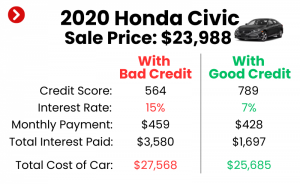
Comparing multiple offers allows you to identify the most competitive interest rates and terms. Even a half-percent difference in interest can save you hundreds, if not thousands, of dollars over the life of the loan. Remember, when getting pre-approvals, do so within the "shopping window" to minimize credit score impact.
Understanding Your Credit Score
Your credit score is the single most important factor determining your interest rate. A higher score (generally 700+) typically qualifies you for the lowest rates. If your score isn’t where you’d like it to be, take steps to improve it before applying for a loan.
- Pay bills on time.
- Reduce existing debt.
- Keep old accounts open.
For a deeper dive into improving your financial standing, check out our article on How to Improve Your Credit Score Before Applying for a Loan (Internal Link 1).
Beyond the Interest Rate: Hidden Costs
While the interest rate is critical, it’s not the only factor to consider. Look at the entire loan package:
- Loan Term: A longer term means lower monthly payments but more interest paid over time.
- Fees: Watch out for origination fees, documentation fees, or prepayment penalties.
- Insurance: Ensure you factor in the cost of car insurance, which can vary significantly based on the vehicle.
Always read the fine print before signing any loan agreement.
Navigating Dealership Finance Departments
Having a pre-approved loan in hand gives you immense power at the dealership. You’re no longer just a potential sale; you’re a buyer with secured financing.
- Focus on Vehicle Price: Use your pre-approval to negotiate the vehicle’s price as if you’re paying cash. Don’t let them muddy the waters by combining the car price with financing discussions.
- Compare Their Offer: The dealership’s finance department might try to beat your pre-approved rate. This is a good thing! Let them try, but always compare their final offer against your existing pre-approval. Sometimes they can find a better deal, but often, your pre-approval will be more competitive.
- Beware of Add-ons: Dealerships often push extended warranties, GAP insurance, or other add-ons. Consider if you truly need these and remember you can often purchase them separately, sometimes for less, or decline them entirely.
The Road Ahead: Your Confident Car Purchase
Navigating the world of car loans doesn’t have to be daunting. By understanding the fundamental differences between prequalification and pre-approval, you arm yourself with invaluable knowledge. Prequalification offers a no-risk peek into your borrowing potential, setting a preliminary budget. Pre-approval, on the other hand, provides a concrete loan offer, turning you into a powerful "cash buyer" at the dealership.
This knowledge isn’t just about saving money; it’s about making informed decisions, reducing stress, and ensuring you get a fair deal. You are now equipped to approach your next car purchase with clarity and confidence. Take control of your car buying journey! For more helpful tips on understanding car financing, explore our article Decoding Car Loan Jargon: A Buyer’s Glossary (Internal Link 2).
To further your understanding of smart car buying, consider reviewing resources from trusted external sources, such as the Consumer Financial Protection Bureau (CFPB) which offers valuable insights on auto loan shopping and consumer rights. (External Link: https://www.consumerfinance.gov/consumer-tools/auto-loans/)
Conclusion
The distinction between prequalifying and getting pre-approved for a car loan is more than just semantics; it’s a strategic advantage. One is a casual inquiry, the other a serious offer. By leveraging both steps appropriately, you transform from a hopeful shopper into an empowered buyer. You’ll save time, reduce stress, and most importantly, secure the best possible financing for your new vehicle. Drive away with not just a great car, but a great deal too!