Rev Up Your Financial Freedom: The Ultimate Guide to Paying Off Your Car Loan Early
Rev Up Your Financial Freedom: The Ultimate Guide to Paying Off Your Car Loan Early Carloan.Guidemechanic.com
The open road beckons, and your car is your loyal companion on life’s journeys. But for many, the joy of driving is often tempered by the weight of a monthly car loan payment. Imagine a world where that payment vanishes, freeing up hundreds of dollars in your budget every month. Sounds appealing, doesn’t it?
Paying off your car loan early isn’t just a dream; it’s a powerful financial strategy that can accelerate your path to true financial freedom. As an expert in personal finance and debt reduction, I’ve seen firsthand the transformative impact of eliminating this common debt. This comprehensive guide will equip you with proven strategies, critical insights, and actionable steps to help you conquer your car loan faster, save money, and achieve significant peace of mind.
Rev Up Your Financial Freedom: The Ultimate Guide to Paying Off Your Car Loan Early
Let’s dive in and discover how you can take control of your vehicle financing, starting today.
Why Pay Off Your Car Loan Early? The Undeniable Benefits
Before we delve into the "how," let’s explore the compelling reasons why paying off your car loan ahead of schedule is a smart financial move. Understanding these benefits can be a powerful motivator.
1. Save a Significant Amount on Interest
This is often the most tangible and immediate benefit. Car loans, like most forms of debt, accrue interest over time. The longer you take to repay the principal, the more interest you’ll ultimately pay. By accelerating your payments, you reduce the principal balance more quickly, which in turn reduces the total interest charged over the life of the loan.
Consider a typical car loan: even a seemingly small interest rate can add up to thousands of dollars over a 5-7 year term. Eliminating the loan sooner means those interest savings stay right where they belong – in your pocket. This extra cash can then be redirected towards other financial goals, like investing or tackling higher-interest debt.
2. Achieve True Financial Freedom Sooner
Debt can feel like a heavy chain, limiting your choices and creating stress. Each monthly payment represents a portion of your income that is already allocated, rather than being available for saving, investing, or discretionary spending. Eliminating your car loan payment liberates a significant chunk of your monthly budget.
This newfound financial flexibility allows you to breathe easier and pursue other aspirations. Perhaps you want to save for a down payment on a home, fund a child’s education, or build a robust emergency fund. Removing a car payment obstacle brings these goals much closer.
3. Improve Your Debt-to-Income (DTI) Ratio
Your debt-to-income (DTI) ratio is a crucial metric lenders use to assess your borrowing capacity. It’s calculated by dividing your total monthly debt payments by your gross monthly income. A lower DTI ratio indicates less financial risk to lenders.
By eliminating your car loan, you directly reduce your total monthly debt payments, thereby improving your DTI ratio. This can be incredibly beneficial when you apply for other forms of credit in the future, such as a mortgage, potentially allowing you to qualify for better terms and larger loan amounts. It shows you’re a responsible borrower who can manage debt effectively.
4. Boost Your Credit Score (Indirectly)
While paying off a loan directly doesn’t instantly skyrocket your credit score, it contributes positively in several ways. Primarily, it improves your credit utilization, especially if the car loan was one of your larger outstanding debts. A lower overall debt burden is viewed favorably by credit bureaus.
Furthermore, a completed loan account shows a history of successful repayment, which is a strong positive factor in your credit report. This demonstrates reliability and a commitment to fulfilling your financial obligations, strengthening your overall credit profile over time.
5. Gain Peace of Mind and Reduce Stress
This benefit is often overlooked but is incredibly powerful. The psychological burden of debt can be substantial, leading to anxiety and stress. Knowing that you own your car outright, free and clear, provides an unparalleled sense of security and accomplishment.
You no longer have to worry about a monthly payment, the risk of repossession, or the impact of unforeseen financial setbacks on your ability to make payments. This peace of mind allows you to focus your energy on other aspects of your life, both personal and financial. It’s a profound shift in your financial mindset.
Before You Start: A Crucial Checklist
Before you enthusiastically dive into making extra payments, it’s essential to lay some groundwork. A little preparation now can prevent potential headaches later and ensure your strategy is sound.
1. Review Your Loan Agreement for Prepayment Penalties
This is a critical first step. While most modern car loans do not have prepayment penalties, some older loans or specific lenders might include clauses that charge a fee for paying off your loan ahead of schedule. Such penalties are designed to compensate the lender for the interest they lose when you pay early.
Carefully read your original loan documents or contact your lender directly to confirm if any prepayment penalties apply. If there are penalties, calculate if the penalty outweighs the interest savings. In most cases, the savings still make early repayment worthwhile, but it’s crucial to be informed.
2. Assess Your Overall Financial Health: Emergency Fund First!
Based on my experience as a financial coach, one of the common mistakes people make is aggressively paying off debt without a solid financial foundation. Before you direct every spare dollar towards your car loan, ensure you have a fully funded emergency fund. This fund should ideally cover 3-6 months of essential living expenses.
An emergency fund acts as your financial safety net, protecting you from unexpected expenses like job loss, medical emergencies, or home repairs. Without it, you might find yourself needing to take on new debt (potentially high-interest credit card debt) if an unforeseen event occurs, negating the benefits of paying off your car loan. Secure your foundation first.
3. Understand Your Budget Inside and Out
To effectively accelerate your car loan payoff, you need a clear picture of your income and expenses. This means creating and consistently tracking a detailed budget. Identify where your money is going each month and look for areas where you can cut back.
Pro tips from us: a budget isn’t about restriction; it’s about intentional spending. By understanding your cash flow, you can identify "found money" that can be redirected towards your car loan principal. Tools like spreadsheets, budgeting apps, or even pen and paper can help you gain this vital clarity. .
Proven Strategies to Accelerate Your Car Loan Payoff
Once your foundation is solid and you’re ready to act, here are the most effective strategies to help you eliminate your car loan sooner. These aren’t just theoretical; they’re actionable steps that have helped countless individuals become debt-free.
1. Make Extra Payments Regularly
This is arguably the simplest and most effective strategy. Any amount you pay over your minimum monthly payment goes directly towards reducing your principal balance, assuming your lender applies it correctly (more on this later).
- Adding a Little Extra Each Month: Even an additional $25, $50, or $100 per month can significantly shorten your loan term and save you hundreds in interest. Calculate how much extra you can comfortably afford and commit to it.
- Making One Extra Full Payment Per Year: If a small monthly increase feels difficult, try to make one extra full car payment each year. You can achieve this by dividing your regular monthly payment by 12 and adding that amount to each of your monthly payments. For example, if your payment is $400, add an extra $33.33 each month. At the end of 12 months, you’ll have made an extra full payment.
- Pro Tip: Bi-Weekly Payments: Instead of making one full payment monthly, divide your monthly payment by two and make that payment every two weeks. Since there are 52 weeks in a year, you’ll end up making 26 half-payments, which equates to 13 full monthly payments instead of 12. This subtle shift can shave months or even years off your loan.
2. Refinance Your Car Loan for Better Terms
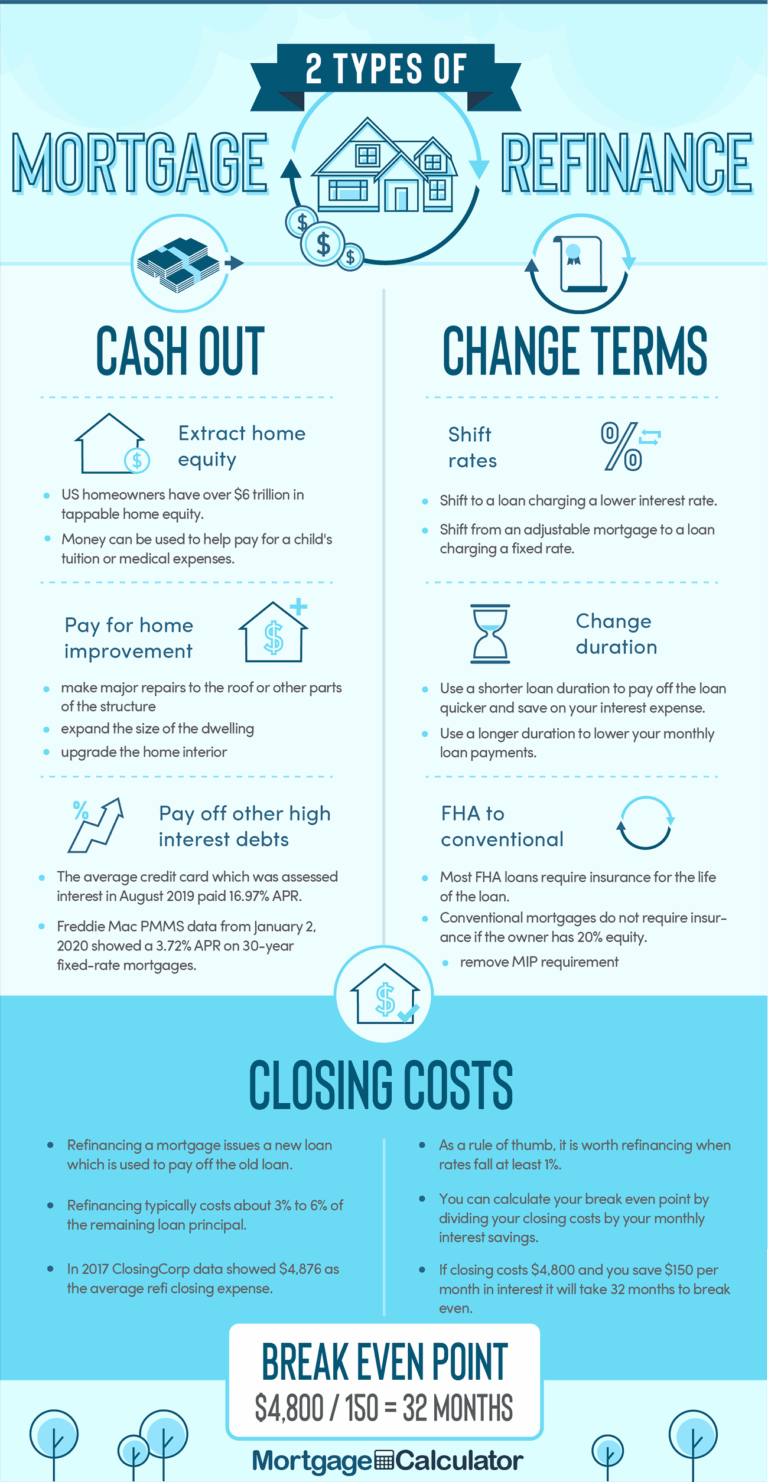
Refinancing involves taking out a new loan to pay off your existing car loan. This strategy is particularly effective if you can secure a lower interest rate or a shorter loan term.
- When it Makes Sense: If your credit score has significantly improved since you first took out the loan, or if interest rates have dropped, you might qualify for a much better rate. A lower interest rate means more of your payment goes towards the principal, saving you money. You could also choose a shorter loan term with the new loan, which will increase your monthly payment but drastically reduce the total interest paid and accelerate your payoff.
- When it Doesn’t Make Sense: Be wary of refinancing into a longer loan term, even if it offers a lower monthly payment. While it might seem appealing in the short term, extending the repayment period will almost always result in paying more interest overall. Only refinance if it genuinely improves your financial situation by reducing interest or shortening the term without undue financial strain.
3. Utilize Lump-Sum Payments
Did you receive a bonus at work, a tax refund, an inheritance, or a significant financial gift? These windfalls present an excellent opportunity to make a substantial dent in your car loan. Applying a lump sum directly to the principal can dramatically reduce your outstanding balance.
Even smaller windfalls, like birthday money or earnings from selling unused items, can be pooled together for a mini lump-sum payment. Every dollar applied to the principal now saves you future interest payments. This strategy requires discipline, as it’s tempting to spend windfalls on immediate gratification, but the long-term benefits are far greater.
4. Employ the Debt Snowball or Debt Avalanche Method
If your car loan is just one piece of a larger debt puzzle, these popular debt repayment strategies can be incredibly effective.
- Debt Snowball: With this method, you list all your debts from the smallest balance to the largest, regardless of interest rate. You make minimum payments on all debts except the smallest one, on which you throw every extra dollar you have. Once the smallest debt is paid off, you take the money you were paying on it and add it to the payment for the next smallest debt. This creates a "snowball" effect, building momentum and motivation. If your car loan is one of your smaller debts, this can be a very powerful psychological strategy.
- Debt Avalanche: This method focuses on efficiency. You list all your debts from the highest interest rate to the lowest. You make minimum payments on all debts except the one with the highest interest rate, on which you pay as much extra as possible. Once that debt is paid off, you move to the next highest interest rate. This method saves you the most money on interest over time. If your car loan has a relatively high interest rate compared to your other debts, the debt avalanche might be your best bet.
5. Generate Extra Income or Cut Expenses
Sometimes, the simplest way to accelerate debt repayment is to find more money to throw at it.
- Boost Your Income: Consider taking on a side hustle, selling items you no longer need (e.g., clothes, electronics, furniture), or even asking for a raise at your current job. Every additional dollar you earn can be directly applied to your car loan principal.
- Slash Your Expenses: Go through your budget with a fine-tooth comb. Are there subscriptions you can cancel? Can you reduce your dining out frequency? Can you find cheaper alternatives for groceries or entertainment? Even small, consistent cuts can free up significant funds over time. .
Common Mistakes to Avoid When Paying Off Your Car Loan
While the goal is noble, certain pitfalls can derail your efforts or even put you in a worse financial position. Being aware of these common mistakes can help you navigate your repayment journey successfully.
1. Ignoring Prepayment Penalties
As mentioned earlier, failing to check for prepayment penalties can negate some or all of your interest savings. Always confirm this with your lender before making significant extra payments. If a penalty exists, factor it into your calculations to determine if early repayment is still the most advantageous path.
It’s a simple check that can save you a lot of frustration and ensure your efforts are truly beneficial. Never assume your loan is penalty-free; always verify.
2. Neglecting Your Emergency Fund
This bears repeating because it’s so crucial. While paying off debt is a priority, a robust emergency fund should come first. If you drain your savings to pay off your car loan and then face an unexpected expense, you’ll likely resort to high-interest credit cards or personal loans, creating a new debt cycle.
Your emergency fund provides financial resilience. Think of it as your financial insurance policy. Build it, maintain it, and then aggressively attack your car loan.
3. Prioritizing Car Debt Over High-Interest Debt
From a purely mathematical standpoint, it almost always makes sense to prioritize debts with the highest interest rates first. Credit card debt, for example, often carries much higher interest rates (15-25% or more) than a typical car loan (3-8%).
If you have high-interest credit card debt, tackle that first using either the debt avalanche or debt snowball method. The interest savings from eliminating credit card debt will likely be far greater than those from an equivalent car loan payment. Once the high-interest debt is gone, then focus your energy on your car loan.
4. Not Confirming Extra Payments Go to Principal
This is a critical operational detail. When you make an extra payment, always specify to your lender that the additional amount should be applied directly to the principal balance, not towards future payments or accrued interest. If you don’t specify, some lenders might simply "advance" your due date, meaning your next payment isn’t due for a longer period, but you won’t save as much on interest.
Pro tips from us: contact your lender to understand their process for applying extra payments. Some online portals have an option to direct funds to principal. If not, call them or send a written instruction with your payment. Always double-check your next statement to ensure the payment was applied correctly.
The Psychological Victory: Beyond the Numbers
While the financial benefits of paying off your car loan early are substantial, the psychological impact is equally profound. It’s not just about saving money; it’s about shifting your entire financial mindset.
Imagine the feeling of knowing that your car is truly yours. There’s no lienholder, no monthly obligation, and no risk of repossession. This sense of ownership and independence is incredibly empowering. It frees up mental space that was once occupied by worry or obligation.
Based on my experience, achieving this milestone often sparks a ripple effect, motivating individuals to tackle other debts and accelerate their journey towards broader financial independence. It’s a significant win that builds confidence and momentum for future financial successes.
What Happens After Your Car Loan is Paid Off?
Congratulations! You’ve made your final payment. Now what? There are a few important steps to complete the process and fully enjoy your debt-free status.
1. Get Your Car Title
Once your loan is fully paid, your lender will release the lien on your vehicle. They will typically send you the car’s title, either physically or electronically, indicating that you are now the sole owner without any encumbrances. This usually happens within a few weeks of the final payment. Keep this document in a safe place, as it’s essential proof of ownership.
If you don’t receive your title promptly, contact your lender to inquire about its status. You may need to visit your local Department of Motor Vehicles (DMV) or equivalent agency to have the lien officially removed from your vehicle’s record.
2. Update Your Insurance
With no lender to satisfy, you now have more flexibility with your car insurance. While maintaining comprehensive coverage is always a good idea for your protection, you might consider adjusting your coverage levels or deductibles, especially if your car is older.
Discuss your options with your insurance provider. You might find opportunities to save on your premiums, though it’s important to balance savings with adequate protection against accidents or theft.
3. Reallocate Your Freed-Up Funds
This is where the real fun begins! You now have an extra car payment’s worth of money each month. Don’t let it disappear into general spending. Be intentional about how you reallocate these funds.
Consider boosting your emergency fund, increasing contributions to your retirement accounts, saving for a down payment on a home, or tackling other remaining debts. This disciplined reallocation is the key to leveraging your car loan payoff into further financial progress.
Drive Towards a Debt-Free Future
Paying off your car loan early is more than just a financial maneuver; it’s a strategic move towards a more secure and less stressful financial future. By understanding the profound benefits, preparing effectively, and implementing proven strategies, you can accelerate your journey to car ownership freedom.
Remember, every extra dollar you put towards your principal is a dollar saved on interest and a step closer to financial independence. Take control, stay disciplined, and enjoy the incredible feeling of owning your vehicle outright. Your future self will thank you for it. Start today, and drive towards a debt-free tomorrow!