Rolling Over Your Car Loan: How Much Debt Can You Really Carry Into Your Next Vehicle?
Rolling Over Your Car Loan: How Much Debt Can You Really Carry Into Your Next Vehicle? Carloan.Guidemechanic.com
The allure of a new car is undeniable – that fresh scent, the latest tech, the promise of reliable journeys. But what happens when you’re still paying off your current vehicle, and it’s worth less than what you owe? This common scenario, known as being "upside down" or having "negative equity," often leads car buyers down a path many regret: rolling over their existing car loan into a new one.
As an expert in automotive finance and a seasoned blogger, I’ve seen firsthand the financial tightropes people walk when trying to upgrade their ride. The big question isn’t just if you can roll over a car loan, but how much can you roll over on a car loan without sinking your financial future? This comprehensive guide will dissect the mechanics, the hidden costs, and the smarter alternatives to ensure you make an informed decision.
Rolling Over Your Car Loan: How Much Debt Can You Really Carry Into Your Next Vehicle?
What Exactly is Rolling Over a Car Loan?
Before we delve into the "how much," let’s clarify the core concept. Rolling over a car loan simply means taking the outstanding balance of your current car loan and adding it to the financing for your new vehicle. It’s a way for dealerships and lenders to help you get out of your old car, even if you owe more on it than it’s worth.
This practice primarily comes into play when you have negative equity. Negative equity occurs when the market value of your car is less than the remaining balance on your auto loan. For example, if you owe $15,000 on a car that a dealership offers you $12,000 for as a trade-in, you have $3,000 in negative equity. When you roll over this debt, that $3,000 is tacked onto the price of your new car, increasing your new loan amount significantly.
Many people find themselves in this situation due to rapid depreciation of new vehicles, long loan terms, or making a minimal down payment. Based on my experience, it’s a financial trap that can quickly compound if not understood properly. While it offers an immediate solution to getting a new car, the long-term implications can be severe.
The "How Much": Factors Determining the Rollover Amount
The amount of negative equity you can roll over isn’t a fixed figure. It’s a dynamic calculation influenced by several key factors. Understanding these elements is crucial to knowing your limits and making a responsible financial choice.
Your Current Car’s Negative Equity: The Primary Driver
The most direct factor is the difference between what you owe on your current vehicle and its actual market value. This is the negative equity that needs to be absorbed.
- Market Value: This isn’t just what you think your car is worth. It’s what a dealership is willing to offer as a trade-in, or what it could realistically sell for in the private market. Factors like mileage, condition, maintenance history, and current demand for that specific make and model all play a role. You can get a good estimate from reputable sources like Kelley Blue Book (KBB) or Edmunds.
- Loan Balance: This is the exact amount you still owe your lender. You can usually find this on your monthly statement or by calling your loan provider directly.
Pro Tip from us: Always calculate your negative equity before stepping foot in a dealership. This empowers you to negotiate better and understand the true cost of your trade-in. If you owe $20,000 but your car is only worth $15,000, you have $5,000 in negative equity that needs to go somewhere.
Lender’s Policies and Risk Tolerance
Not all lenders are created equal, and their willingness to finance negative equity varies significantly. Banks, credit unions, and captive finance companies (like Ford Credit or Toyota Financial Services) each have their own guidelines.
- Loan-to-Value (LTV) Ratio: This is the most critical metric. Lenders typically have a maximum LTV ratio they will approve for a car loan, often around 110% to 125% of the new vehicle’s value. If you’re buying a $30,000 car and have $5,000 in negative equity to roll over, your new loan would be $35,000. This results in an LTV of approximately 116.7% ($35,000 / $30,000). If the lender’s maximum LTV is 115%, you’d be over their limit.
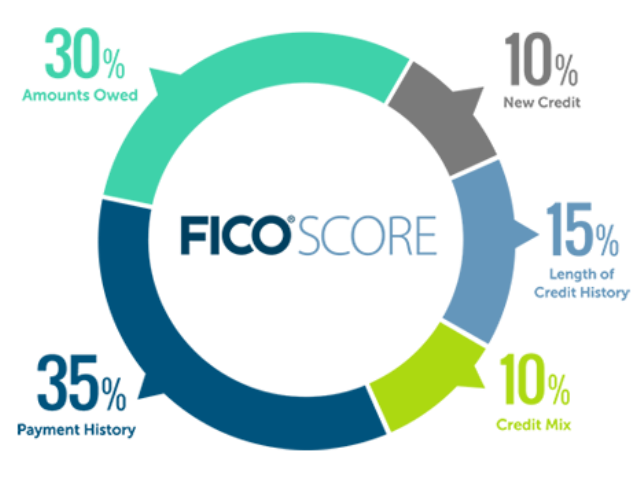
- Credit Score: Your creditworthiness plays a huge role. Borrowers with excellent credit scores (700+) are generally viewed as lower risk and may be approved for higher LTVs or larger rollover amounts. Those with lower scores might find lenders unwilling to take on additional risk, severely limiting their options.
- New Car’s Value and Type: Lenders are often more comfortable rolling over negative equity into a new, higher-value car. A new car generally has a higher perceived value and a longer lifespan, making it a more secure asset for the loan. Rolling over a substantial amount into a much cheaper, older used car can be a red flag for lenders due to the rapid depreciation and lower collateral value.
New Car’s Value and Loan Amount
The cost of the new car you choose directly impacts how much negative equity can be absorbed. A more expensive vehicle provides more "room" within the lender’s LTV limits.
For instance, if you have $5,000 in negative equity and are buying a $20,000 car, your total loan amount is $25,000, resulting in an LTV of 125%. If you were to buy a $40,000 car instead, that $5,000 negative equity would result in a $45,000 loan, giving you an LTV of 112.5% – a much more palatable figure for many lenders. This is why salespeople often push for more expensive models when they know you have negative equity.
Your Creditworthiness and Down Payment
As mentioned, your credit score is paramount. A strong credit history not only increases your chances of approval but also secures you a lower interest rate, which can make a rolled-over loan slightly more manageable.
Additionally, making a down payment on the new vehicle can significantly reduce the amount of negative equity you need to roll over, or at least bring your LTV ratio back into acceptable limits. If you have $3,000 in negative equity and put down $2,000 cash on your new car, you’ve effectively reduced the rollover amount to just $1,000. This demonstrates financial responsibility and reduces the lender’s risk.
The Mechanics of Rolling Over: A Step-by-Step Guide
Understanding the factors is one thing; navigating the actual process is another. Here’s how rolling over a car loan typically works:
- Determine Your Negative Equity: Before you even think about a new car, get an accurate trade-in value for your current vehicle from multiple sources (KBB, Edmunds, dealership appraisal). Then, find your exact loan payoff amount. The difference is your negative equity.
- Shop for a New Car: With your negative equity figure in mind, begin looking for a new vehicle. Remember, a more expensive car can sometimes make it easier to stay within LTV limits, but it also increases your total debt.
- Negotiate Your Trade-In: Be prepared to negotiate the trade-in value. Dealerships often offer less than private sale value. Understand that any shortfall between their offer and your loan balance is the negative equity you’ll roll over.
- Secure New Financing: This is where the rollover happens. The lender will combine the new car’s price (minus any down payment) with your negative equity from the old car. This total becomes your new principal loan amount.
- Understand the New Loan Terms: Scrutinize the loan documents. Pay close attention to the total loan amount, the interest rate, the loan term (length), and your new monthly payment. Ensure all the numbers add up and you understand exactly what you’re agreeing to.
Common mistakes to avoid are rushing through this process and not thoroughly reviewing the final loan agreement. Many buyers get caught up in the excitement of a new car and overlook the detailed financial implications.
The Hidden Costs and Long-Term Implications
While rolling over negative equity can seem like a convenient way to get a new car, it often comes with significant hidden costs and long-term financial drawbacks. Based on my experience, this is where most people underestimate the true impact.
Increased Loan Amount
This is the most obvious consequence. By adding your old debt to your new car loan, you immediately start with a higher principal balance. If you’re financing a $30,000 car and roll over $5,000 in negative equity, your new loan starts at $35,000. This means you’re paying interest on a larger sum from day one.
Higher Monthly Payments (or Longer Loan Terms)
A larger loan amount almost always translates to higher monthly payments. To keep payments manageable, dealerships and lenders might extend the loan term to 72 or even 84 months. While this reduces the monthly outlay, it stretches out your debt and exposes you to more interest over time.
More Interest Paid Over Time
This is where the financial pain truly compounds. A larger principal combined with a longer loan term means you’ll pay significantly more in interest over the life of the loan. That $5,000 in rolled-over negative equity could easily cost you an extra $1,000-$2,000 (or more) in interest by the time the loan is paid off. You’re essentially paying interest on a debt that no longer represents a physical asset you own.
Extended Negative Equity Cycle
Rolling over negative equity often creates a vicious cycle. Because you start with a higher loan-to-value ratio, it takes longer to build positive equity in your new car. Rapid depreciation of the new vehicle means you’re likely to be upside down again for a significant portion, if not all, of your new loan term. This makes it incredibly difficult to trade in or sell the car without encountering the same problem in the future.
Higher Insurance Costs
A higher-value car (which includes the rolled-over debt) often requires more comprehensive insurance coverage to protect the lender’s interest. This can lead to increased monthly insurance premiums, adding another layer to your transportation expenses.
Pro Tip: Always focus on the total cost of ownership, not just the monthly payment. A lower monthly payment over a longer term can hide a much higher overall expense due to interest.
When Rolling Over Might Be Considered (Rare Scenarios)
While generally ill-advised, there are very specific, rare circumstances where rolling over a small amount of negative equity might be a necessary evil.
- Desperate Need for a More Reliable Vehicle: If your current car is a safety hazard, constantly breaking down, or costing more in repairs than it’s worth, and you have no other options for transportation or a down payment, rolling over a small amount might be the only immediate solution. This should be a last resort, not a convenience.
- Significant Improvement in Financial Situation: If you anticipate a substantial raise, bonus, or other lump sum income in the very near future that you can immediately use to aggressively pay down the new loan’s principal, then the risk might be mitigated. However, this requires a firm financial plan and discipline.
- Very Small Negative Equity: If you’re only upside down by a few hundred dollars, the impact on your new loan might be negligible. In such a case, the convenience might outweigh the minimal financial penalty, especially if you get a great deal on the new vehicle.
Common mistakes to avoid are: assuming your financial situation will improve without a concrete plan, or underestimating how quickly even a small amount of rolled-over debt can grow with interest.
Alternatives to Rolling Over Negative Equity
Fortunately, you’re not stuck with rolling over debt as your only option. There are several financially savvier alternatives that can help you get into a new car without digging a deeper hole.
- Pay Down the Difference: The most straightforward solution is to simply pay the difference between your car’s trade-in value and your loan balance out of pocket. If you owe $15,000 and your car is worth $12,000, paying that $3,000 upfront means you start your new car loan with zero negative equity.
- Sell Your Car Privately: Often, you can get a better price for your car by selling it privately rather than trading it in at a dealership. This can significantly reduce or even eliminate your negative equity. While it requires more effort, the financial reward can be substantial.
- Wait and Build Equity: If your car is still reliable, waiting a few more months or a year to pay down your current loan can make a big difference. Every payment reduces your principal, bringing you closer to positive equity. This is often the most financially responsible approach.
- Refinance Your Current Loan: If your credit score has improved since you first financed your car, or if interest rates have dropped, you might be able to refinance your current loan for a lower interest rate or a shorter term. This can help you pay down the principal faster and reduce your negative equity more quickly. For more insights on improving your credit score before applying for a loan, check out our comprehensive guide on .
- Negotiate Harder on the New Car Price: If you can negotiate a lower price on the new vehicle, it effectively creates more "room" to absorb negative equity without exceeding LTV limits or drastically increasing your total loan amount. Every dollar saved on the new car is a dollar less you need to finance.
- Choose a Less Expensive New Car: If you have significant negative equity, consider downgrading your expectations for the new vehicle. A less expensive car will require a smaller loan, making it easier to manage the rolled-over debt or to pay it off quicker.
Pro Tips for Smart Car Financing (E-E-A-T Section)
Based on my extensive experience in automotive finance, here are some crucial tips to help you navigate car purchases and avoid the negative equity trap:
- Always Calculate Your Negative Equity First: Knowledge is power. Know exactly where you stand financially before you even consider a new car.
- Understand Loan-to-Value (LTV) Ratios: This is a key metric for lenders. Aim to keep your LTV as low as possible, ideally below 100%, to avoid being upside down.
- Focus on the Total Cost, Not Just the Monthly Payment: A low monthly payment can hide a very expensive loan due to a high interest rate or a long loan term. Always ask for the total amount you will pay over the life of the loan.
- Shop for Financing Before Shopping for a Car: Get pre-approved for a loan from your bank or credit union before visiting a dealership. This gives you a baseline for comparison and strengthens your negotiating position.
- Prioritize Paying Off High-Interest Debt: If you have other high-interest debts (like credit card balances), addressing those first can free up more cash for a down payment or to pay down your car loan faster.
- Make a Substantial Down Payment: Aim for at least 10-20% of the vehicle’s purchase price. This immediately builds equity and reduces your chances of going upside down early in the loan term.
- Consider Shorter Loan Terms: While monthly payments will be higher, a 36- or 48-month loan term will save you a tremendous amount in interest over the life of the loan and help you build equity faster.
- Maintain Your Vehicle: A well-maintained car retains its value better, which can reduce your negative equity down the line. To learn more about strategies for increasing your car’s trade-in value, read our article: .
- Read the Fine Print: Never sign a loan agreement without thoroughly reading and understanding every clause. Ask questions if anything is unclear.
For more reliable financial advice and tools to help you budget for a car purchase, consider exploring resources from trusted external sources like the Consumer Financial Protection Bureau (CFPB) at consumerfinance.gov.
Conclusion
The question of how much can you roll over on a car loan isn’t just about a number; it’s about understanding the long-term financial implications of that decision. While it might seem like an easy way to get into a new vehicle, rolling over negative equity often leads to a cycle of debt, higher interest payments, and extended periods of being "upside down."
As an expert, I strongly advise exploring all alternatives before resorting to rolling over debt. By taking proactive steps like paying down the difference, selling privately, or simply waiting, you can avoid unnecessary financial strain and make a smarter, more sustainable car purchase. Your financial health is paramount, and making informed decisions about car loans is a significant step toward achieving it. Drive away with confidence, not with crippling debt!