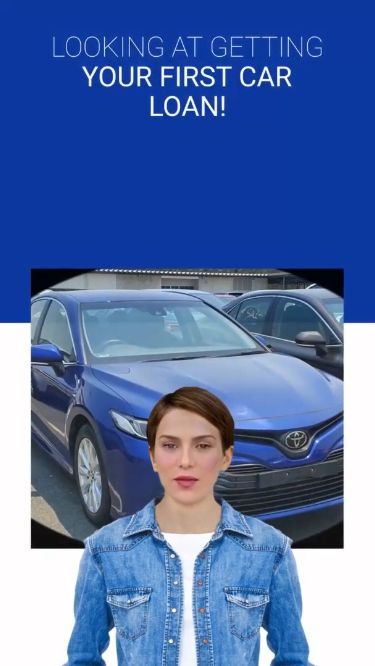
Selling Your Car with an Existing Loan: The Ultimate Guide to a Smooth and Profitable Transaction
Selling Your Car with an Existing Loan: The Ultimate Guide to a Smooth and Profitable Transaction Carloan.Guidemechanic.com
Are you looking to sell your car, but still have an outstanding loan balance? This is a surprisingly common situation, and the good news is, it’s absolutely possible! Many people believe they are stuck with their vehicle until the loan is fully paid off, but that’s not the case. While selling a car with a loan on it requires a bit more understanding and a few extra steps compared to selling a car outright, it’s a process you can navigate successfully with the right information.
As expert bloggers and professional SEO content writers, our mission is to provide you with a super comprehensive, in-depth guide that demystifies this process. We’ll walk you through every critical detail, from understanding your financial standing to handling the paperwork and avoiding common pitfalls. Our ultimate goal is to equip you with the knowledge to make an informed decision and achieve a smooth, stress-free transaction, whether you’re aiming for a private sale, a trade-in, or selling to a car-buying service.
Selling Your Car with an Existing Loan: The Ultimate Guide to a Smooth and Profitable Transaction
Understanding Your Car’s Financial Status: The Foundation of Your Sale
Before you even think about putting a "for sale" sign on your window, the first and most crucial step is to fully understand your current financial situation regarding the vehicle. This knowledge forms the bedrock of a successful sale and will dictate your available options. Don’t skip this part; it’s the key to avoiding surprises later on.
What is a Car Loan, and Who is the Lienholder?
When you finance a car, you typically take out a loan from a bank, credit union, or another financial institution. This institution, known as the "lienholder," holds a legal claim or "lien" on your vehicle until the loan is fully repaid. In most states, the lienholder’s name appears on your car’s title, indicating their ownership interest.
This means that while you possess and drive the car, you don’t actually hold the clear title. The title remains with the lienholder, or the lien is noted on a digital title, until the loan balance reaches zero. Understanding this relationship is vital, as the lienholder must release their claim before the car can be legally transferred to a new owner.
Finding Your Exact Loan Payoff Amount
One of the most common mistakes sellers make is confusing their current outstanding balance with the actual loan payoff amount. Your online banking portal or monthly statement might show a "current balance," but this figure doesn’t account for interest that accrues daily. The true payoff amount includes all principal and accrued interest up to a specific future date, typically 7-10 days out.
To get an accurate payoff quote, you must contact your lender directly. Request a "10-day payoff quote" or a "payoff letter" that specifies the exact amount required to close the loan on a particular date. This quote is essential because it locks in the amount you need to pay, preventing any last-minute discrepancies due to daily interest accumulation. Based on my experience, this is the most critical first step; without it, you’re essentially flying blind.
Positive Equity vs. Negative Equity: Knowing Your Car’s Value
Once you have your exact payoff amount, the next step is to determine your car’s market value. You can do this by checking reputable sources like Kelley Blue Book (KBB.com), Edmunds, or NADA Guides. Input your car’s year, make, model, trim, mileage, and condition to get an estimated private party sale value and trade-in value.
Now, compare your car’s estimated market value to your payoff amount. This comparison reveals whether you have "positive equity" or "negative equity." Positive equity means your car is worth more than what you owe on the loan, putting you in a favorable position. Negative equity, often called being "upside down" or "underwater," means you owe more than your car is currently worth. Understanding this distinction is crucial, as it directly impacts how you proceed with the sale and how much money you might need to bring to the table.
Methods for Selling Your Car with a Loan
You have several avenues when it comes to selling a car that still has an outstanding loan. Each method comes with its own set of advantages, disadvantages, and specific procedural steps. Choosing the right path depends on your priorities: do you want the highest possible sale price, or do you prioritize convenience and speed?
A. Selling to a Private Party
Selling your car directly to another individual often yields the highest sale price, allowing you to maximize your positive equity or minimize your negative equity. However, it also demands more effort and coordination on your part. This method requires careful handling of the loan payoff and title transfer to ensure a smooth and legal transaction.
Pros of a Private Sale:
- Higher Sale Price: You typically get more money than trading it in or selling to a dealership.
- More Control: You set the price, negotiate directly, and manage the marketing.
Cons of a Private Sale:
- More Complex Logistics: Handling the loan payoff and title transfer yourself can be intricate.
- Time-Consuming: Marketing, showing the car, and negotiating takes time and effort.
- Buyer Financing: Buyers might need their own financing, which can add complexity.
Step-by-Step Process for a Private Sale:
- Obtain Your Payoff Quote: As discussed, get an exact 10-day payoff amount from your lienholder.
- Market Your Car Honestly: List your car for sale, disclosing that it has a lien. Use high-quality photos and provide a detailed description of its condition. Be transparent about any known issues.
- Negotiate the Sale Price: Be prepared to negotiate. Once you agree on a price, ensure it’s enough to cover your payoff amount, especially if you have positive equity.
- Facilitate Payment and Pay Off the Loan: This is the most critical part. Pro tips from us: The safest way to handle this is to complete the transaction at your lienholder’s bank branch or your own bank.
- Option 1 (Buyer Pays You, Then You Pay Lender): The buyer pays you the full agreed-upon amount via a certified check or wire transfer. You immediately use these funds to pay off your loan at the bank. The bank can then often provide a lien release or start the process of sending one.
- Option 2 (Buyer Pays Lender Directly): The buyer writes two checks: one to your lienholder for the payoff amount and another to you for any positive equity. This is often the cleanest method.
- Option 3 (You Cover Negative Equity): If you have negative equity, you’ll need to pay the difference out of your own pocket at the time of sale to ensure the loan is fully satisfied.
- Secure Lien Release and Title Transfer: Once the loan is paid in full, your lienholder will send a lien release document and/or the physical title (if they held it) to you. This can take anywhere from a few days to a few weeks. You cannot legally transfer ownership to the buyer until you have this clear title in hand. Upon receiving it, you’ll sign it over to the buyer at the DMV or a notary, adhering to your state’s specific transfer requirements. Always make sure the buyer has proper proof of insurance and registration before they drive away.
B. Trading In at a Dealership
Trading your car in at a dealership is often the most straightforward and convenient option when you have a loan. Dealerships are accustomed to handling financed vehicles and can simplify the process significantly. This method is particularly popular if you’re planning to purchase another vehicle from the same dealership.
Pros of a Dealership Trade-In:
- Convenience: The dealership handles all the paperwork, including paying off your existing loan.
- Tax Savings: In many states, trading in your car reduces the taxable amount of your new vehicle purchase.
- Speed: The entire transaction can often be completed in a single day.
Cons of a Dealership Trade-In:
- Lower Offer Price: Dealerships typically offer less than what you might get in a private sale, as they need to recondition the car and make a profit.
Process for a Dealership Trade-In:
- Get Your Car Appraised: Visit the dealership and have them appraise your vehicle. They will assess its condition, mileage, and market demand to determine its trade-in value.
- Dealership Handles Payoff: If you accept their offer, the dealership will contact your lienholder, get the payoff amount, and pay off your existing loan directly.
- Equity Adjustment:
- Positive Equity: If the trade-in value is higher than your loan payoff, the positive equity will be applied as a down payment on your new car or, in some cases, paid out to you.
- Negative Equity: If you’re upside down, the dealership can often roll the negative equity into your new car loan. Be aware that this increases your new loan amount and overall interest paid. From my experience, while convenient, rolling negative equity should be approached with caution as it can perpetuate a cycle of being upside down on future vehicles.
C. Selling to a Car Buying Service (e.g., CarMax, Carvana, Vroom)
In recent years, dedicated online and physical car-buying services have emerged as another popular option. These services offer a middle ground between the complexity of a private sale and the potentially lower offers of a dealership trade-in. They prioritize speed and ease, making them an attractive choice for many sellers.
Pros of Car Buying Services:
- Speed and Simplicity: The process is usually very quick, often completed in a few days.
- No Haggling: You get a no-haggle offer, eliminating stressful negotiations.
- Convenience: Many offer online appraisals and even come to pick up your car.
Cons of Car Buying Services:
- Offers May Be Lower: While often better than a dealership trade-in, offers might still be lower than a top-dollar private sale.
Process for Selling to a Car Buying Service:
- Online Appraisal: You typically start by providing your car’s details online to get an initial offer.
- Vehicle Inspection: If you accept the preliminary offer, you’ll either take your car to one of their locations for a physical inspection or they might send a representative to you.
- Loan Payoff: Once the offer is finalized and accepted, the service will directly pay off your loan to your lienholder.
- Funds Transfer: Any remaining positive equity will be paid to you, usually via direct deposit or check, often within a day or two. If you have negative equity, you’ll need to pay the difference directly to them, usually through a certified check or debit card, before the transaction can be finalized.
Dealing with Equity Situations: What Happens Next?
Understanding your equity position is paramount, as it directly influences your options and the financial outcome of your sale. Whether you have positive or negative equity, there are specific steps you’ll need to take.
A. Positive Equity: The Ideal Scenario
Positive equity means your car’s current market value is greater than the outstanding balance on your loan. This is the best-case scenario for a seller, as it means you’ll walk away with money in your pocket after the loan is paid off.
How to Handle the Surplus Funds:
- Private Sale: After the buyer’s payment covers the loan, the remaining funds are yours to keep. You can use this money for a down payment on a new car, pay off other debts, or simply add it to your savings.
- Dealership Trade-In: The dealership will apply your positive equity towards your new car purchase, effectively reducing its price or serving as a down payment. In rare cases, if you’re not buying another car, they might cut you a check for the difference.
- Car Buying Service: These services will typically pay you the difference directly after they’ve paid off your lienholder.
B. Negative Equity: Navigating the Challenge
Negative equity, or being "upside down," means you owe more on your car loan than your vehicle is currently worth. This is a more challenging situation, but it’s not insurmountable. You cannot simply sell the car for less than you owe and walk away; the lienholder still needs to be paid in full.
Options for Dealing with Negative Equity:
- Pay the Difference Out of Pocket: This is the most straightforward solution. At the time of sale (whether private, trade-in, or car-buying service), you bring a certified check or make a direct payment for the amount of negative equity. This ensures the loan is fully satisfied, and the lienholder releases their claim. Common mistakes to avoid are ignoring negative equity and hoping it will resolve itself; it won’t, and it can complicate the sale significantly.
- Roll it Into a New Loan (Dealership Trade-In): If you’re trading in your car for a new one at a dealership, they might offer to roll your negative equity into the new car loan. This means the amount you owe on your old car is added to the financing of your new vehicle.
- Considerations: While convenient, this significantly increases the principal of your new loan, leading to higher monthly payments and potentially extending the loan term. It can also put you "upside down" on your new car from day one, making it harder to sell or trade in that vehicle in the future. Exercise caution and thoroughly evaluate if this is financially sustainable for you.
- Refinance Your Existing Loan: If you’re not in a rush to sell, you might consider refinancing your current car loan. If you can secure a lower interest rate or extend the loan term, it could reduce your monthly payments. This strategy gives you more time to pay down the principal and potentially build positive equity before selling. However, extending the term might mean paying more interest overall.
- Wait to Sell: Sometimes, the best option is to wait. Continue making payments, and as your loan balance decreases and the market value of your car stabilizes or even slightly increases (depending on age/condition), you might shift from negative to positive equity. This requires patience but can save you from having to pay out of pocket.
Essential Paperwork and Legalities for a Financed Car Sale
Successfully selling a car with an outstanding loan involves more than just finding a buyer and agreeing on a price. Proper documentation and adherence to legal requirements are crucial to protect both you and the buyer. Skipping these steps can lead to significant headaches down the road.
The Title and Lien Release
The car’s title is the legal document proving ownership. When you have a loan, your lienholder either holds the physical title or has their lien noted electronically. Once the loan is paid in full, the lienholder will issue a "lien release" document. This document officially states that their claim on the vehicle has been satisfied.
- Receiving the Clear Depending on your state, the lienholder will either send you the physical title with the lien removed, or they will notify your state’s Department of Motor Vehicles (DMV) to update their electronic records. You cannot legally transfer ownership to a new private buyer until you have a clear title in your possession or the lien is officially removed from the state’s records. This process can take several days to a few weeks, so factor this into your selling timeline.
Bill of Sale
A Bill of Sale is a legally binding document that details the terms of the transaction between the seller and the buyer. It should include:
- The full names and addresses of both seller and buyer.
- The date of sale.
- Vehicle information (Year, Make, Model, VIN, Odometer reading).
- The agreed-upon sale price.
- A statement that the vehicle is sold "as-is" (if applicable, which is common in private sales).
- Signatures of both parties.
This document protects both parties by providing a record of the transaction. Always make multiple copies and ensure both you and the buyer keep an original signed copy.
Loan Payoff Letter
While you’ll get a payoff quote initially, once the loan is fully paid, ensure you receive a "Paid in Full" letter or a formal loan payoff confirmation from your lienholder. This serves as undeniable proof that you no longer owe money on the vehicle. This document can be important for your records and if any discrepancies arise in the future regarding the lien release.
Odometer Disclosure Statement
Federal law requires sellers to disclose the vehicle’s accurate odometer reading at the time of sale. This is typically done on the title itself or on a separate odometer disclosure statement. Misrepresenting the mileage can lead to serious legal penalties.
State-Specific Requirements
Every state has its own specific rules and regulations regarding vehicle sales and title transfers. These can include:
- Sales Tax: Who is responsible for paying sales tax (usually the buyer).
- Registration: How soon the new owner must register the vehicle.
- Emissions Testing: Whether the car needs to pass an emissions test before title transfer.
- Notarization: Whether a Bill of Sale or title transfer needs to be notarized.
Before finalizing any sale, especially a private one, consult your state’s Department of Motor Vehicles (DMV) website or visit an office to understand all local requirements. This ensures you complete the process legally and avoid future complications. For general information on state resources, a trusted external source like USA.gov can provide links to specific state DMV sites.
Pro Tips for a Smooth and Successful Sale
Based on my experience, a little preparation and foresight can go a long way in making your financed car sale as smooth as possible. These tips can help you attract serious buyers, secure a fair price, and avoid common headaches.
- Detail and Maintain Your Car: A clean car that’s well-maintained always sells faster and for a better price. Get it professionally detailed, address any minor repairs (like burnt-out bulbs or small dents), and ensure all fluids are topped off. A well-presented vehicle conveys a sense of care to potential buyers. For more tips on preparing your car for sale, check out our comprehensive guide on .
- Get an Accurate Valuation: Don’t just guess your car’s worth. Use multiple reputable online tools like Kelley Blue Book, Edmunds, and NADA Guides to get a realistic price range. This helps you price competitively and confidently negotiate with buyers.
- Be Honest and Transparent: Disclose all known issues, service history, and the fact that there’s an outstanding loan. Transparency builds trust and helps prevent disputes after the sale.
- Safety First During Meetings: When meeting private buyers, choose a public, well-lit location. Bring a friend or family member along. For test drives, ask to see their driver’s license and consider riding along with them. Never let them take the car alone.
- Never Hand Over the Title Before Full Payment: This is a golden rule. The buyer does not get the clear title until you have received the full payment (including any negative equity you had to cover) and the lien has been officially released.
- Prepare All Documentation in Advance: Have your loan payoff letter, maintenance records, and any state-required forms ready. Being organized projects professionalism and reassures the buyer.
- Consider Pre-Sale Inspection: While not always necessary, a pre-sale inspection by a trusted mechanic can identify any issues and provide a report to potential buyers, building confidence. This can also inform your asking price. For guidance on assessing your car’s value, read our article on .
Common Pitfalls and How to Avoid Them
Even with the best intentions, sellers can sometimes fall into traps. Being aware of these common mistakes can save you time, money, and stress. From my experience, patience and thoroughness are your best allies in this process.
- Not Knowing Your Exact Payoff Amount: As emphasized earlier, relying on your current balance instead of an accurate payoff quote can lead to shortfalls at the time of sale. Always get a dated payoff letter from your lender.
- Selling Before Getting a Lien Release: Attempting to transfer ownership without the lienholder’s release is illegal and will complicate the sale immensely. The buyer won’t be able to register the car.
- Misrepresenting the Car’s Condition: Dishonesty about the vehicle’s history or current state can lead to legal action after the sale. Always be upfront about any damage, accidents, or mechanical issues.
- Ignoring State-Specific Regulations: Each state has unique rules for vehicle sales, title transfers, and taxes. Failing to follow these can result in fines, delays, or even invalidate the sale. Always check your local DMV requirements.
- Falling for Scams: Be wary of buyers offering to pay more than your asking price, requesting unusual payment methods (like gift cards), or asking for personal financial information. Stick to secure payment methods like cashier’s checks from reputable banks, wire transfers, or completing the transaction at your bank.
- Handing Over Keys/Title Without Full Payment: Never release control of the vehicle or its legal documents until you have confirmed receipt of the full, cleared funds.
Conclusion
Selling a car with an existing loan might seem like a daunting task at first, but with the right approach and a clear understanding of the process, it’s entirely manageable. By meticulously understanding your financial standing, choosing the right selling method for your needs, and diligently handling all the necessary paperwork, you can ensure a smooth and profitable transaction.
Remember, transparency, preparation, and patience are your best tools. Whether you choose a private sale to maximize your return, a dealership trade-in for convenience, or a car-buying service for speed, you now possess the expert insights to navigate the journey confidently. Don’t let an outstanding loan hold you back from your next vehicle or financial goal. With this comprehensive guide, you’re well-equipped to sell your financed car with ease and achieve a successful outcome.