Settling Car Loan Debt: Your Comprehensive Guide to Financial Freedom
Settling Car Loan Debt: Your Comprehensive Guide to Financial Freedom Carloan.Guidemechanic.com
Facing overwhelming car loan debt can feel like being trapped in a financial labyrinth. The stress of missed payments, the fear of repossession, and the constant worry about your credit score can be debilitating. Many individuals find themselves in this challenging situation due to unexpected job loss, medical emergencies, or other unforeseen financial hardships.
But here’s a crucial truth: you are not alone, and there are viable paths forward. One powerful strategy that can offer significant relief and a fresh start is settling car loan debt. This isn’t just about getting out of a tough spot; it’s about regaining control of your financial future.
Settling Car Loan Debt: Your Comprehensive Guide to Financial Freedom
In this comprehensive guide, we will delve deep into the world of car loan debt settlement. We’ll explore when it’s the right option, how to approach it strategically, the potential pitfalls to avoid, and what to expect afterward. Our goal is to equip you with the knowledge and confidence needed to navigate this complex process effectively and achieve financial freedom.
Understanding Car Loan Debt and the Road to Default
Before we discuss settling, it’s essential to understand the landscape of car loan debt, particularly what happens when payments become unmanageable. A car loan is a secured debt, meaning the vehicle itself serves as collateral. If you fail to make your agreed-upon payments, you risk defaulting on the loan.
What is a Car Loan Default?
Defaulting on a car loan typically occurs after a certain number of missed payments, as defined in your loan agreement. This period can vary, but it’s often after 30, 60, or 90 days of non-payment. Once you hit this default status, your lender has the legal right to take action to recover their investment.
The immediate consequence of default is a significant negative impact on your credit score. Each missed payment is reported to credit bureaus, severely damaging your credit history. This can make it incredibly difficult to secure future loans, credit cards, or even housing.
The Threat of Repossession
The most dreaded outcome of car loan default is repossession. This is when your lender takes back your vehicle, often without prior notice. They can then sell the car at auction to recoup their losses.
Even after repossession, your financial obligation might not end. If the sale price of the vehicle at auction is less than the outstanding loan balance, you could be responsible for the difference, known as a "deficiency balance." This is a common and often surprising consequence for many debtors.
Understanding these realities underscores why proactive measures, such as exploring settling car loan debt, are so crucial. It’s about addressing the problem before it spirals completely out of control.
Is Settling Car Loan Debt the Right Path for You?
Deciding to settle car loan debt is a significant financial step that isn’t suitable for everyone. It’s a strategy typically employed when you are genuinely struggling to meet your financial obligations and have exhausted other less impactful options. You need to honestly assess your financial situation to determine if this is the most appropriate course of action.
Specific Scenarios Where Settlement Might Be Ideal
Several life events can trigger a need to consider debt settlement. Perhaps you’ve experienced a sudden job loss, leading to a drastic reduction in income. A major medical emergency or a long-term illness could also drain your savings and make regular payments impossible.
Sometimes, it’s not a single event but a cumulative effect of overwhelming debt from multiple sources that pushes you to the brink. If your car payment is just one piece of a larger financial puzzle that you can no longer solve, exploring settling car loan debt becomes a practical necessity. It’s about recognizing when your current financial commitments are unsustainable.
Assessing Your Financial Situation
Before proceeding, take a hard look at your budget. Calculate your total income versus all your expenses. Are you consistently falling short? Do you have any assets you could liquidate, or perhaps a small emergency fund you could use as a lump sum?
Based on my experience, many people wait too long, hoping their situation will magically improve. The sooner you acknowledge your financial distress and explore options like negotiating car loan debt, the better your chances of achieving a favorable outcome. Don’t let pride or fear prevent you from taking action.
Preparing for Battle: Your Essential Toolkit for Negotiating Car Loan Debt
Successful negotiation is rarely spontaneous; it requires careful preparation and a clear understanding of your position. Think of it as building your negotiation toolkit. The more information and leverage you have, the stronger your stance will be when you approach your lender about settling car loan debt.
Know Your Numbers Inside and Out
This is perhaps the most critical step. You need to have a precise understanding of your financial landscape. Start by pinpointing your exact current loan balance. Don’t just estimate; get the official payoff amount from your lender.
Next, research the current market value of your car. Use reputable sources like Kelley Blue Book (KBB) or the National Automobile Dealers Association (NADA) guides. This information is vital because it tells you what your car is truly worth if the lender were to repossess and sell it. If your car’s value is significantly less than your loan balance (you’re "upside down"), it can give you leverage.
Finally, determine your ability to pay. How much can you realistically afford as a lump sum settlement or as monthly payments? Be honest with yourself. This figure will form the basis of your offer.
Gathering Essential Documentation
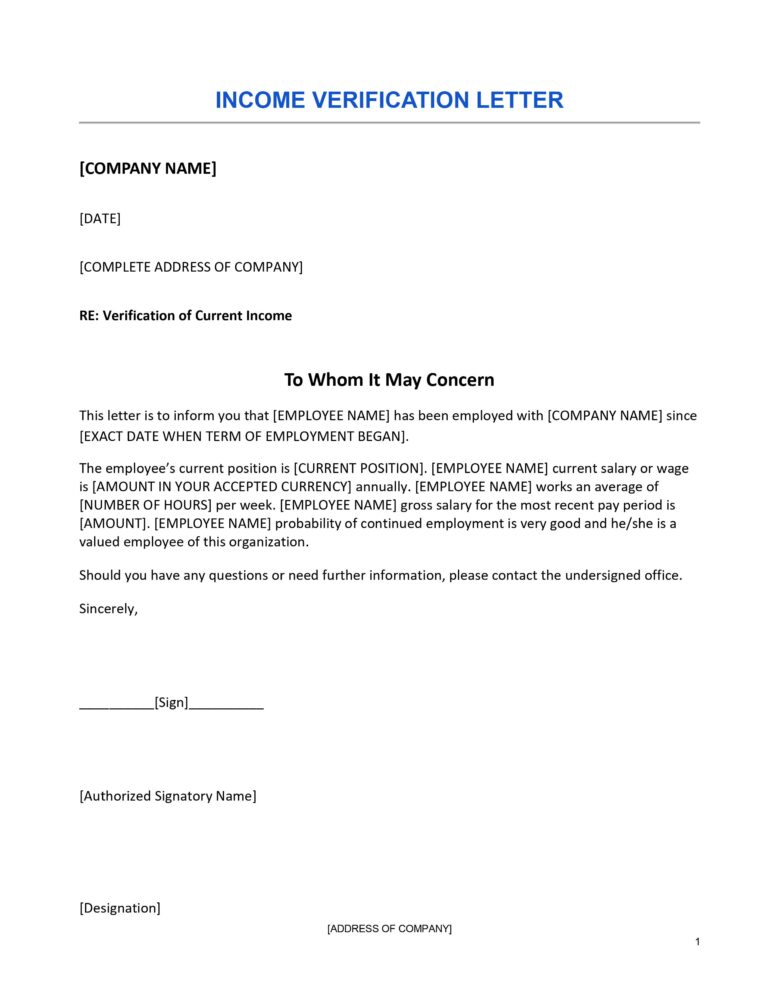
Your lender will want to see proof of your financial hardship. Prepare a detailed hardship letter explaining why you can no longer make your payments. This letter should be concise, professional, and factual. Attach supporting documents such as layoff notices, medical bills, bank statements showing reduced income, or proof of other overwhelming debts.
Pro tips from us: The more compelling and verifiable your hardship, the more sympathetic your lender might be. Presenting a clear picture of your inability to pay, rather than simply stating you won’t pay, can make a significant difference in your negotiation.
Understand Your Rights as a Consumer
Familiarize yourself with consumer protection laws, particularly the Fair Debt Collection Practices Act (FDCPA). While the FDCPA primarily applies to third-party debt collectors, knowing your rights can empower you and prevent illegal or unethical practices. For example, collectors cannot harass you, make false statements, or threaten you with actions they cannot legally take.
Knowing your rights provides a layer of protection as you navigate debt settlement options and interact with your lender or their collection agencies. You’ll be less susceptible to intimidation tactics.
Research Your Lender’s Practices
Different lenders have different policies and tendencies when it comes to debt settlement. Some might be more open to negotiation than others. While specific internal policies are usually confidential, online forums or consumer reviews might offer insights into how your particular lender has handled similar situations in the past.
This research can help you anticipate their responses and tailor your approach. Understanding their likely reactions can help you better prepare your counter-offers and arguments when negotiating car loan debt.
Mastering the Art of Negotiation: Strategies for Settling Car Loan Debt
Once you’ve prepared your toolkit, it’s time to engage with your lender. This phase requires patience, persistence, and a clear strategy. There are several avenues to explore when settling car loan debt, each with its own advantages and disadvantages.
Direct Negotiation with Your Lender
This is often the first and most straightforward approach. You’re contacting the original creditor to explain your situation and propose a solution.
How to Approach Them
Start by calling their customer service or collections department. Be polite but firm. Clearly state that you are experiencing financial hardship and are looking for a way to resolve your account. Avoid making excuses; focus on the facts of your changed financial situation.
Common mistakes to avoid are getting emotional or making promises you can’t keep. Stick to what you can realistically afford. Remember, the lender’s goal is to recover as much money as possible, so your offer needs to be appealing to them.
What to Offer: Lump Sum vs. Payment Plan
Lenders are generally more receptive to a lump-sum settlement because it provides immediate closure. If you can gather a portion of the outstanding balance, say 30-50%, and offer it as a one-time payment, you might be able to settle the debt for significantly less than what you owe. This is often the most effective way to achieve car loan debt relief.
If a lump sum isn’t feasible, you can propose a structured payment plan. This might involve lower monthly payments over an extended period. However, be aware that lenders are often less inclined to accept payment plans for a settled amount, as it still carries a risk of default. They might instead offer a loan modification first.
Settling for Less Than Owed
When negotiating, aim to settle for less than the full amount. Your goal is to convince the lender that accepting a reduced amount now is better than the alternative: repossession, which involves costs for them, or potentially getting nothing if you file for bankruptcy. Be ready to justify your offer with your financial documents.
Always get any settlement agreement in writing before sending any money. This document should clearly state the agreed-upon settlement amount, the payment schedule (if applicable), and that the remaining balance will be considered "paid in full" or "settled."
Loan Modification
Before outright settlement, your lender might offer a loan modification. This is a common car loan debt relief strategy designed to make your existing loan more manageable without completely forgiving a portion of the principal.
A loan modification involves changing the original terms of your loan. This could mean extending the loan term, which reduces your monthly payment but might increase the total interest paid over time. Another option could be a temporary reduction in interest rates or even a period of forbearance where payments are temporarily paused.
While not a full debt settlement, a loan modification can prevent default and repossession, giving you breathing room to get back on your feet. For more details on this option, you might find our article on Understanding Loan Modifications for Secured Debt helpful. (Internal Link 1 Placeholder)
Voluntary Repossession
If all other negotiation attempts fail, and you simply cannot afford the car, voluntary repossession is an option. This is where you proactively return the vehicle to the lender.
Pros and Cons
The main "pro" is that you avoid the stress and potential embarrassment of an involuntary repossession. It might also show the lender that you are being responsible in a difficult situation. However, the "cons" are significant. It will still negatively impact your credit score, often as severely as an involuntary repossession.
Deficiency Balance Explained
Crucially, voluntary repossession does not absolve you of the deficiency balance. As mentioned earlier, if the car sells for less than what you owe, you’ll still be responsible for that difference, plus any repossession and auction fees. Many people mistakenly believe that giving the car back means their debt is gone. This is a common misunderstanding that can lead to further financial problems.
The lender can then pursue you for this deficiency balance, potentially through collections or even a lawsuit. It’s vital to try and negotiate the deficiency balance at the time of voluntary repossession, if possible.
Debt Settlement Companies
When facing complex debt situations, some individuals turn to debt settlement companies. These companies negotiate with your creditors on your behalf, aiming to reduce the total amount you owe.
When to Use Them and How They Work
A debt settlement company typically advises you to stop making payments to your creditors and instead save money in a special account. Once a significant sum has accumulated, they use that money to offer a lump-sum settlement to your lender. They often claim to reduce your debt by a substantial percentage.
Cautions and Fees
While they can be effective for some, there are significant risks and costs involved. Debt settlement companies charge substantial fees, often a percentage of the amount saved or the original debt. During the period you’re not paying your lender, late fees and interest will continue to accrue, and your credit score will plummet. You also face the risk of being sued by your creditors before a settlement is reached.
It’s crucial to thoroughly research any debt settlement company. Check their reputation with the Better Business Bureau and read reviews. The Consumer Financial Protection Bureau (CFPB) offers valuable guidance on choosing a debt relief company and understanding your rights. (External Link: https://www.consumerfinance.gov/consumer-tools/debt-collection/) This can help you make an informed decision and avoid scams.
Bankruptcy (As a Last Resort)
For some, bankruptcy might be the ultimate solution when faced with overwhelming debt, including car loans. It’s a serious step with long-term consequences, but it can provide a fresh start.
Chapter 7 bankruptcy can discharge unsecured debts and potentially surrender a secured asset like a car. Chapter 13 bankruptcy involves a repayment plan over three to five years, allowing you to catch up on missed car payments and potentially keep your vehicle.
This is a complex legal process that should only be pursued after consulting with a qualified bankruptcy attorney. It should be considered a last resort when all other debt settlement options have been exhausted.
Refinancing (If Credit Allows, Before Default)
While not a debt settlement strategy per se, refinancing is a proactive measure to consider before you default on your loan. If your credit score has improved since you took out the original loan, or if interest rates have dropped, you might qualify for a new loan with better terms.
Refinancing can lower your interest rate, reduce your monthly payments, or both. This makes your car loan more affordable and can prevent you from falling into financial hardship in the first place. However, if you are already in default or have a poor credit score, refinancing will likely not be an option.
The Aftermath: Understanding the Impact of Settling Car Loan Debt
Successfully settling car loan debt can provide immense relief, but it’s crucial to understand the long-term implications of this action. It’s not a magic bullet without consequences, and being prepared for them will help you rebuild your financial life.
Credit Score Implications
When you settle a car loan for less than the full amount, it will be reported to credit bureaus as "settled for less than the full balance" or "paid as agreed, settled." This mark will remain on your credit report for up to seven years.
Initially, your credit score will likely take a significant hit. The missed payments leading up to the settlement, coupled with the settlement itself, will lower your score. However, compared to a full repossession or a charge-off without any resolution, a settlement can be viewed somewhat more favorably in the long run. It demonstrates that you took action to resolve the debt, rather than ignoring it completely.
The good news is that credit scores are dynamic. With diligent financial management post-settlement, you can gradually rebuild your credit. This involves making all future payments on time, keeping credit utilization low, and avoiding new debt. For more insights on this, you might want to read our guide on Rebuilding Your Credit After Debt Settlement. (Internal Link 2 Placeholder)
Tax Implications: Canceled Debt as Income
This is an often-overlooked but very important aspect of settling car loan debt. When a lender forgives a portion of your debt (i.e., you settle for less than you owe), the IRS generally considers that forgiven amount as taxable income.
For example, if you owed $10,000 and settled for $5,000, the $5,000 difference could be considered taxable income. Your lender will typically send you a Form 1099-C (Cancellation of Debt) reporting this amount. It’s crucial to consult with a tax professional to understand how this might affect your tax liability, especially since there are exceptions for insolvency.
Future Lending Opportunities
Having a settled debt on your credit report can impact your ability to secure new loans or credit in the immediate future. Lenders may view you as a higher risk. This doesn’t mean you’ll never get credit again, but it might mean higher interest rates or stricter approval criteria for a period.
However, as time passes and you demonstrate responsible financial behavior, your credit profile will improve. Showing a consistent history of on-time payments and managing new credit wisely will gradually restore lenders’ confidence in your ability to repay.
Conclusion: Taking Control of Your Financial Future
Navigating the complexities of car loan debt can be an incredibly daunting experience. The fear of repossession, the stress of missed payments, and the worry about your credit score can weigh heavily on your mind. However, as we’ve explored, settling car loan debt is a powerful and viable strategy that can offer a pathway to financial relief and a fresh start.
From understanding the nuances of default and preparing your negotiation toolkit to employing effective strategies like direct negotiation or loan modification, every step is crucial. Remember the importance of being proactive, knowing your numbers, and understanding the long-term impacts on your credit and taxes.
While settling debt can have immediate consequences, particularly for your credit score, it can also prevent more severe outcomes like full repossession and overwhelming deficiency balances. It allows you to take control, resolve a pressing financial burden, and begin the important work of rebuilding your financial foundation.
Don’t let the weight of car loan debt define your future. By arming yourself with knowledge and taking decisive action, you can move towards greater financial stability and peace of mind. If you find yourself in this situation, consider consulting with a reputable credit counselor or financial advisor to explore the best options tailored to your unique circumstances. Your financial freedom is within reach.