Stuck in the Red: Your Expert Guide to Navigating an Upside-Down Car Loan
Stuck in the Red: Your Expert Guide to Navigating an Upside-Down Car Loan Carloan.Guidemechanic.com
The feeling is all too common, a sinking sensation in your stomach when you realize the true value of your car is significantly less than what you still owe on the loan. "I’m upside down on my car loan," is a phrase that often accompanies stress, frustration, and a sense of being trapped. You’re not alone in this predicament, and understanding it is the first step toward regaining control.
Being "upside down" or having "negative equity" in your car means that your outstanding loan balance is higher than your vehicle’s current market value. This isn’t just an abstract financial term; it has real-world implications for your wallet, your future car purchases, and your overall financial well-being. But don’t despair! This comprehensive guide will break down everything you need to know, from how you got here to practical, actionable strategies to get back on solid ground. We’re here to equip you with the knowledge and tools to drive away from negative equity for good.
Stuck in the Red: Your Expert Guide to Navigating an Upside-Down Car Loan
What Does "Upside Down" Really Mean? A Clear Definition
Let’s start by clarifying exactly what it means to be upside down on your car loan. In simple terms, it means you owe more money on your car than it’s actually worth today. Imagine your car as a financial asset. Like most assets, its value can fluctuate. When the balance of your car loan exceeds this current market value, you’ve entered the realm of negative equity.
This situation isn’t unique to cars; it can happen with houses too. For vehicles, it’s particularly prevalent due to their rapid depreciation. You might hear it referred to as being "underwater" on your loan, which paints a vivid picture of the financial burden weighing you down.
Calculating your negative equity is straightforward. First, you need to determine your car’s current market value. You can do this by checking reputable sources like Kelley Blue Book (KBB.com), Edmunds, or NADAguides. These sites provide estimated trade-in and private party sale values based on your car’s make, model, year, mileage, and condition.
Next, find your outstanding loan balance. This information is typically available on your monthly loan statement or by contacting your lender directly. Once you have both figures, subtract the car’s market value from your loan balance. If the result is a positive number, that’s your negative equity – the amount you’d have to pay out of pocket if you sold or traded in your car today.
For example, if you owe $18,000 on your loan, but your car is only worth $15,000, you have $3,000 in negative equity. This $3,000 represents the gap you’d need to cover to clear your debt if you decided to part with the vehicle. Understanding this number is crucial, as it’s the problem you’re aiming to solve.
The Root Causes: Why Do Cars Go Underwater So Quickly?
Understanding how you ended up with negative equity is essential for preventing it in the future. Several factors contribute to a car’s value declining faster than your loan balance. It’s often a combination of these elements that creates the perfect storm for being upside down.
One of the primary culprits is rapid depreciation. Unlike real estate, cars are depreciating assets from the moment you drive them off the lot. A new car can lose 10-20% of its value in the first year alone, and roughly 40-50% within the first three to five years. This initial plunge in value means that even with regular payments, your loan balance often shrinks slower than the car’s market price.
Another significant factor is taking out a long loan term. While a 72- or 84-month car loan might offer lower monthly payments, it stretches out the repayment period considerably. This extended timeline means you’re paying interest for longer, and the principal balance decreases at a slower rate. Over these longer terms, your car continues to depreciate rapidly, making it much more likely for your outstanding balance to exceed its value for a prolonged period.
A small or non-existent down payment also plays a critical role. When you put little to no money down, you finance almost the entire purchase price of the vehicle. This immediately puts you at a disadvantage, as the car’s value drops significantly in the first few months, while your loan balance remains very high. A substantial down payment creates a buffer, ensuring you start with positive equity or at least significantly reduce the initial negative equity gap.
Furthermore, high interest rates can exacerbate the problem. A higher interest rate means a larger portion of your early payments goes towards interest, not the principal. This slows down the rate at which you pay off the loan, keeping your balance elevated for longer. If your credit score wasn’t stellar when you took out the loan, you might have been saddled with a higher rate, making negative equity more likely.
Rolling existing negative equity into a new loan is a common and often detrimental practice. When you trade in a car that already has negative equity, dealerships might offer to "roll" that deficit into your new car loan. While this seems convenient at the moment, it means you’re now financing not only your new car but also the unpaid balance of your old car. This instantly puts you upside down on your new vehicle, often by a significant amount, making it incredibly difficult to catch up.
Finally, adding extras and accessories to your loan can also contribute. Things like extended warranties, service plans, or aftermarket accessories, while potentially useful, increase the total amount you’re financing. These items don’t add equivalent value to your car’s market price, further widening the gap between what you owe and what the car is worth. Based on my experience, these add-ons are often where buyers unknowingly dig themselves deeper into debt.
The Dangers and Disadvantages of Being Upside Down
Being upside down on your car loan is more than just an inconvenient financial status; it carries several tangible risks and disadvantages that can impact your financial flexibility and peace of mind. Ignoring this situation can lead to greater problems down the road.
One of the most immediate dangers is the difficulty in selling or trading in your vehicle. If you need or want a new car, being upside down means you can’t simply sell your current one to pay off the loan. You would have to come up with the difference out of pocket to clear the existing debt before you could even think about a new purchase. This can severely limit your options and delay necessary vehicle upgrades or changes.
From a financial burden perspective, negative equity often translates into higher effective monthly payments. Even if your scheduled payment is manageable, the fact that a significant portion of it is paying down debt that exceeds your asset’s value means your money isn’t working as efficiently for you. You’re effectively paying for a car that is worth less than what you’re paying for it, which can feel like throwing money away.
Perhaps one of the most critical disadvantages arises in the event of an accident or total loss. If your car is stolen or totaled in a collision, your standard auto insurance policy will only pay out the car’s actual cash value (ACV) at the time of the incident. If you have negative equity, the insurance payout will likely be less than what you owe on the loan. This leaves you in a terrible position: without a car, but still owing a substantial amount to your lender. This is where the true financial sting of being upside down becomes painfully clear.
Furthermore, being underwater on your loan limits your financial flexibility. You might be hesitant to take on other financial commitments or invest in other areas of your life because of the looming car debt. It can create stress and a feeling of being trapped, knowing that a significant portion of your monthly budget is dedicated to a depreciating asset that isn’t even fully "yours" in terms of equity. This psychological burden can be as significant as the financial one.
Proactive Prevention: How to Avoid Negative Equity from the Start
The best way to deal with negative equity is to prevent it from happening in the first place. With careful planning and smart decisions, you can significantly reduce your chances of ending up upside down on your car loan. These proactive strategies are vital for anyone considering a car purchase.
Firstly, aim for a larger down payment. This is arguably the most effective preventative measure. Putting down 20% or more of the car’s purchase price immediately creates a buffer against depreciation. The more you put down upfront, the less you finance, and the quicker you’ll build positive equity. Pro tips from us: Save aggressively for a down payment before you even start car shopping.
Secondly, opt for shorter loan terms. While longer terms offer lower monthly payments, they keep you in debt for longer and increase the likelihood of negative equity. A 36- or 48-month loan ensures you pay off the principal much faster, often outpacing the car’s depreciation. This strategy might mean higher monthly payments, but it saves you money on interest over the life of the loan and gets you to positive equity sooner.
Before buying, research car depreciation rates. Not all cars depreciate at the same rate. Some makes and models hold their value better than others. Sites like Edmunds and Kelley Blue Book often publish lists of vehicles with the best resale value. Choosing a car known for slower depreciation can be a smart move, helping to keep its value closer to your loan balance.
Consider buying a used car instead of new. Since new cars experience the most significant depreciation in their first few years, buying a slightly used vehicle (2-3 years old) allows someone else to absorb that initial, sharp drop in value. You’ll often pay significantly less for a car that still has many good years left, reducing the amount you need to finance and the risk of negative equity.
GAP (Guaranteed Asset Protection) insurance is another crucial consideration, especially if you have a small down payment or a long loan term. GAP insurance covers the "gap" between what you owe on your loan and what your car is worth if it’s totaled or stolen. While it doesn’t prevent negative equity, it protects you from the financial disaster of still owing money on a car you no longer possess. Based on my experience, it’s a small price to pay for significant peace of mind.
Finally, avoid rolling existing negative equity into a new loan. This is a common mistake that can trap buyers in a cycle of debt. If you have negative equity on your trade-in, it’s almost always better to pay it off separately or wait until you’ve paid down your current loan before purchasing a new vehicle. Rolling it over simply compounds the problem and guarantees you’ll start your new loan underwater.
I’m Already Upside Down: What Are My Options?
Discovering you’re upside down on your car loan can feel overwhelming, but you have several strategic options to tackle the problem head-on. The best approach depends on your specific financial situation, your immediate needs, and how long you plan to keep your car. Let’s explore each one in detail.
Option 1: Pay Extra Towards the Principal
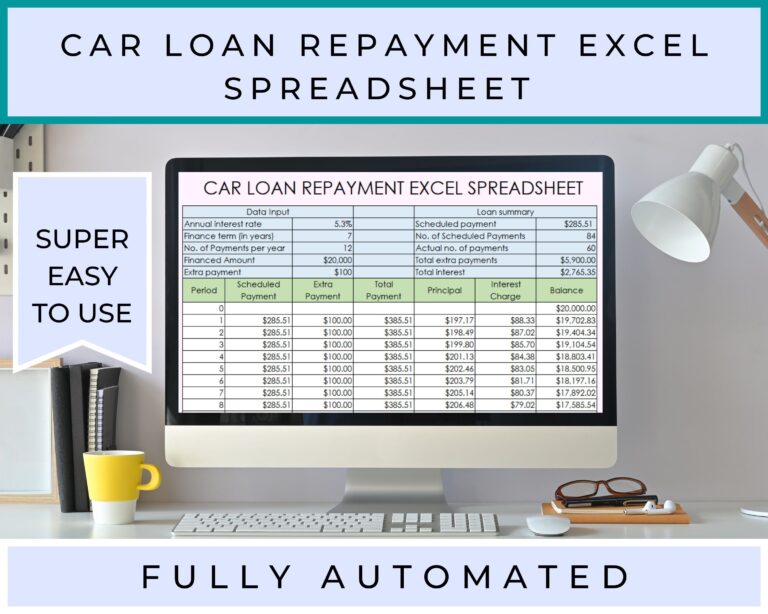
This is often the simplest and most direct way to get out of negative equity. By making extra payments specifically designated for the loan’s principal, you reduce your outstanding balance faster. Even small additional payments can make a significant difference over time.
For example, if your monthly payment is $350, try adding an extra $50 or $100 whenever you can. This money goes directly towards reducing the amount you owe, allowing you to build equity more quickly. Consistency is key here; even if you can’t do it every month, doing it whenever possible accelerates your progress. This strategy also reduces the total interest you’ll pay over the life of the loan.
Option 2: Refinance Your Car Loan
Refinancing involves taking out a new loan to pay off your existing one, ideally with better terms. If interest rates have dropped since you took out your original loan, or if your credit score has improved, you might qualify for a lower interest rate. A lower rate means more of your payment goes towards the principal, helping you chip away at that negative equity faster.
However, refinancing can be challenging if you have significant negative equity, as lenders are often hesitant to approve loans for more than the car’s value. You might need to pay down some of the negative equity first or find a specialized lender. Pro tips from us: Shop around with multiple lenders, including credit unions, as they often offer competitive rates and more flexible terms. Check out our detailed guide on "Understanding Car Loan Interest Rates" for more insights into finding the best rates.
Option 3: Sell the Car Privately (and Cover the Difference)
If you absolutely need to get rid of your car, selling it privately can often fetch a higher price than trading it into a dealership. However, if you’re upside down, you’ll still need to cover the difference between the sale price and your loan balance. This requires you to have the cash available to pay off the remaining debt.
Selling privately involves more effort – advertising, showing the car, and handling paperwork. But the potentially higher sale price can minimize the amount you need to pay out of pocket. Make sure you understand the legalities of selling a car with an outstanding loan in your state.
Option 4: Trade-In (Strategically)
Trading in your car with negative equity is possible, but it requires careful negotiation. Dealerships might offer to roll your negative equity into the new car loan. While this gets you into a new car, it means you’re starting your new loan already underwater, often by a significant amount. This can be a dangerous cycle.
If you must trade in, try to negotiate the best possible trade-in value for your current car and the lowest possible price for the new one. Be wary of deals that seem too good to be true, as the negative equity might simply be hidden in a higher price for the new vehicle. Common mistakes to avoid are not knowing your car’s true trade-in value before walking into the dealership.
Option 5: Keep the Car Longer
This is often the simplest and most overlooked solution. If you’re not in a rush to get a new car and your current vehicle is reliable, simply keep it and continue making your regular payments. Over time, as you make more payments, your loan balance will decrease, and eventually, the car’s value will catch up to and surpass what you owe.
This strategy requires patience but is financially sound. You save money by not taking on a new loan and avoid the fees and interest associated with new financing. It’s a passive but effective way to gradually eliminate negative equity.
Option 6: Consider a Debt Consolidation Loan (Carefully)
In some extreme cases, if you have significant negative equity and other high-interest debts, a personal loan or debt consolidation loan might be an option. This would involve taking out a new, unsecured loan to pay off your car loan and potentially other debts.
However, this strategy comes with risks. Personal loan interest rates can be higher than car loan rates, and extending the repayment period might mean paying more interest overall. This should only be considered after consulting a financial advisor and understanding all the implications, as it’s not a direct solution for negative equity but rather a way to manage overall debt.
The Role of GAP Insurance: A Lifeline or an Unnecessary Expense?
When discussing being upside down on a car loan, GAP insurance inevitably enters the conversation. Understanding its purpose and when it’s truly beneficial is crucial for protecting your finances. It’s not a solution to negative equity itself, but a safety net against its most severe consequences.
GAP stands for Guaranteed Asset Protection. Its primary function is to cover the difference, or "gap," between what you owe on your car loan and what your standard auto insurance policy pays out if your vehicle is declared a total loss (due to an accident, theft, or natural disaster). As we discussed, if you’re upside down, your insurance payout will likely be less than your outstanding loan balance.
Consider this scenario: You owe $20,000 on your car loan, but your car is only worth $16,000 at the time it’s totaled. Your standard insurance policy pays out $16,000. Without GAP insurance, you would still be responsible for the remaining $4,000 to your lender, even though you no longer have a car. This is where GAP insurance steps in, covering that $4,000 difference, effectively wiping out your loan obligation.
So, is it a lifeline or an unnecessary expense? It largely depends on your specific situation. GAP insurance is most valuable and often highly recommended if:
- You made a small or no down payment: This immediately puts you at risk of negative equity from day one.
- You have a long loan term (e.g., 60 months or more): The longer the term, the slower you pay down the principal, and the longer you’re likely to be upside down.
- You rolled negative equity from a previous car into your current loan: You’re starting significantly underwater.
- Your car is known for rapid depreciation: Some luxury or niche vehicles lose value very quickly.
- Your interest rate is high: A higher rate means you pay down principal slower.
On the other hand, you might not need GAP insurance if:
- You made a substantial down payment (20% or more): You likely have positive equity or are close to it.
- You have a short loan term (36-48 months): You’ll pay off the loan faster than the car depreciates.
- You’re nearing the end of your loan term: The gap between what you owe and what the car is worth is likely small or non-existent.
Pro tips from us: Always compare the cost of GAP insurance from your dealership, your auto insurance provider, and third-party companies. Dealerships often mark up GAP insurance significantly. While it’s an added expense, for many drivers, it’s a wise investment that offers crucial protection against a potentially devastating financial hit. For more information on how auto insurance works, you can consult trusted external sources like the National Association of Insurance Commissioners (NAIC) website.
Long-Term Financial Health: Beyond Just Your Car Loan
Getting out of an upside-down car loan is a fantastic achievement, but it’s also an opportunity to re-evaluate your broader financial habits. True financial stability goes beyond a single loan. By adopting sound long-term strategies, you can avoid similar predicaments in the future and build a more secure financial foundation.
One of the most fundamental practices is effective budgeting. A detailed budget helps you understand exactly where your money is going each month. This clarity allows you to identify areas where you can cut back, free up extra cash, and allocate funds more strategically towards debt reduction or savings. Knowing your income and expenses intimately is the bedrock of financial control.
Equally important is building an emergency fund. Life is unpredictable, and unexpected expenses, such as job loss, medical emergencies, or sudden car repairs, can derail even the best financial plans. Having 3-6 months’ worth of living expenses saved in an easily accessible account provides a crucial safety net. This fund prevents you from needing to take on new debt or fall further behind on existing obligations when life throws a curveball.
Credit score management is another pillar of long-term financial health. A good credit score opens doors to lower interest rates on loans (like car loans!), credit cards, and even mortgages. Pay your bills on time, keep credit utilization low, and regularly check your credit report for errors. A healthy credit score makes you a more attractive borrower and can save you thousands of dollars over your lifetime.
Finally, commit to continuous financial literacy. The world of personal finance is constantly evolving, and staying informed is key. Read reputable financial blogs, listen to podcasts, or take online courses. The more you understand about investing, saving, debt management, and financial planning, the better equipped you’ll be to make informed decisions and achieve your long-term goals. Empowering yourself with knowledge is the best investment you can make.
Conclusion: Driving Towards Financial Freedom
Realizing you’re upside down on your car loan can be a disheartening experience, but it’s a challenge that is absolutely surmountable. By understanding the causes, recognizing the risks, and implementing strategic solutions, you can regain control of your financial journey. Remember, you’re not alone in this situation, and there are clear pathways to get back on track.
Whether you choose to pay extra on your principal, strategically refinance, keep your car longer, or explore other options, the most important step is to take action. Don’t let the fear or frustration of being "I’m upside down on my car loan" paralyze you. Arm yourself with knowledge, create a plan, and execute it diligently. With patience and persistence, you can drive your way out of negative equity and towards a more secure financial future. Start today – your future self will thank you.