The 25% Car Loan Interest Rate: Decoding the High Cost of Auto Financing
The 25% Car Loan Interest Rate: Decoding the High Cost of Auto Financing Carloan.Guidemechanic.com
Getting a car is often a necessity, but securing the right financing can feel like navigating a complex maze. While most dream of low, single-digit interest rates, some individuals find themselves staring down a daunting 25% car loan interest rate. This isn’t just a number; it’s a financial burden that can significantly impact your wallet and your long-term financial health.
As an expert blogger and SEO content writer, my mission today is to demystify this high interest rate. We’ll explore why someone might face such a rate, what its true cost is, and most importantly, how to avoid it or escape it if you’re already in this situation. This comprehensive guide aims to be your go-to resource for understanding and managing high auto loan interest, ensuring you make informed decisions.
The 25% Car Loan Interest Rate: Decoding the High Cost of Auto Financing
Understanding the 25% Car Loan Interest Rate: A Harsh Reality
A 25% interest rate on a car loan is exceptionally high. To put it into perspective, the average interest rate for new car loans for those with excellent credit can be as low as 3-5%, while even those with fair credit might see rates in the 7-10% range. A 25% rate places you firmly in the subprime lending category, indicating a significant perceived risk to the lender.
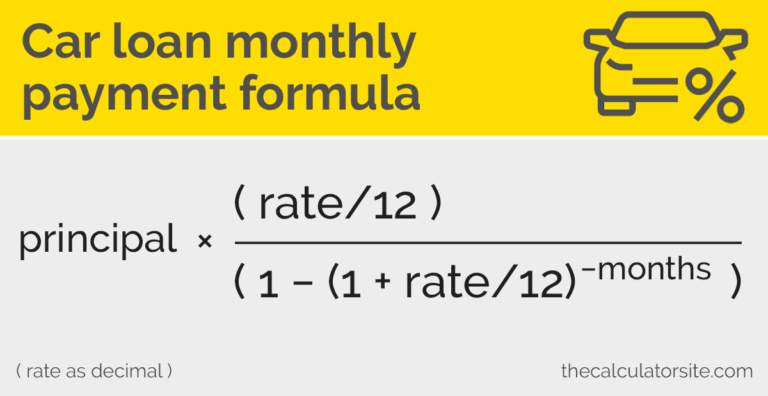
What does this rate truly mean for your monthly payments and the total cost of your vehicle? Let’s consider a practical example. Imagine you’re financing a $20,000 car over a 60-month (5-year) term.
With a 25% interest rate, your estimated monthly payment would be around $585. Over the life of the loan, you would pay approximately $15,100 in interest alone, bringing the total cost of your $20,000 car to over $35,100. This stark reality highlights the immense financial drain such a rate can cause. It’s not just about the car; it’s about the staggering amount you pay for the privilege of borrowing.
The Primary Culprits Behind High Interest Rates
Several factors contribute to a lender assigning a 25% car loan interest rate. Understanding these elements is the first step toward avoiding or mitigating such a costly scenario. It’s crucial to recognize that lenders assess risk, and the higher the perceived risk, the higher the interest rate they will charge to compensate themselves.
1. Poor Credit Score: The Foremost Factor
Your credit score is arguably the most significant determinant of your interest rate. FICO scores, which range from 300 to 850, categorize borrowers into different tiers. Scores below 580 are generally considered "poor," while those between 580-669 are "fair." A credit score in the poor or very poor range is almost always the leading cause of a 25% interest rate on a car loan.
Lenders use your credit score as a snapshot of your financial reliability. A low score signals a history of missed payments, defaults, bankruptcies, or high credit utilization, all of which suggest a higher likelihood of future payment problems. For lenders, this translates directly into higher risk, and they adjust interest rates accordingly to offset that risk.
2. High Debt-to-Income (DTI) Ratio
Beyond your credit score, lenders also scrutinize your debt-to-income (DTI) ratio. This ratio compares your total monthly debt payments to your gross monthly income. For instance, if you earn $4,000 a month and your total debt payments (including rent/mortgage, credit cards, student loans, etc.) amount to $2,000, your DTI is 50%.
A high DTI ratio indicates that a significant portion of your income is already allocated to existing debt. This leaves less discretionary income to comfortably manage a new car payment, increasing the lender’s concern about your ability to make timely payments. Lenders typically prefer DTI ratios below 36%, though some subprime lenders might approve higher ratios but at a much steeper interest rate.
3. Lack of a Substantial Down Payment
Making a down payment on a car serves multiple purposes. Firstly, it reduces the amount you need to borrow, thereby lowering your overall interest paid. Secondly, and critically for lenders, it reduces their risk. A significant down payment means you have immediate equity in the vehicle.
If you default on the loan, the lender can recover a larger portion of the outstanding balance by repossessing and selling the car. Without a down payment, or with a very small one, the loan-to-value (LTV) ratio is higher, meaning the loan amount is close to or exceeds the car’s value. This increased exposure for the lender often translates to a higher interest rate, especially for borrowers with other risk factors.
4. Loan Term and Vehicle Type
The length of your loan term also plays a role. While longer terms (e.g., 72 or 84 months) offer lower monthly payments, they expose the lender to risk for a longer period and often result in higher overall interest paid. Shorter terms, conversely, are seen as less risky.
The type of vehicle you’re financing can also influence the rate. Older cars, or those with high mileage, depreciate more quickly and may be harder to sell if repossessed. This increased risk of depreciation can lead to higher interest rates, particularly for subprime borrowers, as the collateral’s value is less certain.
5. Lender Type and Market Conditions
Not all lenders are created equal. Dealership financing, especially through their "special finance" departments, sometimes caters to borrowers with challenging credit. While convenient, these rates can sometimes be higher than what you might find at a bank or credit union. Predatory lenders, unfortunately, also exist, specifically targeting vulnerable borrowers with high rates and unfavorable terms.
Furthermore, broader economic conditions and the Federal Reserve’s interest rate policies influence borrowing costs across the board. While general market rates might not directly jump to 25%, a rising rate environment can push subprime rates even higher.
The Real Cost of a 25% Car Loan: More Than Just Payments
The financial implications of a 25% car loan interest rate extend far beyond the monthly payment. It’s a costly decision that impacts your financial health in numerous ways, essentially trapping you in a cycle of high debt.
Let’s revisit our $20,000 car over 60 months example, where you pay over $15,100 in interest. That’s money you could have used for other essential needs or investments. This substantial interest payment represents lost opportunity. Imagine investing that $15,100 over five years. It could have grown, contributing to a down payment on a house, a child’s education fund, or your retirement savings. Instead, it’s paid to the lender.
A high monthly car payment due to a 25% interest rate can also strain your budget, making it difficult to save, pay off other debts, or handle unexpected expenses. This lack of financial flexibility can lead to further debt accumulation, creating a vicious cycle. Moreover, carrying such a large debt load, even if you make payments on time, can negatively impact your credit utilization ratio, potentially hindering future credit opportunities.
Pro Tip: Always calculate the total cost of the loan (principal + total interest) before signing any agreement. Don’t just focus on the monthly payment. A lower monthly payment often means a longer loan term and significantly more interest paid over time, especially with a high interest rate.
Is a 25% Car Loan Ever Justifiable?
In almost all circumstances, a 25% car loan interest rate should be avoided. However, there are rare, extreme situations where it might be considered a temporary, strategic necessity. This is not an endorsement, but rather an acknowledgment of dire circumstances.
For instance, if you absolutely need a car for work, and without it, you’d lose your job and primary income source, a 25% loan might be seen as a short-term bridge. In such a scenario, the immediate goal would be to secure transportation, then aggressively work to refinance the loan or pay it off as quickly as possible. This approach treats the high-interest loan as a stepping stone, not a long-term solution.
Common Mistake to Avoid: A critical error is believing a 25% car loan is your only option without thoroughly exploring all alternatives. Many people feel pressured at the dealership and accept the first offer, especially when their credit is poor. This often leads to regret and significant financial hardship. Always take a step back, assess your needs, and explore every avenue before committing to such a high-cost loan.
Strategies to Avoid or Lower a 25% Car Loan Interest Rate: Prevention is Key
The best defense against a 25% car loan interest rate is a strong offense. By taking proactive steps, you can significantly improve your chances of securing more favorable terms. Based on my experience in financial literacy, preparation is paramount.
1. Improve Your Credit Score
This is your most powerful tool. A higher credit score directly translates to lower interest rates. Here’s how to improve it:
- Pay Bills On Time, Every Time: Payment history accounts for 35% of your FICO score. Set up automatic payments to avoid missing due dates.
- Reduce Credit Card Debt: Keep your credit utilization ratio (amount of credit used vs. available) below 30%, ideally below 10%. Pay down balances.
- Avoid New Credit Applications: Each application results in a hard inquiry, which can temporarily lower your score.
- Check Your Credit Reports: Obtain free copies from AnnualCreditReport.com and dispute any errors. Errors can unfairly drag down your score.
- Become an Authorized User: If a trusted family member has excellent credit, ask to be added as an authorized user on one of their long-standing accounts (with responsible use).
2. Save for a Substantial Down Payment
Aim for at least 10-20% of the car’s purchase price. A larger down payment reduces the loan amount, lowers your monthly payments, and signals financial responsibility to lenders, potentially earning you a lower interest rate. It also provides instant equity, which is a major plus.
3. Shop Around for Lenders (Get Pre-Approved!)
This cannot be stressed enough. Don’t rely solely on dealership financing. Before you even set foot in a dealership, apply for pre-approval from multiple lenders:
- Banks: Your current bank might offer competitive rates due to your existing relationship.
- Credit Unions: Often known for offering lower interest rates and more flexible terms to their members.
- Online Lenders: Many reputable online platforms specialize in auto loans and can offer quick pre-approvals.
Based on my experience: Getting pre-approved gives you immense power. You walk into the dealership knowing exactly what interest rate you qualify for from an outside lender. This acts as a strong negotiation tool, forcing the dealership to either match or beat that rate. It prevents you from being cornered into a high-interest dealer financing option.
4. Choose a Shorter Loan Term
While longer terms offer lower monthly payments, they result in significantly more interest paid over the life of the loan. Opt for the shortest term you can comfortably afford. A 36-month or 48-month loan will almost always have a lower interest rate than a 72-month or 84-month loan.
5. Consider a Co-Signer
If your credit is weak, a co-signer with excellent credit can help you qualify for a better interest rate. However, this comes with significant responsibility:
- Shared Responsibility: The co-signer is equally responsible for the loan. If you miss payments, their credit score will also be negatively impacted.
- Relationship Risk: A default could strain your relationship. Only consider this with someone you trust implicitly and who understands the risks.
6. Buy a More Affordable Vehicle
It might sound obvious, but buying a car that is well within your budget (or even below it) can dramatically improve your financial outlook. A smaller loan amount means lower risk for the lender, potentially a better rate, and certainly lower overall interest paid. Sometimes, settling for a reliable used car instead of a brand-new one can save you thousands in interest.
What If You Already Have a 25% Car Loan? Taking Action!
Finding yourself with a 25% car loan interest rate can feel overwhelming, but it’s not a permanent sentence. There are actionable steps you can take to mitigate the damage and improve your financial standing. Don’t despair; take control.
1. Refinancing Your Car Loan
This is often the most effective strategy. Refinancing involves taking out a new loan to pay off your existing one, ideally at a lower interest rate.
- Eligibility: To qualify for refinancing, you’ll need to have improved your credit score since you took out the original loan, or market rates may have dropped. Lenders will also consider the car’s value and how much you still owe.
- Process: Shop around for refinancing offers from banks, credit unions, and online lenders. Compare rates, terms, and any fees associated with the new loan.
- Benefits: A lower interest rate means lower monthly payments and significantly less interest paid over the remaining term. Even a few percentage points can save you thousands.
Pro Tip: Don’t wait to refinance. The sooner you act, the more interest you save. Every payment you make at 25% interest is money lost.
2. Making Extra Payments
If refinancing isn’t immediately an option, make extra payments whenever possible. Even small additional contributions can make a big difference.
- Principal Reduction: Ensure any extra payments are applied directly to the principal balance, not just future interest. This reduces the amount on which interest accrues.
- Accelerated Payoff: By paying down the principal faster, you’ll pay off the loan sooner and reduce the total amount of interest paid. For a 25% loan, this strategy is incredibly powerful.
3. Selling the Car
In extreme cases, if the debt is overwhelming and the car is a luxury you can’t afford, selling it might be a viable, albeit difficult, option.
- Understand Your Equity: Check the car’s market value (e.g., Kelley Blue Book, Edmunds) against your loan payoff amount. If you owe more than it’s worth (negative equity), you’ll need to pay the difference out of pocket.
- Prioritize Financial Health: While selling a car you need can be inconvenient, it might free you from a crippling debt, allowing you to save for a more affordable vehicle or improve your financial stability.
4. Debt Consolidation or Financial Counseling
If the car loan is just one piece of a larger debt puzzle, consider debt consolidation or seeking advice from a non-profit credit counselor.
- Debt Consolidation: Combining multiple high-interest debts into a single loan with a lower interest rate. Be cautious and research thoroughly, as some consolidation loans have high fees.
- Financial Counseling: A certified financial counselor can help you create a budget, develop a debt repayment plan, and explore all your options for managing financial distress. (External Link: For reliable financial counseling resources, visit the Consumer Financial Protection Bureau’s website: https://www.consumerfinance.gov/)
Navigating the Car Buying Process Responsibly
The car buying process can be intimidating, but armed with knowledge, you can approach it confidently and avoid common pitfalls that lead to high interest rates.
1. Do Your Research Thoroughly
Research not just the car, but also average interest rates for people with similar credit profiles. This gives you a benchmark. Understand the value of the car you’re looking at.
2. Understand All Terms and Conditions
Never sign anything you don’t fully understand. Read the fine print of the loan agreement carefully. Pay attention to the Annual Percentage Rate (APR), total interest paid, any prepayment penalties, and late payment fees. Ask questions until you are completely clear on every aspect of the loan.
3. Avoid Unnecessary Add-Ons
Dealerships often push extended warranties, GAP insurance (if not needed), paint protection, and other extras. While some may be valuable, many are profit centers for the dealership and inflate your loan amount, leading to more interest paid. Decline anything you don’t genuinely need or haven’t thoroughly researched.
4. Don’t Feel Pressured
Car salespeople are trained negotiators. Never feel pressured to make a decision on the spot. If you’re uncomfortable or unsure, walk away. A reputable dealership will give you time to consider your options. Taking a break to think can save you thousands.
Conclusion: Take Control of Your Auto Financing
A 25% car loan interest rate is a clear signal of significant financial risk, both for the borrower and the lender. While it might seem like the only option for some, understanding its true cost and having a strategic plan to avoid or escape it is crucial for your financial well-being. By focusing on improving your credit, making smart financial choices, and diligently shopping for the best rates, you can empower yourself to secure more favorable auto financing.
Remember, a car is a tool, not a trophy that justifies financial distress. Prioritize your long-term financial health over immediate gratification. With careful planning and proactive steps, you can avoid the burden of a high-interest car loan and drive toward a more secure financial future.