The 84-Month Car Loan: A Deep Dive into a Modern Financial Dilemma
The 84-Month Car Loan: A Deep Dive into a Modern Financial Dilemma Carloan.Guidemechanic.com
The dream of a new car often comes with the reality of a car loan. For many years, the standard loan terms hovered around 60 months, or five years. However, in recent times, a new player has emerged on the scene, rapidly gaining traction: the 84-month car loan. That’s seven full years of payments. This extended term promises lower monthly installments, making seemingly unaffordable vehicles suddenly within reach. But is this extended affordability a financial saviour or a cleverly disguised trap?
As an expert blogger and professional SEO content writer with years of experience dissecting financial trends, I’ve observed firsthand the allure and potential pitfalls of long-term debt. This article will be your definitive guide, exploring every facet of the 84-month car loan. We’ll uncover its hidden costs, illuminate its rare benefits, and equip you with the knowledge to make an informed decision for your financial well-being. By the end, you’ll understand why, for most people, an 84-month car loan can indeed be a very "bad" idea, despite its initial appeal.
The 84-Month Car Loan: A Deep Dive into a Modern Financial Dilemma
What Exactly is an 84-Month Car Loan?
At its core, an 84-month car loan is simply an auto financing agreement stretched over a seven-year period. Instead of paying off your vehicle in five or six years, you’re committing to repayments for a significantly longer duration. This extended repayment schedule directly impacts your monthly outgoings.
The primary reason for its growing popularity is straightforward: lower monthly payments. By spreading the total cost of the car over more installments, each individual payment becomes smaller. This reduction can make a new, more expensive vehicle fit into a tighter monthly budget, making it an attractive option for consumers facing rising car prices and stagnant wages.
The Allure: Why People Choose 84-Month Car Loans
It’s easy to see why an 84-month car loan has become a go-to option for many car buyers. The immediate relief offered by a lower monthly payment is a powerful motivator, especially in today’s economic climate. Let’s break down the perceived advantages that draw people into these extended commitments.
Lower Monthly Payments
This is undoubtedly the biggest draw. When you stretch a loan over 84 months instead of 60, your monthly payment significantly decreases. This can free up cash flow for other expenses, or simply make a more expensive car feel affordable. For someone trying to manage a tight budget, the difference between a $500 payment and a $380 payment can feel substantial and immediately impactful.
Access to More Expensive Vehicles
With lower monthly payments, buyers often find they can afford a more luxurious trim level, a larger SUV, or a brand-new model that would have been out of reach with a shorter loan term. This expanded choice allows consumers to drive their desired vehicle sooner, without necessarily increasing their immediate financial strain. The aspiration of owning a premium car becomes a reality, seemingly without breaking the bank upfront.
Perceived Affordability and Financial Flexibility
The psychological aspect of a lower monthly payment cannot be overstated. It creates an illusion of greater affordability, even if the total cost of the vehicle increases significantly over the loan term. This perceived flexibility can be enticing, leading individuals to believe they have more wiggle room in their budget each month. Based on my experience, many consumers are drawn to these loans precisely because they prioritize immediate cash flow over long-term financial health.
The Dark Side: Why an 84-Month Car Loan Can Be "Bad"
While the allure of lower monthly payments is strong, the disadvantages of an 84-month car loan far outweigh the benefits for most consumers. These extended terms come with substantial financial risks and hidden costs that can negatively impact your long-term financial health. From years of observing auto financing trends, it’s clear that these loans often lead to a cycle of debt that is difficult to escape.
Significantly More Interest Paid
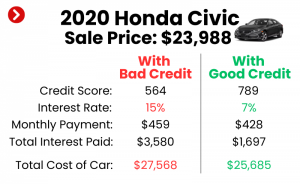
This is perhaps the most critical drawback. While your monthly payments are lower, you are paying interest for a much longer period. Even if the interest rate seems low, the cumulative effect over seven years can be staggering. You end up paying thousands of dollars more in interest compared to a 60-month or even 72-month loan for the exact same car.
Consider this: a longer loan term means the principal balance decreases more slowly in the initial years, allowing interest to accrue on a larger sum for an extended duration. This dramatically inflates the total cost of ownership. Pro tips from us: Always ask your lender for the total amount you will pay over the life of the loan, not just the monthly payment, and compare it across different loan terms. You’ll often be shocked by the difference.
Negative Equity (Being "Upside Down" on Your Loan)
This is one of the most common and dangerous consequences of an 84-month car loan. Negative equity occurs when the amount you owe on your car loan is greater than the car’s actual market value. New cars depreciate rapidly, often losing 20-30% of their value in the first year alone. When you combine this rapid depreciation with slow principal reduction inherent in long-term loans, you’re almost guaranteed to be "upside down" for a significant portion of your loan term.
Being in a negative equity position severely limits your options. If you need to sell the car, trade it in, or if it’s totaled in an accident, you’ll still owe money on a vehicle you no longer own. This often forces buyers to roll the remaining balance into a new car loan, creating a vicious cycle of ever-increasing debt. Common mistakes to avoid are thinking the car’s value will keep pace with your loan payments, or underestimating how quickly a new car loses value.
Longer Period of Indebtedness
Committing to a car loan for seven years means a significant portion of your income is tied up in a depreciating asset for a very long time. This lengthy commitment can hinder your ability to save for other crucial financial goals, such as a down payment on a house, retirement savings, or even just building an emergency fund. It reduces your financial flexibility and can feel like a financial burden that never ends.
Furthermore, life changes dramatically over seven years. Your income might fluctuate, family needs could shift, or unexpected expenses may arise. Having a fixed, long-term car payment can make it much harder to adapt to these changes without feeling significant financial strain.
Increased Risk of Mechanical Issues and Warranty Expiration
Cars, like all machines, age and eventually require more maintenance and repairs. By the time you’re in the fifth, sixth, or seventh year of your 84-month loan, your vehicle is likely out of its original manufacturer’s warranty. This means you could be making substantial loan payments on a car that is simultaneously racking up costly repair bills.
Imagine paying $350 a month for a car that needs a $2,000 transmission repair. This double whammy can be incredibly stressful and expensive, especially if you haven’t budgeted for such contingencies. You’re effectively paying for a car that is becoming less reliable and more expensive to maintain.
Limited Flexibility for Future Upgrades or Changes
Being tied to a long-term loan means you’re stuck with your current vehicle for a substantial period. If your needs change – perhaps you need a bigger family car, or you get a new job with a different commute – it can be incredibly difficult to make a switch. If you’re in negative equity, trading in or selling your current vehicle becomes a financial headache, often requiring you to pay cash to cover the difference or roll it into an even larger new loan.
This lack of flexibility can lead to buyer’s remorse and a feeling of being trapped by your financial commitments. It prevents you from easily adapting your vehicle to your evolving lifestyle.
Higher Insurance Costs (Potentially)
Lenders typically require full coverage insurance (collision and comprehensive) until your car loan is paid off. While this is standard for most financed vehicles, the longer term means you’ll be paying for this more expensive coverage for seven years. For a car that is five, six, or seven years old, the cost of full coverage might start to feel disproportionate to the car’s declining value, yet you’re still obligated to maintain it.
This extends the period you’re paying higher premiums, adding another layer to the true cost of ownership over an 84-month loan term.
When Might an 84-Month Loan Not Be "Bad"? (Niche Scenarios)
While generally ill-advised, there are extremely rare and specific circumstances where an 84-month car loan might be a tolerable, though still not ideal, option. These scenarios almost always involve a combination of highly favorable conditions and meticulous financial planning. Pro tips from us: These are exceptions, not the rule, and require a strong financial discipline.
Very Low-Interest Rates
If you qualify for an exceptionally low, promotional interest rate – think 0% or near-0% APR – then the primary disadvantage of paying excessive interest is significantly mitigated. In such a scenario, the total interest paid would be minimal, making the extended term less costly in that specific aspect. However, such rates are rare and usually reserved for buyers with impeccable credit and specific vehicle models.
Significant Down Payment
Making a very large down payment (e.g., 30-50% of the vehicle’s price) can help offset the negative equity trap. A substantial down payment means you borrow less, and you start with more equity in the vehicle from day one. This makes it less likely you’ll be upside down for the majority of the loan term. It also reduces the total interest paid, even over an extended period.
High Resale Value Vehicle
Some vehicles, particularly certain luxury brands or niche models, hold their value much better than others. If you purchase such a vehicle and combine it with a substantial down payment, you might reduce the risk of significant negative equity. However, even with these cars, depreciation is still a factor, and a seven-year loan term is a long time for any asset to maintain its value against a debt.
Strategic Use with a Plan to Pay Off Early
In very rare cases, an individual might opt for an 84-month loan purely for cash flow management, with a firm, disciplined plan to pay it off much earlier. For example, if you know a significant bonus or lump sum payment is coming within a year or two, you might choose the lower monthly payment temporarily. However, this requires immense self-control and the certainty of future funds, and many people fail to stick to this plan. It’s a risky strategy that often backfires.
Alternatives to an 84-Month Car Loan
Understanding the risks of an 84-month loan is the first step. The next is exploring better, more financially sound alternatives. There are several ways to approach car financing that can save you money, reduce your overall debt burden, and provide greater financial flexibility.
Shorter Loan Terms (60, 48 Months, or Even Less)
The most straightforward alternative is simply opting for a shorter loan term. While this will result in higher monthly payments, the benefits are substantial. You’ll pay significantly less interest over the life of the loan, build equity much faster, and be debt-free sooner. A 60-month (5-year) loan is a common and often more manageable option, while a 48-month (4-year) loan is even better if your budget allows.
Buying a Less Expensive Car
One of the best ways to avoid the pitfalls of long-term loans is to simply buy a car that aligns more realistically with your budget. Instead of stretching payments for a vehicle you can barely afford, consider a model that costs less upfront. This allows for shorter loan terms, smaller monthly payments, and a much healthier financial outlook. Prioritizing needs over wants can save you thousands.
Used Cars
Purchasing a quality used car is often a smarter financial move than buying new. Used cars have already experienced their steepest depreciation, meaning they hold their value better from the point of purchase. This reduces the risk of negative equity and typically comes with a lower sticker price, enabling shorter loan terms and lower overall costs. For a deeper dive into choosing between buying new or used, check out our guide on .
Saving for a Larger Down Payment
Regardless of the loan term, making a substantial down payment is always a wise strategy. A larger down payment reduces the amount you need to borrow, which in turn reduces your monthly payment and the total interest paid. It also creates immediate equity in your vehicle, protecting you from going upside down as quickly. Aim for at least 20% if possible.
Leasing (with caution)
While not for everyone, leasing can be an alternative for those who prioritize having a new car every few years and don’t mind not owning the vehicle. Leasing typically has lower monthly payments than financing a new car, but it comes with mileage restrictions and other contractual obligations. It’s a completely different financial product with its own set of pros and cons, which warrants careful consideration.
Pro Tips for Smart Car Financing (Regardless of Term)
Navigating the world of car loans can be complex, but armed with the right knowledge, you can make decisions that serve your financial best interests. Here are some essential tips to ensure you’re making smart choices when financing your next vehicle.
1. Understand the Total Cost, Not Just the Monthly Payment
This cannot be stressed enough. Salespeople often focus on the monthly payment to make a car seem affordable. Always ask for the total amount you will pay over the life of the loan, including all interest and fees. This comprehensive view will give you a clearer picture of the true cost of the vehicle. Focus on the Annual Percentage Rate (APR), which reflects the true cost of borrowing.
2. Shop for Rates Before You Shop for a Car
Don’t wait until you’re at the dealership to think about financing. Get pre-approved for a loan from your bank, credit union, or an online lender beforehand. This gives you a benchmark rate to compare against any offers from the dealership, putting you in a stronger negotiating position. You’ll know what a good deal looks like before you commit.
3. Make a Significant Down Payment
As mentioned, a larger down payment reduces your loan amount, lowers your monthly payments, and decreases the total interest you’ll pay. It also helps you avoid negative equity, giving you more flexibility down the road. Aim for at least 10-20% of the car’s purchase price if possible.
4. Consider Gap Insurance (Especially with Longer Terms)
If you find yourself needing a longer loan term or are concerned about negative equity, especially with a new vehicle, Gap insurance is a crucial consideration. Gap insurance covers the "gap" between what you owe on your loan and what your car is worth if it’s totaled or stolen. Without it, you could be stuck paying off a loan for a car you no longer have.
5. Budget for More Than Just the Payment
Your car payment is just one piece of the puzzle. Remember to budget for insurance, fuel, maintenance, registration fees, and potential repairs. These ongoing costs can add up quickly and significantly impact your overall financial health. A lower monthly payment on the car itself might seem appealing, but if you can’t afford the other expenses, you’ll still be in trouble. Learn how to effectively budget for your next vehicle in our detailed post on .
6. Read the Fine Print
Before signing any loan agreement, meticulously read all the terms and conditions. Understand the interest rate, any prepayment penalties, late fees, and what happens in case of default. Don’t be afraid to ask questions until you fully comprehend every aspect of the contract. For more comprehensive advice on smart car buying, explore resources from External Link: Consumer Financial Protection Bureau – Auto Loans.
Conclusion: Is An 84-Month Car Loan Bad?
After a thorough examination, the answer for most people is a resounding yes, an 84-month car loan is generally a bad financial decision. While the appeal of lower monthly payments is undeniable, it masks a multitude of significant drawbacks. The increased interest paid, the high risk of negative equity, extended indebtedness, and the potential for costly repairs outside of warranty combine to create a financial burden that can hinder your long-term goals and flexibility.
While rare exceptions exist for those with impeccable financial discipline, ultra-low interest rates, and substantial down payments, these situations are far from the norm. For the average consumer, opting for an 84-month car loan means paying more for less value over time.
Instead of stretching your budget to afford a car you can barely manage, prioritize financial health. Explore shorter loan terms, consider a more affordable vehicle, or save for a larger down payment. Your future self, free from a prolonged car debt, will thank you. Make informed choices, and drive away not just in a new car, but with sound financial peace of mind.