The Invisible Hand: Do Fed Interest Rates Affect Car Loans? A Deep Dive for Savvy Buyers
The Invisible Hand: Do Fed Interest Rates Affect Car Loans? A Deep Dive for Savvy Buyers Carloan.Guidemechanic.com
The dream of a new car, or even a reliable used one, often comes with a financial question mark: "How much will my monthly payment be?" While we meticulously research models, features, and fuel efficiency, a less obvious yet profoundly influential factor often lurks in the background: the Federal Reserve’s interest rates.
You might wonder, what does a powerful central bank in Washington D.C. have to do with your local car dealership? The answer is "a lot." The Federal Reserve’s monetary policy decisions act as an invisible hand, subtly yet significantly shaping the cost of borrowing for everything from mortgages to, yes, car loans. Understanding this intricate relationship isn’t just for economists; it’s crucial for anyone looking to finance a vehicle and secure the best possible deal.
The Invisible Hand: Do Fed Interest Rates Affect Car Loans? A Deep Dive for Savvy Buyers
In this comprehensive guide, we’ll peel back the layers to reveal exactly how Fed interest rates affect car loans, both directly and indirectly. We’ll explore the economic mechanisms at play, demystify financial jargon, and equip you with practical strategies to navigate the ever-changing landscape of auto financing. By the end, you’ll not only understand the "why" but also the "how" to make smarter car buying decisions.
Understanding the Federal Reserve and Its Mighty Role
Before we connect the dots to your car loan, let’s establish a foundational understanding of the Federal Reserve, often simply called "the Fed." It serves as the central bank of the United States, an independent government agency with a dual mandate: to achieve maximum employment and maintain price stability. These two goals are the bedrock of a healthy economy.
To achieve these ambitious objectives, the Fed employs several powerful tools, but none is more prominent or frequently discussed than its control over interest rates. Specifically, the Federal Open Market Committee (FOMC) sets a target range for the federal funds rate. This isn’t a rate you or I can directly borrow at; instead, it’s the interest rate at which commercial banks lend their excess reserves to each other overnight.
When the Fed decides to raise or lower this target rate, it sends a powerful signal throughout the entire financial system. Think of it as the foundational interest rate upon which many other borrowing costs are built. A change here creates a ripple effect, influencing everything from the cost of capital for banks to the rates offered on consumer loans.
The Direct Connection: How the Federal Funds Rate Influences Borrowing Costs
The federal funds rate might seem distant, but its influence quickly trickles down to your wallet. When the Fed adjusts this rate, it directly impacts the Prime Rate. The Prime Rate is the interest rate that commercial banks charge their most creditworthy corporate customers. It’s almost always set a few percentage points above the upper bound of the federal funds rate target.
This Prime Rate then serves as a benchmark for a vast array of other lending products, including personal loans, credit cards, home equity lines of credit, and, critically, auto loans. While your car loan won’t directly match the Prime Rate, its movements are highly correlated. When the Prime Rate goes up, other lending rates generally follow suit.
Here’s the domino effect in action:
- Fed Raises Rates: The cost for banks to borrow from each other (federal funds rate) increases.
- Banks’ Cost of Capital Rises: To maintain profit margins, banks must pass these higher costs onto their customers.
- Prime Rate Increases: Banks adjust their Prime Rate upwards.
- Consumer Loan Rates Follow: Rates on car loans, mortgages, and credit cards typically rise in response.
This mechanism ensures that the Fed’s monetary policy decisions have a tangible, direct impact on the cost of borrowing for consumers. Based on my experience, this direct relationship is why financial analysts and savvy consumers pay such close attention to FOMC announcements.
The Indirect Impact: Beyond the Prime Rate
While the direct correlation with the Prime Rate is significant, the Fed’s actions also exert powerful indirect influences on car loan rates and the overall auto market. These indirect effects often stem from broader economic shifts triggered by monetary policy.
Market Sentiment and Lender Behavior
When the Fed signals that it intends to raise rates, it’s often an indication that they believe the economy is growing strongly, perhaps even overheating, leading to inflation. Conversely, cutting rates suggests a need to stimulate a slowing economy. These signals shape market sentiment. Lenders, like any business, adjust their strategies based on economic forecasts and perceived risks.
- Rising Rate Environment: Lenders may become more cautious, tightening their lending standards or increasing the spread between the Prime Rate and the rates they offer to consumers. They might anticipate a potential economic slowdown or increased default risks in the future.
- Falling Rate Environment: Lenders might become more competitive, easing lending standards or offering more attractive rates to capture market share in a bid to stimulate borrowing. The cost of capital is cheaper for them, allowing for lower consumer rates.
This dynamic interaction between the Fed’s signals and lender behavior plays a crucial, albeit indirect, role in shaping the auto loan market.
Economic Health and Consumer Spending
Higher interest rates, by making borrowing more expensive, tend to slow down economic activity. Businesses might delay expansion plans, leading to slower job growth or even layoffs. Consumers, facing higher costs for loans and potentially less job security, often become more conservative with their spending.
When consumer confidence wanes and disposable income tightens, the demand for big-ticket items like new cars often decreases. This can create a buyer’s market, where car manufacturers and dealerships might offer incentives, rebates, or even subsidized financing to move inventory. So, while the underlying interest rates might be higher due to Fed actions, the overall "deal" you get could be influenced by these broader economic factors.
Inflation vs. Interest Rates
A primary reason the Fed raises interest rates is to combat inflation – a general increase in prices and a fall in the purchasing value of money. If the cost of goods and services is rising too quickly, the Fed steps in to cool the economy.
Paradoxically, while higher Fed rates might mean higher loan rates, if inflation is running rampant, the real cost of borrowing might feel different. However, from a practical standpoint, consumers are more concerned with their monthly payment and the total cost of the loan. High inflation erodes purchasing power, making it harder to afford a car even before considering the interest rate. The Fed aims for a sweet spot where inflation is controlled, but economic activity remains robust.
Factors Beyond the Fed That Influence Your Car Loan Rate
While the Federal Reserve wields considerable power, it’s crucial to understand that your specific car loan rate isn’t solely determined by their decisions. Several personal and market-driven factors also play a massive role. Focusing on these can help you mitigate the impact of rising Fed rates or maximize your savings when rates are low.
1. Your Credit Score: The Ultimate Personal Lever
Based on my experience, your credit score is arguably the single most important factor influencing the interest rate you’ll be offered. Lenders use this three-digit number to assess your creditworthiness – your likelihood of repaying the loan.
- Excellent Credit (780+): You’ll typically qualify for the lowest rates available, as lenders perceive you as a very low risk.
- Good Credit (670-779): You’ll still get competitive rates, though perhaps not the absolute lowest.
- Fair Credit (580-669): Rates will be notably higher, reflecting a moderate risk.
- Poor Credit (Below 580): Expect significantly higher rates, or you might struggle to get approved without a co-signer or a substantial down payment.
A strong credit history demonstrates responsible borrowing behavior. It shows lenders you pay your bills on time and manage debt effectively. The better your score, the less risk a lender takes, and the lower the interest rate they are willing to offer you. If you’re looking to improve your credit, consider reviewing your credit report for errors, paying bills on time, and keeping credit utilization low. For more in-depth guidance, check out our Comprehensive Guide to Understanding Your Credit Score (simulated internal link).
2. Loan Term: Short vs. Long
The length of your loan, or its term, also directly impacts your interest rate. Generally, shorter loan terms (e.g., 36 or 48 months) come with lower interest rates than longer terms (e.g., 60 or 72 months).
While a longer term might offer a lower monthly payment, you’ll almost always pay more in total interest over the life of the loan. Lenders view longer terms as riskier because more can happen over an extended period that could affect your ability to repay. Always balance the monthly payment with the total cost of borrowing.
3. Down Payment: Reducing Your Risk
Making a larger down payment reduces the amount of money you need to borrow, which can often lead to a lower interest rate. A substantial down payment signals to the lender that you are financially committed to the purchase and reduces their risk exposure.
Furthermore, a larger down payment can help you avoid being "upside down" on your loan (owing more than the car is worth) early in its life, which is a common mistake to avoid. Aim for at least 10-20% if possible.
4. Debt-to-Income (DTI) Ratio: Your Financial Capacity
Lenders scrutinize your debt-to-income (DTI) ratio, which compares your total monthly debt payments to your gross monthly income. A lower DTI ratio indicates that you have ample income to cover your existing debts and the new car loan, making you a less risky borrower. A high DTI, on the other hand, suggests financial strain and may result in a higher interest rate or even loan denial.
5. Vehicle Type: New vs. Used
The type of vehicle you’re financing can also influence the rate. New cars often qualify for slightly lower interest rates than used cars. This is because new cars typically have a higher resale value, are less prone to immediate mechanical issues, and are often backed by manufacturer warranties, making them less of a risk for the lender. Used cars, especially older models, present a higher risk due to potential maintenance issues and faster depreciation.
6. Lender Type and Competition
The type of institution you borrow from matters. Banks, credit unions, and captive finance companies (e.g., Ford Credit, Toyota Financial Services) all have different lending criteria and competitive strategies. Credit unions, being not-for-profit, often offer some of the most competitive rates.
Pro tips from us: Always shop around! Don’t just accept the first offer from the dealership. Get pre-approved by multiple lenders (banks, credit unions, online lenders) before you even step onto the lot. This gives you leverage and a clear understanding of the best rate you can secure. For more details on different financing avenues, explore our Ultimate Guide to Car Financing Options (simulated internal link).
Navigating the Landscape: Strategies for Savvy Car Buyers
Understanding how Fed rates and other factors influence your car loan is the first step. The next is to leverage this knowledge into actionable strategies that can save you thousands over the life of your loan.
1. Monitor Fed Announcements and Economic News
Stay informed. While you don’t need to become a financial expert, keeping a casual eye on major Federal Reserve announcements can give you a heads-up on potential rate changes. Financial news outlets widely cover FOMC meetings and their outcomes. If you anticipate buying a car soon, knowing the direction of interest rates can help you decide if it’s better to accelerate your purchase or wait.
2. Prioritize Improving Your Credit Score
This cannot be stressed enough. If your credit score isn’t in the "excellent" category, dedicate time to improving it before applying for a car loan. Pay all your bills on time, reduce credit card balances, and avoid opening new credit lines just before you apply. Even a 50-point increase can translate into a significantly lower interest rate and hundreds or thousands of dollars in savings.
3. Shop Around for Lenders – Aggressively!
As mentioned, getting pre-approved from multiple lenders is paramount. This allows you to compare actual offers side-by-side. Many lenders offer soft credit checks for pre-approval, which don’t harm your score. Once you have a few solid offers, you can use them as leverage, even with the dealership’s financing department, to secure the best possible rate. Common mistakes to avoid are accepting the first offer or assuming your bank automatically has the best rates.
4. Maximize Your Down Payment
The more you can put down upfront, the less you’ll need to finance, reducing your total interest paid and potentially securing a lower rate. If you’re anticipating a car purchase, start saving specifically for a down payment well in advance. Consider selling your current vehicle outright rather than trading it in if you can get a better price, and then use that cash as part of your down payment.
5. Carefully Evaluate Loan Terms
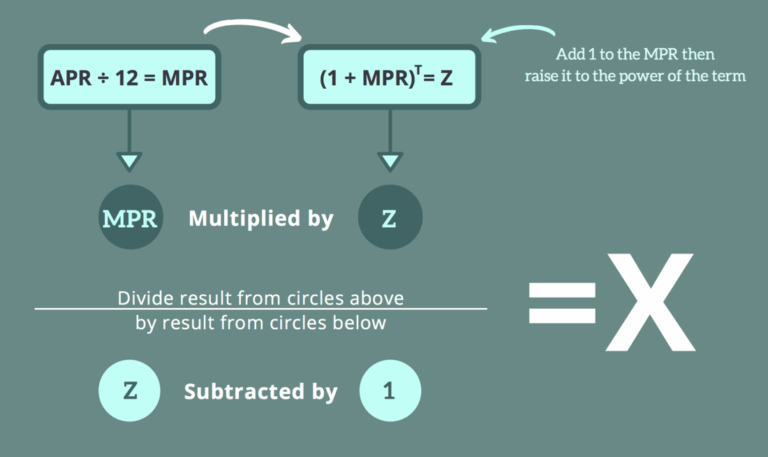
While a longer loan term means lower monthly payments, it almost always means paying more interest over time. Crunch the numbers. Use online car loan calculators to see how different terms and interest rates affect both your monthly payment and the total cost of the loan. Don’t let a seemingly affordable monthly payment blind you to the total expense.
6. Consider Refinancing When Rates Drop
If you financed your car when interest rates were high, or if your credit score has significantly improved since your initial purchase, refinancing your auto loan could be a smart move. When the Fed cuts rates, or if your credit profile strengthens, you might qualify for a lower Annual Percentage Rate (APR), which could reduce your monthly payments or the total interest you pay. It’s always worth checking if you can improve your loan terms.
7. Time Your Purchase (When Possible)
While you can’t always control when you need a new car, if you have flexibility, try to time your purchase. Sometimes, towards the end of the month, quarter, or year, dealerships are more motivated to hit sales targets and might offer better deals or incentives. Also, keep an eye on manufacturer promotions, which can sometimes include subsidized interest rates, effectively counteracting higher Fed rates.
Real-World Scenarios and Case Studies
Let’s illustrate these concepts with a couple of hypothetical scenarios to show the tangible impact of Fed rate changes.
Scenario 1: Rising Rate Environment
Imagine Sarah wants to buy a $30,000 car. When the Fed begins a series of rate hikes, general auto loan rates climb.
- Before Rate Hikes: Sarah, with a good credit score, qualifies for a 5-year (60-month) loan at 4.5% APR. Her estimated monthly payment is $560.
- After Rate Hikes: Six months later, with the Fed having raised rates several times, the best Sarah can get is 6.5% APR for the same loan. Her estimated monthly payment jumps to $587.
This seemingly small difference of $27 per month adds up to an extra $1,620 over the life of the loan. This scenario underscores the importance of monitoring rates and acting when conditions are favorable, or bolstering your personal financial profile to offset rising costs.
Scenario 2: Falling Rate Environment and Refinancing Opportunity
John bought a used car two years ago when his credit score was fair, and rates were relatively high. He secured a 6-year (72-month) loan for $20,000 at 9% APR. His monthly payment is $362.
- Initial Loan: $20,000 at 9% for 72 months = $362/month. Total interest: $6,064.
- Two Years Later: John’s credit score has improved significantly, and the Fed has cut rates to stimulate the economy. John decides to check refinancing options. He finds he can refinance the remaining $14,000 of his loan over 48 months at a new rate of 4% APR.
- Refinanced Loan: $14,000 at 4% for 48 months = $316/month. Total interest on refinanced portion: $1,168.
By refinancing, John reduces his monthly payment and saves nearly $2,000 in interest over the remaining life of the loan ($6,064 – initial interest – $1,168 = significant savings). This highlights the power of refinancing when market conditions (or your personal credit) improve.
Conclusion: Empowering Your Car Buying Journey
The Federal Reserve’s interest rate decisions are not abstract economic theories; they are tangible forces that directly and indirectly shape the cost of your car loan. From influencing the Prime Rate and lender behavior to impacting the broader economy and consumer confidence, the Fed’s invisible hand is ever-present in the auto financing landscape.
However, understanding this intricate relationship empowers you. While you can’t control the Fed, you can control your personal financial readiness. By diligently managing your credit score, maximizing your down payment, shopping around for the best lenders, and carefully evaluating loan terms, you put yourself in the strongest possible position to secure favorable auto loan rates, regardless of the prevailing economic winds.
In the end, knowledge is power. Arming yourself with a comprehensive understanding of how Fed interest rates affect car loans, combined with proactive financial strategies, ensures that you’re not just buying a car, but making a smart, informed investment in your financial future. Stay informed, stay prepared, and drive away with confidence.
External Link: For official data and publications regarding the Federal Funds Rate and the Federal Reserve’s monetary policy, visit the Board of Governors of the Federal Reserve System at www.federalreserve.gov.