The Optimal Time: How Long Should You Wait To Refinance Your Car Loan for Maximum Savings?
The Optimal Time: How Long Should You Wait To Refinance Your Car Loan for Maximum Savings? Carloan.Guidemechanic.com
Navigating the world of car loans can feel like a complex journey, filled with terms and conditions that sometimes leave us scratching our heads. One of the most powerful tools in your financial arsenal, often overlooked, is the ability to refinance your car loan. But a crucial question frequently arises: How long should you wait to refinance a car loan to truly maximize your savings and financial well-being?
Many believe there’s a magic number—a specific month or year—after which refinancing becomes ideal. Based on my experience as a financial expert and professional content writer, this simply isn’t the case. The truth is far more nuanced, depending on a confluence of personal financial circumstances, market conditions, and the specifics of your original loan.
The Optimal Time: How Long Should You Wait To Refinance Your Car Loan for Maximum Savings?
This comprehensive guide will unravel the mystery, providing you with the in-depth knowledge and actionable insights you need to determine your personal "sweet spot" for car loan refinancing. Our ultimate goal is to empower you to make an informed decision that puts more money back into your pocket, ensuring you drive away with not just a great car, but also a smart financial plan.
Understanding Car Loan Refinancing: A Quick Overview
Before we delve into the "when," let’s quickly clarify the "what" and "why" of car loan refinancing. Simply put, refinancing your car loan means replacing your existing auto loan with a new one, typically from a different lender. This new loan will come with new terms, including a different interest rate, payment amount, and loan duration.
People choose to refinance for a variety of compelling reasons. Often, it’s to secure a lower interest rate, which can significantly reduce the total cost of the loan and your monthly payments. Other times, the goal might be to lower your monthly payments by extending the loan term, providing much-needed breathing room in your budget. Conversely, some refinance to shorten their loan term, aiming to pay off the vehicle faster and reduce the overall interest paid over the life of the loan.
The benefits can be substantial, leading to hundreds or even thousands of dollars in savings over the life of your loan. However, timing is paramount to unlocking these advantages fully.
The Myth of a "Magic Waiting Period"
Let’s address the elephant in the room: there is no universal, one-size-fits-all answer to how long you should wait to refinance a car loan. If someone tells you "wait six months" or "wait a year," they’re providing an oversimplified answer that might not apply to your unique situation. Such advice can even cause you to miss out on significant savings.
The optimal time to refinance isn’t dictated by a calendar, but rather by a combination of personal financial improvements, shifts in the market, and the specific details of your original loan agreement. Instead of focusing on an arbitrary waiting period, it’s far more productive to understand the key factors that genuinely influence whether refinancing is a good idea for you right now.
As a professional in this field, I’ve seen countless scenarios where waiting too long or acting too soon based on bad advice led to missed opportunities or even financial drawbacks. The key is to be proactive and informed, consistently evaluating your situation against the prevailing financial landscape.
Key Factors Influencing Your Refinancing Timeline (The "When")
Determining the ideal moment for car loan refinancing involves evaluating several critical factors. Each of these plays a significant role in whether a new loan will genuinely offer you better terms than your current one.
1. Your Credit Score Improvement
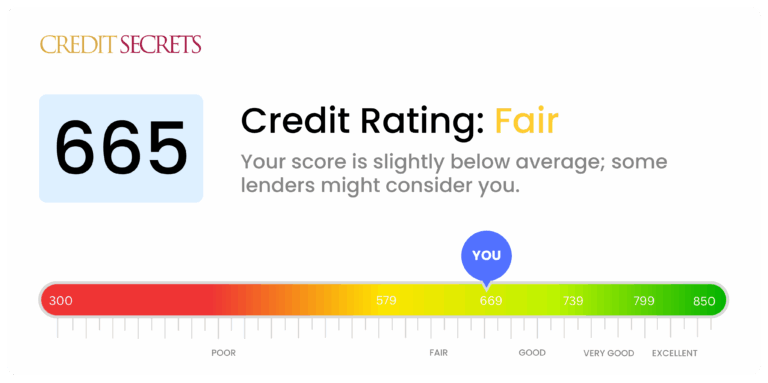
One of the most impactful reasons to consider refinancing is an improvement in your credit score since you took out your original loan. Lenders assess your creditworthiness primarily through your credit score. A higher score signals less risk, allowing you to qualify for lower interest rates.
When you initially purchased your car, perhaps your credit score wasn’t in its prime. Maybe you had a few late payments in the past, or simply a limited credit history. By consistently making on-time payments on your current car loan and other debts for several months (typically 6-12 months), you can significantly boost your score. This improvement can be the golden ticket to securing a much better APR on a refinanced loan.
Based on my experience, even a 50-point increase in your FICO score can translate into a substantial reduction in your interest rate, leading to significant monthly savings. Regularly checking your credit score (you can do this for free without impacting your score) is a pro tip that keeps you abreast of your financial standing and potential refinancing opportunities.
2. Drops in Interest Rates (Market Conditions)
Beyond your personal credit, the broader economic landscape plays a crucial role. Interest rates are dynamic and fluctuate based on various economic indicators, including decisions by the Federal Reserve. If overall auto loan interest rates have dropped since you financed your car, you might be able to secure a lower rate even if your credit score hasn’t dramatically changed.
Staying informed about market trends is essential. Financial news outlets and reputable loan comparison sites often report on average auto loan rates. A drop of even a percentage point or two in prevailing rates can make refinancing a highly attractive option. This is especially true if you locked in your original loan during a period of higher interest rates.
Proactively monitoring these rates, perhaps by signing up for email alerts from financial institutions or regularly checking comparison websites, allows you to seize an opportunity when the market shifts in your favor.
3. Current Loan Term & Payment Structure
Are you feeling burdened by high monthly payments, or conversely, do you want to pay off your car faster? Refinancing offers the flexibility to adjust your loan term to better suit your current financial goals.
If you need more breathing room in your budget, you could refinance to a longer loan term. While this might mean paying more interest over the life of the loan, it reduces your monthly payment, making your budget more manageable. Conversely, if your income has increased and you want to save on interest, you could refinance to a shorter term with higher monthly payments, allowing you to pay off the car sooner.
Understanding your current financial obligations and future goals is vital here. A new loan should align with your evolving financial picture, not just replicate your old one.
4. Your Financial Situation Has Changed
Life happens, and our financial situations are rarely static. A significant positive change in your finances is a prime indicator that it might be time to refinance. This could include:
- Increased Income: A new job, a promotion, or a significant raise means you might be able to afford higher monthly payments on a shorter term, saving you substantial interest.
- Decreased Debt Burden: If you’ve paid off other high-interest debts, like credit cards, your debt-to-income ratio improves. This makes you a more attractive borrower and frees up cash flow, potentially allowing you to shorten your auto loan term.
- Major Life Events: Getting married, having a child, or other significant life changes can alter your financial priorities and necessitate a change in your auto loan structure.
These changes are strong signals that your eligibility for better rates and terms has likely improved, making refinancing a smart move.
5. Vehicle Depreciation and Equity Position
Cars are depreciating assets, meaning their value decreases over time. When you bought your car, you likely took out a loan for its purchase price. Over time, the car’s value drops. It’s crucial to understand your equity position: the difference between your car’s current market value and the outstanding balance on your loan.
If your car has depreciated significantly and you owe more than it’s worth (known as being "upside down" or having negative equity), refinancing can be challenging. Lenders are often hesitant to finance a loan where the collateral (your car) is worth less than the loan amount. However, as time passes and you make payments, your equity position generally improves.
Pro tip from us: Regularly check your car’s estimated value using reputable online tools (like Kelley Blue Book or Edmunds). This helps you understand if you’re in a good position to refinance or if you need to build more equity before attempting it.
6. Original Loan Seasoning
While not a hard-and-fast rule, some lenders prefer to see that you’ve made a few on-time payments on your original loan before considering a refinance. This period, often referred to as "seasoning," demonstrates your reliability as a borrower. Lenders want to see a history of responsible payment behavior, even if it’s just for a few months (e.g., 3-6 months).
Refinancing too quickly after taking out your original loan, especially if your credit profile hasn’t had time to improve, might not yield the best offers. Giving it a few months allows your payment history to populate on your credit report, strengthening your application.
7. Original Loan Terms: Beware of Prepayment Penalties
Before you even consider refinancing, meticulously review the terms of your original car loan. While rare for auto loans, some agreements include prepayment penalties. These are fees charged by your current lender if you pay off your loan early. If such a penalty exists and is substantial, it could offset the savings you might gain from refinancing.
Most standard auto loans do not have prepayment penalties, but it’s always wise to double-check. Don’t assume; verify by reading your loan documents or contacting your current lender directly.
When is it Too Soon to Refinance? Common Pitfalls
Just as there’s an optimal time, there are also instances when refinancing too early can be detrimental or simply ineffective. Understanding these scenarios can help you avoid common mistakes.
- Before Your Credit Score Has Improved: If your primary reason for refinancing is to get a better interest rate, but your credit score hasn’t significantly improved since your original loan, you’re unlikely to qualify for much better terms. It’s often better to wait, focus on building your credit, and then apply.
- Immediately After Taking Out the Original Loan: As mentioned with "loan seasoning," applying for a new loan within the first month or two of your original loan might not give lenders enough payment history to assess you favorably. It also won’t allow much time for your credit score to improve from responsible payments.
- If You’re Significantly Upside Down: Being "upside down" (owing more than your car is worth) can make refinancing difficult. Lenders are wary of financing more than the collateral’s value. If you’re in this position, it might be better to wait until you’ve paid down more of the principal or your car’s value catches up.
- Without Shopping Around: A common mistake is simply accepting the first refinance offer you receive. This isn’t necessarily "too soon" in terms of timing, but it’s too soon to commit. You should always shop around with multiple lenders to ensure you’re getting the best possible rate and terms. Failing to do so could leave significant savings on the table.
The "Sweet Spot" for Refinancing: Identifying Your Opportunity
The "sweet spot" for refinancing a car loan isn’t a fixed date; it’s a dynamic window that opens when several of the favorable factors align. For many individuals, this often falls within a timeframe of 6 months to 1 year after obtaining their original loan, assuming positive changes have occurred.
During this period, you’ve likely had enough time to make several on-time payments, which can positively impact your credit score. Market interest rates may have shifted, and your personal financial situation might have improved. Furthermore, your car’s depreciation curve might not have put you in a significantly negative equity position yet, making lenders more willing to offer competitive rates.
However, it’s crucial to reiterate that this is a general guideline. Your personal "sweet spot" could be sooner if market rates drop dramatically and your credit is already strong, or it could be later if you need more time to build your credit or pay down your loan to improve your equity. From a professional perspective, the key is continuous evaluation and readiness to act when your personal circumstances and market conditions are most favorable.
Step-by-Step Guide to Refinancing Your Car Loan
Once you’ve determined that the timing is right, the refinancing process itself is straightforward. Follow these steps to ensure a smooth and successful experience:
- Check Your Credit Score and Report: Start by obtaining your current credit score and a copy of your credit report. Review your report for any errors that could be dragging down your score. A higher score translates to better interest rates. (For more tips on improving your score, check out our guide on How to Improve Your Credit Score for a Better Loan Rate – simulated internal link).
- Gather Your Loan Documents: You’ll need information about your current loan, including your lender’s name, account number, current balance, and original loan terms. You’ll also need personal identification, proof of income, and details about your vehicle (VIN, mileage, make/model).
- Shop Around for Lenders: Don’t settle for the first offer. Contact multiple banks, credit unions, and online lenders. Each will have different criteria and offer varying rates. Credit unions, in particular, often offer very competitive auto loan rates.
- Compare Offers Carefully: Look beyond just the monthly payment. Compare the Annual Percentage Rate (APR), the new loan term, and any fees (like origination fees). A lower APR is almost always better, but ensure the new term still aligns with your financial goals.
- Submit Your Application: Once you’ve chosen the best offer, complete the loan application. The lender will perform a hard credit inquiry, which might temporarily ding your score by a few points, but the impact is usually minimal and short-lived, especially if you apply to multiple lenders within a short timeframe (usually 14-45 days, which counts as a single inquiry for scoring purposes).
- Finalize the Loan: If approved, you’ll sign the new loan documents. The new lender will then pay off your old loan, and your new payments will begin according to the agreed-upon schedule.
What to Look Out For: Red Flags and Hidden Costs
While refinancing can be highly beneficial, it’s essential to be vigilant for potential pitfalls and hidden costs that could negate your savings.
- Application Fees & Origination Fees: Some lenders charge fees to process your application or originate the new loan. Always ask about these upfront. Factor them into your total cost to see if the refinancing is still worthwhile.
- Higher APR Despite Good Credit: If you’ve improved your credit score but are still being offered a high APR, it’s a red flag. This could indicate the lender is predatory or simply not competitive. Walk away and explore other options.
- Prepayment Penalties on the New Loan: Just as you checked your old loan, ensure your new loan doesn’t come with prepayment penalties. You want the flexibility to pay it off early if your financial situation allows.
- Extending the Loan Term Too Much: While a longer term means lower monthly payments, it also means paying more interest over time. Ensure the extended term aligns with your long-term financial plan and doesn’t lead to excessive interest payments.
- Pushy Sales Tactics: Reputable lenders will provide clear information and allow you time to make a decision. Be wary of any lender that pressures you into signing quickly or is unwilling to answer all your questions thoroughly.
Beyond the Numbers: The Emotional Aspect of Refinancing
While we often focus on the financial metrics—lower interest rates, reduced payments, total savings—the emotional benefits of successful refinancing are equally significant. Achieving a more manageable monthly payment can alleviate financial stress, providing peace of mind and a greater sense of control over your budget.
For many, it means freeing up funds for other important financial goals, whether that’s building an emergency fund, saving for a down payment on a home, or investing in their future. The ability to pay off debt faster can be incredibly empowering, giving you a tangible boost in your journey toward financial freedom. It’s about more than just money; it’s about confidence and stability.
Real-World Scenarios and Examples
Let’s illustrate how the timing of refinancing can play out in different real-world situations:
-
Scenario A: The Credit Score Booster (6 Months Later)
- Original Loan: $25,000 at 8% APR, 60-month term. Credit score: 620.
- Situation: After 6 months of diligent payments on all debts, Alice’s credit score jumped to 680. She also landed a better job.
- Refinancing Outcome: Alice refinances to a new $23,000 loan at 4.5% APR over 54 months. Her monthly payment drops by $50, and she saves over $1,500 in interest. The 6-month wait allowed her credit to improve, unlocking better rates.
-
Scenario B: The Market Rate Opportunist (1 Year Later)
- Original Loan: $30,000 at 6% APR, 72-month term. Credit score: 720 (already good).
- Situation: A year after buying his car, John noticed that overall auto loan rates had dropped significantly due to a shift in economic policy.
- Refinancing Outcome: John refinances to a new $27,000 loan at 3.5% APR over 60 months. Despite his credit being good initially, the market shift allowed him to secure a much lower rate, saving him nearly $2,000 in total interest and shortening his loan term.
-
Scenario C: The Budget Reliever (2 Years Later)
- Original Loan: $20,000 at 5% APR, 48-month term. Monthly payment: $460.
- Situation: Two years in, Sarah faced unexpected medical bills, making her high monthly car payment a strain. Her credit score remained stable.
- Refinancing Outcome: Sarah refinances the remaining $10,000 to a new 36-month loan at 5.5% APR (slightly higher due to market, but acceptable). Crucially, she extends the term to 48 months to lower her monthly payment by $100. While she’ll pay slightly more interest overall, the immediate budget relief was invaluable for her financial stability during a tough period.
These examples highlight that "when to refinance" is less about a fixed period and more about aligning your personal financial improvements with favorable market conditions and your evolving needs.
Frequently Asked Questions (FAQs)
Can I refinance a car loan with bad credit?
It’s more challenging, but not impossible. If your credit is "bad" (e.g., below 600), you might still find lenders specializing in subprime auto loans. However, the interest rates will likely be higher. The best strategy is to focus on improving your credit score before refinancing to secure more favorable terms.
Does refinancing hurt my credit score?
Applying for a new loan involves a "hard inquiry," which can temporarily lower your credit score by a few points. However, this impact is usually minor and short-lived. If refinancing results in lower payments that you consistently make on time, or helps you pay off the loan faster, the long-term effect on your credit can be positive.
How many times can I refinance a car loan?
There’s generally no strict limit on how many times you can refinance. As long as you qualify for better terms and it makes financial sense, you can refinance multiple times. However, frequent refinancing might raise red flags for lenders if done too often in a short period, and repeated hard inquiries can have a cumulative minor impact on your credit score.
What documents do I need to refinance?
Typically, you’ll need: proof of identity (driver’s license), proof of income (pay stubs, tax returns), proof of residence (utility bill), current loan information (statement, account number), and vehicle details (VIN, mileage, title).
How long does the refinancing process take?
The entire process, from application to funding, can take anywhere from a few days to a couple of weeks, depending on the lender and how quickly you provide the necessary documentation. Online lenders often offer the quickest turnaround times.
Conclusion: Your Personal Refinancing Roadmap
Determining how long you should wait to refinance a car loan is a highly personal decision, not bound by a generic timeline. It’s about strategically aligning your improved financial standing with favorable market conditions and your evolving personal needs. By diligently monitoring your credit score, tracking interest rate trends, and being proactive in assessing your financial situation, you can identify your unique "sweet spot" for refinancing.
The goal isn’t just to replace your loan; it’s to secure better terms that empower you financially, whether that means lower monthly payments, reduced total interest, or a faster path to debt freedom. Don’t let the fear of the unknown hold you back. Arm yourself with knowledge, carefully evaluate your options, and when the time is right, act decisively.
Ready to take control of your car loan? Start by checking your credit score and exploring current auto loan rates. Your journey to significant savings might be just around the corner. For more insights on managing your personal finances, consider exploring resources like the Consumer Financial Protection Bureau (CFPB) at consumerfinance.gov for trusted, unbiased information.