The Ultimate Guide: Best Way To Get Rid Of A Car Loan and Achieve Financial Freedom
The Ultimate Guide: Best Way To Get Rid Of A Car Loan and Achieve Financial Freedom Carloan.Guidemechanic.com
Is your car loan feeling like a heavy anchor, weighing down your finances and limiting your freedom? You’re not alone. Millions of people grapple with car debt, but the good news is, there are effective strategies to get rid of a car loan, often much sooner than you think. This comprehensive guide will explore every viable option, offering in-depth insights, practical tips, and expert advice to help you navigate your way to financial liberation.
Getting out from under a car loan isn’t just about saving money; it’s about reclaiming a significant portion of your monthly budget and gaining peace of mind. Whether you’re looking to pay off your car early, sell your financed vehicle, or simply reduce your monthly burden, understanding your choices is the first step. Let’s dive deep into the best ways to get rid of a car loan and unlock your financial potential.
The Ultimate Guide: Best Way To Get Rid Of A Car Loan and Achieve Financial Freedom
Why Getting Rid of Your Car Loan Early Matters
Before we explore the "how," let’s briefly discuss the "why." While a car loan allows you to drive the vehicle you need, carrying that debt has tangible financial consequences. Understanding these can be a powerful motivator to seek the best way to get rid of a car loan.
First and foremost, paying off your car loan early significantly reduces the total interest you’ll pay over the life of the loan. Car loans, even at relatively low interest rates, can add hundreds or even thousands of dollars to the original price of your vehicle. By shortening the loan term, you essentially cut off the flow of interest accrual.
Secondly, eliminating your car payment frees up a substantial amount of cash in your monthly budget. Imagine what you could do with an extra few hundred dollars each month! This newfound financial flexibility can be directed towards other important goals, such as saving for a down payment on a house, investing, building an emergency fund, or tackling higher-interest debts like credit cards.
Finally, getting rid of your car loan provides immense psychological relief. The feeling of owning your vehicle outright, free from monthly obligations, is truly empowering. It reduces financial stress and gives you a greater sense of control over your financial future.
Understanding Your Current Car Loan
Before you can strategically get rid of a car loan, you need to thoroughly understand its current terms. This foundational knowledge will empower you to make informed decisions.
Your car loan agreement details several key components: the principal amount, the interest rate (APR), the loan term, and your monthly payment. The principal is the original amount you borrowed, while the interest rate determines the cost of borrowing that money. The loan term specifies how long you have to repay the loan, typically measured in months.
It’s also crucial to understand your amortization schedule. This schedule breaks down how each of your payments is allocated between principal and interest over the life of the loan. Early in the loan term, a larger portion of your payment goes towards interest, while later payments contribute more to reducing the principal.
Pro tip from us: Always request a payoff quote from your lender before making any significant moves. This quote will give you the exact amount needed to fully satisfy the loan on a specific date, accounting for any accrued interest. Don’t rely solely on your online balance, as it might not include daily interest accrual.
Key Strategies: The Best Way To Get Rid Of A Car Loan
Now, let’s explore the core strategies to get rid of your car loan. Each approach has its own merits and considerations, depending on your financial situation and goals.
1. Aggressive Early Payoff: Accelerating Your Debt Freedom
One of the most straightforward and effective ways to get rid of a car loan is by paying it off faster than scheduled. This strategy directly targets the principal, reducing the amount of interest you’ll pay over time.
Making Extra Payments
The simplest method is to make extra payments whenever possible. Even small additional contributions can make a significant difference. Consider sending in an extra $50 or $100 with your regular monthly payment. This additional money goes directly towards reducing your loan principal, which in turn reduces the total interest you pay and shortens your loan term.
Another popular technique is making bi-weekly payments. Instead of one payment a month, you pay half your monthly amount every two weeks. Since there are 52 weeks in a year, this results in 26 half-payments, effectively making 13 full monthly payments instead of 12. This subtle shift can shave months, or even a year, off your loan term.
Lump Sum Payments
If you receive unexpected windfalls, such as a work bonus, tax refund, or inheritance, consider dedicating a portion or all of it to a lump sum payment on your car loan. A large one-time payment can dramatically reduce your principal balance, leading to substantial interest savings and a quicker payoff.
Based on my experience: Many people underestimate the power of these smaller, consistent extra payments. They might seem insignificant at first, but over time, they snowball into huge savings. Even rounding up your payment to the nearest $50 or $100 can make a real difference.
Adapting Debt Payoff Methods
You can also adapt popular debt payoff strategies like the debt snowball or debt avalanche to your car loan. If your car loan has a higher interest rate than other debts, the debt avalanche method (paying off highest interest debt first) would prioritize it. If you need a motivational boost from quick wins, the debt snowball (paying off smallest debt first) might be more appealing, assuming your car loan is one of your smaller debts.
For detailed guidance on how to budget effectively to find extra cash for these payments, you might find our article on helpful. (This is a placeholder for an internal link).
2. Refinancing Your Car Loan: Securing Better Terms
Refinancing your car loan involves taking out a new loan to pay off your existing one. This strategy is particularly effective if you can secure a lower interest rate or a shorter loan term, which can significantly reduce your total cost and accelerate your payoff.
When Refinancing Makes Sense
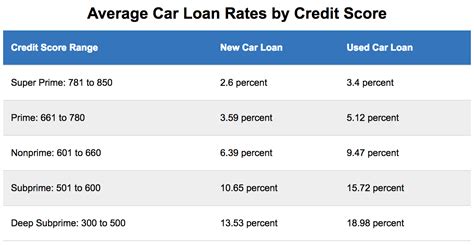
Refinancing is an excellent option if your credit score has improved since you first took out the loan, if interest rates have dropped, or if you initially accepted a high-interest loan due to limited options. A lower interest rate means more of your monthly payment goes towards the principal, speeding up your payoff.
You might also consider refinancing to shorten your loan term. While this usually means a higher monthly payment, it drastically reduces the amount of interest you pay over the life of the loan. Conversely, some people refinance to extend their loan term and lower their monthly payments, though this will result in paying more interest overall. Be cautious with this approach if your goal is to get rid of the loan faster.
How to Qualify and Apply
To qualify for refinancing, lenders will typically look at your credit score, debt-to-income ratio, and the value of your car. A strong credit score is key to securing the best rates. You’ll need to gather documents such as your current loan statements, proof of income, and vehicle information.
Shop around with multiple lenders – banks, credit unions, and online lenders – to compare interest rates and terms. Don’t just accept the first offer. Getting pre-approved from several institutions allows you to choose the best deal for your situation.
Common mistakes to avoid are: not checking your credit score before applying, and only getting a quote from your current lender. Always compare offers to ensure you’re getting the most competitive rate.
3. Selling Your Car (with a Loan): A Direct Route to Debt Elimination
Selling your car can be the fastest way to get rid of a car loan, especially if you have positive equity. However, it requires careful planning, especially if you still owe money on the vehicle.
Understanding Equity: Positive vs. Negative
Before selling, you need to determine your car’s equity. This is the difference between your car’s market value and the outstanding balance on your loan.
- Positive Equity: Your car is worth more than what you owe. This is the ideal scenario for selling.
- Negative Equity (Upside Down): You owe more on the car than its current market value. This situation requires more careful consideration.
You can estimate your car’s value using online tools like Kelley Blue Book or Edmunds. Then, request a payoff quote from your lender to determine your exact outstanding balance.
Process for Positive Equity
If you have positive equity, selling your car privately or to a dealership is relatively straightforward. The sale price covers your loan balance, and you keep the difference. When selling privately, you’ll need to work with the buyer and your lender to ensure the loan is paid off and the title is transferred correctly. This usually involves meeting at your bank or a notary public.
Pro tips from us: For a private sale, prepare your car by cleaning it thoroughly, gathering all maintenance records, and taking good quality photos. Price it competitively based on market research.
Process for Negative Equity
Selling a car with negative equity is more challenging. You’ll need to come up with the difference between the sale price and your loan payoff amount out of pocket. For example, if you sell your car for $10,000 but owe $12,000, you’ll need to pay the lender $2,000 to clear the loan and transfer the title.
If you cannot cover the difference, you might consider taking out a personal loan for the deficit, but this should be weighed carefully against the interest rate of the new loan. Alternatively, you could try to negotiate with your lender for a short-sale, though this is rare for car loans and typically reserved for extreme hardship.
4. Trading In Your Car (with a Loan): A Convenient, But Cautious, Option
Trading in your car at a dealership when purchasing a new vehicle is a convenient way to get rid of your existing car loan, but it comes with its own set of potential pitfalls, especially if you have negative equity.
How Trade-Ins Work with a Loan
When you trade in a car with a loan, the dealership will assess its value. This value is then applied to your new car purchase, and the dealership handles paying off your old loan.
If you have positive equity, the dealership will apply that equity towards the down payment of your new car, or reduce the total amount you need to finance. This is the best-case scenario.
The Dangers of Rolling Over Negative Equity
The real danger arises when you have negative equity. If your trade-in value is less than your loan balance, the dealership might offer to "roll over" the negative equity into your new car loan. This means the unpaid portion of your old loan is added to the principal of your new loan.
Based on my experience: Rolling over negative equity is a common mistake that can trap you in a cycle of debt. It immediately puts you upside down on your new vehicle, meaning you owe more than it’s worth from day one. This makes it harder to sell or trade in that car in the future without incurring further debt. Avoid this if at all possible.
Negotiation Tips
Always negotiate the price of your new car and the value of your trade-in separately. Don’t let the dealership lump them together. Know your car’s value before you go to the dealership, and be prepared to walk away if the trade-in offer is too low, especially if you have negative equity.
5. Debt Consolidation or Personal Loan (for Negative Equity): A Strategic Move
If you’re stuck with negative equity and need to get rid of your car loan but can’t cover the difference out of pocket, a debt consolidation loan or a personal loan could be a strategic, albeit carefully considered, option.
When to Consider This
This strategy is primarily for situations where selling your car with negative equity is the best overall financial move, but you lack the cash to bridge the gap. For instance, if your current car is unreliable, has high maintenance costs, or is simply too expensive to maintain, replacing it might be necessary.
A personal loan could cover the negative equity, allowing you to sell the car and be free of the car loan entirely. This leaves you with a smaller, potentially lower-interest personal loan that might be easier to pay off than remaining "upside down" on a depreciating asset.
Pros and Cons
Pros: It allows you to eliminate the car loan, potentially reducing overall interest if the personal loan has a lower APR. It also provides a clean slate for a new, more affordable vehicle purchase, or the ability to go car-free temporarily.
Cons: You’re still taking on new debt. The interest rate on a personal loan can sometimes be higher than a car loan, depending on your credit. You need a solid plan to pay off this new loan quickly to avoid accumulating more interest.
Common mistakes to avoid are: taking a personal loan with an interest rate higher than your car loan, and not having a clear repayment plan. This strategy should only be pursued if it significantly improves your overall financial standing.
6. Surrendering Your Car (Last Resort – Use Extreme Caution)
While technically a way to "get rid of" a car loan, surrendering your vehicle to the lender is almost always a last resort and can have severe negative consequences.
When you surrender your car, the lender sells it, typically at auction, for less than its market value. You remain responsible for the "deficiency balance"—the difference between what you owed and what the car sold for, plus repossession and auction fees. This deficiency can be substantial.
Furthermore, a voluntary surrender will severely damage your credit score, making it difficult to obtain future loans or credit cards. It’s a decision that should only be made after exploring all other options and consulting with a financial advisor.
Building a Plan for Success: Getting Rid of Your Car Loan
Successfully getting rid of your car loan requires more than just knowing your options; it demands a clear plan and consistent action.
- Assess Your Current Situation: Gather all your loan documents. Understand your interest rate, remaining balance, and monthly payment. Know your car’s current market value and your equity position.
- Create a Realistic Budget: The foundation of any financial goal is a solid budget. Identify areas where you can cut expenses to free up extra cash for additional payments or to save for a negative equity gap. Our article, , offers excellent insights into this. (This is a placeholder for an internal link).
- Set Clear Goals: Decide which strategy is best for you. Do you want to pay it off entirely? Refinance for a lower payment? Sell the car? Set a specific target date for achieving your goal.
- Monitor Your Progress: Regularly check your loan balance and track your extra payments. Seeing your principal decrease can be incredibly motivating and help you stay on track.
- Stay Disciplined: Getting rid of a car loan early often requires sacrifices and consistent effort. Stick to your budget and your payment plan, even when it feels challenging.
Pro tips from us: Automate your extra payments. Set up an automatic transfer from your checking account to your loan every month for a fixed extra amount. This ensures consistency and prevents you from "forgetting" to make the additional payment.
Common Mistakes to Avoid When Getting Rid of a Car Loan
Based on my experience, there are several pitfalls that people often stumble into when trying to get rid of a car loan. Being aware of these can save you time, money, and frustration.
- Ignoring Negative Equity: Pretending negative equity doesn’t exist won’t make it go away. It’s crucial to acknowledge it and plan how to address it, whether by paying it down or carefully considering your selling/trading options.
- Not Shopping Around for Refinancing: Accepting the first refinancing offer you receive is a common mistake. Always compare rates and terms from multiple lenders to ensure you’re getting the best deal. Even a half-percent difference can save you hundreds over the life of the loan.
- Rolling Over Negative Equity Blindly: As discussed, adding negative equity to a new car loan is almost always a bad financial move. It compounds your debt and makes it harder to achieve financial freedom. Explore all other options first.
- Not Understanding Your Loan Terms: Always read the fine print. Some loans have prepayment penalties, although these are less common with car loans today. Knowing your terms prevents unpleasant surprises.
- Failing to Budget: Without a clear understanding of your income and expenses, it’s difficult to find the extra money needed to accelerate your car loan payoff. A budget is your roadmap to financial success.
Conclusion: Your Path to Car Loan Freedom
Getting rid of a car loan, whether through aggressive payoff, smart refinancing, or strategic selling, is a powerful step towards greater financial stability and peace of mind. It frees up your monthly budget, reduces interest payments, and eliminates a significant source of debt.
By understanding your current loan, exploring the various strategies available, and committing to a solid plan, you can successfully navigate your way to being car-loan-free. Don’t let your car loan dictate your financial future. Take control today and embark on the best way to get rid of a car loan, paving your way to true financial freedom.