The Ultimate Guide: Best Way To Trade In A Car With A Loan (Even If You’re Upside Down)
The Ultimate Guide: Best Way To Trade In A Car With A Loan (Even If You’re Upside Down) Carloan.Guidemechanic.com
Thinking about upgrading your ride, but still owe money on your current vehicle? You’re not alone. Trading in a car with an existing loan is a common scenario, and it can feel daunting. Many people believe they’re stuck until their loan is paid off, but that’s simply not true.
The truth is, with the right knowledge and strategy, you can successfully trade in your financed car and drive away in a new one. This comprehensive guide will walk you through the "best way to trade in a car with a loan," providing you with the insights and actionable steps needed to navigate the process confidently and secure the best possible deal. Let’s dive in!
The Ultimate Guide: Best Way To Trade In A Car With A Loan (Even If You’re Upside Down)
Understanding Your Current Car Loan Situation: The Crucial First Step
Before you even step foot on a dealership lot, you need a clear picture of your financial standing. This foundational knowledge is the cornerstone of making an informed decision and negotiating effectively. Skipping this step is one of the most common mistakes people make.
1. Determine Your Car’s Current Market Value
Your car’s value isn’t just a number; it’s a critical piece of the puzzle. This value dictates how much a dealership might offer you for your trade-in, or what you could get in a private sale. Don’t rely on guesswork here.
To get an accurate estimate, use reputable online valuation tools like Kelley Blue Book (KBB), Edmunds, and NADAguides. These platforms consider factors such as your car’s make, model, year, mileage, condition, and optional features. Take the time to be honest about your vehicle’s condition – dings, scratches, and mechanical issues all impact the appraisal.
Pro tip from us: Get estimates from at least two different sources. Print them out and bring them with you. This gives you a strong negotiation baseline and shows dealerships you’ve done your homework.
2. Know Your Exact Loan Payoff Amount
This is perhaps the most critical piece of information you need. Your loan payoff amount is the total sum required to fully satisfy your current car loan. It’s important to understand that this isn’t simply the remaining balance you see on your last statement or online account.
The payoff amount includes the principal balance, any accrued interest since your last payment, and sometimes even a small administrative fee. You must contact your lienholder (the bank or credit union that holds your loan) directly to request an official 10-day or 15-day payoff quote. They will provide a specific amount that is valid for a set period.
Common mistake to avoid are: Using your online account balance as the payoff. This can lead to a significant miscalculation, leaving you short when it’s time to close the deal. Always get an official quote.
3. Calculate Your Equity: Positive or Negative?
Once you have both your car’s market value and your loan payoff amount, you can calculate your equity. This calculation reveals your financial position and dictates your options for the trade-in.
-
Positive Equity: This is the ideal scenario. If your car’s market value is greater than your loan payoff amount, you have positive equity. For example, if your car is worth $15,000 and your payoff is $12,000, you have $3,000 in positive equity. This equity can be applied towards the purchase of your new vehicle, effectively reducing its price or your new loan amount. It’s like having a built-in down payment.
-
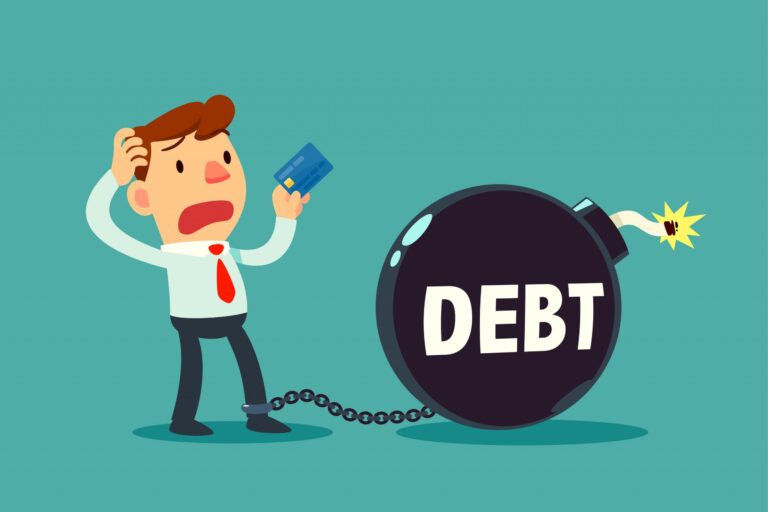
Negative Equity (Being "Upside Down"): This is a more common, and often trickier, situation. You have negative equity when your car’s market value is less than your loan payoff amount. For instance, if your car is worth $10,000 but you still owe $13,000, you have $3,000 in negative equity. This means you owe more on the car than it’s currently worth. Navigating negative equity requires a strategic approach, which we’ll cover next.
Navigating Negative Equity: Your Options When Upside Down
If you find yourself with negative equity, don’t panic. It’s a common challenge, but you have several paths forward. The "best way to trade in a car with a loan" when you’re upside down involves understanding these options and choosing the one that best fits your financial situation.
1. Roll Over the Negative Equity into Your New Loan
This is often the easiest, and therefore the most frequently chosen, option when dealing with negative equity. The dealership will simply add the difference between your trade-in value and your payoff amount to your new car loan. For example, if you have $3,000 in negative equity, and you’re buying a $25,000 car, your new loan would effectively be for $28,000 (plus taxes, fees, etc.).
While convenient, rolling over negative equity has significant financial implications. It increases the principal amount of your new loan, leading to higher monthly payments and a longer loan term. You’ll also pay more interest over the life of the new loan, essentially paying interest on money you owed on a previous car.
Based on my experience: While this option provides immediate relief, it can create a cycle of negative equity. You start your new car ownership journey already "upside down," making it harder to build equity quickly. Consider this a last resort if other options aren’t feasible.
2. Pay the Difference Out-of-Pocket
If you have the financial means, paying the negative equity out-of-pocket is often the most financially sound choice. By doing so, you clear your old loan entirely, and your new car loan starts with a clean slate.
This approach prevents you from paying interest on the old debt and keeps your new loan amount lower. It can result in lower monthly payments, a shorter loan term, and faster equity accumulation in your new vehicle. If your negative equity is manageable, this is a highly recommended strategy.
3. Refinance Your Current Loan (If Not in a Rush)
If you’re not in an immediate rush to trade in your car, refinancing your current loan could be a smart move. This involves securing a new loan with a lower interest rate or a shorter term, which can help you pay down your principal faster and build positive equity.
A lower interest rate reduces the overall cost of your loan, while a shorter term increases your monthly payments but allows you to pay off the car more quickly. This strategy is particularly effective if your credit score has improved since you first financed the car. For more detailed information, you might want to check out our comprehensive guide on how to refinance your car loan (internal link placeholder).
4. Sell Your Car Privately
Selling your car privately can often fetch a higher price than a dealership trade-in offer, which could help mitigate or even eliminate negative equity. However, this option comes with its own set of challenges.
You’ll be responsible for marketing the car, dealing with potential buyers, and managing the paperwork. Crucially, you’ll need to coordinate with your lienholder to release the title once the buyer pays off the loan. This process requires trust and careful documentation, as the buyer’s funds will directly go to your lender.
Pro Tip: Carefully weigh the potential for a higher selling price against the time, effort, and potential complications of a private sale. Sometimes, the convenience of a trade-in, even with a slightly lower offer, is worth it.
The Trade-In Process: Step-by-Step for Success
Once you understand your equity situation and have considered your options, you’re ready to engage with dealerships. The "best way to trade in a car with a loan" involves being prepared, persistent, and precise during negotiations.
1. Research and Prepare Your Vehicle
Preparation is key to maximizing your trade-in value. Start by thoroughly cleaning your car, both inside and out. A clean, well-maintained vehicle always makes a better first impression and suggests it has been cared for. Consider minor repairs if they’re cost-effective and significantly improve the car’s appearance or functionality.
Gather all relevant documents: your current loan information (payoff quote), maintenance records, and any spare keys. Having everything organized shows you’re a serious seller and streamlines the process.
Common mistake to avoid are: Bringing in a dirty car with an empty gas tank. This signals to the dealer that you haven’t valued the car, which can subtly influence their offer downwards.
2. Get Multiple Trade-In Offers
Never accept the first offer you receive for your trade-in. Visit several dealerships, even those that don’t sell the specific car you’re looking for. Many dealerships are willing to purchase vehicles outright, giving you leverage.
Online platforms like Carvana, Vroom, and Shift also provide instant cash offers for your car. These can be excellent benchmarks to gauge a fair market value for your trade-in. The more offers you have, the stronger your negotiating position.
3. Negotiate Your Trade-In Separately from the New Car Purchase
This is a critical strategy for securing the "best way to trade in a car with a loan." Dealers often try to combine the trade-in negotiation with the new car price and financing terms. This "four-square" method can make it difficult to see where you’re truly getting a good deal and where you’re being shortchanged.
Insist on getting a firm, written offer for your trade-in before discussing the price of the new car. Once you’ve agreed on a trade-in value, then you can shift your focus to negotiating the price of the vehicle you want to buy. This unbundling ensures transparency and allows you to optimize both sides of the transaction.
Based on my experience: Dealers who are unwilling to separate these negotiations might be trying to hide a low trade-in offer or inflate the new car price. Be firm and prepared to walk away if they won’t play ball.
4. Understand the Paperwork and Finalize the Deal
Once you’ve agreed on the trade-in value and the new car’s price, it’s time for the paperwork. Carefully review all documents, especially the bill of sale and the new loan agreement. Ensure the trade-in amount is accurately reflected and that the dealer explicitly states they are paying off your old loan.
The contract should clearly outline the payoff amount for your old loan and confirm that the dealership is responsible for sending that payment to your lienholder. Get everything in writing. You should also receive confirmation from your old lender that the loan has been paid off within a few weeks.
Pro Tip: Don’t hesitate to ask questions if anything is unclear. Take your time reading through every line item. This is a significant financial transaction, and you have every right to understand every detail.
Key Considerations for Your New Car Purchase
Beyond the trade-in itself, your new car purchase requires careful thought. The "best way to trade in a car with a loan" isn’t just about getting rid of your old vehicle; it’s about making a smart investment in your next one.
1. New Car Affordability
Before you fall in love with a new car, ensure it truly fits your budget. Factor in not just the monthly loan payment, but also estimated insurance costs, fuel, and potential maintenance. If you rolled over negative equity, remember that your new payments will be higher, potentially straining your budget.
A good rule of thumb is that your total car expenses (payment, insurance, fuel, maintenance) shouldn’t exceed 10-15% of your take-home pay. Don’t let the excitement of a new vehicle lead you to overextend yourself financially.
2. Interest Rates and Loan Terms
Shop around for financing before you go to the dealership. Get pre-approved for a loan from your bank or credit union. This gives you a competitive interest rate to compare against the dealer’s financing offers. Having your own financing in hand empowers you during negotiations, as you can choose the best option.
Be cautious of overly long loan terms (e.g., 72 or 84 months). While they offer lower monthly payments, you’ll pay significantly more in interest over the life of the loan and remain "upside down" for a longer period. For more information on understanding car loan terms, you can refer to Investopedia’s guide on auto loans (external link placeholder).
3. Dealership Tactics to Be Aware Of
Dealerships are in the business of making a profit, and they employ various sales tactics. Be aware of the "four-square" method mentioned earlier, where they try to combine the new car price, trade-in value, down payment, and monthly payment into one confusing negotiation. Focus on the "out-the-door" price – the total amount you will pay for the new vehicle, including all taxes and fees.
Avoid fixating solely on the monthly payment, as a dealer can easily lower it by extending the loan term, costing you more in the long run. Patience and firmness are your best allies in these negotiations.
Based on my experience: A good salesperson will listen to your needs, but a great one will try to optimize their profit. Your job is to be an informed consumer who knows their numbers.
When Is the "Best Way To Trade In A Car With A Loan" Not to Trade?
Sometimes, despite all the planning, the numbers just don’t add up. Knowing when not to trade in your car can save you from a significant financial mistake.
If you have a very high amount of negative equity that would severely inflate your new loan or make your monthly payments unaffordable, it might be wiser to wait. Rolling over thousands of dollars of negative equity can put you in a precarious financial position for years to come.
Similarly, if you’re feeling pressured to trade in when it’s not financially optimal, step back. Sometimes, the smartest move is to focus on paying down your current loan for a few more months or even a year. Every extra payment you make towards the principal reduces your debt and builds equity, making your eventual trade-in much smoother and more affordable.
Pro Tip: Evaluate your urgency. Is a new car a "want" or an absolute "need"? If it’s a want, giving yourself more time to improve your equity position is almost always the "best way" forward.
Conclusion: Empower Yourself for the Best Trade-In Experience
Trading in a car with a loan doesn’t have to be a stressful ordeal. By understanding your financial situation, knowing your options for negative equity, and approaching the dealership with preparation and confidence, you can achieve the "best way to trade in a car with a loan."
Remember, knowledge is power. Arm yourself with your car’s value, your loan payoff amount, and a clear understanding of your budget. Don’t be afraid to negotiate, compare offers, and walk away if the deal isn’t right. With these strategies, you’re not just trading in a car; you’re making a smart financial decision that sets you up for success in your next vehicle. Start your research today and drive away happy!