The Ultimate Guide to 0 Down Car Loans: Drive Away Without Upfront Cash
The Ultimate Guide to 0 Down Car Loans: Drive Away Without Upfront Cash Carloan.Guidemechanic.com
Dreaming of a new car but worried about the hefty down payment? You’re not alone. For many aspiring car owners, the idea of paying thousands of dollars upfront can feel like an insurmountable barrier. This is where 0 down car loans come into play, offering an enticing pathway to vehicle ownership without dipping into your savings from day one.
But what exactly are these loans, and are they truly the golden ticket they appear to be? As an expert in auto financing, I’ve seen countless individuals navigate the complexities of car loans. This comprehensive guide will demystify 0 down car loans, exploring their mechanics, benefits, drawbacks, and crucial tips for securing one. Our goal is to equip you with the knowledge needed to make an informed decision, ensuring you drive away not just with a new car, but also with financial peace of mind.
The Ultimate Guide to 0 Down Car Loans: Drive Away Without Upfront Cash
What Exactly Are 0 Down Car Loans? Unpacking the Concept
A 0 down car loan, often referred to as a "no money down car loan" or "zero down auto loan," is precisely what its name suggests: a financing agreement where you don’t have to make any initial payment when purchasing a vehicle. Instead of putting a portion of the car’s price down upfront, the lender finances the entire purchase price, including any taxes, fees, and sometimes even negative equity from a trade-in.
In a traditional car loan, a down payment acts as a buffer for the lender. It reduces their risk and ensures you have some immediate equity in the vehicle. With a 0 down loan, that buffer is removed, meaning the lender takes on a greater initial risk. This fundamental difference shapes the terms and eligibility requirements for these types of loans.
While the concept sounds straightforward, the implications are significant. It means your loan amount will be higher than if you had made a down payment. This larger principal impacts your monthly payments and the total interest you’ll accrue over the life of the loan. Understanding this core mechanism is crucial before you consider this financing option.
The Allure of Zero Down: Why Are They So Popular?
The appeal of 0 down car loans is undeniable, drawing in a wide range of buyers for various compelling reasons. The primary draw is the immediate gratification of driving away in a new or used vehicle without depleting your immediate cash reserves. This convenience can be a game-changer for many.
One major factor is the preservation of savings. Many individuals prefer to keep their emergency funds intact or allocate their savings towards other financial goals, such as a home down payment or investments. A zero-down option allows them to acquire a vehicle without disrupting these plans. It’s about managing cash flow effectively.
Furthermore, these loans offer a solution for those who urgently need a car but haven’t had time to save up a significant down payment. This could be due to an unexpected vehicle breakdown, a new job requiring a commute, or other sudden life changes. The immediate accessibility of a vehicle without upfront cost makes these loans highly attractive in such situations.
The Advantages of Opting for a 0 Down Car Loan
Choosing a 0 down car loan can offer several distinct benefits, particularly for individuals in specific financial circumstances. Understanding these advantages can help you determine if this option aligns with your personal needs and goals.
First and foremost, the most obvious benefit is the elimination of an upfront cash outlay. You won’t need to save up thousands of dollars before purchasing your desired vehicle. This preserves your liquidity, allowing you to retain your savings for other important expenditures, investments, or simply to maintain a healthy emergency fund. It means you can drive off the lot sooner.
Secondly, a 0 down loan provides faster access to a vehicle. If your current car has broken down unexpectedly, or if you’ve landed a new job that requires reliable transportation immediately, waiting to save for a down payment isn’t always an option. These loans bridge that gap, allowing you to meet urgent transportation needs without delay. It’s about efficiency and speed.
Based on my experience, keeping your emergency funds intact is a significant psychological and practical advantage. Life is unpredictable, and having a financial safety net is paramount. A 0 down loan ensures you don’t have to compromise this critical fund to get a car, offering a layer of security against unforeseen expenses. This can prevent you from falling into further debt down the line.
Finally, for those who are strategic about their money, a zero down auto loan can free up capital that could potentially be invested elsewhere for a higher return. While this requires careful financial planning and a solid understanding of investment risks, it’s a valid consideration for financially savvy individuals looking to maximize their assets. It’s about opportunity cost.
The Potential Pitfalls: Disadvantages You Must Consider
While the appeal of 0 down car loans is strong, it’s crucial to approach them with a clear understanding of their potential drawbacks. These loans aren’t without their complexities, and overlooking the downsides can lead to significant financial strain down the road.
A primary disadvantage is higher monthly payments. Since you’re financing the entire purchase price of the vehicle, your principal loan amount will be larger. A larger loan amount, even with the same interest rate and loan term, will inevitably result in higher monthly installments compared to a loan with a substantial down payment. This can strain your monthly budget.
Another significant concern is that you will likely pay more interest over the life of the loan. A larger principal means more interest accrues each month. Even if the interest rate is competitive, the total amount of interest paid over a 5- or 6-year loan term can add up considerably, making the overall cost of the car much higher than if you had put money down. This often goes unnoticed in the excitement of a new car.
Pro tips from us: Be extremely wary of entering a situation of negative equity, also known as being "upside down" on your loan. With no down payment, you immediately owe more than the car is worth the moment you drive it off the lot. Cars depreciate rapidly, especially in the first year. If your car is totaled or stolen early on, or if you need to sell it, you could owe more than the insurance payout or sale price, leaving you to pay the difference out of pocket.
Furthermore, stricter eligibility criteria are often associated with 0 down car loans. Lenders take on more risk, so they typically reserve these offers for borrowers with excellent credit scores, stable employment histories, and low debt-to-income ratios. If your financial profile isn’t pristine, securing a true 0 down loan with favorable terms can be challenging, if not impossible.
Who Qualifies for a 0 Down Car Loan? The Eligibility Blueprint
Securing a 0 down car loan isn’t always a walk in the park; lenders have stringent requirements because they’re taking on a higher risk. Understanding these eligibility criteria is the first step toward determining if this option is viable for you.
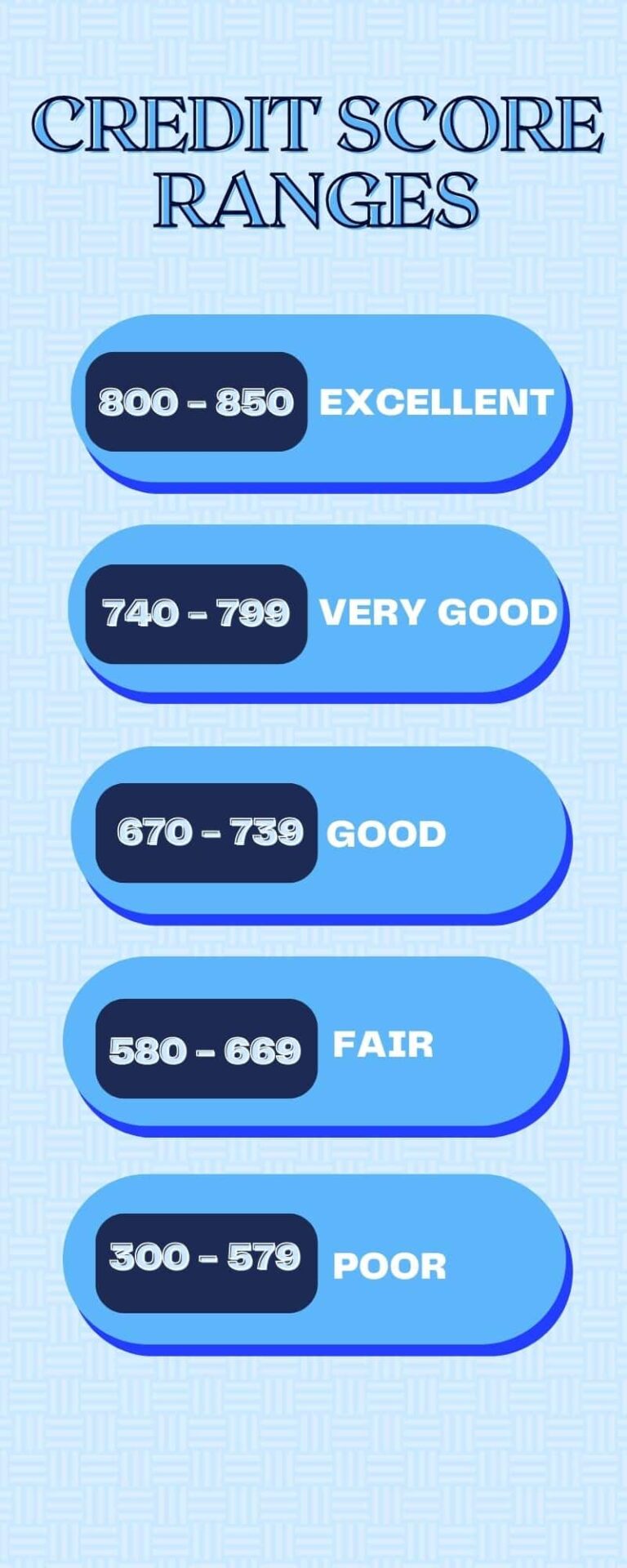
The most critical factor is an excellent credit score. Lenders typically look for scores in the upper 700s, often 720 and above. A high credit score signals to lenders that you are a reliable borrower with a history of responsible debt management. Without a strong credit profile, you’ll likely face higher interest rates or be required to make a down payment. Your credit history is your financial resume.
Secondly, a stable income and employment history are paramount. Lenders want assurance that you have the consistent financial capacity to meet your monthly loan obligations. This usually means demonstrating steady employment for at least two years and a reliable income source that comfortably covers your car payment along with all your other expenses. They need to see a predictable cash flow.
Common mistakes to avoid are underestimating the importance of your debt-to-income (DTI) ratio. This ratio compares your total monthly debt payments to your gross monthly income. Lenders prefer a low DTI, typically below 36%, as it indicates you aren’t overextended and have sufficient disposable income to handle a new car payment. A high DTI can be a major red flag, even with good credit.
Finally, the type of vehicle you intend to purchase can also play a role. Lenders are often more willing to offer 0 down options for new cars or late-model used cars that hold their value well. Older or less reliable vehicles might be deemed too risky for a no-money-down scenario due to their higher depreciation rate and potential maintenance costs. They want collateral that retains value.
Navigating the Application Process: Your Step-by-Step Guide
The journey to securing a 0 down car loan involves several key steps, each requiring careful attention. Approaching the process methodically will increase your chances of approval and help you land the best possible terms.
Begin by checking your credit score and report. Before you even think about visiting a dealership, know exactly where you stand. Obtain a free copy of your credit report from each of the three major bureaus (Equifax, Experian, TransUnion) and review them for any errors. Correcting inaccuracies can significantly boost your score. Your credit score will largely dictate the loan terms you’re offered.
Next, create a realistic budget. While a 0 down loan means no initial cash, you’ll still have monthly payments, insurance, fuel, and maintenance costs. Determine how much you can comfortably afford each month without stretching your finances thin. Don’t just focus on the car payment; consider the total cost of ownership. This ensures long-term affordability.
Gather all necessary financial documents. Lenders will require proof of income (pay stubs, tax returns), employment verification, identification, and residency. Having these documents organized and ready will streamline the application process and demonstrate your preparedness. This proactive step can prevent delays.
Pro tips from us: Shop around for lenders before visiting a dealership. Don’t just accept the first offer. Compare rates and terms from various sources like banks, credit unions, and online lenders. Getting pre-approved from a few different institutions gives you leverage when negotiating at the dealership and helps you understand what constitutes a good offer. For more insights on financial preparation, you might find our guide on Understanding Your Credit Score Before Applying for a Loan helpful.
Finally, negotiate wisely and read the fine print. Once you have pre-approvals, you can confidently negotiate not just the car’s price, but also the loan terms. Pay close attention to the interest rate, loan term, and any hidden fees. Never sign anything until you fully understand every clause in the contract. Ask questions if anything is unclear.
Pro Tips for Securing the Best 0 Down Car Loan
To maximize your chances of securing a favorable 0 down car loan, consider these expert strategies. A little preparation and strategic thinking can go a long way in improving your loan terms.
Prioritize boosting your credit score well in advance of applying. Pay down existing debts, especially credit card balances, and make all payments on time. A higher credit score directly translates to lower interest rates and better loan options, making a 0 down loan more accessible and affordable. This is the single most impactful step you can take.
Consider finding a co-signer if your credit score isn’t perfect but still decent. A co-signer with excellent credit and a stable financial history can significantly improve your chances of approval and help you secure a lower interest rate. Ensure both parties understand the responsibilities involved, as a co-signer is equally liable for the debt. This can be a game-changer.
Based on my experience, it’s always beneficial to increase your income or reduce your existing debt before applying. A lower debt-to-income ratio makes you a more attractive borrower. Even a small increase in income or a slight reduction in monthly debt obligations can positively impact a lender’s decision. Lenders want to see financial stability.
Know the true value of the vehicle you’re interested in. Research market prices for the specific make, model, and year. This knowledge empowers you to negotiate effectively with dealerships, ensuring you’re not overpaying for the car itself, which directly impacts the total amount you’ll finance. Don’t just accept the sticker price.
Lastly, don’t rush the decision-making process. Take your time to compare offers, read reviews, and consider all your options. Pressure from a salesperson should never force you into a deal you’re not comfortable with. A well-thought-out decision will save you stress and money in the long run. Patience is a virtue in car buying.
Common Mistakes to Avoid When Pursuing a 0 Down Loan
While the allure of a 0 down car loan is strong, several common missteps can turn a seemingly good deal into a financial burden. Being aware of these pitfalls can help you navigate the process more effectively.
One of the most frequent errors is focusing solely on the monthly payment. Dealerships often highlight low monthly payments to make a deal seem more attractive. However, a low monthly payment might be achieved by extending the loan term to 72 or even 84 months, meaning you pay significantly more in interest over time. Always consider the full picture.
Another critical mistake is ignoring the total cost of the loan. Beyond the monthly payment, factor in the total interest paid, fees, and the original purchase price. A 0 down loan, by nature, finances the entire cost, which can lead to a higher overall expenditure compared to a loan with a substantial down payment. Understand the grand total.
Common mistakes to avoid are not shopping around for different lenders. Settling for the first offer, especially from the dealership’s financing department, can mean missing out on better interest rates and terms available elsewhere. As discussed, pre-approvals from multiple institutions give you valuable negotiation power. Always compare.
Hiding or misrepresenting your financial situation is a grave error. Lying on a loan application can have serious legal consequences, and lenders will inevitably uncover discrepancies during their due diligence. Transparency is key to building trust and securing a legitimate loan that you can realistically afford. Honesty is always the best policy.
Finally, signing without fully understanding the terms and conditions is a recipe for regret. Many people skip reading the fine print in their haste to drive away with a new car. Ensure you comprehend the interest rate, loan term, any prepayment penalties, late fees, and what happens in case of default. Ask for clarification on anything unclear.
0 Down Car Loan vs. Traditional Loan vs. Lease: Which is Right for You?
Deciding on the best way to acquire a vehicle involves weighing your options carefully. A 0 down car loan is just one path; traditional loans and leasing present different financial structures. Understanding the nuances of each can help you make an informed choice.
A 0 down car loan is ideal if you have excellent credit, need a car immediately, and want to preserve your cash for other uses. You own the car outright once the loan is paid off, allowing for full customization and no mileage restrictions. However, be prepared for potentially higher monthly payments and total interest paid over the life of the loan. You also face the risk of negative equity.
Traditional car loans typically involve a down payment, which reduces your loan principal and monthly payments. This option is generally more cost-effective in the long run, as you pay less interest and build equity faster. It’s suitable for those who have saved up a down payment and prioritize minimizing overall cost and avoiding being upside down on their loan.
Leasing, on the other hand, is essentially a long-term rental. You pay to use the vehicle for a set period (usually 2-4 years) and return it at the end of the term. Leases often have lower monthly payments than loans and allow you to drive a new car every few years. However, you never own the vehicle, face mileage restrictions, and can incur penalties for excessive wear and tear. For a deeper dive into this comparison, you might find this external resource from the Consumer Financial Protection Bureau on auto loans and leases insightful.
Ultimately, the best choice depends on your financial situation, driving habits, and long-term goals. If cash preservation and immediate ownership are paramount, a 0 down loan might fit. If minimizing total cost and building equity quickly are priorities, a traditional loan is often better. If you prefer driving new cars frequently with lower monthly costs and don’t mind not owning, leasing could be for you. For more comprehensive insights, check out our article on The Ultimate Guide to Car Leasing vs. Buying.
Is a 0 Down Car Loan the Right Choice for Your Financial Situation?
After exploring the intricacies of 0 down car loans, the final question remains: is this the right financing path for you? The answer isn’t universal; it hinges entirely on your individual financial health, priorities, and risk tolerance.
A zero down auto loan can be an excellent option for individuals with impeccable credit scores, stable incomes, and a strong understanding of their financial capabilities. If you have an emergency fund fully stocked, strategic investment opportunities for your cash, and a disciplined approach to budgeting for potentially higher monthly payments, then a 0 down loan could be a sensible way to acquire a vehicle without tying up your liquid assets. It’s about making your money work for you.
Conversely, if your credit score is merely good (not excellent), your income is less predictable, or you’re already managing a tight budget, a 0 down loan might lead to unnecessary financial stress. The higher monthly payments and the risk of negative equity could quickly become overwhelming. In such cases, saving up for a down payment, even a small one, or exploring a more traditional loan with lower interest rates might be a more prudent and sustainable approach. It’s about avoiding future headaches.
Ultimately, before committing to a 0 down car loan, conduct a thorough personal financial assessment. Be honest with yourself about what you can truly afford, not just in terms of monthly payments, but the total cost of ownership over the loan’s lifetime. Weigh the immediate convenience against the long-term financial implications. An informed decision today will ensure a smoother, more enjoyable car ownership experience for years to come.
Conclusion: Driving Forward with Confidence
Navigating the world of 0 down car loans can seem daunting, but with the right knowledge, you can make a choice that aligns perfectly with your financial aspirations. We’ve delved into what these loans entail, their attractive advantages, and the crucial disadvantages that demand careful consideration. From understanding eligibility requirements to mastering the application process and avoiding common pitfalls, you now possess a comprehensive toolkit to approach this financing option with confidence.
Remember, while the immediate appeal of driving away without an upfront payment is strong, a zero down auto loan is a significant financial commitment. It requires excellent credit, a stable income, and a willingness to potentially accept higher monthly payments and total interest over time. Always prioritize a thorough personal financial assessment and compare all your options before signing on the dotted line.
Our mission is to empower you to make intelligent financial decisions. By understanding the full picture of 0 down car loans, you can confidently determine if this path is right for your unique situation, ensuring you not only get the car you desire but also maintain your financial well-being. Drive smart, drive informed, and enjoy the journey ahead!