Unlock Financial Freedom: Your Ultimate Guide on How to Get Rid of Your Car Loan Faster
Unlock Financial Freedom: Your Ultimate Guide on How to Get Rid of Your Car Loan Faster Carloan.Guidemechanic.com
The excitement of driving a new car can quickly fade when the reality of monthly loan payments sets in. For many, a car loan represents a significant financial burden, tying up cash flow and extending debt for years. But what if you could break free from that obligation sooner than planned?
Getting rid of your car loan isn’t just a dream; it’s an achievable financial goal that can unlock remarkable freedom. It means more money in your pocket, less financial stress, and a significant step towards a healthier financial future. This comprehensive guide will walk you through every strategy, offering practical advice and expert insights to help you eliminate your car loan and reclaim your financial power.
Unlock Financial Freedom: Your Ultimate Guide on How to Get Rid of Your Car Loan Faster
Why Getting Rid of Your Car Loan Matters So Much
Before diving into the "how," let’s truly understand the "why." Carrying a car loan impacts more than just your monthly budget. It affects your overall financial health and peace of mind.
The Hidden Costs of Lingering Debt
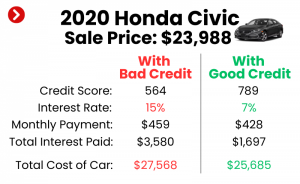
A car loan isn’t just the principal amount you borrowed; it’s also the interest you pay over the life of the loan. The longer your loan term, the more interest accrues, effectively making your car more expensive than its sticker price. By getting rid of your car loan early, you directly cut down on these hidden interest costs.
Achieving Financial Freedom
Imagine a world where that monthly car payment is freed up. That money could go towards savings, investments, other debt reduction, or even a well-deserved vacation. Eliminating a car loan significantly improves your debt-to-income ratio, making it easier to qualify for other loans (like a mortgage) and giving you greater financial flexibility. Based on my experience, this sense of relief and control is one of the most powerful motivators for tackling car loan debt head-on.
Strategy 1: Accelerating Your Payments to Pay Off Your Car Loan Early
One of the most straightforward and effective ways to get rid of your car loan is to simply pay it off faster. This requires discipline but can save you a substantial amount of money in interest.
Understanding How Extra Payments Work
Every dollar you pay above your minimum required payment goes directly towards reducing your loan’s principal balance. Since interest is calculated on the remaining principal, reducing this amount sooner means less interest accrues over time. This accelerates your payoff timeline significantly.
Making Bi-Weekly Payments
Instead of making one large payment per month, consider switching to bi-weekly payments. This means you’ll make half your monthly payment every two weeks. Because there are 52 weeks in a year, you’ll end up making 26 half-payments, which equates to 13 full monthly payments annually instead of 12.
This seemingly small adjustment can shave months, or even years, off your loan term and save you considerable interest. Pro tips from us: ensure your lender applies these extra payments correctly to the principal. Always confirm this with them.
Adding a Fixed Amount to Each Payment
Another simple yet powerful method is to add a consistent extra amount to each monthly payment. Even an extra $25, $50, or $100 can make a big difference over time. This money directly attacks the principal, reducing the base on which interest is calculated.
For example, if your payment is $400, consider paying $450 each month. That extra $50 compounds over the life of the loan, dramatically shortening your payoff period. This strategy is sustainable because it’s a manageable increase for most budgets.
Making One Extra Payment Per Year
If regular bi-weekly or fixed extra payments aren’t feasible, aim to make one additional full car loan payment each year. You could achieve this by saving up a small amount each month, or by dedicating a tax refund, work bonus, or unexpected windfall to this purpose.
This single extra payment can significantly reduce your loan term and total interest paid. It’s an excellent way to make progress without drastically altering your monthly budget. Common mistakes to avoid are forgetting to specify that this extra payment should go towards the principal, not just prepaying your next month’s bill.
Utilizing Lump Sum Payments
Did you receive a tax refund, a work bonus, or an unexpected inheritance? These funds present a golden opportunity to make a substantial dent in your car loan. A large lump sum payment directly reduces your principal balance, leading to immediate and significant interest savings.
This strategy offers the most dramatic acceleration of your payoff timeline. Based on my experience, dedicating windfalls to debt reduction often provides a greater long-term financial benefit than spending them on discretionary items. Always confirm with your lender how to apply a lump sum payment directly to your principal.
Rounding Up Your Payments
This is a subtle yet effective technique. If your car payment is, say, $387, consider rounding it up to $400. That extra $13 might seem insignificant, but over years, these small increments add up. They consistently reduce your principal, helping you get rid of your car loan a little faster each month without feeling a huge pinch.
This method works well for those who prefer small, consistent steps towards their financial goals. It’s a psychological trick that makes debt reduction feel less daunting and more achievable.
Strategy 2: Refinancing Your Car Loan for Better Terms
Refinancing involves taking out a new loan to pay off your existing car loan. While it might sound counterintuitive to take on a new loan to get rid of an old one, refinancing can be a powerful tool for accelerating your payoff, especially if your financial situation has improved.
When Refinancing Makes Sense
Refinancing is particularly beneficial if:
- Interest rates have dropped since you took out your original loan.
- Your credit score has significantly improved, qualifying you for a lower rate.
- You want to shorten your loan term to pay it off faster, even if your monthly payment increases slightly.
- You want to consolidate debt or free up cash flow (though be cautious not to extend your loan term unnecessarily).
How Refinancing Can Help You Pay Off Faster
The key to using refinancing to get rid of your car loan faster is to secure a lower interest rate and, crucially, a shorter loan term. Even if your monthly payment remains similar, a shorter term means you’ll pay off the principal much faster and incur less interest overall.
For instance, if you refinance a 60-month loan into a 48-month loan at a lower rate, you’re directly cutting a year off your debt obligation. Based on my experience, many people overlook the power of refinancing for a shorter term, focusing only on lower monthly payments. The goal here is speed, not just cost reduction per month.
The Refinancing Process
- Check your credit score: A good score is key to securing the best rates.
- Shop around: Don’t just go with your current lender. Compare offers from banks, credit unions, and online lenders.
- Calculate the savings: Use online calculators to see how much you’ll save in interest and how much faster you can pay off the loan with different terms and rates.
- Read the fine print: Understand any fees associated with the new loan.
Pro tips from us: credit unions often offer some of the most competitive auto loan rates. Always get multiple quotes to ensure you’re getting the best deal. For a deeper dive into this topic, check out our guide on The Ultimate Guide to Refinancing Your Auto Loan.
Strategy 3: Selling Your Car (With a Loan)
Sometimes, the best way to get rid of your car loan is to get rid of the car itself. This option requires careful planning, especially if you still owe money on the vehicle.
Understanding Your Car’s Value vs. Your Loan Payoff
Before you even consider selling, you need two critical pieces of information:
- Your car’s current market value: Use reputable sources like Kelley Blue Book (KBB.com), Edmunds, or NADA Guides to get an estimated private sale and trade-in value.
- Your loan payoff amount: Contact your lender for an exact payoff quote. This figure is often slightly different from your current balance as it includes per diem interest. This quote is usually valid for a specific period (e.g., 10 days).
Knowing these two numbers will determine whether you have positive equity (car is worth more than you owe) or negative equity (you owe more than the car is worth).
Selling Your Car Privately
Selling your car yourself often yields the highest selling price, allowing you to maximize your equity. However, it requires more effort.
The Process:
- Advertise: List your car on platforms like Craigslist, Facebook Marketplace, or Autotrader.
- Show the car: Be prepared to meet potential buyers and arrange test drives.
- Handle the lien: Once a buyer is found, they will pay you, and you will immediately pay off your lender. The lender will then send the title directly to the buyer (or you, if you prefer to transfer it). This requires trust and clear communication between all parties.
- Dealing with negative equity: If you sell for less than you owe, you’ll need to pay the difference out of pocket to your lender to release the lien and transfer the title.
Pro tips from us: always get a written payoff quote from your lender before finalizing a sale. For the buyer’s peace of mind, consider meeting at your bank or credit union to facilitate the transaction and payoff directly.
Trading In Your Car at a Dealership
Trading in your car offers convenience, as the dealership handles the loan payoff and title transfer. However, you’ll typically receive a lower offer than a private sale.
The Process:
- Get an appraisal: The dealership will appraise your vehicle.
- Negotiate: The trade-in value becomes part of the negotiation for your new vehicle.
- Positive Equity: If your car is worth more than you owe, the dealership will apply that equity towards your new car or give you a check for the difference.
- Negative Equity: If you owe more than the car is worth (negative equity), the dealership will often roll that negative amount into your new car loan. This increases your new loan’s principal, interest, and monthly payments.
Common mistakes to avoid: don’t let the dealer just add your negative equity to your new loan without understanding the full implications. This can put you in a worse financial position, extending your debt burden and making it harder to get rid of your car loan in the future.
Selling to an Online Car Buyer (e.g., Carvana, Vroom, KBB Instant Cash Offer)
These services offer a middle ground between private sale and dealership trade-in. They provide a quick, hassle-free process and often a competitive offer.
The Process:
- Get an instant offer: Provide details about your car online.
- Schedule pickup/drop-off: If you accept the offer, they will arrange to pick up the car.
- Lien payoff: They handle the payoff of your existing loan directly with your lender.
- Payment: You receive the difference (if any) via direct deposit or check.
This can be an excellent option for convenience and a fair price, especially if you have positive equity.
Strategy 4: Navigating Negative Equity (Being "Underwater")
Being "underwater" on your car loan means you owe more than your car is currently worth. This is a common situation, especially early in a loan term, and it complicates the process of getting rid of your car loan. However, it’s not an insurmountable obstacle.
What Causes Negative Equity?
Negative equity often arises from:
- Rapid depreciation: New cars lose a significant portion of their value as soon as they’re driven off the lot.
- Long loan terms: Spreading payments over 72 or 84 months means you build equity very slowly.
- Little or no down payment: Starting with zero equity makes it harder to catch up to depreciation.
- Rolling over previous negative equity: If you traded in an underwater car, that debt was added to your new loan.
Options When You Have Negative Equity
Dealing with negative equity requires a strategic approach. Ignoring it will only prolong your financial burden. Based on my experience, facing this reality head-on is the first step towards a solution.
-
Pay Down the Difference Out of Pocket:
- If you’re selling or trading in and your car is worth less than you owe, you’ll need to pay the difference to your lender to clear the title. This is the cleanest way to get out of the loan and avoid rolling debt.
- This requires having savings available, but it ensures you start fresh with any new vehicle purchase.
-
Continue Making Payments Until You Reach Positive Equity:
- This is the most common approach if you can’t pay the difference immediately. Keep making your regular payments, and ideally, accelerate them with extra principal payments (as discussed in Strategy 1).
- Over time, your principal balance will decrease, and your car’s depreciation will slow down, eventually leading to positive equity. This requires patience and financial discipline.
-
Refinance (But Be Cautious):
- While difficult with significant negative equity, some lenders might offer "upside-down" refinancing options. However, these often come with higher interest rates or longer terms, which might not be beneficial for your goal of getting rid of your car loan faster.
- Only consider refinancing if it genuinely improves your interest rate and doesn’t extend your loan term, helping you pay off the principal more quickly.
-
Avoid Rolling Negative Equity into a New Loan:
- This is a critical piece of advice. While convenient, rolling negative equity into a new car loan creates a cycle of debt. You’ll be paying interest on a car you no longer own, increasing your new loan amount, and starting "underwater" on your next vehicle.
- It makes it incredibly difficult to ever achieve positive equity and truly get rid of your car loan debt. Learn more about understanding negative equity in greater detail from trusted sources like Investopedia’s explanation of negative equity.
Strategy 5: Financial Discipline and Mindset for Success
Getting rid of your car loan is as much about financial strategy as it is about mindset. Cultivating discipline and staying motivated are crucial for long-term success.
Budgeting for Success
The first step is to get a clear picture of your finances. Create a detailed budget that tracks all your income and expenses. This will help you identify areas where you can cut back to free up extra cash for your car loan.
Look for non-essential expenses like subscriptions you don’t use, daily coffees, or unnecessary dining out. Even small adjustments can add up to significant funds over time. Based on my experience, many people are surprised by how much "found money" they can redirect towards debt simply by tracking their spending.
Increasing Your Income
Sometimes, cutting expenses isn’t enough, or there’s simply not much left to cut. In such cases, consider ways to increase your income, even temporarily.
- Side hustles: Driving for a ride-sharing service, freelancing, or dog walking.
- Selling unused items: Declutter your home and sell items you no longer need on platforms like eBay, Facebook Marketplace, or local consignment shops.
- Temporary part-time work: A few extra hours a week can generate valuable funds for your car loan.
Every extra dollar earned and dedicated to your car loan accelerates your journey to debt freedom.
Staying Motivated and Tracking Progress
Paying off debt can be a long journey, and it’s easy to lose motivation.
- Set clear goals: Define exactly when you want to be car-loan-free and how much you need to pay extra each month to achieve that.
- Track your progress: Use a spreadsheet, a budgeting app, or even a simple chart on your fridge to visually track how much principal you’ve paid down. Seeing your progress can be incredibly motivating.
- Reward yourself (sensibly): Celebrate milestones, but avoid expensive rewards that derail your efforts. A nice dinner out or a small treat can be enough to acknowledge your hard work.
Remember, every payment you make towards your principal is a step closer to financial freedom. For more comprehensive budgeting strategies, you might find our article, Master Your Money: A Beginner’s Guide to Personal Budgeting, particularly helpful.
Conclusion: Your Path to Car Loan Freedom Starts Today
Getting rid of your car loan is a significant financial achievement that brings immense peace of mind and frees up valuable resources for your future goals. Whether you choose to accelerate your payments, strategically refinance, or consider selling your vehicle, each path offers a tangible way to break free from this debt.
The most important step is to start. Evaluate your current situation, choose the strategy (or combination of strategies) that best fits your financial picture, and commit to the process. By taking control of your car loan, you’re not just eliminating debt; you’re building a stronger, more resilient financial foundation for yourself. Take action today, and unlock the financial freedom that comes with knowing you’re no longer beholden to that monthly car payment.