Unlock Savings: Your Expert Guide on How To Pay The Principal On A Car Loan (And Why You Should!)
Unlock Savings: Your Expert Guide on How To Pay The Principal On A Car Loan (And Why You Should!) Carloan.Guidemechanic.com
Car ownership often comes with the baggage of a monthly loan payment. While it’s exciting to drive a new vehicle, the interest accruing on your car loan can add thousands to the total cost over its lifetime. Many people simply make their minimum payment each month, unaware of the significant financial advantages of strategically paying down the principal.
As an expert in personal finance and an experienced blogger, I’ve seen firsthand how a proactive approach to debt can transform financial futures. This comprehensive guide will not only show you exactly how to pay the principal on a car loan but also illuminate why this strategy is one of the smartest financial moves you can make. Get ready to save money, shorten your loan term, and accelerate your journey to true car ownership.
Unlock Savings: Your Expert Guide on How To Pay The Principal On A Car Loan (And Why You Should!)
Understanding Your Car Loan: Principal vs. Interest
Before we dive into how to pay the principal, it’s crucial to understand what principal and interest truly represent within your car loan structure. This fundamental knowledge is the bedrock of making smart payment decisions.
The principal is the actual amount of money you borrowed to purchase your car. It’s the base sum that, eventually, you need to repay in full. Think of it as the original price tag of your vehicle, minus any down payment you made.
Interest, on the other hand, is the cost of borrowing that money. It’s essentially the fee your lender charges for providing you with the funds to buy your car upfront. This interest is calculated as a percentage of your outstanding principal balance. The higher your interest rate, the more expensive it becomes to borrow.
Based on my experience, many people misunderstand how their payments are allocated, especially early in the loan term. Car loans, like most installment loans, use an amortization schedule. This means that with each payment you make, a portion goes towards reducing the principal, and another portion covers the accrued interest. In the initial years of your loan, a larger percentage of your monthly payment typically goes towards interest, while a smaller portion chips away at the principal. As time progresses, this ratio slowly shifts, with more of your payment going to principal and less to interest. This front-loading of interest is precisely why paying extra principal can be such a powerful strategy.
Why Paying Extra Principal Matters: The Compounding Benefits
Making extra payments directly to your car loan principal isn’t just a minor tweak; it’s a financial superpower. The benefits are substantial and compound over time, leading to significant savings and faster financial freedom.
The primary and most compelling reason to pay extra principal is to reduce the total amount of interest you pay over the life of the loan. Since interest is calculated on your remaining principal balance, every dollar you reduce from the principal immediately lowers the base on which future interest is calculated. This snowball effect means that even small extra payments can save you hundreds, if not thousands, of dollars in interest over the loan term. It’s like giving yourself an immediate, risk-free return on your money.
Another significant advantage is the ability to shorten your loan term. By accelerating your principal payments, you’re essentially paying off the debt faster than originally scheduled. This means you’ll reach the end of your loan agreement sooner, freeing up that monthly payment for other financial goals, such as saving for a down payment on a house, investing, or boosting your emergency fund. Imagine having one less fixed expense each month!
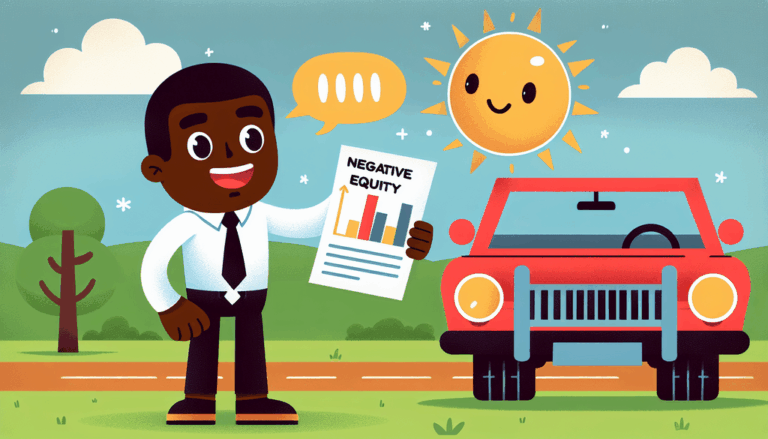
Furthermore, paying down principal faster helps you build equity in your vehicle more quickly. Equity is the difference between your car’s market value and what you still owe on it. In the early years of a car loan, depreciation often outpaces principal reduction, meaning you might owe more than the car is worth (negative equity). By aggressively paying down the principal, you can quickly move into a positive equity position, protecting you if you need to sell the car or if it gets totaled. Pro tips from us: the sooner you start chipping away at that principal, the quicker you gain control of your asset.
How To Pay The Principal On A Car Loan: Your Step-by-Step Guide
Successfully directing extra money specifically to your loan’s principal requires a deliberate approach. It’s not as simple as just sending in more money; you need to ensure your lender applies it correctly.
1. Review Your Loan Agreement
Your car loan agreement is a legally binding document that outlines all the terms and conditions of your loan. Before making any extra payments, it’s crucial to thoroughly review this document.
Specifically, look for any clauses related to prepayment penalties. While these are increasingly rare for car loans, some lenders might charge a fee if you pay off your loan early. This penalty is usually designed to compensate the lender for the interest they would have earned if the loan ran its full course. If your loan does have a prepayment penalty, calculate if the penalty outweighs the interest savings. In most cases, it won’t, but it’s always good to be informed. Also, note the exact wording about how additional payments are to be handled and if there are specific instructions for designating them towards principal.
2. Contact Your Lender (Crucial Step!)
This is arguably the most important step in the entire process. Never assume that an extra payment will automatically be applied to your principal. Common mistakes to avoid are just sending in a larger check or transferring more money online without clear instructions. Many lenders will automatically apply any overpayment to your next month’s payment, effectively paying it forward but not reducing your principal balance immediately.
You need to explicitly inform your lender that any additional funds should be applied "to principal only" or "principal reduction." Here’s how you can do this:
- Call Them: This is often the most direct method. Speak to a customer service representative and clearly state your intention. Ask them about their specific process for principal-only payments. Get their name and confirm that your request has been noted.
- Online Portal: Many lenders have advanced online portals where you can manage your loan. Look for options like "make an extra payment," "apply to principal," or "principal reduction." If you can’t find it, contact customer support.
- Mail: If you’re sending a check, clearly write "Apply to Principal Only" in the memo line. Include a separate letter explicitly stating your request, referencing your loan account number. Always keep a copy for your records.
Always ask for confirmation that your payment has been correctly applied to the principal balance. You should see a reduction in your outstanding principal on your next statement or online account summary.
3. Choose Your Payment Strategy
Once you understand your loan and how to communicate with your lender, you can decide on the best strategy for making extra principal payments. There isn’t a one-size-fits-all approach; choose what works best for your financial situation.
-
One-Time Lump Sum Payments: This is ideal if you receive a financial windfall, such as a tax refund, an annual bonus, a work commission, or a monetary gift. Instead of spending this extra cash, dedicate a portion (or all) of it to your car loan principal. A single large payment can have an immediate and dramatic impact on your total interest paid.
-
Making Consistent Extra Payments:
- Adding a Fixed Amount to Each Monthly Payment: This is a sustainable and highly effective method. Decide on a manageable extra amount – perhaps an additional $25, $50, or $100 – and add it to your regular monthly payment. Even a small consistent increase adds up significantly over time.
- Making Bi-Weekly Payments: Instead of one payment per month, you make half of your monthly payment every two weeks. Since there are 52 weeks in a year, this results in 26 half-payments, which is equivalent to 13 full monthly payments per year instead of 12. This effectively adds one extra full payment to your principal each year without feeling like a major burden. Ensure your lender allows bi-weekly payments and applies the extra payment to principal.
- Making an Extra Full Payment Annually: If regular small additions aren’t feasible, consider making one extra full loan payment each year. You could time this with a bonus, tax refund, or simply by saving up throughout the year.
-
Refinancing (as a different approach): While not a direct principal payment, refinancing your car loan can indirectly help you pay down principal faster. If you can qualify for a significantly lower interest rate, your monthly interest cost will decrease. This frees up more of your standard monthly payment to go towards the principal, or you can maintain your original payment amount and see an even faster reduction in principal. For more tips on finding the best rates, check out our guide on .
4. Clearly Designate Payments
Reiterating this point because of its critical importance: always, always, always designate your extra payments. If you’re paying online, look for a specific option. If mailing a check, write "Apply to Principal Only" in the memo and include a note. If you’re on the phone, be explicit and ask for confirmation. Your due diligence here ensures your money works for you, not against you.
Practical Strategies for Finding Extra Cash
You might be thinking, "This sounds great, but where will I find extra money to pay the principal on my car loan?" The good news is, there are many ways to free up cash without drastic lifestyle changes.
One of the most effective strategies is budgeting. Take a close look at your monthly income and expenses. Track every dollar you spend for a month or two. You might be surprised at how much money leaks away on non-essential items like daily coffees, unused subscriptions, or impulse purchases. Cutting back in these small areas can free up significant funds. For more tips on budgeting, check out our guide on .
Consider side hustles or temporary gigs. Delivering food, freelance writing, dog walking, or selling crafts online can generate extra income specifically earmarked for your car loan. Even a few hundred dollars a month from a side hustle can dramatically accelerate your payoff timeline.
Don’t forget windfalls. As mentioned earlier, tax refunds, work bonuses, or even cash gifts can be powerful tools for principal reduction. Instead of immediately spending these funds, consider dedicating a portion to your loan. Selling unused items around your house is another excellent way to generate quick cash. That old bicycle in the garage or clothes you no longer wear could be converted into a principal payment.
Finally, consider automatic transfers. Set up an automatic transfer from your checking account to your car loan account (or a savings account you use to accumulate principal payments) for a small, fixed amount each payday. This "set it and forget it" method leverages consistency and discipline without requiring constant attention.
Potential Pitfalls and Things to Consider
While paying down your car loan principal is generally a smart financial move, it’s not always the absolute first thing you should do. There are important considerations and potential pitfalls to be aware of.
Firstly, prioritize your emergency fund. Before dedicating significant extra cash to your car loan, ensure you have a robust emergency fund in place. This fund, typically 3-6 months’ worth of living expenses, provides a crucial safety net for unexpected events like job loss, medical emergencies, or major home repairs. Without it, you might find yourself in a worse position, forced to take on high-interest debt if an emergency strikes.
Secondly, address higher-interest debt first. If you have other debts with significantly higher interest rates than your car loan – such as credit card debt (which often carries APRs of 15-25% or more) or high-interest personal loans – it almost always makes more financial sense to tackle those first. The money saved by eliminating high-interest debt will typically outweigh the savings on a lower-interest car loan.
Reiterate the importance of checking for prepayment penalties. While rare, encountering one without prior knowledge can negate some of your savings. Always consult your loan agreement.
Be vigilant about lender misapplication. As discussed, if you don’t clearly designate your extra payment for principal, the lender might apply it to your next month’s payment. This doesn’t reduce your interest burden as effectively. Always follow up and verify the payment’s application on your statement or online portal.
Finally, consider the opportunity cost. For some individuals, particularly those with very low car loan interest rates (e.g., 0-3% APR), the money used for extra principal payments might generate a higher return if invested elsewhere, such as in a diversified stock market portfolio or a high-yield savings account. This is a more advanced consideration, but worth thinking about if your financial situation is robust and your loan rate is exceptionally low.
Tracking Your Progress
Seeing your principal balance shrink is incredibly motivating. Regularly tracking your progress will not only keep you informed but also reinforce your commitment to paying off your car loan early.
Most lenders provide monthly statements that clearly show your outstanding principal balance. Make it a habit to review these statements and watch that number decline. Many lenders also offer online portals where you can access real-time information about your loan, including your current principal balance and payment history. These portals often update much faster than mailed statements.
You can also utilize online amortization calculators. Many free tools are available that allow you to input your original loan amount, interest rate, and term. You can then add "extra payments" to see how much interest you save and how much faster you pay off the loan. This visual representation can be a powerful motivator. You can use a free online amortization calculator like the one found at . Seeing the numbers change in your favor can make the process feel more tangible and rewarding.
Conclusion
Paying the principal on your car loan is more than just making an extra payment; it’s a strategic financial decision that puts you in control of your debt. By understanding the difference between principal and interest, communicating effectively with your lender, and consistently applying extra funds to your principal balance, you can unlock significant savings in interest costs, shorten your loan term, and accelerate your path to full car ownership.
Remember, even small, consistent efforts can yield remarkable results over time. It’s about being intentional and disciplined with your money. Don’t let your car loan be a passive expense; actively manage it and watch your financial well-being improve. If you’re considering a new car loan, read our article on for more advice on securing the best terms from the start. Take charge of your car loan today and drive towards a debt-free future!