Unlock Your Dream Car: The Ultimate Guide to Building a Car Loan Calculator in Excel (and Why You Need One!)
Unlock Your Dream Car: The Ultimate Guide to Building a Car Loan Calculator in Excel (and Why You Need One!) Carloan.Guidemechanic.com
The open road, the scent of a new car, the thrill of driving away in your dream vehicle – it’s a feeling many of us aspire to. But before that exhilarating moment, there’s often a significant hurdle: securing a car loan. For many, the process of financing a car can feel like navigating a dense fog, filled with confusing terms, fluctuating interest rates, and the dread of hidden costs.
This is where your personal financial superpower comes into play: the Car Loan Calculator Excel. Far more than just a simple tool, an Excel-based car loan calculator empowers you to take control of your car buying journey, transforming uncertainty into clarity. It allows you to peer behind the curtain of loan offers, understand the true cost of your vehicle, and make informed decisions that align with your financial goals.
Unlock Your Dream Car: The Ultimate Guide to Building a Car Loan Calculator in Excel (and Why You Need One!)
In this comprehensive guide, we’re not just showing you how to build an Excel car loan calculator; we’re explaining why it’s an indispensable asset. We’ll delve into the core components of a car loan, walk you through step-by-step instructions to create your own powerful spreadsheet, explore advanced features, and share crucial insights to help you secure the best deal. Prepare to become a savvy car buyer!
Why You Absolutely Need a Car Loan Calculator in Excel
Based on my experience, many car buyers regret not doing their homework before stepping into a dealership. They often rely solely on the payment quotes provided, without fully grasping the underlying financial structure. This approach can lead to buyer’s remorse and unnecessary financial strain.
An Excel Car Loan calculator changes this dynamic entirely. It shifts the power from the lender to you, the consumer. Here’s why it’s a non-negotiable tool for anyone considering vehicle financing:
Financial Clarity and Empowerment
When you understand how your loan works, you gain immense financial clarity. You’ll see exactly how much of each payment goes towards interest versus the principal. This insight is incredibly empowering, helping you avoid surprises and manage your budget effectively.
Unmasking the True Cost of Your Car
The sticker price is just the beginning. A car loan involves interest, potentially fees, and the overall cost of borrowing. Your Excel spreadsheet helps you calculate the total amount you’ll pay over the life of the loan, including all interest. This holistic view is crucial for smart financial planning.
Negotiation Leverage at Your Fingertips
Knowledge is power, especially when negotiating. By knowing your ideal monthly payment, the total cost you’re willing to pay, and how different terms affect these figures, you can negotiate with confidence. You won’t be swayed by vague promises or pressured into unfavorable deals.
A Personalized Budgeting Tool
Every financial situation is unique. A generic online calculator offers a snapshot, but your custom Excel spreadsheet allows for deep personalization. You can factor in your specific down payment, trade-in value, and even simulate extra payments to see how quickly you can pay off the loan. It’s a dynamic model tailored to your reality.
Flexibility for "What-If" Scenarios
What if you put down a larger down payment? What if you choose a shorter loan term? Or what if you secure a slightly lower interest rate? Your Excel calculator makes it easy to run countless "what-if" scenarios. This flexibility helps you optimize your loan structure before you even apply.
Understanding the Core Components of a Car Loan
Before we dive into the formulas, it’s essential to grasp the fundamental elements that make up any auto loan. Think of these as the ingredients for your financial recipe.
The Principal Amount
This is the actual amount of money you are borrowing to purchase the car. It’s typically the car’s purchase price minus any down payment or trade-in value. Understanding this starting figure is crucial, as it’s the base on which all interest accrues.
Interest Rate (APR)
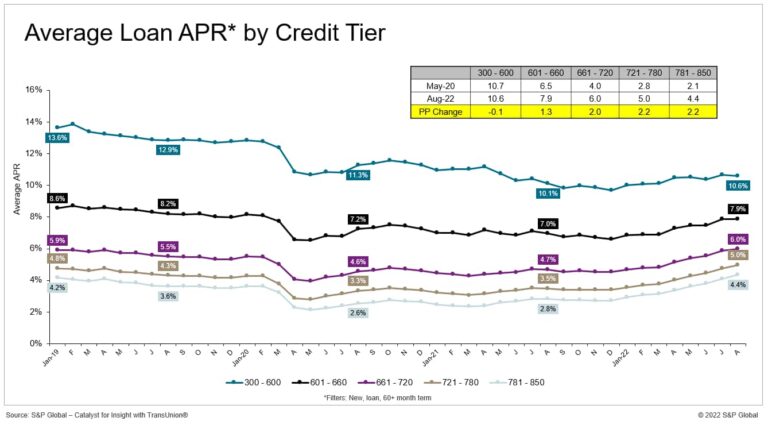
Often expressed as an Annual Percentage Rate (APR), this is the cost of borrowing money, represented as a percentage. A lower APR means you pay less in interest over the life of the loan. It’s vital to differentiate between the quoted APR and the actual monthly interest rate used in calculations, which we’ll cover shortly.
Loan Term (Duration)
The loan term refers to the length of time you have to repay the loan, usually expressed in months or years. Common terms range from 36 to 84 months. A longer term generally means lower monthly payments but results in paying more interest over time. Conversely, a shorter term means higher monthly payments but less total interest paid.
Monthly Payment
This is the fixed amount you pay each month to your lender until the loan is fully repaid. Your monthly payment covers both a portion of the principal and the interest accrued during that payment period. This is often the figure car buyers focus on most, but it’s only one piece of the puzzle.
Total Interest Paid
This figure represents the sum of all interest payments made over the entire life of the loan. It’s a critical number because it shows the true cost of borrowing. Your Excel calculator will illuminate this often-overlooked expense.
Total Cost of the Loan
This is the ultimate bottom line: the principal amount borrowed plus the total interest paid. It represents the comprehensive financial outlay for your car, excluding maintenance, insurance, and fuel. Knowing this helps you assess the overall affordability of your vehicle.
Setting Up Your Excel Worksheet: The Foundation
Building your Car Loan Spreadsheet in Excel begins with a clear, organized layout. A well-structured worksheet makes it easy to input data, understand outputs, and run various scenarios without confusion.
Sheet Organization: Labels are Key
Start by creating clear labels for your input and output cells. Imagine you’re designing a simple form. Good labels prevent mistakes and make your calculator user-friendly, even if you revisit it months later. Grouping related items together visually also helps.
Input Cells: Where Your Data Lives
These are the cells where you’ll manually enter the known variables of your car loan. Think of them as the questions your calculator needs answers to. We’ll assign specific cells for each input, making them easily identifiable.
Output Cells: Your Financial Answers
These cells will display the results of your calculations. They are where Excel’s formulas will work their magic, providing you with your monthly payment, total interest, and other crucial figures. We’ll ensure these are clearly distinct from your input cells.
Clear Formatting for Readability
Use basic formatting like bold text for labels, borders to group sections, and different cell colors for inputs versus outputs. This enhances readability and reduces the chance of accidentally overwriting a formula. Based on my experience, a clean layout dramatically improves usability.
The Essential Formulas: Bringing Your Calculator to Life
Now for the heart of your Auto Loan Calculator Excel: the formulas. Excel offers powerful built-in functions that simplify complex financial calculations. The primary function we’ll use is PMT.
The PMT Function: Calculating Monthly Payments
The PMT (Payment) function is Excel’s workhorse for calculating the payment for a loan based on constant payments and a constant interest rate.
The syntax for the PMT function is:
PMT(rate, nper, pv, , )
Let’s break down each argument:
-
rate(Required): This is the interest rate per period. Since car loan interest rates are typically annual (APR), you must divide the annual rate by 12 to get the monthly rate.- Example: If your APR is 5%, you’d use
5%/12or0.05/12.
- Example: If your APR is 5%, you’d use
-
nper(Required): This is the total number of payment periods in the loan. If your loan term is in years, you need to multiply it by 12 to get the total number of monthly payments.- Example: For a 5-year loan, you’d use
5*12(which is 60 periods).
- Example: For a 5-year loan, you’d use
-
pv(Required): This stands for "Present Value," which is the total amount that a series of future payments is worth now. In simple terms, it’s your principal loan amount. Enter this as a negative number if you want the PMT result to be positive (representing an outgoing payment).- Example: If you borrow $25,000, you’d use
-25000.
- Example: If you borrow $25,000, you’d use
-
(Optional): This stands for "Future Value," or the cash balance you want after the last payment is made. For a standard loan that you intend to pay off completely, this will be 0. You can omit it, and Excel assumes 0. -
(Optional): This indicates when payments are due.0or omitted: Payments are due at the end of the period. (Most common for loans)1: Payments are due at the beginning of the period.
Pro tips from us: Always ensure your rate and nper are consistent in terms of time units (both monthly, both quarterly, etc.). For car loans, monthly is standard.
Calculating Total Interest Paid
Once you have your monthly payment, calculating the total interest paid over the loan’s life is straightforward.
The formula is:
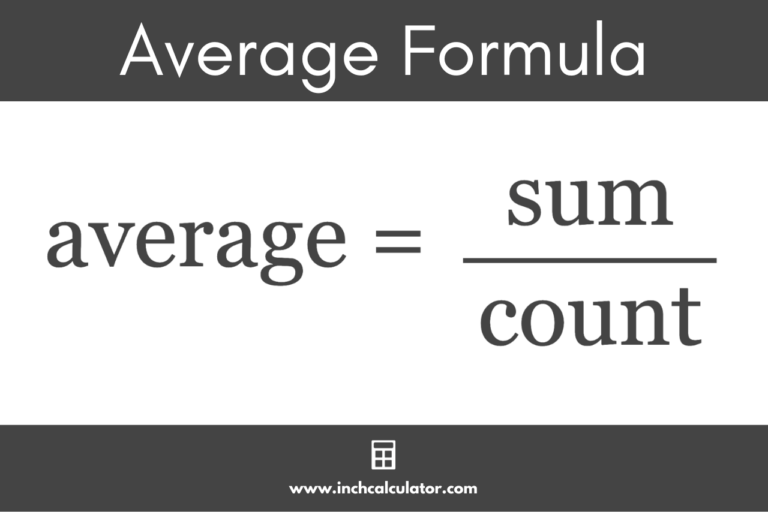
(Monthly Payment * Total Number of Payments) - Principal Loan Amount
This simple calculation reveals how much extra you’re paying purely for the privilege of borrowing the money. It’s an eye-opener for many.
Calculating Total Cost of the Loan
Similarly, finding the total cost is easy:
The formula is:
Monthly Payment * Total Number of Payments
This figure gives you the absolute total you will spend on the car loan itself, excluding other ownership costs.
Amortization Schedule: Your Loan’s DNA (Advanced, but Crucial)
An amortization schedule is a table detailing each payment of an amortizing loan. It shows the portion of each payment that goes toward interest and the portion that goes toward the principal. While it takes more effort to set up, it provides unparalleled insight into your loan’s progression.
To create an amortization schedule, you’ll need columns for:
- Payment Number: A simple count (1, 2, 3…).
- Beginning Balance: The amount owed at the start of the payment period.
- Interest Paid: The interest portion of that month’s payment.
- Principal Paid: The principal portion of that month’s payment.
- Ending Balance: The amount owed after that month’s payment.
The formulas for these columns involve a bit more linking:
- Interest Paid:
Beginning Balance * Monthly Rate - Principal Paid:
Monthly Payment - Interest Paid - Ending Balance:
Beginning Balance - Principal Paid
Each subsequent month’s "Beginning Balance" will be the previous month’s "Ending Balance." Building this schedule helps you visualize how interest consumes more of your payment early on, and how principal contributions increase over time.
Step-by-Step Guide: Building Your Car Loan Calculator in Excel
Let’s put theory into practice. Follow these steps to create a functional and insightful car loan calculator in your Excel worksheet.
Step 1: Open Excel and Label Your Inputs
Open a new Excel workbook. In Sheet1, we’ll start by creating clear labels for your input values.
- In Cell A1, type: "Car Loan Calculator" (You can merge and center this later for a title).
- In Cell A3, type: "Loan Amount (Principal)"
- In Cell A4, type: "Annual Interest Rate (APR)"
- In Cell A5, type: "Loan Term in Years"
- In Cell A6, type: "Down Payment (Optional)"
- In Cell A7, type: "Trade-in Value (Optional)"
Step 2: Enter Your Example Data
Now, let’s put some placeholder values into the cells adjacent to your labels (Column B).
- In Cell B3 (Loan Amount): Enter 25000 (This is the full purchase price before down payment).
- In Cell B4 (APR): Enter 0.06 (for 6% – format as percentage later).
- In Cell B5 (Loan Term): Enter 5 (for 5 years).
- In Cell B6 (Down Payment): Enter 5000
- In Cell B7 (Trade-in Value): Enter 0 (or an amount if applicable).
Step 3: Calculate the Actual Principal and Derived Inputs
We need to calculate the actual amount borrowed after considering your down payment and trade-in. We also need to derive monthly rates and total payment periods.
- In Cell A9, type: "Actual Principal Borrowed"
- In Cell B9, enter the formula:
=B3-B6-B7(This subtracts down payment and trade-in from the full loan amount). - In Cell A10, type: "Monthly Interest Rate"
- In Cell B10, enter the formula:
=B4/12(Converts APR to monthly). - In Cell A11, type: "Total Number of Payments"
- In Cell B11, enter the formula:
=B5*12(Converts years to months).
Step 4: Calculate Your Monthly Payment (Using PMT Function)
This is the core calculation.
- In Cell A13, type: "Monthly Payment"
- In Cell B13, enter the formula:
=PMT(B10,B11,-B9)- Explanation:
B10is your monthly rate,B11is total payments, and-B9is your principal (negative for outgoing payment).
- Explanation:
Step 5: Calculate Total Interest and Total Cost
Now, let’s see the big picture.
- In Cell A14, type: "Total Interest Paid"
- In Cell B14, enter the formula:
=(B13*B11)+B9(Remember B9 is negative, so adding it back makes it positive for this calculation). - In Cell A15, type: "Total Cost of Loan"
- In Cell B15, enter the formula:
=B13*B11
Step 6 (Optional but Recommended): Create an Amortization Schedule
This step adds significant value and depth to your Car Loan Calculator Excel.
-
Set up Headers: Starting around Cell A18, create the following headers:
- A18: "Payment #"
- B18: "Beginning Balance"
- C18: "Monthly Payment" (Reference your calculated PMT)
- D18: "Interest Paid"
- E18: "Principal Paid"
- F18: "Ending Balance"
-
Populate Initial Rows:
- In Cell B19 (Beginning Balance for Payment #1):
=B9(This references your Actual Principal Borrowed). - In Cell C19 (Monthly Payment for Payment #1):
=B$13(Use absolute reference$so you can drag this down). - In Cell D19 (Interest Paid for Payment #1):
=B19*B$10(Beginning Balance * Monthly Rate). - In Cell E19 (Principal Paid for Payment #1):
=C19-D19(Monthly Payment – Interest Paid). - In Cell F19 (Ending Balance for Payment #1):
=B19-E19(Beginning Balance – Principal Paid).
- In Cell B19 (Beginning Balance for Payment #1):
-
Populate Subsequent Rows:
- In Cell A20 (Payment #2):
=A19+1(Drag down to fill payment numbers). - In Cell B20 (Beginning Balance for Payment #2):
=F19(References previous Ending Balance). - Now, select cells C19 to F19. Drag the fill handle (small square at the bottom right) down to row
B11(Total Number of Payments) + 18. This will fill all the formulas for the entire loan term.
- In Cell A20 (Payment #2):
You now have a complete amortization schedule, showing exactly how your loan balance decreases with each payment.
Beyond the Basics: Advanced Features & Customization
Your basic Excel Car Loan calculator is powerful, but you can enhance it further with advanced features. These customizations make your tool even more robust and tailored to complex scenarios.
Incorporating Down Payment and Trade-in Value
We already did this in our step-by-step guide, but it’s worth reiterating its importance. Always ensure your "Actual Principal Borrowed" correctly reflects any upfront cash (down payment) or value from a trade-in vehicle. This directly reduces the amount you need to finance, significantly impacting your monthly payments and total interest.
Factoring in Sales Tax and Fees
Beyond the vehicle’s price, don’t forget sales tax, registration fees, documentation fees, and other charges. These can often be rolled into your loan amount.
- Pro Tip: Create an input cell for "Total Additional Fees" and add it to your initial "Loan Amount (Principal)" (Cell B3 in our example) before calculating the "Actual Principal Borrowed." This ensures your loan reflects all costs.
Modeling Extra Payments for Faster Payoff
One of the most valuable customizations is seeing the impact of making extra payments.
- How to do it: In your amortization schedule, you could add an "Extra Payment" column. If you input an extra amount, you’d adjust the "Principal Paid" formula to include this extra amount, then recalculate the "Ending Balance." This will show you how quickly you can reduce your loan term and total interest. Based on my experience, even small extra payments can save thousands over a long loan term.
Data Validation for Error Prevention
To make your calculator more robust, use Excel’s Data Validation feature.
- For example, you can set the "Annual Interest Rate" cell to only accept decimal numbers between 0 and 1 (0% to 100%).
- You can also ensure "Loan Term in Years" only accepts whole numbers. This prevents erroneous inputs from skewing your results.
Conditional Formatting for Key Insights
Highlighting key figures can make your spreadsheet even more intuitive.
- Example: Use conditional formatting to turn the "Ending Balance" red if it’s still positive after the final payment (indicating a formula error or miscalculation) or green when it hits zero. You could also highlight interest rates that are above a certain threshold.
Scenario Analysis: The "What-If" Power
Excel’s Data Tables or Scenario Manager (under the "What If Analysis" tool in the Data tab) allow you to quickly compare different outcomes by changing one or two input variables.
- You could set up a table to compare monthly payments for different interest rates or different loan terms without manually changing the inputs each time. This is invaluable for comparing multiple offers.
Common Mistakes to Avoid When Using Your Calculator
While a Car Loan Calculator Excel is an incredible asset, its effectiveness depends on accurate input and informed interpretation. Here are common pitfalls to steer clear of:
Ignoring All Additional Fees and Charges
A crucial common mistake is only factoring in the vehicle’s purchase price. Sales tax, registration, license plates, documentation fees, and extended warranty costs can significantly inflate your principal. Always include these upfront costs to get a realistic loan amount.
Using Annual Interest Rate Directly in PMT Function
This is perhaps the most frequent error. The PMT function requires the interest rate per period. For monthly payments, you must divide your annual APR by 12. Failing to do so will drastically overestimate your monthly payment.
Forgetting About Down Payment or Trade-in Value
If you have a down payment or a vehicle to trade in, ensure these amounts are correctly subtracted from the car’s price before you calculate the principal loan amount. Overlooking these reduces your borrowing need and lowers your payments.
Not Comparing Multiple Loan Offers
Even with your calculator, don’t settle for the first loan offer. Use your Excel tool to meticulously compare different interest rates and terms from various lenders (banks, credit unions, dealership financing). Pro tips from us: a small difference in APR can save you thousands over the loan term.
Focusing Solely on the Monthly Payment
While the monthly payment is important for budgeting, it shouldn’t be your only focus. A lower monthly payment often comes with a longer loan term, meaning you pay significantly more in total interest. Always look at the "Total Interest Paid" and "Total Cost of Loan" as well.
Misinterpreting Variable Interest Rates
If your loan has a variable interest rate, your Excel calculator provides a snapshot based on the current rate. Understand that your actual payments might fluctuate. While most car loans are fixed, be aware if yours isn’t.
Not Considering Your Budget Holistically
Your car loan payment is just one expense. Remember to factor in insurance, fuel, maintenance, and potential parking fees. Ensure your total car ownership costs fit comfortably within your overall budget.
Leveraging Your Excel Calculator for Better Car Deals
Your Car Loan Spreadsheet is more than just a calculation tool; it’s a strategic asset in your car-buying arsenal. By effectively using it, you can secure a much better deal and maintain control over your finances.
A Powerful Negotiation Tool
Walk into the dealership knowing your numbers. If a salesperson quotes a monthly payment that doesn’t align with your calculations for a given price and APR, you can immediately challenge it. You can confidently state your ideal terms, backed by your precise figures. This confidence can lead to significant savings.
Pre-Purchase Budgeting and Affordability Assessment
Before you even start test-driving, use your calculator to determine what you can truly afford. Input different car prices, down payments, and interest rates to find a sweet spot that aligns with your budget. This prevents you from falling in love with a car that’s financially out of reach.
Comparing Different Loan Offers with Precision
You might receive multiple loan offers from various lenders. Your Excel calculator allows you to input each offer’s specifics (APR, term) and immediately see the exact monthly payment, total interest, and overall cost for each. This side-by-side comparison reveals the most advantageous option without any guesswork. For more tips on this, check out our guide on .
Optimizing Your Loan Term
Should you choose a 3-year, 5-year, or 7-year loan? Your calculator will vividly show you the trade-offs. A shorter term means higher monthly payments but less interest. A longer term means lower monthly payments but a significantly higher total cost. You can pick the term that best balances your cash flow and long-term financial goals.
Understanding the Impact of Extra Payments
As mentioned earlier, even small additional payments can dramatically reduce the total interest paid and shorten your loan term. Use your amortization schedule to visualize this impact. This knowledge can motivate you to pay off your loan faster when possible, saving you money.
Informing Your Down Payment Strategy
Your calculator helps you decide how much to put down. A larger down payment reduces your principal, lowering both your monthly payment and total interest. You can experiment with different down payment amounts to see their direct impact on your financial commitment.
Conclusion: Drive Smarter, Not Harder
The journey to owning a new car should be exciting, not intimidating. By taking the time to build and understand your Car Loan Calculator Excel, you transform yourself from a passive borrower into an empowered, informed consumer. This isn’t just about crunching numbers; it’s about making smarter financial decisions that protect your wallet and bring you closer to your financial goals.
Remember, the goal is not just to secure a car loan, but to secure the best car loan for your unique situation. With your personalized Excel tool, you’ll have the clarity, control, and confidence to negotiate effectively, manage your budget wisely, and truly understand the financial commitment of your new vehicle.
So, don’t just dream of your next car; start planning for it with precision. Open Excel today, follow these steps, and take the first stride towards a financially savvy car-buying experience. Your future self (and your bank account) will thank you.
For more information on understanding auto loans and consumer rights, you can visit the External Link: Consumer Financial Protection Bureau – Auto Loans. Also, if you’re looking to dive deeper into general financial planning, consider exploring our article on . Happy calculating, and happy driving!