Unlock Your Dream Ride: The Ultimate Guide to Getting Pre-Approved for a Car Loan
Unlock Your Dream Ride: The Ultimate Guide to Getting Pre-Approved for a Car Loan Carloan.Guidemechanic.com
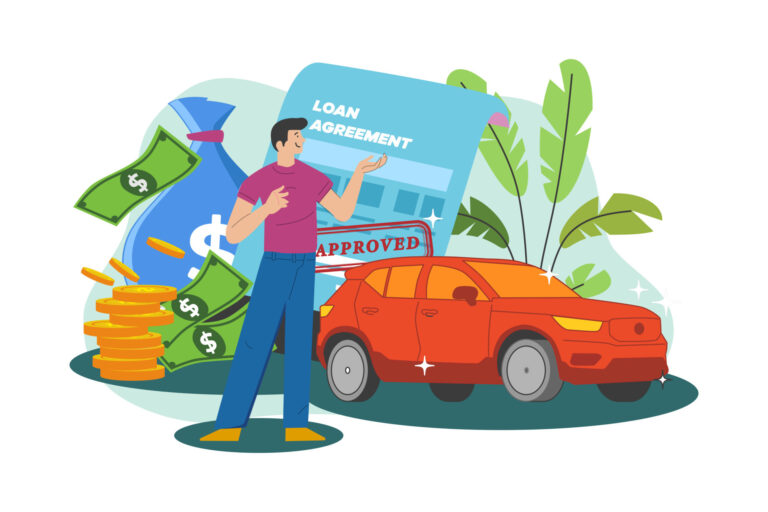
Buying a new or used car is an exciting milestone, but for many, the financing aspect can feel daunting. Imagine walking into a dealership with the confidence of a cash buyer, knowing exactly how much you can spend and what your interest rate will be. This isn’t a fantasy; it’s the reality that car loan pre-approval offers.
As an expert in auto financing, I’ve seen countless buyers navigate the car-buying landscape. The single most powerful tool you can equip yourself with before even stepping foot on a car lot is a pre-approved car loan. It transforms your entire purchasing experience, putting you firmly in the driver’s seat of the negotiation. This comprehensive guide will walk you through every step of getting pre-approved for a car loan, ensuring you secure the best possible terms and drive away happy.
Unlock Your Dream Ride: The Ultimate Guide to Getting Pre-Approved for a Car Loan
What is Car Loan Pre-Approval, Really?
At its core, getting pre-approved for a car loan means a lender has reviewed your financial information and tentatively agreed to lend you a specific amount of money at a particular interest rate, before you’ve even chosen a car. Think of it as a conditional offer. The lender is saying, "Based on what we know about your finances, we’re willing to give you up to X dollars at Y interest rate, provided the car meets our criteria."
This isn’t just a casual estimate; it’s a firm offer, typically valid for a certain period, usually 30 to 60 days. It gives you a clear financial benchmark, empowering you to shop for a vehicle within your means. Unlike a "pre-qualification," which is often a soft credit pull and a general estimate, a pre-approval involves a more thorough review of your credit and income, resulting in a concrete loan offer.
The Unbeatable Advantages of Getting Pre-Approved
Based on my experience, skipping the pre-approval step is one of the most common mistakes car buyers make. The benefits are simply too significant to overlook. Pre-approval isn’t just a convenience; it’s a strategic advantage that can save you thousands of dollars and a lot of stress.
Budget Clarity and Confidence
One of the biggest struggles for car buyers is understanding how much car they can truly afford. A pre-approval eliminates this guesswork entirely. You’ll know your maximum loan amount, allowing you to set a realistic budget for your vehicle purchase. This clarity prevents you from falling in love with a car that’s beyond your financial reach, saving you from potential disappointment and overspending.
Knowing your budget upfront also builds immense confidence. You’re no longer guessing; you have a concrete number from a lender. This empowers you to focus on finding the right car that fits both your needs and your confirmed financial limits.
Stronger Negotiation Power at the Dealership
When you walk into a dealership with a pre-approval in hand, you effectively become a cash buyer in the eyes of the salesperson. You’re not relying on their in-house financing, which often comes with less favorable terms. This significantly shifts the power dynamic.
You can now negotiate the price of the car independently, rather than getting entangled in a combined car price and financing negotiation. Dealers often try to make up for a lower car price with higher interest rates or extended loan terms. With your own financing secured, you can separate these elements and demand the best deal on the vehicle itself.
Streamlined and Faster Buying Process
The traditional car buying process can be lengthy and frustrating, especially when waiting for finance approval. Pre-approval drastically speeds things up. Since your credit and income have already been vetted, the finance part of the transaction is largely complete.
This means less time spent in the dealership’s finance office, filling out paperwork and waiting for approvals. You can focus on the test drive, inspecting the vehicle, and finalizing the purchase agreement. Pro tips from us: a quicker process means less opportunity for high-pressure sales tactics.
Avoid High-Pressure Sales Tactics
Dealership finance departments often have incentives to steer you towards their preferred lenders, which might not always offer you the best rates. When you’re pre-approved, you’ve already secured your financing elsewhere. This puts you in control.
You can politely decline their financing offers, knowing you have a better option. It removes the pressure to make hasty decisions under duress and allows you to stick to your budget and desired terms. This independence is invaluable for a stress-free purchase.
Comparison Shopping for the Best Loan Terms
Pre-approval encourages you to shop around for the best interest rates and loan terms before you even start looking at cars. You can compare offers from multiple banks, credit unions, and online lenders, ensuring you get the most competitive deal available to you.
This competition among lenders works in your favor. Common mistakes to avoid are simply accepting the first offer you receive or relying solely on dealership financing. By comparing multiple pre-approvals, you gain leverage and ensure you’re not overpaying for your loan.
Key Factors Lenders Consider for Pre-Approval
Lenders don’t just hand out money; they assess your ability to repay the loan. Understanding the key factors they evaluate can help you prepare and even improve your chances of getting a favorable pre-approval. These elements paint a comprehensive picture of your financial health.
Your Credit Score and History
Your credit score is arguably the most critical factor. It’s a numerical representation of your creditworthiness, reflecting your payment history, amounts owed, length of credit history, new credit, and credit mix. A higher score (generally 660 and above for auto loans) indicates less risk to lenders and typically qualifies you for lower interest rates.
When you apply for pre-approval, lenders perform a "hard inquiry" on your credit report. This temporarily dips your score slightly but is necessary for a firm offer. Pro tips from us: multiple auto loan inquiries within a short window (typically 14-45 days, depending on the scoring model) are often treated as a single inquiry, so shop for rates within that timeframe to minimize impact.
Income and Employment Stability
Lenders want to see that you have a consistent and reliable source of income to make your monthly loan payments. They will typically ask for proof of income, such as pay stubs, W-2s, or tax returns. Stability in your employment history, such as holding the same job for a year or more, also signals reliability.
Self-employed individuals or those with fluctuating incomes might need to provide more extensive documentation to demonstrate consistent earnings. The goal is to assure the lender you have the financial capacity to meet your obligations over the loan’s term.
Debt-to-Income (DTI) Ratio
Your debt-to-income (DTI) ratio is a crucial metric that lenders use to assess your ability to manage monthly payments. It’s calculated by dividing your total monthly debt payments (including the prospective car loan) by your gross monthly income. For example, if your monthly debts are $1,000 and your gross income is $3,000, your DTI is 33%.
Lenders generally prefer a DTI ratio below 40%, though this can vary. A lower DTI indicates that you have more disposable income to cover your new car payment, making you a less risky borrower. If your DTI is high, consider paying down other debts before applying.
Down Payment Amount
While not always mandatory, making a down payment significantly strengthens your pre-approval application. A larger down payment reduces the amount you need to borrow, which lowers your monthly payments and the total interest you’ll pay over the life of the loan. It also signals to lenders that you’re financially responsible and invested in the purchase.
Based on my experience, aiming for at least 10-20% of the car’s value as a down payment is ideal. For used cars, a larger down payment can be even more beneficial due to faster depreciation. It reduces the risk of being "upside down" on your loan, where you owe more than the car is worth.
Desired Loan Term
The loan term refers to the length of time you’ll have to repay the loan, typically measured in months (e.g., 36, 48, 60, 72 months). A shorter loan term usually means higher monthly payments but less interest paid overall. Conversely, a longer loan term offers lower monthly payments but results in more interest accumulated over time.
Lenders consider your preferred loan term when assessing risk. While a longer term might make payments more affordable, it also extends the period of risk for the lender. Be realistic about your comfort level with monthly payments versus the total cost of the loan.
The Step-by-Step Process to Get Pre-Approved
Navigating the pre-approval process can seem complex, but breaking it down into manageable steps makes it straightforward. Follow these stages to secure your car loan pre-approval with confidence.
Step 1: Check Your Credit Score and Report
Before you approach any lender, it’s vital to know where you stand. Obtain a copy of your credit report from all three major bureaus (Experian, Equifax, TransUnion) through AnnualCreditReport.com. This is a free service, and you’re entitled to one free report from each bureau annually.
Carefully review your reports for any inaccuracies or errors that could negatively impact your score. Based on my experience, even minor discrepancies can affect your interest rate. If you find errors, dispute them immediately. Also, understand your current credit score, as this will give you a realistic expectation of the interest rates you might qualify for. For more information on understanding your credit, you might want to read our article on Understanding Your Credit Score: A Comprehensive Guide.
Step 2: Gather Necessary Documents
Lenders will require specific documents to verify your identity, income, and residence. Having these ready will significantly streamline your application process.
Common documents include:
- Proof of Identity: Driver’s license, passport.
- Proof of Residence: Utility bill, lease agreement, mortgage statement.
- Proof of Income: Recent pay stubs (typically 1-2 months), W-2 forms, tax returns (for self-employed individuals), bank statements.
- Social Security Number.
Having everything organized ensures a smooth application and avoids delays.
Step 3: Determine Your Ideal Budget
Beyond the loan amount, consider your total car ownership costs. This includes insurance, fuel, maintenance, and potential registration fees. Use your pre-approval amount as a guide, but also factor in these ongoing expenses to determine a comfortable monthly payment.
Pro tips from us: aim for your total car expenses (loan payment, insurance, fuel, maintenance) to be no more than 15-20% of your net monthly income. This ensures you’re not "car poor" and have funds left for other necessities and savings.
Step 4: Shop Around for Lenders
This is where you proactively seek the best terms. Don’t limit yourself to just one option. Explore various types of lenders to find the most competitive rates and favorable conditions.
- Banks: Both large national banks and smaller local banks offer auto loans. They often have competitive rates for customers with good credit.
- Credit Unions: These member-owned financial institutions are known for offering some of the lowest interest rates on car loans, especially for their members. They often prioritize member benefits over profit.
- Online Lenders: Companies like LightStream, Capital One Auto Finance, and MyAutoLoan offer quick online applications and can provide competitive rates. They are known for convenience and speed.
Apply to 2-3 lenders within that specific shopping window (14-45 days) to minimize credit score impact.
Step 5: Submit Your Application
Once you’ve chosen a few potential lenders, complete their pre-approval applications. This typically involves providing your personal details, income information, employment history, and authorizing a hard credit inquiry.
Most online applications are quick and straightforward. Be honest and accurate with all the information you provide. The more complete and truthful your application, the smoother the process will be.
Step 6: Review and Compare Offers
After submitting your applications, you’ll start receiving pre-approval offers. Carefully compare each offer, paying close attention to:
- Interest Rate (APR): This is the total cost of borrowing, including fees.
- Maximum Loan Amount: How much they are willing to lend you.
- Loan Term: The repayment period.
- Any Fees: Origination fees, processing fees.
- Expiration Date: When the offer becomes void.
Choose the offer that provides the most favorable terms for your financial situation. Don’t hesitate to ask questions if anything is unclear.
Where to Get Pre-Approved for a Car Loan
The landscape of auto lending is diverse, offering multiple avenues to secure your pre-approval. Each option has its own set of advantages.
Traditional Banks
Major banks like Chase, Bank of America, Wells Fargo, and local community banks are common sources for auto loans. They typically offer competitive rates to customers with good credit and may provide additional benefits if you’re an existing account holder. Their online application processes are usually user-friendly, and you can often speak with a loan officer in person.
Credit Unions
Credit unions are often hailed as a top choice for car loans due to their typically lower interest rates and more flexible lending criteria. Because they are non-profit organizations owned by their members, they tend to pass savings on through better rates and fewer fees. You usually need to be a member to apply, but membership requirements are often broad and easy to meet.
Online Lenders
The digital age has brought forth a plethora of online lenders specializing in auto financing. Companies like Capital One Auto Finance, LightStream (a division of Truist Bank), and Carvana (which also sells cars) offer fully online application processes, often with rapid approval times. They can be incredibly convenient, allowing you to compare rates from various lenders without leaving your home.
Dealership Financing (Use with Caution)
While dealerships can arrange financing, it’s generally advisable to secure your pre-approval elsewhere first. Dealerships often work with multiple lenders, and while they can sometimes match or beat your pre-approval, their primary goal is to sell you a car and maximize their profit. Relying solely on dealership financing puts you at a disadvantage, as you lack an independent benchmark. Pro tips from us: always have your pre-approval in hand as leverage, even if you ultimately choose dealership financing.
Understanding Your Pre-Approval Offer
Once you receive a pre-approval, it’s crucial to understand all its components. This offer is your financial blueprint for car shopping.
- Interest Rate (APR): This is the annual percentage rate you will pay on the loan. A lower APR means lower overall cost.
- Maximum Loan Amount: The highest amount the lender is willing to finance for you.
- Loan Term: The duration of the loan, affecting your monthly payment and total interest.
- Expiration Date: Pre-approval offers are not indefinite. Note when your offer expires and plan your car shopping accordingly.
- Conditions: There might be specific conditions, such as the age or mileage limits for the vehicle you intend to purchase. Make sure the car you’re eyeing fits these criteria.
Common Mistakes to Avoid During Pre-Approval
Even with the best intentions, car buyers can fall into traps. Being aware of these common missteps can save you time, money, and frustration.
Not Checking Your Credit Report First
As mentioned, skipping the credit report review is a major oversight. Errors on your report can unfairly inflate your interest rate or even lead to a denial. Based on my experience, many people are surprised to find inaccuracies that could have been easily fixed. Always be proactive with your credit health.
Only Applying to One Lender
Limiting yourself to a single lender means you’re not getting a competitive rate. Just like you wouldn’t buy the first car you see, don’t settle for the first loan offer. Shop around and compare at least 2-3 offers to ensure you’re getting the best deal available to you.
Ignoring the Full Loan Terms
It’s easy to focus solely on the monthly payment. However, the interest rate, total interest paid, and any hidden fees are just as important. A low monthly payment achieved through a very long loan term often means paying significantly more in interest over time. Read the fine print carefully.
Buying More Car Than You Can Afford
Pre-approval tells you the maximum a lender will lend you, not necessarily what you should borrow. It’s a common mistake to max out the pre-approved amount. Stick to your personal budget, which accounts for all your expenses, not just the loan payment.
Letting the Dealership Run Multiple Credit Checks
When a dealership runs your credit, they often send your information to multiple lenders, resulting in numerous hard inquiries. While auto loan inquiries within a short period are typically grouped, excessive inquiries over a longer span can negatively impact your credit score. Present your pre-approval first and only allow them to run credit if they can beat your existing offer significantly.
Maximizing Your Chances of Car Loan Pre-Approval
If you’re concerned about your eligibility or want to secure the best possible rates, there are proactive steps you can take to strengthen your application.
- Improve Your Credit Score: Pay bills on time, reduce credit card balances, and avoid opening new credit accounts in the months leading up to your application. Even a few points can make a difference.
- Reduce Your Debt-to-Income Ratio: Pay down existing debts, especially high-interest credit card debt. This frees up more of your income for the car loan payment.
- Increase Your Down Payment: The more you can put down, the less you need to borrow, making you a more attractive borrower. Start saving for a down payment well in advance.
- Stabilize Your Employment: Lenders look for consistent income. If you’re considering a job change, try to secure your car loan pre-approval beforehand or wait until you’ve been in your new role for a few months.
- Check for Co-Signer Options: If your credit isn’t ideal, a co-signer with excellent credit can significantly improve your chances of approval and secure a better interest rate. Ensure both parties understand the responsibilities involved.
After Pre-Approval: The Car Buying Journey
Your pre-approval is your golden ticket, but the journey isn’t over. Here’s how to leverage it for a successful purchase.
Stick to Your Budget
With your pre-approval in hand, you know your financial limit. Resist the temptation to look at cars above that amount. Dealerships are skilled at upselling, but your pre-approval provides a firm boundary. This discipline is key to avoiding buyer’s remorse.
Negotiate with Confidence
Now you’re negotiating the price of the car, not the financing. Use your pre-approval to your advantage. If the dealer asks about financing, simply state you already have your financing arranged. This immediately signals you’re a serious buyer who won’t be easily swayed by unfavorable loan terms. You can learn more about negotiation tactics in our article, Negotiating Like a Pro: Tips for Your Next Car Purchase.
Compare Dealership Offers to Your Pre-Approval
Even with a pre-approval, allow the dealership to present their financing options. Sometimes, they might have access to special programs or incentives that could beat your pre-approved rate, especially if it’s a manufacturer-backed offer. Just make sure you compare apples to apples: same loan term, similar fees, and the exact APR. If their offer is better, great! If not, stick with your pre-approval.
Finalize the Deal
Once you’ve agreed on a car price and chosen your financing (either your pre-approval or a better dealership offer), carefully review all paperwork before signing. Ensure the final numbers match what you agreed upon. Don’t be rushed; ask questions about anything you don’t understand.
Conclusion: Drive Away Smarter, Not Harder
Getting pre-approved for a car loan is more than just a step in the car buying process; it’s a strategic move that empowers you, saves you money, and transforms a potentially stressful experience into a confident and enjoyable one. By understanding the process, knowing what lenders look for, and avoiding common pitfalls, you equip yourself with the knowledge to make informed decisions.
Remember, the goal isn’t just to get a car, but to get the right car at the right price with the right financing. A pre-approved car loan is your most valuable asset in achieving that goal. So, take the time, do your homework, and get pre-approved before you start shopping. Your future self (and your wallet) will thank you. Now, go forth and drive away with confidence!