Unlock Your Dream Ride: The Ultimate Guide to Good Credit No Money Down Car Loans
Unlock Your Dream Ride: The Ultimate Guide to Good Credit No Money Down Car Loans Carloan.Guidemechanic.com
The open road beckons, and the perfect car awaits. For many, the biggest hurdle to driving away in a new vehicle is the hefty down payment. However, if you possess a strong financial track record, you might be surprised to learn that a "good credit no money down car loan" isn’t just a fantasy – it’s a very real and attainable option. This comprehensive guide will demystify the process, empower you with knowledge, and show you exactly how to leverage your excellent credit to secure the best possible auto financing without an upfront payment.
In the competitive world of auto finance, your credit score is your most powerful asset. It acts as a golden key, unlocking doors to favorable terms, lower interest rates, and, yes, even the elusive zero down payment car loan. We’ll explore what good credit truly means in the eyes of lenders, weigh the advantages and potential pitfalls of these loans, and provide a step-by-step roadmap to help you secure the best deal.
Unlock Your Dream Ride: The Ultimate Guide to Good Credit No Money Down Car Loans
By the end of this article, you’ll understand how to navigate the auto loan landscape with confidence, ensuring you make an informed decision that aligns with your financial goals. Get ready to turn the ignition on your car buying journey, smart and prepared.
Understanding "Good Credit": Your Passport to Premier Auto Financing
Before we delve into the specifics of no money down loans, it’s crucial to understand what "good credit" actually entails in the context of auto financing. It’s more than just a number; it’s a reflection of your financial reliability and a strong indicator to lenders that you are a low-risk borrower.
Credit scores, primarily FICO and VantageScore, range from 300 to 850. While the exact definition can vary slightly between lenders, generally, a score of 660 and above is considered "good," with 700+ being "very good" and 760+ being "excellent." The higher your score, the more appealing you become to potential lenders.
Lenders use your credit score to assess the likelihood of you repaying your loan on time. A high score suggests a consistent history of responsible financial behavior, which translates into trust. This trust is precisely what enables you to qualify for the most attractive loan products, including those that require no upfront cash.
The Allure of "No Money Down" Car Loans: What Are They?
A "no money down car loan," often referred to as a "zero down car loan" or "100% financing," is exactly what it sounds like: you finance the entire purchase price of the vehicle without making any initial payment from your own pocket. Instead of paying a lump sum upfront, the full cost of the car, plus any associated fees and interest, is rolled into your loan.
Many people seek these types of loans for various reasons. Perhaps you prefer to keep your cash reserves for other investments or emergencies. Maybe you need a car urgently but don’t have significant savings for a down payment. Or, you might simply want to maintain your liquidity and avoid tying up a large sum of money.
While no money down loans were once primarily reserved for those with impeccable credit, the market has expanded. However, for those with truly good credit, these loans are not only available but often come with highly competitive interest rates and flexible terms. This combination makes them an incredibly attractive option for the financially savvy car buyer.
How Good Credit Unlocks No Money Down Deals
The connection between your good credit and qualifying for a no money down car loan is direct and profound. From a lender’s perspective, extending a loan without an initial down payment represents a higher risk. A down payment typically reduces the loan amount, making the borrower less likely to default and providing a buffer against immediate depreciation.
However, when you have good to excellent credit, you effectively mitigate this risk for the lender. Your robust credit history demonstrates a consistent pattern of timely payments and responsible debt management. This financial integrity reassures lenders that you are a reliable borrower who will honor your repayment obligations.
Based on my experience, lenders view good credit as a strong indicator of financial responsibility and stability. It signals that you are less likely to default on your payments, even if the loan amount is 100% of the vehicle’s value. This reduced perceived risk is precisely what encourages them to offer more flexible terms, including the option of zero down. Essentially, your credit score becomes your down payment, proving your worthiness without requiring you to dip into your savings.
Advantages of a Good Credit No Money Down Car Loan
Leveraging your good credit for a no money down car loan offers several compelling benefits that can significantly impact your financial flexibility and immediate purchasing power.
1. Preserve Your Cash Flow
One of the most significant advantages is the ability to keep your hard-earned money in your bank account. A down payment, which can range from 10% to 20% of a car’s price, can be a substantial sum. By avoiding this upfront cost, you retain your savings for other important financial goals, such as an emergency fund, investments, or home improvements. This liquidity provides a crucial safety net and greater financial freedom.
2. Immediate Purchase Power
A no money down loan means you can drive off the lot much sooner, without the delay of saving up for a down payment. If your current vehicle is unreliable, or if an urgent need for transportation arises, this option allows you to acquire a new car without financial strain or waiting periods. It offers immediate access to the vehicle you need or desire.
3. Simplified Transaction
Without a down payment to arrange, the car buying process can feel a bit more streamlined. You don’t have to worry about transferring funds, writing a large check, or depleting your bank account just before a major purchase. This can make the entire experience smoother and less stressful, allowing you to focus on the car itself.
4. Potentially Lower Monthly Payments (Due to Low Interest Rates)
While financing 100% of the vehicle might initially suggest higher monthly payments, your good credit often counteracts this by securing a significantly lower interest rate. A low interest rate can dramatically reduce the total cost of the loan over its term, potentially making your monthly payments more manageable than if you had poor credit and made a down payment. It’s a balance: higher principal, but much lower cost of borrowing.
Pro tips from us: Always compare the total cost of the loan (principal + interest) over its full term, not just the monthly payment. Your excellent credit gives you leverage, so use it to negotiate the best possible interest rate, which is where the real savings lie.
Potential Downsides & Common Mistakes to Avoid
While a good credit no money down car loan offers undeniable advantages, it’s essential to approach it with a clear understanding of its potential drawbacks. Being aware of these can help you make a more informed and responsible financial decision.
1. Higher Overall Loan Amount
The most obvious downside is that you are financing 100% of the vehicle’s purchase price. This means your total loan amount will be higher than if you had made a down payment. While your good credit helps secure a low interest rate, the sheer size of the principal can still lead to a larger total repayment over the life of the loan.
2. Faster Depreciation and Negative Equity Risk
Cars begin to depreciate the moment they leave the dealership lot. Without a down payment, you start with zero equity in the vehicle. This means there’s a higher chance you could owe more on the loan than the car is actually worth, especially in the early years of ownership. This situation, known as "negative equity" or being "upside down," can be problematic if you need to sell or trade in the car before the loan is significantly paid down.
3. Potentially Higher Monthly Payments (If Interest Isn’t Super Low)
Even with good credit, financing the entire vehicle means your monthly payments could still be higher compared to if you had made a substantial down payment. While a low interest rate helps, the larger principal balance still needs to be repaid. It’s a delicate balance that requires careful calculation to ensure the payments fit comfortably within your budget.
Common mistakes to avoid are:
- Focusing solely on the monthly payment: While an important factor, obsessing over a low monthly payment can lead you to accept longer loan terms or overlook a higher total cost. Always consider the entire cost of the loan, including interest, over its full duration.
- Not shopping around for rates: Even with good credit, rates can vary significantly between lenders. Failing to compare offers from multiple banks, credit unions, and online lenders means you might miss out on a better deal.
- Overlooking additional costs: Remember that the car’s price isn’t the only expense. You’ll also encounter taxes, registration fees, and potentially dealership add-ons. Ensure these are accounted for in your budget, as they can sometimes be rolled into the loan, further increasing your principal.
Eligibility Checklist: Are You Ready for a No Money Down Loan?
To successfully secure a good credit no money down car loan, you’ll need to meet specific criteria that demonstrate your financial strength and reliability to lenders. Here’s an eligibility checklist:
1. Excellent Credit Score
This is the primary requirement. Lenders typically look for scores in the "very good" to "excellent" range, usually 700 or above, for 100% financing. A higher score signifies a lower risk, making lenders more comfortable with the absence of a down payment.
2. Stable Income and Employment History
Lenders want assurance that you can consistently make your monthly payments. This means demonstrating a stable and verifiable income source, usually through pay stubs, tax returns, or employment verification. A consistent work history, typically two years or more with the same employer, further strengthens your application.
3. Low Debt-to-Income (DTI) Ratio
Your DTI ratio compares your total monthly debt payments to your gross monthly income. Lenders prefer a lower DTI, generally below 40%, as it indicates you have sufficient disposable income to handle a new car payment without financial strain. A high DTI suggests you might be overextended.
4. Positive Payment History
Beyond your credit score, lenders will review your credit report for a history of on-time payments across all your accounts. Any recent delinquencies, defaults, or bankruptcies can be red flags, even if your score is generally good. A clean payment record is paramount.
5. Specific Lender Requirements
It’s important to remember that requirements can vary by lender. Some may have minimum income thresholds, residency requirements, or specific policies regarding vehicle age or mileage for no money down loans. Always confirm these details with potential lenders.
The Smart Approach: Securing Your Good Credit No Money Down Car Loan
Navigating the path to a good credit no money down car loan requires a strategic approach. Follow these steps to maximize your chances of approval and secure the most favorable terms.
Step 1: Know Your Credit Score and Report Inside Out
Before you even think about visiting a dealership, pull your credit reports from all three major bureaus (Equifax, Experian, TransUnion) and your FICO score. Review them meticulously for any inaccuracies or errors that could be dragging your score down. Dispute any discrepancies immediately. Knowing your exact standing empowers you during negotiations.
Step 2: Get Pre-Approved by Multiple Lenders
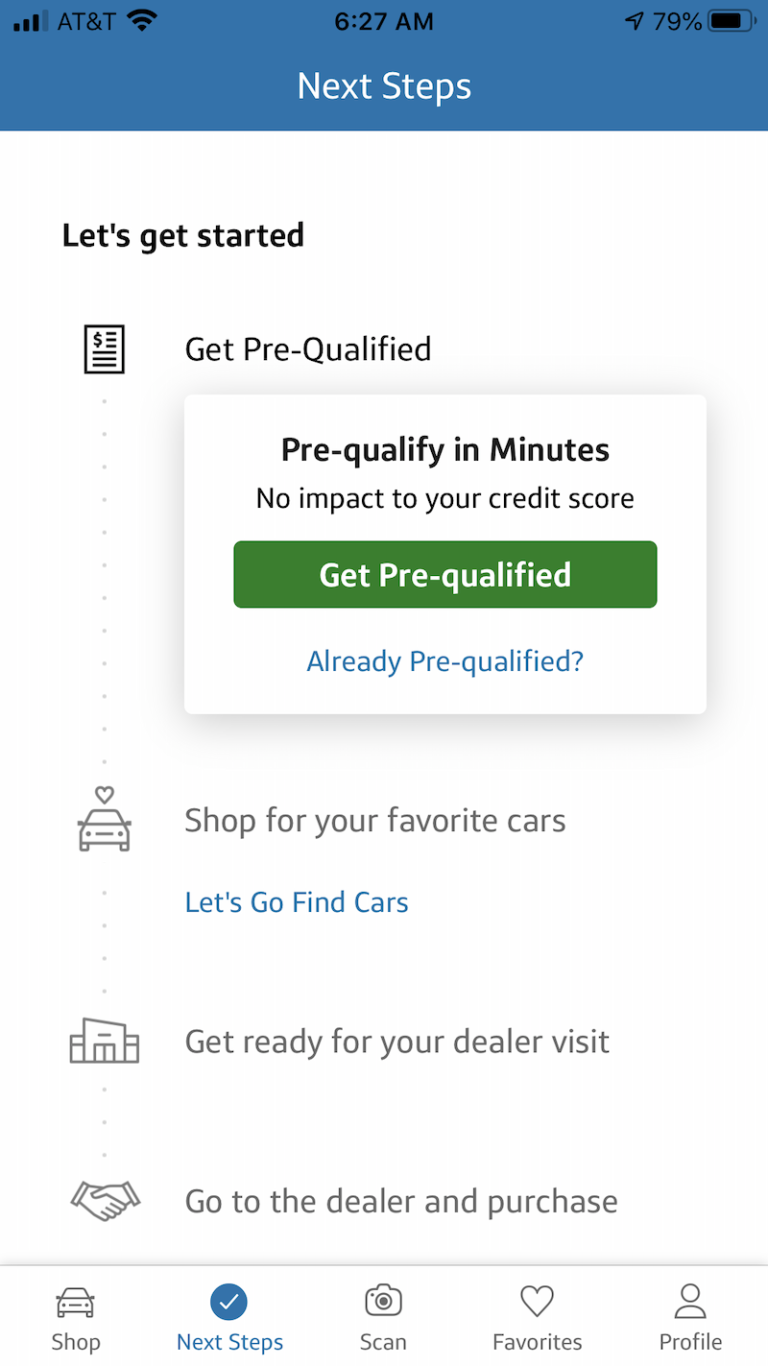
This is perhaps the most crucial step. Do not wait until you are at the dealership to discuss financing. Apply for pre-approval with several lenders—banks, credit unions, and online lenders. Pre-approval gives you a clear understanding of the interest rate you qualify for and the maximum loan amount, all before you commit to a specific car. This process usually involves a "soft inquiry," which doesn’t harm your credit score.
Pro tip from us: Getting pre-approved from multiple sources within a short window (typically 14-45 days, depending on the scoring model) will usually count as a single "hard inquiry" on your credit report. This allows you to shop for the best rate without multiple hits to your score.
Step 3: Define Your Realistic Budget
Armed with your pre-approval, you can now set a realistic budget for your car purchase. Remember to consider not just the monthly loan payment, but also other car ownership costs like insurance, fuel, maintenance, and registration fees. Your pre-approval tells you what you can borrow, but your budget tells you what you should borrow.
Step 4: Research the Car Thoroughly
Once your financing is in order, focus on the vehicle itself. Research different makes and models, compare prices, read reviews, and check reliability ratings. Understand the market value of the car you’re interested in, using resources like Kelley Blue Book (KBB) or Edmunds, to ensure you’re getting a fair price.
Step 5: Negotiate Wisely and Separate the Deals
When you’re at the dealership, negotiate the price of the car first, completely separate from the financing. Once you’ve agreed on a vehicle price, then you can present your pre-approval offer. This allows you to compare the dealer’s financing options against your pre-approved rate, ensuring you get the best deal on both the car and the loan.
Lenders That Offer No Money Down Car Loans for Good Credit
The good news is that various types of financial institutions are eager to offer no money down car loans to borrowers with excellent credit. Your strong credit profile makes you a desirable customer, leading to competitive offers.
1. Traditional Banks
Major national banks and regional banks are often a primary source for auto loans. They typically have established auto loan departments and can offer competitive rates for well-qualified borrowers. Many offer online application processes for convenience.
2. Credit Unions
Credit unions are member-owned financial cooperatives known for often providing lower interest rates and more flexible terms compared to traditional banks. If you’re a member of a credit union, or if you qualify for membership, exploring their auto loan options is highly recommended.
3. Online Lenders
The digital age has brought forth a plethora of online lenders specializing in auto financing. These platforms can offer quick approvals, streamlined applications, and competitive rates due to lower overhead costs. They are an excellent option for comparing offers from multiple lenders efficiently.
4. Dealership Financing
Most dealerships have finance departments that work with a network of banks and captive lenders (financing arms of car manufacturers). While convenient, always compare their offers with your pre-approved rates to ensure you’re getting the best deal. Dealerships might also offer special manufacturer incentives for qualified buyers.
Beyond the Loan: Smart Car Buying Strategies for Good Credit Borrowers
Securing a great loan is only one part of the smart car buying equation. As a borrower with good credit, you have unique leverage that can be used for even greater financial advantage.
Understand the Total Cost of Ownership
Beyond the purchase price and loan interest, consider the long-term costs of owning a vehicle. This includes insurance premiums, maintenance schedules, expected repair costs, and fuel efficiency. A more expensive car might have lower monthly payments if financed over a long term, but its operating costs could be significantly higher.
Negotiate the Car Price Before Discussing Financing
As reiterated, always finalize the vehicle’s purchase price before revealing your financing situation or discussing loan options. Your goal is to get the lowest possible price for the car, separate from how you pay for it. Once the price is set, then compare your pre-approved loan with any offers from the dealership.
The Role of Trade-Ins (Even with No Money Down)
Even if you’re aiming for a "no money down" loan, a trade-in can still play a valuable role. The value of your trade-in can reduce the overall loan amount, effectively lowering your monthly payments or shortening the loan term. It acts as an indirect down payment, even if you don’t contribute additional cash.
Considering Extended Warranties vs. Self-Insurance
Dealerships will almost certainly offer extended warranties or service contracts. While some can offer peace of mind, they also add to the total cost. With your good credit, you might have the financial discipline to "self-insure" by setting aside an equivalent amount in a savings account for potential repairs. Evaluate if the warranty truly offers value for your specific vehicle and driving habits.
Refinancing Options in the Future
One of the often-overlooked benefits for good credit borrowers is the option to refinance. If interest rates drop, or if your credit score improves even further after you’ve had the loan for a while, you might be able to refinance your car loan for an even lower interest rate or better terms. This flexibility can lead to significant long-term savings. For more insights on improving your credit score, check out our guide on .
Building and Maintaining Excellent Credit for Future Loans
Your good credit isn’t just a one-time ticket to a great car loan; it’s a continuous asset that requires diligent care. Maintaining an excellent credit profile will serve you well for all future financial endeavors, from mortgages to personal loans.
1. Pay Bills On Time, Every Time
This is the golden rule of credit. Payment history accounts for the largest portion of your credit score. Set up automatic payments or reminders to ensure you never miss a due date on any of your accounts, including your new car loan.
2. Keep Credit Utilization Low
Credit utilization refers to the amount of credit you’re using compared to your total available credit. Aim to keep this ratio below 30%, ideally even lower. High utilization can signal to lenders that you are over-reliant on credit.
3. Avoid Opening Too Many New Accounts Simultaneously
While opening new credit accounts can sometimes be necessary, doing so too frequently can negatively impact your score. Each new application results in a hard inquiry, and a flurry of new accounts can make you appear as a higher risk.
4. Regularly Monitor Your Credit Report
Make it a habit to check your credit reports at least once a year for errors or suspicious activity. You can get free copies of your reports from AnnualCreditReport.com. For detailed information on FICO scores and how they are calculated, visit the official . Catching and disputing errors quickly can protect your score and financial standing.
Conclusion: Drive Away with Confidence
Securing a "good credit no money down car loan" is a powerful testament to your financial responsibility and a fantastic opportunity to acquire the vehicle you need without depleting your savings. By understanding what constitutes good credit, exploring the advantages and potential pitfalls, and meticulously planning your approach, you can navigate the auto financing landscape with unparalleled confidence.
Remember, your excellent credit score is a valuable tool. Leverage it by getting pre-approved, comparing offers from multiple lenders, and negotiating effectively. While the allure of zero down is strong, always keep the total cost of the loan and your overall financial health in perspective.
With the insights provided in this comprehensive guide, you are now equipped to make smart decisions, secure the best possible terms, and ultimately, drive away in your dream car, knowing you’ve made a financially sound choice. Start your journey today, informed and empowered! For more deep dives into smart financial decisions, explore our other articles like .