Unlocking Your Auto Loan’s True Cost: Your Expert Guide to Calculating APR
Unlocking Your Auto Loan’s True Cost: Your Expert Guide to Calculating APR Carloan.Guidemechanic.com
Buying a car is an exciting milestone for many, but the financial journey often feels like navigating a dense fog. Among the many terms thrown your way – interest rate, principal, loan term, monthly payment – one stands out as the ultimate determinant of your loan’s true cost: the Annual Percentage Rate, or APR. Yet, for many, "How do I calculate my APR on a car loan?" remains a baffling question.
Understanding and calculating your car loan APR isn’t just about crunching numbers; it’s about empowering yourself. It’s the key to making informed decisions, comparing offers effectively, and ultimately saving a significant amount of money over the life of your loan. As an expert in personal finance and auto lending, I’m here to demystify this crucial concept and provide you with a comprehensive guide to mastering your car loan’s true cost.
Unlocking Your Auto Loan’s True Cost: Your Expert Guide to Calculating APR
What Exactly is APR? The Foundation of Car Loan Costs
When you borrow money for a car, you’re not just paying back the amount you borrowed (the principal). You’re also paying a fee to the lender for the privilege of using their money. This fee is primarily the interest rate. However, the interest rate alone doesn’t tell the whole story of what you’ll pay.
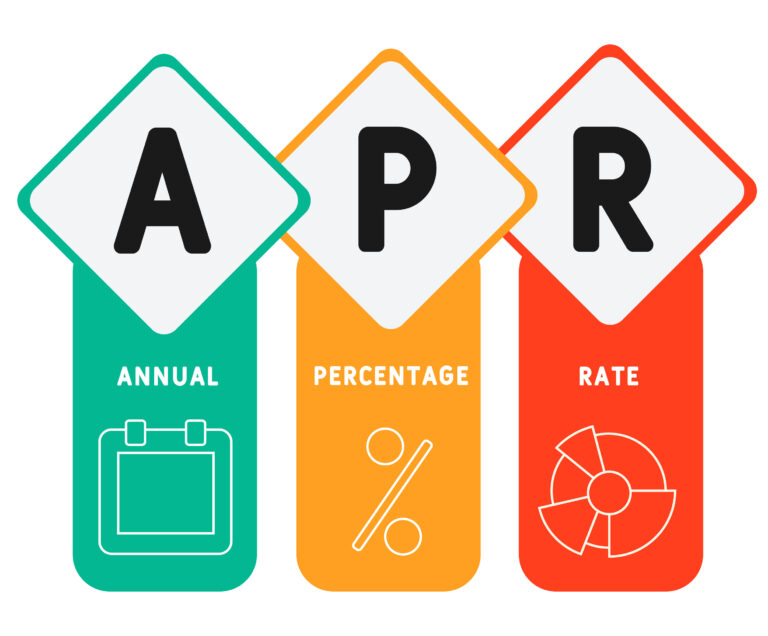
This is where the Annual Percentage Rate (APR) comes into play. The APR is the total cost of borrowing money for one year, expressed as a percentage. Crucially, it includes not only the basic interest rate but also most of the other fees and charges associated with the loan, such as origination fees, documentation fees, and sometimes even credit report fees. Think of it as the "all-inclusive" price tag for your loan.
Why is this distinction so important? Because two loans might have the exact same stated interest rate, but vastly different APRs due to varying fees. Focusing solely on the interest rate can lead you to choose a more expensive loan without even realizing it. The APR provides a standardized measure, allowing for a genuine apples-to-apples comparison between different lenders and offers.
Why is Calculating Your APR So Important?
Understanding your APR goes beyond simple arithmetic; it’s a fundamental step towards financial literacy and smart consumerism, especially for a significant purchase like a car. Based on my experience working with countless individuals, neglecting to fully grasp APR is one of the most common pitfalls in auto financing.
Firstly, it ensures transparency. Lenders are legally required to disclose the APR, but simply seeing the number isn’t enough; you need to understand what it represents. Knowing how it’s calculated allows you to scrutinize that number and ensure it accurately reflects all the costs involved.
Secondly, it’s your most powerful tool for comparing loan offers. Without a clear understanding of APR, you might incorrectly assume a loan with a lower interest rate is better, only to find it laden with hidden fees that inflate its true cost. A higher APR signals a more expensive loan overall, even if the interest rate seems attractive.
Pro tips from us: Always ask for the APR first, before even discussing the monthly payment or simple interest rate. This immediately sets a more informed tone for your negotiations. It empowers you to challenge questionable fees and negotiate for a better overall deal, rather than just focusing on one component of the loan.
The Components That Make Up Your Car Loan APR
To truly understand how to calculate your APR, you must first recognize the individual elements that contribute to it. It’s not just one number; it’s a symphony of charges that combine to form the total cost of your borrowing.
The primary component, of course, is the interest rate. This is the percentage charged by the lender on the principal amount you borrow. It’s the core cost of using the money, calculated periodically (usually monthly) on the outstanding balance. A higher interest rate directly translates to higher interest payments over the life of the loan.
Beyond the interest rate, various loan fees are often rolled into the APR. These can include:
- Origination fees: A charge for processing the loan application.
- Documentation fees: Costs associated with preparing and handling loan paperwork.
- Credit report fees: A small charge for pulling your credit history.
- Application fees: Sometimes a flat fee just to apply.
While less common to be directly included in the APR calculation itself, other charges like credit insurance or extended warranties might be offered. These often get added to your loan principal, increasing the total amount you borrow and, consequently, the total interest you pay, effectively making your loan more expensive even if the APR itself doesn’t technically change for that specific portion of the loan. Always scrutinize any additional products and understand if they are optional and how they impact your total loan amount.
The Manual Calculation: A Step-by-Step Guide (And Why Online Tools are Better)
Manually calculating the exact APR can be surprisingly complex because the official calculation involves sophisticated financial formulas that account for the time value of money and the precise timing of all payments and fees. However, understanding the concept of the manual calculation is invaluable for grasping what APR represents.
Let’s break down a simplified, approximate approach to understand the core mechanics, and then we’ll move to the practical, accurate method.
Step 1: Gather Your Loan Information
You’ll need these key figures:
- Principal (P): The actual amount of money you are borrowing for the car.
- Nominal Interest Rate (i): The simple interest rate quoted by the lender (as a decimal, e.g., 5% = 0.05).
- Loan Term (n): The total number of payments (e.g., 60 months for a 5-year loan).
- Total Fees (F): All the additional, upfront fees charged by the lender that are not part of the interest rate.
Step 2: Calculate Your Total Interest Paid (Approximation)
To do this, you first need to estimate your monthly payment. The standard loan amortization formula is:
M = P /
Where:
- M = Monthly payment
- P = Principal loan amount
- i = Monthly interest rate (annual rate / 12)
- n = Total number of months (loan term)
Once you have your estimated monthly payment (M), you can calculate the total amount paid over the loan term:
Total Amount Paid = M * n
Then, the approximate total interest paid is:
Total Interest Paid = Total Amount Paid - P
Step 3: Add All Applicable Fees to Total Interest
Now, combine the interest with the fees that are part of the APR calculation.
Total Cost of Borrowing = Total Interest Paid + Total Fees (F)
Step 4: Convert Total Cost to an Annual Percentage (Simplified APR Approximation)
A very simplified approximation for APR (which does not fully account for the time value of money as the official calculation does) is:
APR ≈ (Total Cost of Borrowing / Principal) / (Loan Term in Years) * 100
Common mistakes to avoid are: Not including all the fees in your "Total Fees (F)" calculation, or incorrectly converting your loan term from months to years. This manual method provides a conceptual understanding, but it’s crucial to recognize its limitations for precise, official APR.
The Practical Way: Using Online APR Calculators
While understanding the manual calculation provides valuable insight, accurately calculating APR, especially according to federal regulations (like the Truth in Lending Act), is complex due to the intricate financial formulas involved. This is why, based on my professional experience, the most practical, accurate, and recommended method for consumers is to utilize reliable online APR calculators.
These calculators are designed to handle the complex computations, taking into account all the variables much more precisely than a quick manual approximation. They essentially automate the process, providing you with an accurate APR almost instantly.
How to use them effectively:
- Input the Principal: This is the amount you intend to borrow for the car.
- Enter the Stated Interest Rate: This is the nominal interest rate the lender quotes you.
- Specify the Loan Term: Input the number of months or years for your loan.
- Add All Applicable Fees: This is the critical step. Ensure you input every fee associated with the loan that the lender has disclosed. This could include origination fees, documentation fees, and any other charges that are part of the cost of obtaining the loan.
Once you input these details, the calculator will instantly provide you with the true APR. This tool is invaluable for comparing offers from different lenders. If one lender quotes a 5% interest rate with $500 in fees, and another quotes 5.2% with no fees, an APR calculator will quickly reveal which one is genuinely cheaper.
For a reliable and robust tool, I recommend using a trusted external source like the Consumer Financial Protection Bureau’s (CFPB) auto loan calculator or similar tools offered by reputable financial sites like NerdWallet or Bankrate. These platforms are designed to provide accurate financial information and empower consumers.
Factors That Influence Your Car Loan APR
Your car loan APR isn’t a fixed number; it’s a dynamic figure influenced by several key factors. Understanding these elements can help you take proactive steps to secure the best possible rate.
The single biggest determinant of your APR is your credit score. Lenders use your credit score as a primary indicator of your creditworthiness and your likelihood to repay the loan. A higher credit score (typically 700+) signals lower risk, leading to lower interest rates and, consequently, a lower APR. Conversely, a lower credit score often results in a higher APR to compensate the lender for the increased risk.
Another significant factor is the loan term. While longer terms often mean lower monthly payments, they usually come with a slightly higher APR. This is because the lender is taking on risk for a longer period. A shorter loan term, on the other hand, often means a lower APR, though with higher monthly payments.
The loan amount can also play a role, although it’s less impactful than credit score. Sometimes, very small loans might have slightly higher administrative costs reflected in the APR. Similarly, a substantial down payment reduces the principal amount you need to borrow. This not only decreases your monthly payments but can also signal lower risk to the lender, potentially leading to a better APR.
The type and age of the vehicle you’re financing can also influence your rate. Lenders often view new cars as less risky collateral than older, used vehicles, which can depreciate more rapidly. Finally, the lender itself makes a huge difference. Banks, credit unions, and dealership financing arms all have different lending criteria and rate structures. Shopping around is crucial.
Strategies to Secure a Lower APR
Now that you understand what APR is and what influences it, let’s explore actionable strategies to help you secure the lowest possible rate on your car loan. These tips are based on years of observing successful financial planning.
The most impactful strategy is to improve your credit score before applying. Pay down existing debts, make all payments on time, and avoid opening new credit accounts in the months leading up to your car purchase. Even a 20-point increase in your score can unlock significantly better rates.
Secondly, aim to make a substantial down payment. A larger down payment reduces the amount you need to borrow, which not only lowers your monthly payments but also decreases the lender’s risk, often translating to a more favorable APR. Lenders prefer borrowers who have more "skin in the game."
Shop around for lenders aggressively. Don’t just accept the first offer, especially not from the dealership. Get pre-approved by several different banks, credit unions, and online lenders. Credit unions, in particular, often offer very competitive rates. Having multiple pre-approvals in hand gives you leverage and a benchmark against which to compare all other offers.
If you are considering dealership financing, negotiate the APR directly. Dealers often mark up interest rates to increase their profit. Knowing your pre-approved rate from an external lender allows you to challenge any higher rates offered by the dealership.
Consider a shorter loan term if your budget allows for the higher monthly payments. As discussed, shorter terms generally come with lower APRs, saving you significant money on interest over time. If you already have a car loan, refinancing an existing car loan can also be an excellent strategy if market rates have dropped or your credit score has improved since you first took out the loan.
Red Flags and Hidden Pitfalls to Watch Out For
Even with the best intentions, the car buying and financing process can be fraught with potential traps. Being aware of these red flags can save you from costly mistakes.
Beware of "too good to be true" rates. If an advertised APR seems unusually low, especially if your credit isn’t stellar, read the fine print carefully. Often, these rates are for highly qualified buyers or come with very specific, restrictive terms.
Watch out for pressure tactics from lenders or dealers. Never feel rushed into signing anything. A reputable lender will give you ample time to review all documents and ask questions. High-pressure sales tactics are a sign that they might be trying to obscure unfavorable terms.
A common mistake to avoid is not understanding all the fees. Always demand a clear, itemized breakdown of every single fee included in your loan. If a fee isn’t explained clearly or seems excessive, question it. Some fees are negotiable, while others might be entirely unnecessary.
Finally, be cautious about adding unnecessary add-ons into your loan principal. Extended warranties, GAP insurance, paint protection, and other services can be valuable, but adding them to your loan means you’re paying interest on them for the entire loan term. This significantly increases their true cost and inflates your total loan amount, even if the APR percentage remains the same. Always consider purchasing these separately or paying cash if you truly need them. Based on my experience, these add-ons are where many consumers unwittingly inflate their overall car costs.
Beyond APR: Other Important Car Loan Considerations
While APR is paramount, a holistic view of your car loan involves more than just this single percentage. To make the most financially sound decision, you need to consider the broader context of your purchase.
Always look at the total cost of the vehicle, not just the loan terms. A lower APR on a more expensive car might still result in you paying more overall than a slightly higher APR on a more affordable car. Factor in the car’s sticker price, taxes, and any other associated purchasing costs.
Equally important is the monthly payment affordability. A low APR is great, but if the monthly payment stretches your budget too thin, it can lead to financial strain. Use a loan calculator to determine a comfortable monthly payment that leaves room for other expenses and savings.
While rare for standard car loans, always check for loan pre-payment penalties. This is a fee charged by some lenders if you pay off your loan earlier than scheduled. Fortunately, most auto loans do not have these, but it’s always wise to confirm before signing.
Don’t forget to factor in ongoing insurance costs and maintenance costs for your chosen vehicle. A car with a low APR might have prohibitively expensive insurance premiums or a reputation for costly repairs, negating any savings from the loan. For more insights on managing your car’s ongoing expenses, you might find our guide on helpful. (Internal Link Placeholder)
Conclusion
Mastering your car loan’s APR is not just an academic exercise; it’s a critical skill for any savvy consumer. It moves you from passively accepting loan terms to actively understanding and influencing them. By grasping what APR truly represents – the total annual cost of borrowing, including interest and most fees – you gain the power to compare offers accurately, negotiate confidently, and avoid costly hidden pitfalls.
Remember to gather all your loan details, understand the components that make up the APR, and leverage reliable online calculators for precise measurements. By focusing on your credit score, making a down payment, and diligently shopping around for lenders, you can significantly reduce your borrowing costs.
You are now equipped with the knowledge to approach your next car loan with confidence and clarity. No longer will you wonder, "How do I calculate my APR on a car loan?" Instead, you’ll be able to confidently assess any offer, ensuring you make the smartest financial decision for your vehicle purchase. Drive forward with financial wisdom!