Unlocking Your Car Loan Timeline: A Comprehensive Guide to Knowing How Many Months Left On Your Car Loan
Unlocking Your Car Loan Timeline: A Comprehensive Guide to Knowing How Many Months Left On Your Car Loan Carloan.Guidemechanic.com
For many, a car represents freedom, convenience, and a significant financial commitment. The monthly car payment is often one of the largest fixed expenses after housing, making it a critical component of personal budgeting. A question that frequently crosses the minds of car owners is: "How many months left on my car loan?" This isn’t just a matter of curiosity; it’s a fundamental piece of information for effective financial planning, strategic decision-making, and ultimately, achieving financial peace of mind.
In this in-depth guide, we’ll dive deep into understanding your car loan timeline. We’ll explore various methods to accurately pinpoint your remaining payments, discuss the factors that influence this number, and provide expert tips for managing your auto debt more effectively. Whether you’re looking to budget better, explore early payoff options, or simply gain clarity, knowing precisely how many months you have left on your car loan is your first step towards greater financial control.
Unlocking Your Car Loan Timeline: A Comprehensive Guide to Knowing How Many Months Left On Your Car Loan
Why Knowing Your Remaining Car Loan Term Matters More Than You Think
Understanding the precise duration of your car loan isn’t just about counting down the days until you’re debt-free. It’s a cornerstone of smart financial management and empowers you to make informed decisions about your future. This knowledge provides a clear picture of your financial obligations, allowing for more strategic planning.
When you know your remaining car loan term, you unlock several key advantages. It provides clarity on how long a significant portion of your income will be allocated to this specific debt. This understanding is crucial for broader financial goals, such as saving for a down payment on a home, investing, or planning for retirement.
Budgeting and Financial Clarity
Knowing exactly how many months you have left on your car loan is invaluable for precise budgeting. It allows you to forecast your expenses accurately and understand when a significant monthly payment will be freed up. This clarity helps you allocate funds more efficiently.
You can then re-evaluate your budget, perhaps redirecting those funds towards other financial goals or reducing other debts. This forward-looking approach to your finances helps you avoid surprises and manage your cash flow more effectively.
Exploring Early Payoff Options
For many, paying off debt early is a highly desirable goal. When you know your remaining term, you can strategically plan to make additional payments, potentially saving thousands in interest over the life of the loan. This is where understanding your "car loan payoff" truly comes into play.
The desire to be debt-free sooner is a powerful motivator. By knowing your remaining term, you can set realistic goals for accelerating your payoff and calculate the exact savings you could achieve. This empowers you to take proactive steps towards financial freedom.
Strategic Decision-Making
Your car loan timeline can significantly influence other major financial decisions. For instance, if you’re considering buying a new car, knowing your current loan status helps you determine if you’ll be trading in with equity or negative equity. This insight prevents you from making hasty or financially detrimental choices.
Furthermore, it helps you decide if refinancing is a viable option. If you have a long time left on your car loan and interest rates have dropped, refinancing could save you money. Without knowing your current term, such decisions are made in the dark.
How to Accurately Determine "How Many Months Left On My Car Loan"
Pinpointing the exact number of months left on your car loan doesn’t have to be a mystery. There are several reliable methods you can use, ranging from simple checks to more detailed calculations. Based on my experience, the easiest and most accurate methods involve direct communication with your lender or reviewing your loan documents.
It’s important to use a method that gives you a precise number, not just an estimate. An accurate figure is essential for all the financial planning and strategic decisions we discussed earlier. Let’s explore the most effective ways to find out your remaining car payments.
Method 1: Check Your Loan Statement or Online Portal
The most straightforward way to find out how many months you have left is to consult your loan statements. Every month, your lender sends you a statement detailing your payment, the amount applied to principal and interest, and often, your remaining balance and the number of payments left.
Most modern lenders also provide an online portal where you can access all this information instantly. Log in to your account, navigate to your car loan details, and you should easily find the number of remaining payments or your original loan term and the number of payments already made. This is often the quickest and most up-to-date source.
Method 2: Consult Your Original Loan Agreement
When you first financed your car, you signed a loan agreement or contract. This document contains all the fundamental details of your loan, including the original loan term in months. For example, it might state "60 months" or "72 months."
While this won’t tell you exactly how many months are left without further calculation, it provides the starting point. If you know the original term and the date your payments began, you can subtract the number of months that have passed. This method is reliable for understanding the initial commitment.
Method 3: Contact Your Lender Directly
If you can’t find your statements or access your online portal, or if you prefer direct confirmation, simply call your car loan provider. Their customer service representatives can quickly provide you with your current loan balance, the number of remaining payments, and your official payoff amount.
When you call, be prepared to provide your account number and some personal identification information for security purposes. This method is highly accurate and allows you to ask any specific questions you might have about your loan.
Method 4: Utilize an Amortization Schedule
An amortization schedule is a table detailing each payment made over the life of a loan, showing how much of each payment goes towards interest and principal, and the remaining balance. If you have access to your original amortization schedule, you can easily track your progress.
Many lenders provide this schedule upfront, or you can often generate one using online calculators if you have your loan’s principal amount, interest rate, and original term. By finding the last payment you made on the schedule, you can see how many payments are still listed after that point.
Method 5: Use Online Car Loan Calculators
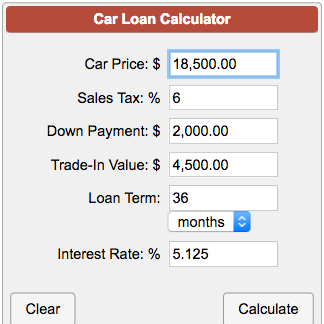
Numerous reputable financial websites offer free car loan calculators. These tools are excellent for estimating your remaining term or verifying information, especially if you’ve made extra payments. You’ll typically need to input your current loan balance, interest rate, and your monthly payment amount.
A good calculator will then show you an estimated number of payments remaining. While convenient, always cross-reference these calculations with your lender’s information, especially if you’ve made irregular payments. Pro tip from us: For the most accurate calculations, ensure you’re using your current effective interest rate and remaining principal balance, not just the original figures.
(External link placeholder: For a reliable estimate, you can use a trusted financial calculator like the one found at a reputable financial institution or consumer resource like Consumer Financial Protection Bureau’s website).
Understanding the Factors That Influence Your Car Loan Term
While your original loan agreement sets a fixed term, several factors can actually alter how many months you truly have left on your car loan. It’s not always a static number; your actions and external circumstances can change your payoff timeline. Knowing these influences helps you manage your loan more proactively.
Many borrowers assume their loan term is set in stone from day one, but this isn’t always the case. Understanding these dynamics is key to strategic car loan management and potentially reaching debt-free status sooner. Let’s explore what truly impacts your loan duration.
Original Loan Term
This is the most obvious factor. When you initially financed your vehicle, you agreed to a specific repayment period, such as 36, 48, 60, 72, or even 84 months. This original term forms the baseline for your loan duration. The longer the original term, the more months you will have to make payments.
While a longer term means lower monthly payments, it also generally means paying significantly more in total interest over the life of the loan. This is a crucial trade-off to consider when initially choosing your loan terms.
Interest Rate
Your interest rate directly affects how much of each payment goes towards interest versus the principal. A higher interest rate means more of your early payments are consumed by interest, slowing down the reduction of your principal balance. Conversely, a lower interest rate allows you to pay down the principal faster.
While the interest rate doesn’t directly change the number of scheduled payments unless you refinance, it impacts how quickly your principal reduces, which is vital if you’re considering an early payoff. It also dictates the total cost of your loan over its original term.
Extra Payments
Making additional payments beyond your scheduled monthly amount is the most effective way to shorten your loan term. When you make an extra payment, especially if you specify that it should be applied directly to the principal, you reduce your outstanding balance. This means less interest accrues on that principal in subsequent months.
Each extra payment effectively shaves time off your loan. Even small, consistent extra payments can make a significant difference over the loan’s life. Based on my experience, even adding just $50 to your monthly payment can cut months off a typical car loan.
Refinancing Your Loan
Refinancing involves taking out a new loan to pay off your existing car loan. When you refinance, you’re essentially starting a new loan with new terms. This can either shorten or lengthen your remaining loan term, depending on the new agreement.
People often refinance to secure a lower interest rate or reduce their monthly payments. If you refinance for a lower rate and keep a similar or shorter term, you could pay off your car faster. However, if you refinance to lower your monthly payment by extending the loan term, you will ultimately have more months left on your car loan, and likely pay more in total interest.
Late Payments and Fees
While less common, repeated late payments or accumulating various fees (e.g., late fees, returned payment fees) can indirectly affect your loan timeline. If these fees are rolled into your principal or if you miss payments, your principal balance might not decrease as expected.
This can sometimes lead to a slightly longer effective payoff period if you’re trying to pay it off early, or simply mean more of your future payments go towards catching up on fees and interest rather than reducing the principal. It’s a common mistake to think these fees don’t affect the loan’s overall timeline.
The Benefits of Knowing Your Remaining Car Loan Term
Having a clear picture of how many months you have left on your car loan offers numerous practical advantages that extend beyond mere curiosity. It’s a powerful tool for financial empowerment, enabling you to make more strategic decisions and achieve your financial goals faster.
This knowledge transforms your car loan from a static burden into a dynamic element of your personal finance strategy. It allows for proactive management rather than simply reacting to monthly bills. Let’s explore the tangible benefits this awareness provides.
Enhanced Budgeting and Financial Planning
Knowing your exact remaining loan term allows for incredibly precise budgeting. You can clearly see when a significant portion of your monthly expenses will disappear, giving you the ability to plan for that future influx of disposable income. This insight is critical for long-term financial planning.
You can then decide whether to redirect that freed-up cash towards investments, other debt repayment, or a savings goal. This level of foresight makes your financial planning much more robust and effective.
Empowering Early Payoff Strategies
One of the most significant benefits is the ability to strategically plan for an early payoff. When you know your current balance and remaining term, you can calculate how much you need to pay extra each month to reach your debt-free goal by a specific date. This precision is incredibly motivating.
Pro tips from us: Even small, consistent extra payments can significantly reduce your interest paid and shorten your loan term. Consider applying any unexpected windfalls, like tax refunds or bonuses, directly to your loan principal. This accelerates your journey to being car loan-free.
Informed Decisions on Refinancing
With a clear understanding of your remaining loan term, you can make smarter decisions about refinancing. If you’re several years into a long loan and interest rates have dropped, knowing your current timeline helps you assess if a refinance would truly save you money or just extend your payments further.
You can compare the remaining interest on your current loan versus the potential new interest and term. This allows you to avoid the common mistake of refinancing only to end up paying more in the long run due to an extended term.
Strategic Planning for Selling or Trading In Your Car
If you’re considering selling or trading in your vehicle, knowing your exact remaining loan term and balance is paramount. It tells you whether you have equity (your car is worth more than you owe) or negative equity (you owe more than your car is worth).
Selling a car with negative equity can be a financial headache, often requiring you to pay the difference out of pocket. Knowing your status beforehand helps you decide if now is the right time to sell or if it’s better to wait until you build more equity. Common mistakes to avoid are trading in a car with significant negative equity without understanding the financial implications, as that negative balance often gets rolled into your new loan.
(Internal link placeholder: For more insights into managing your car loan and making informed decisions, read our article on .)
Common Mistakes When Tracking Your Car Loan (And How to Avoid Them)
Even with the best intentions, it’s easy to fall into common traps when managing or tracking your car loan. These mistakes can lead to inaccurate estimates of your remaining term, missed opportunities for savings, and unnecessary financial stress. Drawing from years of experience in personal finance, I’ve seen these errors repeatedly.
Avoiding these pitfalls is crucial for effective car loan management and ensuring you truly know how many months left on your car loan. Let’s highlight some of these common missteps and equip you with the knowledge to steer clear of them.
Mistake 1: Relying Solely on the Original Loan Term
Many people simply remember their original loan term (e.g., "it was a 60-month loan") and subtract the number of months they’ve been paying. While a good starting point, this method doesn’t account for extra payments, late payments, or refinancing.
How to avoid it: Always refer to your most recent loan statement or online portal for the current number of payments remaining. If you’ve made extra payments, your actual remaining term will be shorter than your original calculation.
Mistake 2: Ignoring the Principal-Interest Split
In the early stages of a car loan, a significant portion of each payment goes towards interest, with only a smaller amount reducing the principal. As the loan progresses, this ratio shifts, with more of your payment going to principal. Based on my experience, people often overlook this crucial detail.
How to avoid it: Review your amortization schedule or your monthly statements to see how much of each payment is applied to the principal. Understanding this helps you appreciate the power of extra principal payments, especially early in the loan.
Mistake 3: Forgetting About Potential Fees
Late fees, administrative fees, or other charges can sometimes be added to your loan balance if not paid immediately. If these fees accumulate, they can indirectly extend the time it takes to pay off your loan or increase your total cost.
How to avoid it: Always pay your car loan on time to avoid late fees. Review your statements regularly for any unexpected charges and address them promptly with your lender.
Mistake 4: Not Specifying Extra Payments for Principal
If you make an extra payment, and don’t specify how it should be applied, some lenders might automatically apply it to your next scheduled payment, effectively just pushing your due date forward rather than directly reducing your principal.
How to avoid it: When making an extra payment, always explicitly state that you want the additional funds applied directly to the principal balance. This ensures the payment immediately reduces the amount on which interest is calculated.
Mistake 5: Not Considering the Opportunity Cost of Early Payoff
While paying off a car loan early can save you interest, it’s important to consider if that money could be better used elsewhere, such as paying off higher-interest debt (like credit cards) or investing for higher returns.
How to avoid it: Before aggressively paying off your car loan, assess your entire financial picture. Ensure you have an emergency fund in place and that you’re not neglecting higher-priority financial goals or higher-interest debts.
Pro Tips for Smart Car Loan Management
Managing your car loan effectively goes beyond just making your monthly payments. It involves strategic planning, consistent monitoring, and making informed decisions that can save you money and shorten your path to debt freedom. These pro tips are designed to help you optimize your car loan experience.
By implementing these strategies, you can take control of your car loan, rather than letting it control you. This proactive approach ensures you’re always aware of how many months left on your car loan and are working towards the most financially beneficial outcome.
1. Set Up Automatic Payments
Automating your car loan payments ensures you never miss a due date, avoiding late fees and negative impacts on your credit score. It also provides peace of mind, knowing your payment is always made on time.
Many lenders offer a small interest rate discount for setting up auto-pay. This is a simple, effective step that guarantees consistency and potentially saves you money.
2. Review Your Statements Regularly
Don’t just glance at your total due amount. Take a few minutes each month to review your loan statement in detail. Check how much of your payment went to principal versus interest, verify the remaining balance, and confirm the number of payments left.
This regular check-up keeps you informed and helps you quickly spot any discrepancies or unexpected charges. It’s an essential part of staying on top of your loan.
3. Consider Bi-Weekly Payments
Instead of making one large payment monthly, consider splitting your payment into two smaller payments every two weeks. Since there are 52 weeks in a year, this results in 26 bi-weekly payments, which equates to 13 full monthly payments annually instead of 12.
This strategy effectively adds an extra payment each year, directly reducing your principal faster and significantly shortening your loan term. Pro tips from us: Ensure your lender applies the extra payment directly to the principal, not just forward-dating your next payment.
4. Make Lump Sum Payments When Possible
If you receive a bonus, a tax refund, or any unexpected windfall, consider making a lump sum payment towards your car loan principal. Even a few hundred dollars can shave months off your loan and save you a considerable amount in interest over time.
This is an excellent way to accelerate your payoff without impacting your regular monthly budget. It’s a powerful tool for strategic debt reduction.
5. Prioritize Higher-Interest Debts First
While paying off your car loan early is great, it’s crucial to prioritize. If you have credit card debt or personal loans with significantly higher interest rates than your car loan, focus on those first. The interest savings will be much greater.
Once those higher-interest debts are tackled, you can then direct your extra funds towards your car loan. This is a fundamental principle of efficient debt management.
6. Keep an Emergency Fund Separate
Before aggressively paying down your car loan, ensure you have a robust emergency fund in place (typically 3-6 months of living expenses). Tying up all your cash in debt repayment can leave you vulnerable if an unexpected expense arises.
An emergency fund provides a financial safety net, preventing you from having to take on new debt or dip into retirement savings if a car repair or medical bill comes up.
(Internal link placeholder: To learn more about setting up your finances for success, explore our guide on .)
What Happens When You Reach the End of Your Car Loan?
The day you make your final car loan payment is a moment of significant financial achievement and relief. It’s the culmination of months, or even years, of disciplined budgeting and commitment. However, the process doesn’t always end with just the last payment. There are a few important steps and considerations to keep in mind once you’ve officially paid off your car.
Understanding these final stages ensures a smooth transition and confirms your ownership rights. Knowing what to expect allows you to fully appreciate the freedom that comes with being car loan-free.
Receiving Your Car Title
Once your car loan is fully paid off, your lender is legally obligated to release the lien on your vehicle and send you the car title. The title is the legal document that proves you are the sole owner of the car. This process can take a few weeks, so don’t be alarmed if you don’t receive it immediately.
If you don’t receive your title within a reasonable timeframe (typically 2-4 weeks), contact your lender to inquire about its status. Some states issue electronic titles, and the lender will notify the Department of Motor Vehicles (DMV) that the lien has been released, after which you might need to request a physical copy if desired.
Updating Your Insurance
With no outstanding loan, you might have more flexibility with your car insurance coverage. Lenders often require specific types of coverage, such as comprehensive and collision, to protect their financial interest in the vehicle. Once the loan is paid off, these requirements are lifted.
You can then re-evaluate your insurance needs and potentially adjust your coverage to save money, though it’s always wise to maintain adequate coverage to protect your asset. Consult with your insurance provider to discuss your options.
Notifying the DMV (If Applicable)
In some states, you might need to notify the Department of Motor Vehicles (DMV) that the lien on your vehicle has been released and that you are now the sole owner. This is often part of the process of getting a clean title in your name.
Check your state’s specific DMV requirements to ensure you complete any necessary paperwork. This step ensures there are no lingering administrative issues that could complicate future sales or transfers of ownership.
Enjoying Financial Freedom
Perhaps the most significant outcome of paying off your car loan is the financial freedom it provides. That monthly payment is now yours to keep, save, or invest. This frees up a significant portion of your budget, offering new opportunities for your financial future.
Whether you choose to save for a down payment on a home, invest in your retirement, pay off other debts, or simply enjoy the extra disposable income, being car loan-free is a major milestone worth celebrating.
Conclusion: Take Control of Your Car Loan Timeline
Knowing "how many months left on my car loan" is far more than a simple numerical fact; it’s a powerful tool for financial empowerment. By understanding your loan’s timeline, the factors that influence it, and the strategies to manage it effectively, you gain invaluable control over a significant portion of your personal finances. This knowledge allows you to budget with precision, strategize for early payoff, and make informed decisions about refinancing or selling your vehicle.
We’ve explored various reliable methods to accurately determine your remaining loan term, from reviewing statements to utilizing online calculators. We’ve also highlighted common pitfalls to avoid and provided expert tips for smart car loan management, emphasizing the importance of proactive engagement with your debt. As you approach the end of your car loan journey, remember the crucial steps involved in securing your title and adjusting your financial plans.
Ultimately, being informed about your car loan is about achieving financial clarity and peace of mind. Take the time to understand your loan, apply these strategies, and embark on your path to financial freedom with confidence. Your future self will thank you for taking control today.