Unlocking Your Dream Ride: The Ultimate Guide to FCU Car Loans
Unlocking Your Dream Ride: The Ultimate Guide to FCU Car Loans Carloan.Guidemechanic.com
The open road, the scent of a new car, or the reliable hum of a pre-owned gem – for many, owning a vehicle is more than just transportation; it’s a symbol of freedom and possibility. However, turning that dream into a reality often involves navigating the complex world of auto financing. If you’re looking for an alternative to traditional banks that offers competitive rates, flexible terms, and a member-first approach, an FCU car loan might be your perfect solution.
In this comprehensive guide, we’ll dive deep into everything you need to know about securing an auto loan through a Federal Credit Union. We’ll explore why FCUs often offer better deals, how to become a member, the application process, and invaluable tips to get the best possible terms. Our goal is to equip you with the knowledge to make an informed decision, helping you drive away with confidence and a smart financial plan.
Unlocking Your Dream Ride: The Ultimate Guide to FCU Car Loans
What Exactly is an FCU Car Loan? A Member-Owned Advantage
Before we delve into the specifics, let’s clarify what an FCU is and how it differs from a traditional bank. An FCU, or Federal Credit Union, is a not-for-profit financial institution that is owned by its members. Unlike banks, which are typically for-profit entities beholden to shareholders, credit unions operate with the primary goal of serving their members’ financial needs.
This fundamental difference translates directly into tangible benefits for you, especially when it comes to securing an FCU car loan. Because credit unions aren’t driven by the need to generate large profits for external shareholders, they can often pass those savings back to their members in the form of lower interest rates on loans, higher yields on savings accounts, and fewer fees. It’s a cooperative model where every member has a say and benefits from the collective.
When you apply for an auto loan with an FCU, you’re not just a customer; you’re a part-owner. This relationship fosters a more personalized and supportive lending environment. They genuinely want to see you succeed financially, which often means more flexibility and understanding during the loan process.
The Undeniable Advantages of Choosing an FCU Car Loan
When considering where to finance your next vehicle, the benefits of opting for a Federal Credit Union car loan are compelling. From my experience working with countless individuals seeking smart financing, FCUs consistently stand out for several key reasons.
Consistently Lower Interest Rates
One of the most significant advantages of an FCU car loan is the potential for lower interest rates. As non-profit organizations, credit unions are generally able to offer more competitive rates compared to traditional banks. This is because their primary mission is to serve their members, not to maximize profits for shareholders.
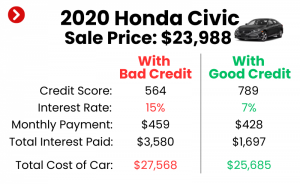
A lower interest rate directly translates to a smaller total cost for your car over the life of the loan. Even a seemingly small difference in percentage points can save you hundreds, if not thousands, of dollars. It’s a powerful incentive to explore these options thoroughly.
Flexible Loan Terms Tailored to You
Credit unions are renowned for their willingness to work with members to find loan terms that fit individual financial situations. Whether you need a shorter term to pay off your vehicle faster or a longer term to reduce your monthly payments, an FCU car loan often provides that flexibility.
This personalized approach is a hallmark of the credit union philosophy. They understand that life happens, and they are often more amenable to discussing options if your circumstances change. This level of understanding and adaptability is a significant benefit that can provide peace of mind.
Personalized and Member-Centric Service
Forget the impersonal, transactional feel you might get at larger banks. Credit unions pride themselves on offering a high level of personalized service. When you apply for an auto loan through a credit union, you’re often interacting with people who genuinely know their members and their community.
This human touch can make the entire car-buying process less daunting. You’re more likely to receive one-on-one guidance, clear explanations, and support tailored to your specific questions and needs. This focus on individual relationships builds trust and makes the borrowing experience far more pleasant.
Fewer Fees and Greater Transparency
Another compelling reason to choose a credit union auto loan is the generally lower fees. Many FCUs have fewer or no origination fees, application fees, or prepayment penalties compared to some banks. This transparency means you know exactly what you’re paying for, without hidden costs.
Pro tips from us, seasoned financial navigators: Always ask for a full breakdown of all fees associated with any loan offer. FCUs are typically upfront about these costs, which is a testament to their member-first approach. This clarity helps you accurately compare loan offers.
Community Focus and Ethical Lending
FCUs are deeply embedded in their communities. They are often focused on the financial well-being of local residents and businesses. When you get an FCU car loan, you’re not just benefiting from favorable terms; you’re also supporting an institution that reinvests in your community.
This ethical lending practice ensures that your financial choices have a positive ripple effect. It’s a win-win situation where you get a great deal, and your community gains from a strong, member-focused financial institution. This sense of shared purpose is something you won’t find in many large banks.
Eligibility and How to Join an FCU: Your Gateway to Better Rates
To unlock the benefits of an FCU car loan, the first step is becoming a member of a Federal Credit Union. This might seem like an extra hurdle compared to walking into any bank, but the process is usually straightforward and the rewards are well worth it.
Understanding Membership Requirements
Unlike banks that are open to virtually anyone, credit unions have specific "fields of membership." These criteria define who is eligible to join. Common fields of membership include:
- Geographic Location: Many credit unions serve people who live, work, worship, or attend school in a specific county, city, or region.
- Employer or Association: Some FCUs are chartered to serve employees of a particular company, members of a specific union, or participants in a professional association.
- Family Membership: If an immediate family member (spouse, parent, sibling, child) is already a member of an FCU, you might be eligible to join based on that relationship.
- Affiliation with a Group: Some credit unions allow membership through affiliation with a specific non-profit or community group, often requiring a small donation to that organization to qualify.
It’s a good idea to research credit unions in your area or those tied to your employer or affiliations. Their websites will clearly outline their membership requirements. Don’t be discouraged if the first one you check doesn’t fit; there are thousands of credit unions, and you’re likely eligible for at least one.
The Easy Joining Process
Once you’ve identified an FCU you’re eligible for, joining is surprisingly simple. Typically, you’ll need to:
- Open a Savings Account: Most credit unions require you to open a basic savings account, often with a small initial deposit (e.g., $5-$25). This deposit represents your "share" in the credit union and establishes your membership.
- Provide Identification: Just like opening an account at a bank, you’ll need to provide valid government-issued identification (driver’s license, passport), your Social Security number, and proof of address.
- Complete an Application: Fill out a brief membership application, either online or in person.
That’s it! Once you’re a member, you gain access to all the credit union’s services, including their competitive FCU car loan offerings. This one-time process opens the door to a lifetime of potential financial benefits.
The FCU Car Loan Application Process: A Step-by-Step Guide
Securing an FCU car loan follows a similar trajectory to other auto loans, but with the added benefit of personalized guidance. Understanding each step can help streamline your experience and boost your chances of approval.
Step 1: Get Pre-Approved (Highly Recommended!)
Based on my experience, seeking pre-approval is one of the smartest moves you can make when financing a car. It’s not just a formality; it’s a powerful tool that puts you in control of the buying process.
- What is Pre-Approval? Pre-approval means the FCU has reviewed your creditworthiness and income, and has provisionally agreed to lend you a certain amount at a specific interest rate. This happens before you even step foot in a dealership.
- Why is it Important? With an FCU car loan pre-approval in hand, you walk into the dealership as a cash buyer. You know exactly how much you can afford, and your financing is already secured. This allows you to focus solely on negotiating the car’s price, rather than getting entangled in financing discussions with the dealer, which can sometimes lead to less favorable terms.
- What Does it Entail? You’ll provide basic financial information, including income, employment history, and authorize a credit check. The credit union will then give you a pre-approval letter outlining the loan amount and interest rate.
Step 2: Gather Your Documents
Preparation is key. Before applying for your auto loan with a credit union, ensure you have the necessary documents ready. This speeds up the process significantly.
- Personal Identification: Valid government-issued ID (driver’s license, state ID, passport).
- Proof of Income: Recent pay stubs (typically 2-3 months), W-2 forms, or tax returns if you’re self-employed.
- Proof of Residence: Utility bill, lease agreement, or mortgage statement with your current address.
- Credit History Information: While the FCU will pull your credit report, it’s always good to have a general idea of your score. Learn more about boosting your credit score to improve your chances.
- Vehicle Information (if already chosen): VIN, make, model, year, and selling price. If you’re pre-approved, you’ll provide this once you find your desired car.
Step 3: Submit Your Application
With your documents in hand and pre-approval potentially secured, you’re ready to submit a formal application for your FCU car loan.
- Online, In-Person, or Phone: Most credit unions offer multiple ways to apply, making it convenient for you.
- Be Thorough and Honest: Provide accurate information. Discrepancies can delay or even jeopardize your approval.
- Ask Questions: If anything is unclear on the application, don’t hesitate to ask your FCU representative. They are there to help.
Common mistakes to avoid are incomplete applications or failing to disclose relevant financial information. Transparency builds trust and speeds up the process.
Step 4: Await the Decision and Review the Offer
Once your application is submitted, the FCU’s lending team will review it. This typically involves assessing your creditworthiness, debt-to-income ratio, and the value of the vehicle you intend to purchase.
- Understanding the Decision: If approved, you’ll receive a loan offer detailing the interest rate, loan term, monthly payment, and any associated fees.
- Review Carefully: Read every line of the loan agreement. Ensure all terms match what you discussed and what you’re comfortable with.
- Negotiate (if applicable): While FCUs generally offer great rates upfront, if you have a strong credit profile or have received a better offer elsewhere, it never hurts to respectfully inquire if they can match or beat it.
Step 5: Close the Loan
Once you’re satisfied with the terms of your FCU car loan, the final step is to close the loan.
- Sign Documents: You’ll sign all necessary loan documents, solidifying the agreement.
- Disbursement of Funds: The credit union will then disburse the funds directly to you (for private sales) or to the dealership.
- Enjoy Your New Ride! With the financing secured, you can complete your vehicle purchase with confidence.
Types of FCU Car Loans Available: Options for Every Need
Federal Credit Unions offer a diverse range of auto loan products designed to meet various member needs. Whether you’re buying brand new or looking to save money on an existing loan, there’s likely an FCU car loan for you.
New Car Loans
If you’re eyeing a brand-new vehicle, an FCU car loan for new purchases is often the go-to option. These loans typically come with very competitive rates, especially for borrowers with excellent credit. Credit unions understand the appeal of a new car and structure their loans to make ownership accessible and affordable. They often finance up to 100% of the vehicle’s purchase price, sometimes even including taxes, title, and license fees, depending on your creditworthiness and the specific FCU’s policies.
Used Car Loans
For those seeking value in a pre-owned vehicle, FCU used car loans are an excellent choice. While the interest rates for used cars might be slightly higher than for new cars due to perceived depreciation risks, FCUs still offer highly competitive terms compared to other lenders. They will typically consider the vehicle’s age, mileage, and condition when determining loan eligibility and rates. Pro tip: Always get a pre-purchase inspection for a used car, and ensure its value aligns with the loan amount.
Auto Loan Refinancing
Perhaps you already have a car loan but are paying a high interest rate, or your credit score has significantly improved since you first financed your vehicle. FCU auto loan refinancing can be a game-changer. Refinancing involves taking out a new loan, often at a lower interest rate, to pay off your existing car loan.
Benefits of refinancing with an FCU include:
- Lower Monthly Payments: A reduced interest rate can significantly cut your monthly outlay.
- Reduced Total Cost: Over the life of the loan, you could save hundreds or thousands in interest.
- Better Terms: You might be able to adjust your loan term to better suit your current financial situation.
- Debt Consolidation: In some cases, you can roll other high-interest debt into your car loan, though this should be approached cautiously.
Refinancing an FCU car loan is a smart move for many, particularly if market rates have dropped or your credit profile has strengthened.
Lease Buyout Loans
If you’re currently leasing a vehicle and have decided you love it enough to keep it, an FCU lease buyout loan can help you transition from leasing to ownership. These loans provide the funds to purchase the vehicle at the agreed-upon residual value outlined in your lease agreement. FCUs often offer favorable terms for these loans, making it an attractive option to avoid lease-end fees and maintain a vehicle you’re already familiar with.
Maximizing Your Chances: Tips for Securing the Best FCU Car Loan
While Federal Credit Unions are known for their favorable terms, there are proactive steps you can take to ensure you secure the absolute best FCU car loan rate and terms possible. From a financial expert’s perspective, these strategies can make a significant difference.
1. Boost Your Credit Score
Your credit score is arguably the most critical factor in determining your interest rate. A higher score signals less risk to lenders, leading to better offers.
- Pay Bills on Time: Payment history accounts for a large portion of your score.
- Reduce Debt: Lower your credit card balances and other revolving debt.
- Check Your Credit Report: Dispute any errors that could be negatively impacting your score.
- Avoid New Credit Applications: Limit opening new credit lines in the months leading up to your FCU car loan application.
2. Make a Substantial Down Payment
A larger down payment reduces the amount you need to borrow, which can translate to a lower monthly payment and less interest paid over time.
- Lower Loan-to-Value (LTV): A substantial down payment reduces the LTV ratio, making your loan less risky for the FCU.
- Immediate Equity: You start with equity in your vehicle, protecting you against depreciation.
- Better Terms: Lenders are often more willing to offer preferential rates for loans with lower LTVs.
3. Maintain a Healthy Debt-to-Income (DTI) Ratio
Your DTI ratio is the percentage of your gross monthly income that goes towards paying your monthly debt obligations. Lenders use this to assess your ability to manage additional debt.
- Ideal Ratio: Aim for a DTI ratio of 36% or lower, though some lenders may approve up to 43% or even higher for strong applicants.
- Reduce Existing Debt: Pay down existing loans or credit card balances before applying for an FCU car loan to improve your DTI.
4. Shop Around (Even Within FCUs!)
While FCUs generally offer excellent rates, it’s still wise to compare offers from a few different credit unions. Rates can vary slightly based on individual FCU policies, your credit profile, and current market conditions.
- Get Multiple Pre-Approvals: Apply for pre-approval at 2-3 different FCUs within a short window (typically 14-45 days) to minimize the impact on your credit score from multiple inquiries.
- Compare Apples to Apples: Look at the APR (Annual Percentage Rate), not just the interest rate, as APR includes fees and gives a truer picture of the total cost.
5. Be Prepared to Negotiate (Where Appropriate)
While FCU rates are often non-negotiable due to their already competitive nature, don’t shy away from discussing your options.
- Leverage Other Offers: If you receive a slightly better offer from another reputable lender, present it to your preferred FCU to see if they can match or beat it.
- Discuss Terms: You might be able to negotiate loan terms (e.g., slightly shorter or longer) that better fit your budget, even if the rate is fixed.
Pro tips from us: Understanding your credit score is fundamental to getting the best rates. For a detailed breakdown of what factors influence your credit and how to improve it, consider visiting a trusted external resource like the Consumer Financial Protection Bureau’s guide on credit scores . This can provide invaluable insights to prepare you for any loan application.
Potential Downsides or Considerations for FCU Car Loans
While the advantages of an FCU car loan are substantial, it’s important to present a balanced view. There are a few considerations that might not make them the perfect fit for everyone. Understanding these can help you make a fully informed decision.
Membership Requirement
The most significant hurdle for some individuals is the requirement to become a member. Unlike banks that are open to virtually anyone, you must meet specific eligibility criteria to join an FCU. While this process is often simple and requires only a small deposit into a savings account, it’s an extra step that might deter those looking for the quickest possible loan without prior affiliation.
For those who are in a hurry or prefer not to engage with an additional financial institution, this initial membership step can feel like an inconvenience. However, for most, the long-term benefits of membership far outweigh this minor upfront effort.
Fewer Physical Branches (for Smaller FCUs)
Some smaller, locally focused Federal Credit Unions might have a limited number of physical branches, or their branches might not be as widespread as those of large national banks. If you prefer to conduct all your financial business in person or need frequent access to a branch, this could be a consideration.
However, many FCUs now offer robust online banking platforms, mobile apps, and extensive ATM networks (often surcharge-free through alliances) that largely mitigate the need for frequent branch visits. For many, the convenience of digital services makes branch proximity less of an issue.
Less Aggressive Marketing
Because FCUs are non-profit and member-focused, they typically don’t engage in the same level of aggressive advertising and marketing campaigns as large commercial banks. This means you might not hear about their excellent FCU car loan offerings through mainstream media.
It often requires proactive research on your part to discover eligible credit unions and their competitive rates. While this isn’t a "downside" to the loan itself, it means that many potential borrowers might overlook these superior options simply because they aren’t as widely publicized. This article, for instance, aims to bridge that information gap.
Conclusion: Drive Smarter with an FCU Car Loan
Navigating the landscape of auto financing can be a complex journey, but by understanding your options, you empower yourself to make the best financial decisions. As we’ve thoroughly explored, an FCU car loan stands out as a superior choice for many, offering a compelling blend of competitive rates, flexible terms, and personalized service.
From the inherent advantages of their member-owned, non-profit structure to the often-lower interest rates and fewer fees, Federal Credit Unions are designed to put your financial well-being first. We’ve walked through the straightforward process of becoming a member, detailed the step-by-step application, and highlighted the various types of credit union auto loans available. Most importantly, we’ve provided you with expert tips to maximize your chances of securing the best possible deal, ensuring you drive away with confidence.
While there are minor considerations like the initial membership requirement, the overwhelming benefits make FCUs a powerhouse in the auto lending market. If you’re in the market for a new or used vehicle, or even looking to refinance an existing loan, we strongly encourage you to explore the possibilities that an FCU car loan can offer. It’s not just about getting a car; it’s about making a smart financial move that benefits you and your community. Start your research today – your dream ride, financed intelligently, awaits!