Unlocking Your Home’s Potential: Is a HELOC the Smart Way to Finance Your Next Car?
Unlocking Your Home’s Potential: Is a HELOC the Smart Way to Finance Your Next Car? Carloan.Guidemechanic.com
The search for a new vehicle often brings with it the daunting task of figuring out how to pay for it. Traditional auto loans are the go-to for many, but what if there was another option hiding in plain sight – one that could potentially offer lower interest rates and more flexibility? We’re talking about leveraging your home equity through a Home Equity Line of Credit (HELOC) to finance your car.
This concept might sound unconventional, but for the right individual, a HELOC for a car loan can be a powerful financial tool. However, it’s a strategy that comes with significant benefits and equally significant risks. As an expert in personal finance and an experienced blogger, I’ve seen firsthand how homeowners navigate these complex decisions. This comprehensive guide will dissect everything you need to know, helping you determine if using a HELOC for your next car purchase aligns with your financial goals and risk tolerance.
Unlocking Your Home’s Potential: Is a HELOC the Smart Way to Finance Your Next Car?
We will delve deep into what a HELOC entails, explore its advantages and disadvantages when applied to car financing, compare it to traditional auto loans, and provide clear guidelines on when this approach makes sense – and when it absolutely doesn’t. By the end of this article, you’ll have a crystal-clear understanding to make an informed decision.
What Exactly is a HELOC? Understanding Your Home Equity Line of Credit
Before we discuss using a HELOC for a car loan, it’s crucial to understand what a Home Equity Line of Credit actually is. Imagine your home not just as a place to live, but as a potential source of flexible funding. A HELOC allows you to borrow against the equity you’ve built up in your home. Equity is simply the difference between your home’s current market value and the outstanding balance on your mortgage.
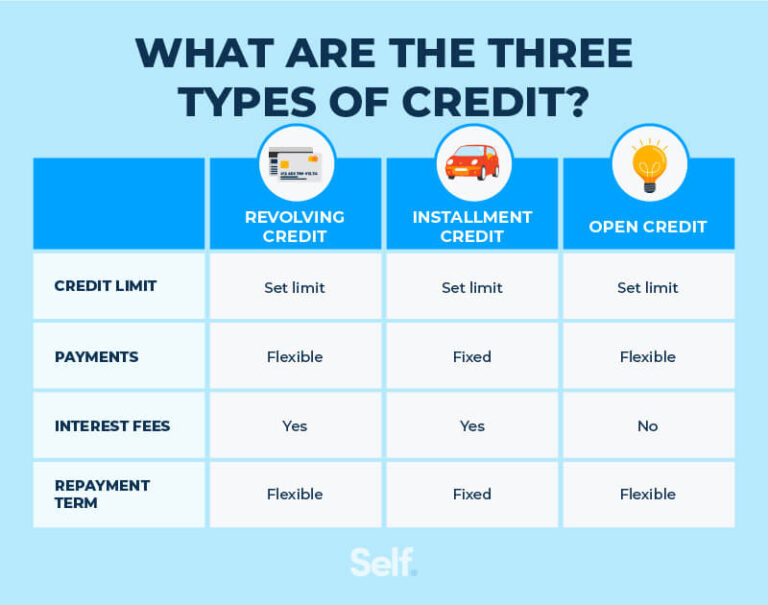
Unlike a traditional home equity loan, which provides a lump sum of money upfront, a HELOC functions more like a credit card. It’s a revolving line of credit that you can draw from as needed, up to a pre-approved limit. You only pay interest on the amount you actually borrow, not the entire approved line. This flexibility is one of its most appealing features.
A typical HELOC has two main phases: the draw period and the repayment period. During the draw period, which often lasts 10 years, you can access funds, make interest-only payments, or pay down the principal. Once the draw period ends, the repayment period begins, usually lasting 10-20 years, during which you must repay the outstanding balance, including both principal and interest. It’s essential to remember that your home serves as collateral for the HELOC, meaning it’s a secured loan.
Why Consider a HELOC for a Car Loan? The Potential Advantages
Many people instinctively opt for a traditional car loan, but a HELOC can present some compelling advantages, especially for financially disciplined homeowners. Based on my experience guiding countless individuals through financing decisions, these are the primary benefits that stand out.
1. Potentially Lower Interest Rates
One of the most attractive aspects of using a HELOC for a car loan is the potential for significantly lower interest rates compared to traditional auto loans. This is because a HELOC is secured by your home, which is a substantial asset. Lenders typically view loans secured by real estate as less risky than unsecured loans or loans secured by a depreciating asset like a car.
The reduced risk for the lender often translates into more favorable interest rates for you. While auto loan rates can vary widely based on your credit score and market conditions, HELOC rates are frequently lower than even the best new car loan rates. This difference can lead to substantial savings over the life of your car purchase.
2. Flexibility in Borrowing
A HELOC offers unparalleled flexibility that a standard auto loan cannot match. With a traditional car loan, you borrow a fixed amount upfront and begin repaying it immediately. A HELOC, however, allows you to draw funds as you need them, up to your approved limit.
Let’s say you’re not sure which car you’ll buy, or you might need a bit more for accessories or an extended warranty a few weeks after the initial purchase. A HELOC accommodates this. You only incur interest charges on the amount you’ve actually withdrawn, giving you greater control over your borrowing and repayment schedule. Pro tips from us: Always compare the Annual Percentage Rate (APR), not just the advertised interest rate, to get the true cost of borrowing for both HELOCs and car loans.
3. Potential for Tax Deductibility (Under Specific Conditions)
Historically, interest paid on home equity debt was often tax-deductible. While the Tax Cuts and Jobs Act of 2017 suspended this deduction for many uses until 2026, it’s important to note that interest on a HELOC can still be tax-deductible if the funds are used to buy, build, or substantially improve the home that secures the loan.
If your car purchase somehow ties into a broader home improvement project (e.g., you bought a new truck to haul materials for a major renovation), or if future tax laws change, this could become a significant advantage. However, for most car purchases, this benefit is unlikely to apply under current law. It’s crucial to consult a qualified tax advisor to understand the specific implications for your situation.
4. Simplified Payments (Potentially)
If you already have a mortgage, adding a HELOC might simplify your financial life by consolidating debt or offering a single, familiar payment structure. Instead of juggling multiple loan payments with different due dates and lenders, you could potentially manage your HELOC payment alongside your mortgage.
For some, this streamlines their financial management, reducing the chances of missed payments. However, this simplification only holds true if you manage your HELOC responsibly and avoid overextending yourself. The ease of access should not be confused with an invitation to borrow without a clear plan.
The Risks and Disadvantages: A Realistic View
While the advantages of using a HELOC for a car loan can be compelling, it’s absolutely vital to approach this strategy with open eyes regarding the inherent risks. This is not a decision to be taken lightly, as the stakes are considerably higher than with a standard car loan.
1. Secured by Your Home: The Ultimate Risk
This is, without a doubt, the most significant and sobering disadvantage. Unlike a traditional auto loan where your car serves as collateral and can be repossessed if you default, a HELOC uses your home as collateral. This means that if you fail to make your HELOC payments, your lender has the legal right to foreclose on your home.
Think about that for a moment: you could lose your home over a car loan. This risk alone is enough for many people to steer clear of using a HELOC for non-home-related purchases. It’s a fundamental difference that elevates the stakes dramatically.
2. Variable Interest Rates: Unpredictable Payments
Most HELOCs come with variable interest rates. This means the interest rate can fluctuate over time, typically tied to a benchmark like the prime rate. While a variable rate might start lower, it can increase if market rates rise, leading to higher monthly payments.
Common mistakes to avoid are underestimating the impact of rising interest rates. What starts as an affordable payment could become a significant burden, especially during the repayment period when principal payments become mandatory. This unpredictability makes budgeting more challenging and adds a layer of financial uncertainty.
3. Longer Repayment Period: Paying More Over Time
While HELOCs often offer lower monthly payments due to their longer repayment terms (sometimes 15-30 years), this can be a double-edged sword. A longer repayment period means you’ll be paying interest for a much longer time.
Even with a lower interest rate, the total amount of interest paid over decades could far exceed the interest paid on a shorter-term auto loan. This effectively makes your car a much more expensive purchase in the long run. It’s crucial to consider the total cost of borrowing, not just the monthly payment.
4. Closing Costs and Fees
Setting up a HELOC isn’t free. You’ll typically encounter various closing costs and fees, similar to those associated with a mortgage. These can include application fees, appraisal fees, attorney fees, and title search fees.
These upfront costs can erode some of the savings you might gain from a lower interest rate, especially if you’re borrowing a relatively small amount for a car. Always factor these fees into your total cost analysis.
5. Temptation to Overspend
The revolving nature of a HELOC, much like a credit card, can be a temptation for some individuals. Easy access to a substantial line of credit, secured by your home, might lead to drawing funds for non-essential purchases beyond the car itself.
This lack of discipline can quickly lead to accumulating more debt than you intended, further jeopardizing your home equity and overall financial stability. It’s a powerful tool that demands responsible management.
6. Impact on Future Home Equity Needs
Using a significant portion of your home equity for a car loan reduces the equity available for other, potentially more critical, future needs. What if you need funds for unexpected home repairs, medical emergencies, or your child’s education?
By tying up your equity in a depreciating asset like a car, you might find yourself with limited options if another financial crisis arises. It’s essential to consider your long-term financial planning and potential future needs for your home equity.
HELOC vs. Traditional Car Loan: A Head-to-Head Comparison
To help you visualize the differences, let’s put a HELOC and a traditional car loan side-by-side. This comparison highlights the key distinctions that will influence your decision.
| Feature | HELOC (for Car Loan) | Traditional Car Loan |
|---|---|---|
| Collateral | Your Home (secured by real estate) | The Car (secured by the vehicle) |
| Interest Rate | Often lower, typically variable, can fluctuate | Usually higher than HELOC, typically fixed |
| Repayment Term | Longer (10-30 years), with a draw and repayment phase | Shorter (3-7 years), fixed term |
| Risk of Default | Foreclosure on your home | Repossession of the car |
| Flexibility | Revolving credit, draw as needed, pay interest-only during draw period | Lump sum, fixed payments from the start |
| Upfront Costs | Closing costs, appraisal fees | Often none beyond dealer fees |
| Tax Implications | Potentially deductible if used for home improvement (consult tax advisor) | Not tax-deductible |
| Impact on Equity | Reduces available home equity | No direct impact on home equity |
The choice between these two options largely depends on your financial situation, risk tolerance, and borrowing discipline.
When Does Using a HELOC for a Car Loan Make Sense? (And When It Doesn’t)
From my vantage point, the decision hinges on your financial discipline, risk tolerance, and specific circumstances. A HELOC is not a one-size-fits-all solution, especially for a car purchase.
Ideal Scenarios for a HELOC Car Loan:
- Excellent Credit Score and Stable Income: Lenders will offer the best HELOC rates to those with strong credit. A stable, reliable income ensures you can comfortably manage payments, even if interest rates rise.
- Significant Home Equity: You should have substantial equity in your home (at least 20-30% remaining after the HELOC) to comfortably absorb the loan without over-leveraging your property.
- Exceptional Financial Discipline: You must be highly disciplined to only borrow what you need for the car and have a clear, aggressive repayment plan. You must resist the temptation to use the HELOC for other purposes.
- Ability to Pay Off Quickly: If you plan to pay off the car loan portion of the HELOC much faster than the full HELOC term (e.g., within 3-5 years), you can mitigate the long-term interest costs.
- Need for Flexibility: If you anticipate needing to adjust your car purchase amount or want the option to pay interest-only for a short period, a HELOC offers that flexibility.
- High Interest Rate on Traditional Auto Loans: If, due to unique circumstances, you’re only being offered very high interest rates on traditional auto loans, a HELOC might present a more affordable alternative.
When to Absolutely Avoid a HELOC for a Car Loan:
- Unstable Income or Job Security Concerns: If your income is unpredictable, or your job is at risk, taking on debt secured by your home is extremely dangerous.
- Limited Home Equity: If you don’t have much equity in your home, you might not qualify for a HELOC, or the amount you can borrow will be small. More importantly, using what little equity you have is extremely risky.
- Poor Credit History: A low credit score will likely lead to higher HELOC interest rates, diminishing its primary advantage.
- Risk Aversion: If the thought of losing your home keeps you up at night, a HELOC for a depreciating asset is not for you. The peace of mind of a traditional auto loan is worth the potentially higher interest rate.
- Impulsive Buyer or Lack of Financial Discipline: If you struggle with credit card debt or impulsive spending, a HELOC could quickly lead to significant financial trouble.
- Buying an Expensive Car: Tying up a large chunk of your home equity in a rapidly depreciating, expensive vehicle is generally not a wise financial move.
Steps to Take Before You Apply
If, after weighing the pros and cons, you believe a HELOC for your car loan might be a viable option for you, there are crucial steps you need to take before submitting an application. Being prepared is key to securing the best terms and avoiding pitfalls.
- Assess Your Home Equity: Start by determining how much equity you actually have. You can do this by getting a professional appraisal or by checking comparable home sales in your area and subtracting your outstanding mortgage balance. Lenders typically allow you to borrow up to 80-90% of your home’s value, minus your existing mortgage.
- Review Your Credit Score and Report: Your credit score is paramount. Lenders will use it to determine your eligibility and the interest rate you’ll receive. Obtain a copy of your credit report from all three major bureaus and correct any errors before applying. For more insights into managing your personal finances, check out our guide on .
- Calculate Your Debt-to-Income (DTI) Ratio: Lenders scrutinize your DTI ratio to ensure you can handle additional debt. This ratio compares your total monthly debt payments to your gross monthly income. Aim for a DTI below 43%, though some lenders prefer even lower.
- Shop Around for Lenders: Don’t just go with your current mortgage provider. Compare offers from various banks, credit unions, and online lenders. Look beyond the advertised interest rate; compare APRs, fees, draw periods, repayment terms, and any introductory offers.
- Understand the Terms and Conditions: Read the fine print carefully. Pay close attention to the interest rate index, margin, rate caps (both periodic and lifetime), fees, and what happens at the end of the draw period. Ask questions until you fully understand everything.
- Consult a Financial Advisor: Before making a final decision, consider speaking with a fee-only financial advisor. They can provide unbiased advice tailored to your specific financial situation and help you assess the long-term implications.
The Application Process
Once you’ve done your homework, the HELOC application process typically involves several stages:
- Gather Documents: You’ll need to provide documentation of your income (pay stubs, tax returns), assets, existing debts, and property information.
- Home Appraisal: The lender will usually require an appraisal of your home to determine its current market value, which is essential for calculating your available equity and borrowing limit.
- Underwriting and Approval: The lender’s underwriting team will review your application, credit, DTI, and appraisal to assess your risk and determine your approval status and credit limit.
- Setting Up the Line of Credit: If approved, you’ll sign the closing documents, and the line of credit will be established, usually with a way to access funds (e.g., checks, debit card, online transfer).
Making Smart Use of Your HELOC for a Car Purchase
If you decide to proceed with a HELOC for your car loan, responsible management is key to making this strategy work in your favor.
- Borrow Only What You Need: Resist the temptation to draw more than the exact amount required for your car. The less you borrow, the less interest you pay, and the more equity you preserve.
- Have a Clear Repayment Plan: Don’t rely solely on minimum payments, especially during the interest-only draw period. Develop an aggressive plan to pay down the principal balance quickly, ideally within the typical timeframe of a traditional car loan (3-5 years).
- Monitor Interest Rate Changes: Stay informed about market interest rate trends. If rates begin to climb significantly, re-evaluate your repayment strategy to minimize the impact on your budget.
- Avoid Drawing for Non-Essential Purchases: Your HELOC should be dedicated to your car purchase. Do not use it for vacations, everyday expenses, or other discretionary spending, as this dilutes the purpose and increases your overall debt.
- Consider a Fixed-Rate Conversion Option: Some HELOCs offer the option to convert a portion of your variable-rate balance to a fixed-rate loan. If available, this could be a wise move for your car loan portion, locking in your payment and providing predictability.
- External Link Pro Tip: For up-to-date information on HELOC regulations and consumer protections, you can visit the Consumer Financial Protection Bureau’s website (consumerfinance.gov). They offer valuable resources to help you understand your rights and responsibilities.
Conclusion
Using a HELOC for a car loan is a sophisticated financial strategy that offers the potential for lower interest rates and greater flexibility, but it comes with a significant caveat: your home is on the line. It is a powerful tool best suited for financially disciplined individuals with stable incomes, excellent credit, and substantial home equity. For others, the risks of variable interest rates and the potential loss of their home far outweigh any perceived benefits.
Before you make a decision, carefully weigh the advantages against the very real disadvantages. Consider your personal financial situation, your risk tolerance, and your ability to manage a revolving line of credit responsibly. While a HELOC can be a smart move for some, for many, the peace of mind offered by a traditional auto loan, despite potentially higher rates, is a far more prudent choice. Make an informed decision that secures both your transportation and your most valuable asset. If you’re still exploring other car financing avenues, our detailed analysis on might be helpful.