Unmasking Your Car Loan: How Much Interest Am I Really Paying? A Deep Dive into Auto Loan Costs
Unmasking Your Car Loan: How Much Interest Am I Really Paying? A Deep Dive into Auto Loan Costs Carloan.Guidemechanic.com
Buying a new or used car is an exciting milestone for many. The thrill of a new ride, the freedom of the open road – it’s a powerful feeling. Yet, amidst the excitement, a crucial financial detail often gets overlooked or misunderstood: the interest you’re paying on your car loan. For many drivers, the monthly payment is the only number they focus on, unaware of the significant sum interest adds to the total cost of their vehicle.
As an expert blogger and SEO content writer with years of experience navigating the complexities of personal finance, I’ve seen firsthand how a lack of understanding about car loan interest can cost consumers thousands over the life of their loan. This comprehensive guide is designed to demystify car loan interest, empower you with the knowledge to calculate it, and provide actionable strategies to minimize your overall costs. Our ultimate goal is to transform you from a passive borrower into an informed, strategic car owner.
Unmasking Your Car Loan: How Much Interest Am I Really Paying? A Deep Dive into Auto Loan Costs
The Unseen Cost: Understanding Car Loan Interest
When you take out a car loan, you’re essentially borrowing money from a lender to purchase a vehicle. The interest is the fee you pay the lender for the privilege of borrowing that money. It’s not just a small add-on; it’s a fundamental component of your loan that significantly impacts the total price of your car.
Based on my experience, many people conflate the interest rate with the Annual Percentage Rate (APR). While closely related, they are distinct. The interest rate is simply the percentage charged on the principal amount you borrow. The APR, however, provides a more complete picture of the total cost of borrowing, as it includes the interest rate plus any additional fees associated with the loan, such as origination fees. When comparing loan offers, always look at the APR, as it gives you the truest representation of your borrowing cost.
Every monthly payment you make on your car loan is typically divided into two parts: principal and interest. The principal is the actual amount of money you borrowed to buy the car. The interest is the cost of borrowing that money. Early in your loan term, a larger portion of your payment often goes towards interest. As you pay down the principal, more of your payment starts to go towards reducing the principal balance itself. This is a critical concept known as amortization, and understanding it is key to grasping how much interest you’re truly paying.
Key Factors That Dictate Your Car Loan Interest
Several variables come into play when lenders determine the interest rate you’ll be offered. Knowing these factors can help you position yourself for the best possible terms.
Your Credit Score: The Ultimate Indicator
Your credit score is arguably the single most influential factor in determining your car loan interest rate. This three-digit number acts as a financial report card, indicating your creditworthiness to lenders. A higher credit score (typically above 700-720) signals to lenders that you are a reliable borrower with a history of making timely payments.
Conversely, a lower credit score suggests a higher risk of default, leading lenders to charge a higher interest rate to compensate for that perceived risk. Pro tips from us: Always check your credit score before you start car shopping. This allows you to address any inaccuracies and gives you a realistic expectation of the rates you might qualify for, empowering you to negotiate more effectively.
Loan Term: Shorter Means Less Interest
The loan term, or the length of time you have to repay the loan, directly impacts the total interest you’ll pay. While a longer loan term (e.g., 72 or 84 months) might offer lower monthly payments, making the car seem more affordable, it almost always results in paying significantly more interest over the life of the loan. This is because the lender has more time to accrue interest on the outstanding principal.
A shorter loan term (e.g., 36 or 48 months) will typically result in higher monthly payments, but you’ll pay off the principal faster and therefore pay much less in total interest. It’s a trade-off between monthly affordability and overall cost. Based on my experience, many consumers prioritize the lowest monthly payment without fully realizing the long-term financial implications of extending the loan term.
Down Payment: Reducing the Principal from Day One
A down payment is the initial amount of money you pay upfront for the car, which reduces the total amount you need to borrow. The larger your down payment, the less money you finance, and consequently, the less interest you’ll pay over the life of the loan. It’s a straightforward equation: less borrowed principal equals less interest accrued.
Making a substantial down payment also demonstrates financial stability to lenders, sometimes helping you qualify for a slightly better interest rate. It also provides an immediate buffer against depreciation, reducing the risk of being "upside down" on your loan (owing more than the car is worth).
Loan Amount: The More You Borrow, The More You Pay
This factor is fairly intuitive. The total amount of money you borrow for the car directly correlates with the total interest you’ll incur. Borrowing a larger sum means there’s more principal for the interest rate to be applied to, resulting in higher overall interest payments.
Carefully consider the actual price of the car and any add-ons. Negotiating a lower purchase price or opting out of unnecessary extras can reduce your loan amount, thereby lowering your interest burden.
Interest Rate Environment: Beyond Your Control
The general economic climate and prevailing interest rates set by central banks also play a role. When overall interest rates are high, car loan rates tend to be higher across the board, regardless of your personal financial situation. Conversely, in a low-interest-rate environment, you might find more favorable terms.
While you can’t control the market, being aware of it can help you understand why rates might be higher or lower than you expected.
Lender Type: Shop Around for the Best Deal
Not all lenders offer the same rates. Banks, credit unions, and dealership financing all have different structures and target customers. Credit unions, for example, are often known for offering competitive interest rates because they are member-owned and not-for-profit. Dealership financing can sometimes offer promotional rates, but it’s crucial to compare them against pre-approved loans from other institutions.
Common mistakes to avoid are assuming the first offer you receive is the best one. Always shop around and get pre-approvals from multiple lenders. This allows you to walk into the dealership with leverage, knowing what competitive rates you qualify for elsewhere.
Calculating Your Car Loan Interest: A Practical Approach
Understanding how interest is calculated empowers you to truly see how much you’re paying. While the exact calculations can be complex, especially with varying payment schedules and extra payments, we can break down the core principles.
The Amortization Schedule: Your Loan’s Roadmap
The most comprehensive way to see how much interest you’re paying is through an amortization schedule. This detailed table breaks down every single payment you’ll make over the life of your loan. For each payment, it shows:
- The portion that goes towards interest.
- The portion that goes towards principal.
- Your remaining principal balance after the payment.
Your lender should be able to provide you with an amortization schedule. If not, many online car loan calculators can generate one for you. Reviewing this schedule highlights how much interest is paid upfront and how the principal portion increases over time. This transparency is invaluable for financial planning.
Manual Estimation: A Glimpse into Monthly Interest
While an amortization schedule is ideal, you can estimate the interest portion of a single payment with a simple formula. Keep in mind that this is a simplified calculation, as the principal balance changes with each payment.
Here’s the basic formula for calculating the interest portion of a monthly payment:
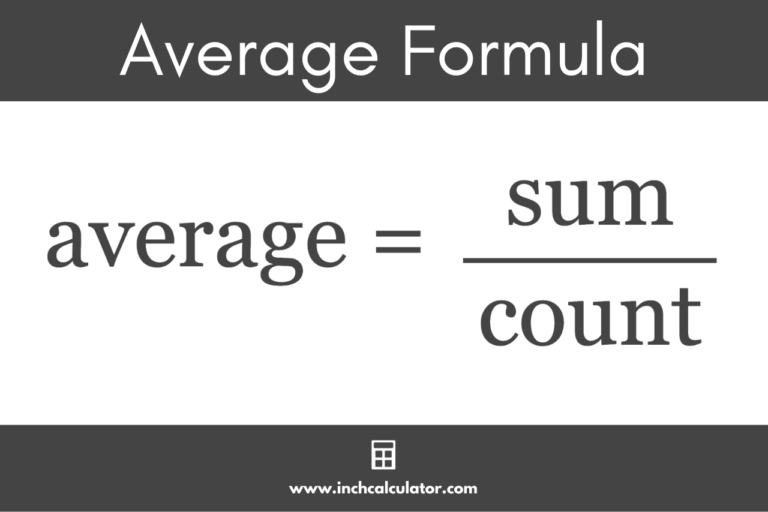
Monthly Interest = (Outstanding Principal Balance × Annual Interest Rate) / 12
Let’s use an example:
- Loan Amount (Principal): $20,000
- Annual Interest Rate: 6% (or 0.06 as a decimal)
For your first payment:
Monthly Interest = ($20,000 × 0.06) / 12 = $1,200 / 12 = $100
So, out of your first payment, $100 would go towards interest. The remainder of your payment would go towards reducing your principal. This amount will decrease slightly with each subsequent payment as your outstanding principal balance goes down. This demonstrates why making extra payments directly reduces future interest charges.
Utilizing Online Car Loan Calculators
For quick, accurate, and comprehensive calculations, online car loan calculators are your best friend. These tools allow you to input your loan amount, interest rate, and term, then instantly provide:
- Your estimated monthly payment.
- The total interest you’ll pay over the life of the loan.
- A full amortization schedule.
Many reputable financial websites and lender sites offer these calculators for free. They are an excellent resource for comparing different loan scenarios (e.g., shorter vs. longer terms, different down payments) and understanding their impact on your total interest paid.
Reading Your Loan Statements
Your monthly loan statements also provide a breakdown of how your payment was applied. They typically show:
- Your outstanding principal balance.
- The amount of interest paid during the last period.
- The amount of principal paid during the last period.
- Any fees incurred.
Regularly reviewing these statements helps you monitor your progress and confirms that your payments are being applied correctly. If you’re ever unsure, don’t hesitate to contact your lender for clarification.
Strategies to Reduce Your Total Car Loan Interest
Now that you understand how interest works and what influences it, let’s explore actionable strategies to minimize the amount you pay over your loan’s lifetime.
1. Make a Larger Down Payment
As discussed, a larger down payment reduces the principal amount you need to borrow. This is one of the most effective ways to cut down on total interest, as there’s simply less money for the interest rate to apply to. Aim for at least 10-20% of the car’s purchase price if possible. This not only saves you money but also gives you immediate equity in the vehicle.
2. Improve Your Credit Score Before Applying
If your credit score isn’t where you want it to be, take steps to improve it before applying for a car loan. This could involve:
- Paying bills on time.
- Reducing existing debt.
- Disputing any errors on your credit report.
- Avoiding opening new lines of credit immediately before a car loan application.
Even a slight improvement in your credit score can translate into a significantly lower interest rate offer, saving you hundreds or even thousands over the loan term. for more detailed advice.
3. Choose a Shorter Loan Term
While higher monthly payments might seem daunting, a shorter loan term is a powerful interest-saving strategy. You’ll pay off the loan faster, giving the interest less time to accrue. Crunch the numbers using an online calculator to see if you can comfortably afford the higher payments associated with a 36- or 48-month term instead of a 60- or 72-month one. The total savings can be substantial.
4. Shop Around for Lenders (and Get Pre-Approved)
Never settle for the first loan offer you receive, especially from a dealership. Get pre-approved for a loan from several different institutions – banks, credit unions, and online lenders – before you even step onto a car lot. This allows you to compare APRs and terms side-by-side.
Having a pre-approval in hand gives you negotiating power at the dealership. You can use it as leverage to get a better rate, or simply choose the best offer you’ve already secured.
5. Refinance Your Car Loan
If your credit score has improved since you first took out your car loan, or if interest rates have dropped, refinancing could be an excellent option. Refinancing involves taking out a new loan to pay off your existing car loan, ideally at a lower interest rate or with more favorable terms.
Based on my years in the financial industry, refinancing can be a game-changer for many car owners. It can significantly reduce your monthly payment, the total interest paid, or both. Do your research and compare refinancing offers from various lenders to ensure it makes financial sense for your situation.
6. Make Extra Payments or Pay More Than the Minimum
Even small extra payments can make a huge difference in the total interest you pay. Since interest is calculated on your outstanding principal balance, any additional amount you pay directly reduces that principal. This means less interest will accrue in subsequent periods.
- Round up your payment: If your payment is $347, pay $350.
- Make an extra payment when you have spare cash: Tax refunds, bonuses, or unexpected windfalls can be put towards your principal.
- Specify "principal only": When making extra payments, always instruct your lender to apply the additional amount directly to the principal, not to future interest or upcoming payments.
7. Pay Bi-Weekly Instead of Monthly
This is a subtle but effective strategy. If you pay half of your monthly payment every two weeks, you’ll end up making 26 half-payments in a year, which equates to 13 full monthly payments instead of 12. That one extra payment per year directly accelerates your principal reduction, leading to less overall interest paid and a shorter loan term.
Beyond the Numbers: The Long-Term Impact of Car Loan Interest
Understanding "how much interest am I paying on my car loan" isn’t just about the immediate financial cost; it has broader implications for your financial well-being.
Opportunity Cost: What Else Could That Money Be Doing?
Every dollar you spend on interest is a dollar that could have been invested, saved, or used for other financial goals. High interest payments represent a significant opportunity cost. By reducing the interest you pay, you free up funds that can be put towards retirement savings, a down payment on a home, or paying off other high-interest debt. This shift in perspective can motivate you to be more proactive about managing your car loan.
Financial Freedom: The Benefit of Paying Off Debt Sooner
Imagine the feeling of being completely debt-free, or at least free from your car payment. By strategically tackling your car loan interest, you accelerate your journey to financial freedom. Eliminating that monthly obligation frees up a substantial portion of your budget, giving you more flexibility and reducing financial stress.
Budgeting & Financial Planning: Empowering Your Decisions
Knowledge is power. When you fully grasp your car loan’s interest structure, you become a more informed participant in your financial life. You can better integrate your car payments into your overall budget, make smarter decisions about future vehicle purchases, and develop a more robust financial plan. can provide further guidance on incorporating these insights into your daily finances.
Common Misconceptions About Car Loan Interest
From countless discussions with car owners, these myths persist and often lead to costly financial decisions. Let’s debunk a few:
- "All interest rates are the same, so it doesn’t matter where I get my loan." This is absolutely false. Interest rates can vary wildly between lenders, sometimes by several percentage points, even for the same borrower. Always shop around!
- "The dealership always has the best rates because they want to sell cars." While dealerships can offer competitive rates, especially through manufacturer incentives, they are often marked up or simply not the best available. Their primary goal is to sell a car, not necessarily to get you the lowest interest rate. Always compare their offer to your pre-approvals.
- "Paying extra doesn’t make a big difference." As we’ve detailed, even small extra payments can significantly reduce your principal balance over time, leading to substantial savings on total interest paid. The power of compounding works both ways – for you when saving, and against you when paying interest.
Conclusion: Take Control of Your Car Loan
Understanding "how much interest am I paying on my car loan" is more than just a numerical exercise; it’s a fundamental step towards intelligent financial management. The interest on your auto loan is a significant component of your vehicle’s true cost, and by actively engaging with this aspect of your finances, you can save a considerable amount of money over the life of your loan.
You now possess the knowledge to decipher your loan terms, calculate your interest, and implement powerful strategies to reduce your overall burden. Don’t let the excitement of a new car overshadow the importance of financial due diligence. By making informed choices, negotiating effectively, and proactively managing your loan, you can drive smarter, save more, and achieve greater financial peace of mind. Take control of your car loan today, and pave the way for a more secure financial future.