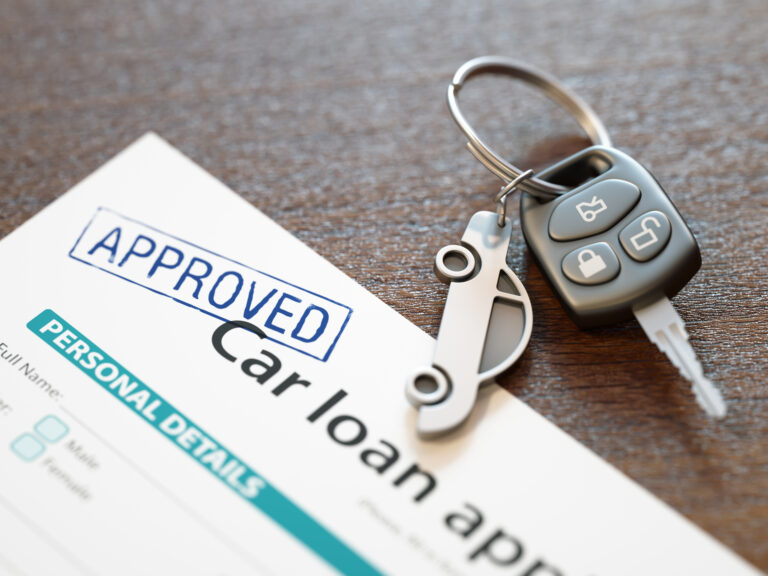
Unpacking the True Cost: How Much Is A Used Car Loan Really?
Unpacking the True Cost: How Much Is A Used Car Loan Really? Carloan.Guidemechanic.com
Buying a used car is often a practical and financially savvy decision, offering excellent value compared to a new vehicle. However, for many, the dream of owning a reliable used car relies heavily on securing a loan. The question "How much is a used car loan?" isn’t as straightforward as simply looking at the principal amount borrowed. It’s a multifaceted inquiry that delves into interest rates, fees, your personal financial profile, and even the car’s characteristics.
Navigating the world of used car financing can feel like deciphering a complex puzzle. Without a clear understanding of all the contributing factors, you might end up paying significantly more than necessary. This comprehensive guide aims to demystify the entire process, breaking down every element that dictates the true cost of your used car loan. We’ll empower you with the knowledge to make informed decisions, secure the best possible rates, and drive away confidently knowing you got a great deal.
Unpacking the True Cost: How Much Is A Used Car Loan Really?
The Core Question: What Determines "How Much" a Used Car Loan Truly Is?
When you ask, "How much is a used car loan?", you’re likely thinking about the monthly payment or the total amount you’ll repay. While these are crucial components, the answer extends far beyond just the sticker price of the vehicle. The true cost of your loan is a combination of the principal amount borrowed, the interest accrued over the loan term, and various associated fees.
The interest rate is arguably the most significant cost driver beyond the vehicle’s price itself. Even a slight difference in your interest rate can translate into hundreds, if not thousands, of dollars over the life of the loan. Understanding how this rate is determined is fundamental to grasping the overall "how much."
Furthermore, various fees, often overlooked, can quietly inflate your total loan amount. These can range from administrative charges to late payment penalties, all contributing to the final sum you owe. Therefore, a comprehensive evaluation means looking at the entire financial picture, not just the initial loan sum.
Decoding the Key Factors Influencing Your Used Car Loan
Securing a favorable used car loan rate and terms hinges on several critical factors. Each plays a significant role in how lenders assess your risk and, consequently, the "how much" you’ll pay. Let’s dive deep into these determinants.
1. Your Credit Score: The Ultimate Game Changer
Your credit score is arguably the single most important factor influencing your used car loan. It’s a numerical representation of your creditworthiness, essentially a report card on your past borrowing and repayment behavior. Lenders use this score to quickly gauge the likelihood of you repaying your loan responsibly.
A higher credit score signals lower risk to lenders, often resulting in lower interest rates and more flexible terms. Conversely, a lower score indicates higher risk, which typically leads to higher interest rates or even loan denial. Based on my experience, securing a prime interest rate can save you thousands over the life of the loan compared to a subprime rate.
Pro tips from us:
- Check your score: Before applying, know where you stand. You can get free copies of your credit report from each of the three major bureaus (Experian, Equifax, TransUnion) annually. Sites like Credit Karma also offer free scores.
- Dispute errors: If you find any inaccuracies on your credit report, dispute them immediately. Correcting errors can boost your score.
- Improve your score: Pay down existing debts, make all payments on time, and avoid opening new credit lines just before applying for a car loan.
Common mistakes to avoid are: Applying for a loan without knowing your credit score. This can lead to disappointment or accepting a high-interest offer without understanding why. Knowing your score allows you to negotiate or improve it before applying.
2. The Loan Term: Short vs. Long-Term Implications
The loan term refers to the length of time you have to repay the loan, typically expressed in months (e.g., 36, 48, 60, or 72 months). This factor has a direct and significant impact on both your monthly payment and the total interest you’ll pay.
A shorter loan term means higher monthly payments but less total interest paid over the life of the loan. For example, a 36-month loan on a $15,000 principal will have higher monthly payments than a 60-month loan on the same amount. However, the 36-month loan will almost always result in less total interest paid, making the overall "how much" cheaper.
Conversely, a longer loan term offers lower monthly payments, making the car seem more affordable upfront. The trade-off, however, is that you’ll pay significantly more in total interest because the loan is outstanding for a longer period. This can also lead to a situation where you owe more on the car than it’s worth (being "upside down" or "underwater") as it continues to depreciate.
Pro tips from us: Balance affordability with total cost. Aim for the shortest loan term you can comfortably afford without straining your budget. It’s a delicate balance between monthly cash flow and long-term savings.
Common mistakes to avoid are: Stretching the loan term excessively just to achieve a lower monthly payment. While it might seem appealing now, you could end up paying substantially more for the car than its actual value, potentially for years after it has lost most of its initial worth.
3. The Down Payment: Your Financial Lever
A down payment is the initial sum of money you pay towards the purchase of the car, reducing the amount you need to borrow. This is a powerful financial lever that can significantly influence your loan terms and overall cost.
By making a substantial down payment, you reduce the principal loan amount, which directly lowers your monthly payments. More importantly, it also reduces the total interest you’ll pay over the life of the loan. Lenders view a larger down payment favorably, as it demonstrates your commitment to the purchase and reduces their risk, often leading to better interest rates.
Recommended down payment percentages for used cars often range from 10% to 20% of the vehicle’s purchase price. Based on my experience, a solid down payment not only saves you money but also gives you immediate equity in the vehicle, protecting you from being upside down if the car depreciates quickly.
Pro tips from us: Save as much as you can for a down payment. Even an extra few hundred dollars can make a noticeable difference in your monthly payment and total interest.
4. The Car Itself: Age, Mileage, and Value
The specific used car you choose also plays a role in how much your loan will cost. Lenders view the vehicle as collateral for the loan, and its characteristics influence their risk assessment.
Older cars or those with very high mileage are generally considered higher risk by lenders. They might have a shorter remaining lifespan, be prone to more mechanical issues, and depreciate more rapidly. Because of this perceived higher risk, lenders might offer higher interest rates, shorter loan terms, or require a larger down payment for such vehicles.
Conversely, newer used cars with lower mileage typically command better loan terms. Lenders see them as more reliable and better collateral. Pro tips from us include researching the vehicle’s market value using resources like Kelley Blue Book (KBB) or Edmunds. This ensures you’re paying a fair price and helps lenders approve a loan amount that aligns with the car’s true value.
5. Lender Type: Banks, Credit Unions, Dealerships, Online Lenders
Where you choose to obtain your loan can significantly affect the "how much." Different types of lenders have varying business models, risk tolerances, and competitive rates.
- Banks: Offer competitive rates, especially if you have an existing relationship. They often have strict credit requirements.
- Credit Unions: Often known for offering some of the lowest interest rates due to their non-profit status. Membership is usually required but often easy to obtain.
- Dealerships (Indirect Lenders): They act as intermediaries, connecting you with their network of lenders. While convenient, their rates might be marked up. They can also offer "special financing" which might only be for highly qualified buyers.
- Online Lenders: Provide quick approvals and competitive rates, often catering to a wider range of credit scores. Their application process is typically streamlined.
Pro tips from us: Shop around! Get pre-approved from at least two or three different lenders (banks, credit unions, online lenders) before you even set foot in a dealership. This gives you negotiating power and a benchmark for comparison. Based on my experience, relying solely on dealership financing can lead to higher rates as they have less incentive to compete if you haven’t done your homework.
6. Debt-to-Income Ratio (DTI) and Income Stability
Lenders don’t just look at your credit score; they also assess your overall financial capacity to repay the loan. Your Debt-to-Income (DTI) ratio is a key metric here. It’s calculated by dividing your total monthly debt payments by your gross monthly income.
A lower DTI indicates that you have more disposable income available to cover your new car payment, making you a less risky borrower. Lenders typically prefer a DTI of 36% or lower, though some may go higher for well-qualified borrowers. Furthermore, stable employment and a consistent income history assure lenders that you have the means to make regular payments.
Common mistakes to avoid are: Overlooking your overall financial picture. Even with a good credit score, a high DTI or unstable income can lead to higher rates or loan denial. Ensure your current debts are manageable before taking on new ones.
Beyond Interest Rates: Other Costs to Consider
While the interest rate is a primary driver of your loan’s cost, several other expenses can significantly impact the total "how much" you pay for your used car. These are often overlooked but are crucial for a comprehensive budget.
1. Fees, Fees, Fees!
Car loans, like many financial products, come with various fees. These can add a substantial amount to your total cost if you’re not careful.
- Origination Fees: A charge for processing the loan, usually a percentage of the loan amount or a flat fee.
- Documentation Fees (Doc Fees): Charged by dealerships for preparing paperwork. These can vary significantly by state and dealer.
- Late Payment Fees: Penalties for missing a payment deadline.
- Prepayment Penalties: While less common with used car loans, some lenders might charge a fee if you pay off your loan early. Always check the fine print!
Pro tips from us: Always ask for a full breakdown of all fees associated with the loan and the vehicle purchase. Don’t be afraid to negotiate certain fees, especially doc fees, or at least understand what you’re paying for.
2. Insurance Requirements
When you finance a used car, your lender will almost certainly require you to carry full coverage insurance. This includes comprehensive and collision coverage, in addition to liability. This protects their investment (the car) in case of an accident, theft, or damage.
The cost of full coverage insurance can be significantly higher than basic liability, especially for younger drivers or those with a history of accidents. This is a non-negotiable monthly expense that must be factored into your total car budget. Based on my experience, overlooking the insurance cost is a common mistake that can make an otherwise affordable monthly car payment suddenly unaffordable.
Pro tips from us: Get insurance quotes before you finalize your car purchase. Different cars, even used ones, can have vastly different insurance premiums.
3. Sales Tax, Registration, and Title Fees
These are government-mandated costs associated with vehicle ownership and transfer. They are typically paid upfront or can sometimes be rolled into your loan amount, increasing your principal.
- Sales Tax: Varies by state and is usually a percentage of the car’s purchase price.
- Registration Fees: Annual or biennial fees to keep your vehicle legally registered.
- Title Fees: A fee for transferring the vehicle’s title into your name.
These costs are an integral part of the total "how much" you need to prepare for. Don’t let them catch you by surprise at the final signing.
Navigating the Application Process
Understanding the factors that influence your loan is one thing; successfully navigating the application process to secure the best terms is another. Here’s how to approach it strategically.
1. Getting Pre-Approved: Your Secret Weapon
Pre-approval is when a lender reviews your financial information and tentatively agrees to lend you a certain amount at a specific interest rate, subject to final verification and vehicle selection. This is a crucial step that offers significant advantages.
Benefits of pre-approval include:
- Clear Budget: You know exactly how much you can afford before you start shopping, preventing you from falling in love with a car outside your price range.
- Negotiating Power: You walk into the dealership as a cash buyer, giving you leverage to negotiate the car’s price without the pressure of financing discussions.
- Comparison Shopping: You can compare the pre-approved offer against any financing options the dealership presents, ensuring you get the best deal.
Pro tips from us: Get pre-approved from multiple lenders within a short window (typically 14-45 days). Multiple inquiries during this period are usually counted as a single hard inquiry on your credit report, minimizing impact. For more insights on financial planning, you might find our article on Smart Budgeting Strategies for Car Ownership helpful.
2. Understanding the Loan Offer
Once you receive a loan offer, it’s vital to understand all its components. Don’t just focus on the monthly payment.
- APR vs. Interest Rate: The Annual Percentage Rate (APR) is the most important number. It includes the interest rate plus certain fees, giving you the true annual cost of borrowing. Always compare APRs, not just interest rates.
- Read the Fine Print: Scrutinize the loan agreement for any hidden fees, prepayment penalties, or unfavorable clauses. If something isn’t clear, ask for clarification.
Common mistakes to avoid are: Rushing through the paperwork. Take your time, ask questions, and don’t sign anything you don’t fully understand.
3. What to Do If Your Loan is Denied
A loan denial can be disheartening, but it’s not the end of your car-buying journey. Lenders are legally required to provide a reason for denial.
- Understand the Reasons: Was it your credit score, high DTI, unstable income, or the car itself? Knowing the reason helps you address the issue.
- Improve Your Chances:
- Co-signer: A creditworthy co-signer can significantly improve your chances of approval and secure better rates.
- Smaller Loan Amount: Consider a less expensive car or make a larger down payment to reduce the loan amount.
- Improve Credit: Take steps to improve your credit score for a few months before reapplying.
- Alternative Lenders: Explore lenders specializing in borrowers with less-than-perfect credit (though rates will be higher).
Based on my experience, rejection isn’t the end; it’s an opportunity to learn and improve your financial standing. You might also want to read our article on How to Improve Your Credit Score Quickly for detailed steps.
Budgeting for Your Used Car Loan
Successfully managing your used car loan requires more than just getting approved; it demands smart budgeting and foresight.
1. Calculating Affordability
Don’t just look at the monthly payment. Consider the total cost of car ownership. A common rule of thumb is the 20/4/10 rule:
- 20% Down Payment: Aim for at least 20% down to reduce your loan amount and interest.
- 4-Year Loan Term: Keep your loan term to four years (48 months) or less to minimize total interest paid.
- 10% of Gross Income: All your car-related expenses (payment, insurance, fuel, maintenance) should ideally not exceed 10% of your gross monthly income.
Create a comprehensive monthly budget that includes not only your loan payment but also insurance, fuel, maintenance, and potential repair costs. For more detailed budgeting advice, the Consumer Financial Protection Bureau offers excellent resources on managing your money and understanding financial products. Visit the CFPB website for consumer finance tools.
Pro tips from us: Always factor in a buffer for unexpected repairs, especially with a used car. A small emergency fund dedicated to car maintenance can save you from financial stress down the road.
2. The Role of Refinancing
Refinancing your used car loan means taking out a new loan to pay off your existing one, often with a different lender, interest rate, or term.
When to consider refinancing:
- Improved Credit: If your credit score has significantly improved since you first took out the loan, you might qualify for a lower interest rate.
- Lower Rates: If market interest rates have dropped.
- Change in Financial Situation: You might want to lower your monthly payments by extending the term (though this increases total interest) or shorten the term to save on interest if your income has increased.
Based on my experience, refinancing can be a powerful tool to save money, especially if you’ve been diligently working on improving your financial health. Always compare the new loan’s APR and total cost against your current loan to ensure it’s a beneficial move.
Conclusion: Your Informed Path to a Used Car Loan
The question "How much is a used car loan?" is indeed complex, weaving together personal financial health, market conditions, and the specific vehicle you choose. It’s not just about the principal amount, but the intricate interplay of interest rates, fees, loan terms, and your creditworthiness. By understanding each of these components, you gain the power to significantly reduce the overall cost of your financing.
Remember, preparation is your greatest asset. Knowing your credit score, getting pre-approved, shopping around for the best rates, and meticulously budgeting for all associated costs will put you in the driver’s seat. Don’t settle for the first offer; empower yourself with knowledge and negotiate with confidence. Your diligent research today can save you thousands of dollars tomorrow, ensuring your used car loan is an asset, not a burden. Start your research, compare your options, and drive towards a smarter financial future.