What Credit Score Do You Need for a Car Loan? Your Ultimate Guide to Driving Away with the Best Deal
What Credit Score Do You Need for a Car Loan? Your Ultimate Guide to Driving Away with the Best Deal Carloan.Guidemechanic.com
Buying a car is an exciting milestone, but for many, the path to ownership feels shrouded in mystery, especially when it comes to financing. The question, "What credit score do you need for a car loan?" is one of the most frequently asked, and rightly so. Your credit score isn’t just a number; it’s a powerful indicator that can unlock favorable interest rates, better terms, and ultimately, save you thousands of dollars over the life of your loan.
As an expert blogger and professional in the world of personal finance and auto loans, I’ve seen firsthand how understanding and leveraging your credit score can transform your car buying experience. This comprehensive guide will demystify the credit score requirements for car loans, explain how lenders view your creditworthiness, and equip you with actionable strategies to secure the best financing possible, regardless of your current credit standing.
What Credit Score Do You Need for a Car Loan? Your Ultimate Guide to Driving Away with the Best Deal
Understanding the Cornerstone: What Exactly Is Your Credit Score?
Before we dive into specific numbers, let’s clarify what a credit score represents. In simple terms, your credit score is a three-digit number that summarizes your credit risk. It tells lenders how likely you are to repay borrowed money based on your past financial behavior. The most widely used models are FICO (Fair Isaac Corporation) and VantageScore, both of which calculate scores using similar data points from your credit report.
These scores are dynamic, constantly changing as you manage your debts and make payments. A higher score signifies a lower risk to lenders, making them more willing to offer you attractive loan terms. Conversely, a lower score suggests a higher risk, often leading to higher interest rates or even loan denial. Understanding this fundamental concept is the first step toward mastering your car loan journey.
Why Your Credit Score Is the Key to Your Car Loan
When you apply for a car loan, lenders aren’t just looking at your income; they’re scrutinizing your credit score to gauge your financial reliability. This single number heavily influences two critical aspects of your loan:
- Approval Chances: A strong credit score significantly increases your likelihood of being approved for a loan. Lenders see you as a responsible borrower.
- Interest Rates: This is where your credit score truly shines – or stings. Borrowers with excellent credit qualify for the lowest interest rates, dramatically reducing the total cost of their car. Those with lower scores will face higher rates, meaning they pay substantially more over the loan term for the exact same vehicle.
Based on my experience, many people focus solely on the monthly payment without considering the total interest paid. A difference of even a few percentage points on your interest rate can equate to thousands of dollars over a typical 60-72 month car loan. This makes optimizing your credit score an invaluable pre-purchase step.
Demystifying Credit Score Ranges for Car Loans
Credit scores typically range from 300 to 850. Lenders categorize these ranges to determine eligibility and interest rates. Let’s break down what each tier means for your car loan prospects.
Excellent Credit (781-850 FICO Score)
Congratulations, you’re in the elite club! An excellent credit score indicates a stellar history of managing debt responsibly. Lenders view you as an extremely low-risk borrower, making you highly desirable.
What it means for your car loan:
- Lowest Interest Rates: You’ll qualify for the absolute best interest rates available, often the advertised "special" rates from manufacturers.
- Broadest Selection of Lenders: Banks, credit unions, and online lenders will all compete for your business, offering you a wide range of choices.
- Negotiation Power: Your strong credit gives you leverage to negotiate not just the car price, but also favorable loan terms like down payment requirements and repayment periods.
Pro tips from us: Even with excellent credit, always shop around for the best rates. Get pre-approved by a few different lenders before stepping foot on the dealership lot. This ensures you have a benchmark for comparison.
Good Credit (661-780 FICO Score)
A good credit score is still very strong and puts you in a favorable position for a car loan. Most lenders consider scores in this range to be prime borrowers.
What it means for your car loan:
- Competitive Interest Rates: You’ll likely receive very competitive interest rates, though perhaps not the absolute lowest "promotional" rates.
- High Approval Chances: Approval is generally straightforward, with many lenders eager to work with you.
- Solid Terms: You can expect reasonable loan terms and a good selection of financing options.
Based on my experience: If you’re in this range, focus on maintaining your good credit and perhaps taking steps to nudge it into the "excellent" category. Even a slight improvement can lead to better rates.
Fair Credit (601-660 FICO Score)
With a fair credit score, securing a car loan is definitely possible, but you’ll likely encounter slightly higher interest rates and potentially fewer lender options. This range is often considered "near-prime" or "subprime" by some lenders.
What it means for your car loan:
- Higher Interest Rates: Expect interest rates to be notably higher than those offered to borrowers with good or excellent credit. This is the lender’s way of compensating for the increased perceived risk.
- Stricter Terms: You might face demands for a larger down payment or a shorter loan term to reduce the lender’s exposure.
- Fewer Lender Choices: While traditional banks might still approve you, credit unions and specialized subprime lenders may become more prominent options.
Common mistakes to avoid are: settling for the first offer you receive. Even with fair credit, comparing offers from multiple lenders can make a significant difference in your total cost. Consider a co-signer if possible to improve your terms.
Poor Credit (501-600 FICO Score)
A credit score in the poor range indicates a history of financial challenges, such as late payments, collections, or even bankruptcy. Getting a car loan with poor credit is challenging, but not impossible.
What it means for your car loan:
- Significantly Higher Interest Rates: Lenders will charge very high interest rates to mitigate their risk. These rates can add thousands to the total cost of your car.
- Limited Lender Options: You’ll likely need to seek out lenders specializing in subprime auto loans. Traditional banks might be hesitant.
- Rigorous Approval Process: Expect more scrutiny of your income, employment history, and debt-to-income ratio. A substantial down payment will be almost mandatory.
Pro tips from us: Focus on affordability. Consider a less expensive, reliable used car. A large down payment can greatly improve your chances and reduce your loan amount, thereby lowering your monthly payments. A co-signer with good credit can also be a game-changer.
Bad Credit (Below 500 FICO Score)
This is the most challenging category for securing a car loan. Scores below 500 often reflect severe financial distress. While some "buy here, pay here" dealerships might offer loans, they often come with extremely high interest rates and unfavorable terms.
What it means for your car loan:
- Exorbitant Interest Rates: Interest rates can be predatory, sometimes reaching double-digit or even triple-digit annual percentage rates (APRs) in some scenarios, leading to an astronomical total cost.
- Very Limited Options: You’ll be restricted to specialized subprime lenders or dealerships that offer in-house financing, which often comes with less consumer protection.
- High Down Payment Required: Lenders will demand a substantial down payment to offset the extreme risk.
Based on my experience: If your credit falls into this category, it’s often more prudent to prioritize credit repair before taking on a car loan. The long-term financial burden of such a high-interest loan can outweigh the immediate need for a car. Consider a short-term, less expensive vehicle purchase with cash if possible, while you work on improving your score.
No Credit History
What if you’re just starting out and have no credit score at all? This is a common situation for young adults or new immigrants. Lenders face a dilemma: they have no data to assess your risk.
What it means for your car loan:
- Similar Challenges to Bad Credit: Without a credit history, you’re an unknown, which can be just as difficult as having bad credit.
- Strategies for Approval:
- Co-signer: Having a parent or trusted individual with good credit co-sign your loan is often the easiest path. Their credit history essentially backs your loan.
- Secured Loan: Some lenders offer secured auto loans, where the car itself acts as collateral, making it less risky for them.
- Credit Builder Loan: Consider taking out a small credit builder loan first to establish a payment history before applying for a car loan.
- Dealership Financing: Some dealerships have programs for first-time buyers, though rates may be higher.
Pro tips from us: Start building credit responsibly as soon as possible. A secured credit card or a small personal loan, paid diligently, can quickly establish a positive credit footprint.
Factors Beyond Credit Score That Influence Car Loan Approval
While your credit score is paramount, it’s not the only factor lenders consider. A holistic view of your financial health helps them make a decision.
- Income and Debt-to-Income Ratio (DTI): Lenders want to ensure you have sufficient disposable income to make your monthly car payments. Your DTI, which compares your total monthly debt payments to your gross monthly income, is a critical metric. A lower DTI (ideally below 36%) signals less financial strain.
- Down Payment Amount: A larger down payment reduces the amount you need to borrow, thereby lowering the lender’s risk. It also shows your commitment and financial stability.
- Loan Term: Shorter loan terms (e.g., 36 or 48 months) are generally preferred by lenders as they reduce their exposure to risk over time. Longer terms (60, 72, or even 84 months) might make monthly payments more affordable but increase total interest paid.
- Vehicle Age and Type: Newer cars with lower mileage are often seen as less risky collateral because they depreciate slower and are easier to repossess and sell if you default.
- Employment Stability: Lenders prefer borrowers with a stable job history, indicating a consistent income stream.
- Co-signer: As mentioned, a co-signer with strong credit can significantly improve your chances of approval and secure better terms, especially if your own credit is weak or non-existent.
How Lenders Evaluate Your Creditworthiness: The 5 Cs of Credit
Beyond the numbers, lenders apply a framework to assess your ability and willingness to repay. Based on my experience in finance, this often boils down to the "5 Cs of Credit":
- Character: This refers to your credit history – your track record of paying debts. Your credit score is a direct reflection of your character as a borrower.
- Capacity: Do you have the financial ability to repay the loan? Lenders look at your income, employment history, and debt-to-income ratio to determine this.
- Capital: This refers to your savings and other assets. A healthy down payment or substantial savings indicate financial stability and a cushion for unexpected expenses.
- Collateral: For a car loan, the car itself serves as collateral. Lenders assess the value of the vehicle to ensure it can cover the loan amount if you default.
- Conditions: This includes the current economic climate, the purpose of the loan, and the interest rate environment. These external factors can influence lending decisions.
Understanding these Cs helps you anticipate what lenders are looking for and prepare your application accordingly.
Strategies to Improve Your Credit Score Before Applying for a Car Loan
Improving your credit score is an investment that pays dividends, especially when it comes to large purchases like a car. Here are actionable steps you can take:
- Check Your Credit Report for Errors: This is fundamental. Obtain a free copy of your credit report from AnnualCreditReport.com. Dispute any inaccuracies immediately, as they can unfairly drag down your score.
- Pay Bills On Time, Every Time: Payment history is the most significant factor in your credit score. Set up automatic payments or reminders to ensure you never miss a due date.
- Reduce Existing Debt (Credit Utilization): Keep your credit card balances low, ideally below 30% of your available credit. High credit utilization negatively impacts your score.
- Avoid Opening New Credit Accounts: Resist the urge to open new credit cards or take out personal loans just before applying for a car loan. New accounts create hard inquiries and can temporarily lower your score.
- Become an Authorized User: If you have a trusted family member with excellent credit, ask them to add you as an authorized user on one of their credit card accounts. Their positive payment history can reflect on your report.
- Secured Credit Card: If you have no credit or bad credit, a secured credit card requires a deposit but reports to credit bureaus, helping you build a positive history.
- Credit Builder Loan: Offered by some credit unions, these loans are designed specifically to help you establish or rebuild credit. You make payments into a savings account, which is released to you at the end of the term.
Pro tips for quick improvements: While significant credit repair takes time, paying down a large credit card balance can show a relatively quick improvement in your credit utilization, potentially boosting your score within a month or two. For more details on managing your debt, check out our article on .
Applying for a Car Loan with Less-Than-Perfect Credit
If your credit isn’t stellar, don’t despair. You still have options, but you need to be strategic.
- Research and Compare Lenders: Don’t just go to the dealership’s finance office. Explore banks, credit unions (often offer better rates), and reputable online lenders specializing in various credit tiers.
- Get Pre-Approved: This is crucial. Pre-approval gives you a clear understanding of the interest rate and loan amount you qualify for before you even step onto a car lot. It also gives you bargaining power.
- Save for a Larger Down Payment: A substantial down payment (10-20% or more) can significantly improve your chances of approval and secure a better interest rate, especially with lower credit.
- Consider a Co-signer: If you have a trusted individual with good credit willing to co-sign, it can drastically improve your loan terms. Be aware that they are equally responsible for the debt.
- Be Realistic About Your Budget: With lower credit, you’ll pay more in interest. Adjust your car budget accordingly to ensure the total cost, including interest, is manageable. Focus on reliable, affordable transportation rather than luxury.
- Avoid Common Mistakes: Don’t let a dealership pressure you into a loan you don’t understand. Read all terms carefully. If you’re unsure about the different types of loans, our guide on can provide clarity.
The Real Impact of Car Loan Interest Rates
To illustrate just how much your credit score affects your wallet, consider this example:
- Loan Amount: $30,000
- Loan Term: 60 months
| Credit Score Range | Example Interest Rate | Monthly Payment | Total Interest Paid |
|---|---|---|---|
| Excellent (780+) | 4.5% | $560 | $3,600 |
| Good (660-779) | 7.0% | $594 | $5,640 |
| Fair (600-659) | 10.0% | $637 | $8,220 |
| Poor (500-599) | 15.0% | $714 | $12,840 |
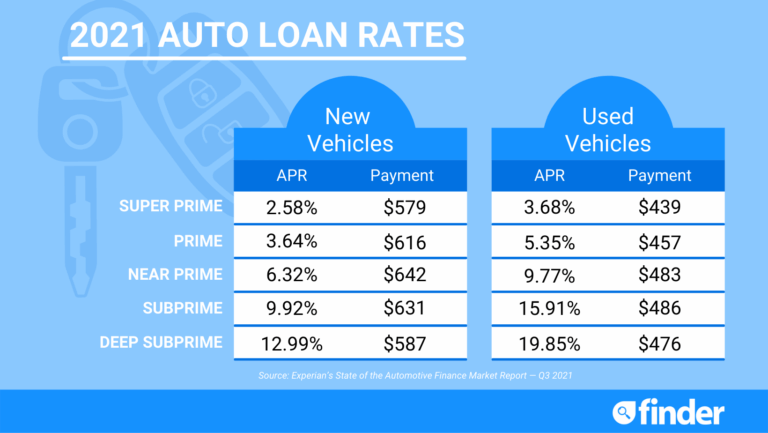
As you can see, the difference between excellent and poor credit on a $30,000 loan can be over $9,000 in interest alone! This stark reality underscores the importance of a good credit score. For current average auto loan rates by credit score, you can consult reputable sources like the Federal Reserve or Experian’s auto loan rate reports.
Common Mistakes to Avoid When Getting a Car Loan
Navigating the car loan process can be complex, and it’s easy to fall into traps. Here are some common mistakes to sidestep:
- Not Checking Your Credit Score: Going into the process blind is a major disadvantage. Know your score beforehand so you can set realistic expectations and spot any potential issues.
- Only Applying to One Lender: Limiting yourself to a single lender, especially the dealership, means you might miss out on significantly better rates elsewhere. Always get multiple quotes.
- Focusing Only on Monthly Payments: While crucial, the monthly payment alone doesn’t tell the whole story. A low monthly payment achieved by extending the loan term means you pay more in interest over time. Look at the total cost of the loan.
- Buying More Car Than You Can Afford: It’s tempting to stretch your budget, but an unaffordable car payment can lead to financial stress and even loan default. Be realistic about what you can comfortably pay.
- Not Understanding the Full Loan Terms: Always read the fine print. Understand the interest rate, loan term, any prepayment penalties, and late fees. Don’t be afraid to ask questions.
Your Road Ahead: Securing Your Ideal Car Loan
Your credit score is undoubtedly the most influential factor in securing a car loan with favorable terms. While an "excellent" score opens the door to the lowest interest rates and broadest options, even those with fair or poor credit have paths to car ownership, albeit with higher costs and more strategic planning. The minimum credit score for a car loan isn’t a fixed number, but rather a fluid benchmark that depends on the lender, the current economic climate, and your overall financial profile.
The ultimate goal isn’t just to get approved, but to get approved for a loan that aligns with your financial well-being. By understanding your credit score, taking proactive steps to improve it, shopping around for the best rates, and avoiding common pitfalls, you empower yourself to make informed decisions. Drive away confidently, knowing you’ve secured the best possible deal for your new ride.