Where To Get A Car Loan: Your Ultimate Expert Guide to Finding the Best Auto Financing
Where To Get A Car Loan: Your Ultimate Expert Guide to Finding the Best Auto Financing Carloan.Guidemechanic.com
Purchasing a car is a significant milestone for many, offering unparalleled freedom and convenience. However, for most of us, this exciting journey begins not with picking out the perfect vehicle, but with securing the right financing. Understanding where to get a car loan is not just about finding a lender; it’s about empowering yourself with knowledge to make a financially sound decision.
This comprehensive guide, born from years of experience in the automotive and finance sectors, will demystify the process of obtaining a car loan. We’ll explore every avenue, from traditional banks to innovative online platforms, ensuring you’re equipped to find an offer that perfectly aligns with your financial situation and driving dreams. Our ultimate goal is to help you navigate the complexities of auto financing with confidence, securing the best possible terms and avoiding common pitfalls.
Where To Get A Car Loan: Your Ultimate Expert Guide to Finding the Best Auto Financing
Understanding Your Car Loan Needs First: A Crucial Starting Point
Before you even begin exploring where to get a car loan, it’s vital to have a clear understanding of your own financial landscape and what kind of loan you actually need. This initial self-assessment is perhaps the most overlooked step, yet it lays the foundation for a successful and stress-free car buying experience.
Based on my experience, many people jump straight into car shopping without a budget or a clear idea of their borrowing capacity. This often leads to disappointment or, worse, taking on a loan that stretches them too thin. Take a moment to assess your monthly income, essential expenses, and how much you can comfortably allocate to a car payment, insurance, fuel, and maintenance.
New Car Loan vs. Used Car Loan
The type of vehicle you intend to purchase directly influences your loan options. A new car loan typically comes with lower interest rates due to the vehicle’s higher resale value and lower risk to the lender. However, the principal amount borrowed will generally be higher.
For a used car loan, interest rates might be slightly higher because used vehicles carry more perceived risk due to depreciation and potential maintenance issues. Despite this, the overall loan amount is usually less, potentially leading to smaller monthly payments. Understanding this distinction is key to setting realistic expectations when you begin your search for financing.
Refinance Loan: A Second Chance at Better Terms
Perhaps you already have a car loan but are looking to improve its terms. This is where a refinance loan comes into play. Refinancing involves taking out a new loan to pay off your existing car loan, ideally with a lower interest rate, a reduced monthly payment, or a different loan term.
Common reasons for refinancing include an improved credit score since you first took out the loan, a drop in market interest rates, or a desire to lower your monthly expenses. We’ll delve deeper into refinancing options later in this guide, but it’s important to recognize it as a distinct loan type with specific considerations.
The Main Players: Where To Get A Car Loan (Types of Lenders)
When it comes to securing auto financing, you have a diverse array of options available. Each type of lender offers unique advantages and disadvantages, and the best choice for you will depend on your individual circumstances, credit profile, and preferences. Let’s break down the primary sources for where to get a car loan.
1. Traditional Banks
For many, a traditional bank is the first place that comes to mind when considering a loan. These established financial institutions offer a wide range of loan products, including auto loans, and often provide competitive rates for borrowers with strong credit histories.
Pros of Banks:
- Established Trust: Banks are well-known entities, offering a sense of security and reliability.
- Competitive Rates: For borrowers with excellent credit, banks often provide attractive interest rates.
- Personalized Service: If you have an existing relationship with a bank, you might receive personalized attention and potentially better offers.
- Branch Network: Physical locations allow for in-person consultations, which some borrowers prefer.
Cons of Banks:
- Stricter Eligibility: Banks typically have more stringent credit requirements, making it harder for those with less-than-perfect credit to qualify.
- Slower Application Process: While many banks offer online applications, the approval process can sometimes be slower compared to online-only lenders.
- Less Flexibility: Loan terms might be less flexible than those offered by some alternative lenders.
Based on my experience, a common mistake people make when approaching their bank is not shopping around. While your current bank might offer convenience, it doesn’t automatically mean they have the best rates. Always get a quote from them, but use it as a benchmark, not a final decision.
2. Credit Unions
Credit unions are non-profit financial cooperatives owned by their members. Their primary mission is to serve their members, which often translates into more favorable loan terms and lower interest rates compared to traditional banks.
Pros of Credit Unions:
- Lower Interest Rates: Often offer some of the most competitive interest rates on auto loans.
- More Flexible Lending: Can be more willing to work with borrowers who have less-than-perfect credit, as they prioritize member welfare.
- Personalized Service: Known for excellent customer service and a community-focused approach.
- Lower Fees: Generally have fewer and lower fees than traditional banks.
Cons of Credit Unions:
- Membership Requirements: You usually need to become a member to apply for a loan, which often involves meeting specific eligibility criteria (e.g., living in a certain area, working for a specific employer, or being part of an association).
- Limited Branch Network: May have fewer physical branches compared to large banks.
- Slightly Slower Technology Adoption: While improving, some credit unions might not have the same level of digital convenience as online lenders.
Pro tips from us: If you qualify for a credit union membership, it’s almost always worth exploring their auto loan options. Even if you don’t find the absolute lowest rate, their overall member benefits and service can be a significant advantage.
3. Online Lenders
The digital age has brought a new wave of financial institutions: online lenders. These companies operate entirely online, offering a streamlined application process and quick approval decisions. They’ve become a popular option for those seeking convenience and speed when deciding where to get a car loan.
Pros of Online Lenders:
- Speed and Convenience: Apply from anywhere, anytime, with rapid approval notifications.
- Competitive Rates: Often have lower overhead costs, allowing them to pass savings onto borrowers in the form of competitive rates.
- Wider Range of Borrowers: Many online lenders cater to a broader spectrum of credit scores, including those with fair or even bad credit.
- Comparison Shopping Tools: Many online platforms allow you to compare multiple loan offers from various lenders simultaneously.
Cons of Online Lenders:
- Lack of Personal Interaction: No physical branches means all interactions are online or over the phone, which some borrowers dislike.
- Potential for Information Overload: The sheer number of options can sometimes be overwhelming.
- Reputation Varies: It’s crucial to research the reputation and reviews of online lenders, as some might be less reputable than others.
When using online lenders, always look for transparent terms and conditions. A trusted online lender will clearly outline all fees, interest rates, and repayment schedules upfront.
4. Dealership Financing
When you purchase a car from a dealership, they often offer financing options directly through their sales department. This is known as "dealership financing" or "indirect lending," as the dealership acts as an intermediary between you and a network of lenders (banks, credit unions, or their own captive finance companies like Toyota Financial Services or Ford Credit).
Pros of Dealership Financing:
- Convenience: You can often secure financing and purchase the car all in one place, simplifying the process.
- Special Offers: Dealerships sometimes offer promotional low-APR deals, especially on new cars, often subsidized by the manufacturer.
- Flexibility: They work with multiple lenders, potentially finding an option for a wider range of credit profiles.
Cons of Dealership Financing:
- Less Transparency: The "dealer mark-up" on interest rates can sometimes occur, where the dealer charges a slightly higher rate than what the lender initially offered them.
- Pressure Tactics: Salespeople may use financing as a negotiation tool, distracting from the true cost of the vehicle or the loan.
- Limited Comparison: While they work with multiple lenders, you’re only seeing the options they present, which might not be the absolute best available in the market.
Pro tips from us: Always get pre-approved for a loan before you visit the dealership. This provides you with a baseline interest rate and empowers you to negotiate effectively. If the dealership can beat your pre-approved rate, fantastic! If not, you have a solid offer to fall back on.
The Power of Pre-Approval: Why It Matters
One of the most valuable steps you can take in your car loan journey is getting pre-approved. This proactive approach not only simplifies the car-buying process but also significantly strengthens your position as a buyer. It’s a key strategy regardless of where to get a car loan.
What is Pre-Approval?
Pre-approval means a lender has reviewed your financial information (credit score, income, debt, etc.) and tentatively agreed to lend you a specific amount of money at a certain interest rate, contingent on the final verification of your details and the vehicle you choose. It’s not a commitment to buy a specific car, but rather a commitment from the lender to fund your purchase up to a certain limit.
Benefits of Pre-Approval:
- Know Your Budget: You’ll know exactly how much you can afford, preventing you from falling in love with a car outside your price range.
- Bargaining Power: Walking into a dealership with a pre-approval letter is like having cash in hand. It signals to the dealer that you’re a serious buyer with financing already secured, giving you leverage to negotiate the car’s price.
- Focus on the Car, Not the Loan: With financing settled, you can concentrate solely on finding the right vehicle and negotiating its price, rather than juggling both simultaneously.
- Faster Purchase Process: Once you find the car, the final paperwork for the loan will be much quicker, as most of the financial heavy lifting has already been done.
How to Get Pre-Approved:
You can get pre-approved from banks, credit unions, and online lenders. The process typically involves submitting an application with your personal and financial details. The lender will then perform a "soft inquiry" on your credit (which doesn’t affect your score) to give you an estimated rate and loan amount.
For a formal pre-approval, they will often perform a "hard inquiry," which might cause a slight, temporary dip in your credit score. However, multiple hard inquiries for auto loans within a short period (typically 14-45 days, depending on the credit model) are often treated as a single inquiry, so it’s wise to get all your pre-approvals within this window.
For a deeper dive into understanding your credit and its impact on loans, you might find our article, "Understanding Your Credit Score: A Key to Financial Freedom" incredibly useful.
Key Factors Lenders Consider for Car Loan Approval
Lenders aren’t just handing out money; they’re assessing risk. When you apply for a car loan, they’ll evaluate several key factors to determine your eligibility, the interest rate you’ll receive, and the loan terms. Understanding these elements will help you prepare and present yourself as a low-risk borrower, regardless of where to get a car loan.
1. Credit Score and History
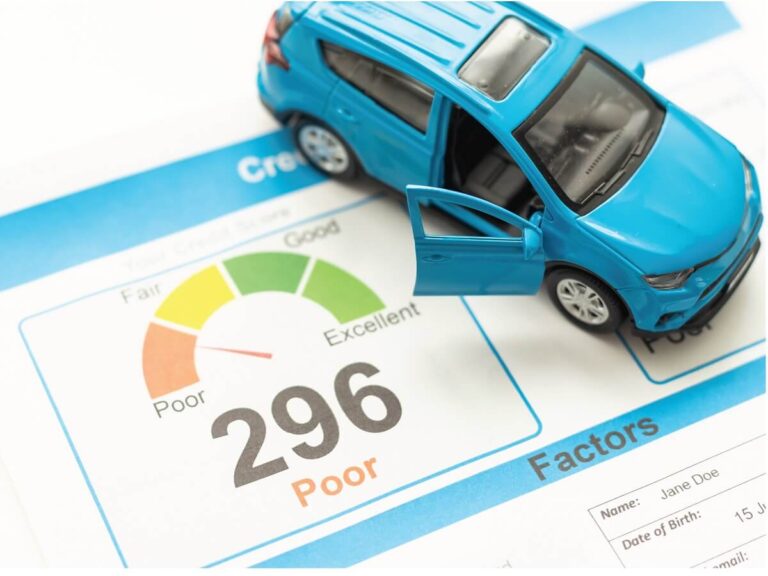
Your credit score is arguably the most significant factor lenders consider. It’s a numerical representation of your creditworthiness, based on your payment history, amounts owed, length of credit history, new credit, and credit mix.
- Why it’s crucial: A higher credit score indicates a lower risk of default, leading to better interest rates and more favorable loan terms. Borrowers with excellent credit (typically 720+) often qualify for the lowest advertised rates.
- What’s considered "good": Generally, a FICO score of 670 and above is considered "good," while 740+ is "very good" or "excellent."
- Steps to improve it: Before applying, check your credit report for errors, pay bills on time, reduce existing debt, and avoid opening new lines of credit. Even small improvements can make a difference.
2. Income and Employment History
Lenders need assurance that you have a stable and sufficient income to make your monthly loan payments. They want to see consistent employment and enough disposable income after your other obligations are met.
- Stability: A long, stable employment history with the same employer or in the same industry is viewed favorably.
- Debt-to-Income (DTI) Ratio: This ratio compares your total monthly debt payments to your gross monthly income. Lenders typically prefer a DTI ratio below 36-43%, indicating you have enough income left to handle a new car payment comfortably.
3. Down Payment
While not always required, making a down payment significantly strengthens your loan application and offers several benefits.
- Benefits of a larger down payment: It reduces the amount you need to borrow, which in turn lowers your monthly payments and the total interest paid over the life of the loan. It also signals to lenders that you have some financial stability and are committed to the purchase, reducing their risk.
- Avoiding Negative Equity: A substantial down payment can help prevent you from owing more on the car than it’s worth (negative equity), especially given immediate depreciation.
4. Vehicle Information
The specific car you’re buying also plays a role in the loan approval process. Lenders assess the vehicle’s value, age, and mileage.
- Age and Mileage: Newer cars with lower mileage are generally considered less risky by lenders because they hold their value better and are less likely to incur expensive repairs that could hinder your ability to repay the loan.
- Value: Lenders will typically not lend more than the car’s appraised value (e.g., Kelly Blue Book or NADA Guide), ensuring they have collateral that covers the loan amount.
Navigating the Application Process
Once you’ve identified potential lenders and understand the influencing factors, the next step is to formally apply for the car loan. This process involves gathering documents, submitting your application, and carefully reviewing the loan offer.
Required Documents
To streamline the application, have these common documents ready:
- Proof of Identity: Government-issued ID (driver’s license, passport).
- Proof of Residence: Utility bill, lease agreement, or mortgage statement.
- Proof of Income: Recent pay stubs (typically 2-3 months), W-2 forms, or tax returns if self-employed.
- Bank Statements: To verify your financial stability and ability to make payments.
- Vehicle Information (if applicable): VIN, make, model, year, and mileage of the car you intend to purchase.
- Insurance Information: Proof of auto insurance will be required before you can drive off with the car.
Steps from Application to Approval
- Submit Your Application: Fill out the lender’s application form, either online or in person, providing all requested personal and financial details.
- Credit Check: The lender will perform a hard inquiry on your credit report.
- Income and Debt Verification: Your provided income and debt information will be verified.
- Receive a Decision: You’ll typically receive a decision within minutes to a few business days, depending on the lender. If approved, you’ll get a loan offer detailing the principal amount, interest rate (APR), and loan term.
- Review and Accept: Carefully read all the terms and conditions of the loan offer before accepting.
Understanding the Loan Offer
Don’t just look at the monthly payment. Pay close attention to:
- Annual Percentage Rate (APR): This is the true cost of borrowing, including interest and certain fees. A lower APR means less money paid over time.
- Loan Term: The length of the loan (e.g., 36, 48, 60, 72 months). Longer terms mean lower monthly payments but more interest paid overall.
- Fees: Look for any origination fees, application fees, or prepayment penalties.
Pro Strategies for Securing the Best Car Loan Rates
Finding where to get a car loan is only half the battle; securing the most favorable terms is where smart financial planning comes into play. These strategies are designed to put you in the driver’s seat of your loan negotiation.
1. Shop Around Aggressively
This is perhaps the most crucial advice. Do not settle for the first loan offer you receive. Get pre-approvals from multiple types of lenders – banks, credit unions, and online lenders.
Based on my years in the industry, comparing at least three to five different loan offers can save you hundreds, if not thousands, of dollars over the life of the loan. Use these offers as leverage against each other, even with dealership financing.
2. Negotiate Terms Beyond the Rate
While the interest rate (APR) is critical, remember to negotiate other terms as well.
- Loan Term: A shorter term means higher monthly payments but significantly less interest paid overall. If you can afford it, opt for the shortest term possible.
- Fees: Inquire about any hidden fees or charges and see if they can be waived or reduced.
3. Improve Your Credit Score Before Applying
As discussed, your credit score is paramount. If you have time before needing a car, focus on boosting your score.
- Pay down existing credit card balances.
- Ensure all bill payments are made on time.
- Avoid applying for new credit cards or loans right before seeking an auto loan.
4. Increase Your Down Payment
A larger down payment reduces the amount you need to borrow, which directly impacts your monthly payments and the total interest you’ll accrue. It also demonstrates financial responsibility to lenders.
Even an extra few hundred dollars can make a noticeable difference in your overall loan cost and equity position in the vehicle.
5. Consider a Shorter Loan Term
While a longer loan term (e.g., 72 or 84 months) might offer lower monthly payments, it invariably leads to paying much more in interest over time.
Aim for the shortest loan term you can comfortably afford. This strategy not only saves you money but also helps you pay off the car faster, freeing up your budget sooner.
For more detailed advice on responsible borrowing, the Consumer Financial Protection Bureau (CFPB) offers excellent resources on understanding auto loans and avoiding predatory practices: Consumer Financial Protection Bureau – Auto Loans.
What If You Have Bad Credit? Finding a Car Loan Solution
Having a less-than-perfect credit score doesn’t mean you can’t get a car loan. It simply means your options might be different, and you’ll need to be more strategic in your search for where to get a car loan. It’s important to set realistic expectations, as rates will likely be higher.
It’s Possible, But Expect Higher Rates:
Lenders view bad credit as a higher risk, so they compensate by charging higher interest rates. This is to offset the increased likelihood of default. Your primary goal will be to secure a loan that is manageable and allows you to rebuild your credit.
Subprime Lenders:
These lenders specialize in offering loans to individuals with low credit scores. While their rates are higher, they can be a viable option when traditional banks decline your application. Always compare offers from multiple subprime lenders to ensure you’re getting the best possible terms.
Consider a Co-signer:
A co-signer with good credit can significantly improve your chances of approval and help you secure a lower interest rate. A co-signer legally agrees to take responsibility for the loan if you fail to make payments, so this should only be considered with someone you trust implicitly, and who understands the risks involved.
Secured Loans:
Some lenders might offer secured auto loans, where the vehicle itself acts as collateral. While these are common for car loans in general, for bad credit borrowers, the terms might be less favorable.
Focus on Improving Credit for Future Refinancing:
If you must take a high-interest loan due to bad credit, make consistent, on-time payments. This is the fastest way to improve your credit score. Once your score improves, you can explore refinancing your car loan for a better rate, which we’ll discuss next.
Common Mistakes to Avoid When Getting a Car Loan
Navigating the car loan landscape can be tricky, and even seasoned buyers can fall prey to common missteps. Based on my years in the industry, avoiding these pitfalls will save you money, stress, and potential long-term financial headaches, regardless of where to get a car loan.
1. Not Getting Pre-Approved
As previously emphasized, walking into a dealership without a pre-approval is like walking into a negotiation blindfolded. You lose your primary leverage and might unknowingly accept a higher interest rate than you qualify for.
2. Focusing Only on the Monthly Payment
Dealerships often try to steer buyers towards a specific monthly payment, stretching the loan term to achieve it. While a low monthly payment seems appealing, it often means paying significantly more in interest over a longer period. Always look at the total cost of the loan and the APR, not just the monthly figure.
3. Ignoring the Total Cost of the Loan
The interest rate is crucial, but don’t forget about other fees and the total amount you’ll pay back. A slightly lower interest rate on a much longer term might still result in a higher total cost. Use online loan calculators to compare the full financial impact of different offers.
4. Skipping the Fine Print
Loan agreements are legal documents. It’s easy to skim through them, especially when excited about a new car. However, failing to read the fine print can lead to unexpected fees, unfavorable terms, or even prepayment penalties. Take your time, and ask questions about anything you don’t understand.
5. Not Shopping Around
This mistake is so common it bears repeating. Limiting yourself to one or two lenders, especially just the dealership’s offer, is almost guaranteed to cost you money. Dedicate time to compare offers from various sources to find the most competitive rates and terms.
Refinancing Your Car Loan: A Second Chance at Better Terms
Even after you’ve secured a car loan, your financial journey doesn’t have to be set in stone. Refinancing your car loan offers an excellent opportunity to revisit your terms and potentially save a significant amount of money. It’s a strategic move that many car owners overlook.
When to Consider Refinancing
There are several compelling reasons why you might want to consider refinancing your auto loan:
- Your Credit Score Has Improved: If your credit score has significantly improved since you initially took out the loan, you’re likely eligible for a lower interest rate.
- Market Interest Rates Have Dropped: General interest rates can fluctuate. If they’ve decreased since your original loan, refinancing could lead to savings.
- You Want a Lower Monthly Payment: By extending your loan term (though this might mean paying more interest overall) or securing a lower rate, you can reduce your monthly outflow.
- You Want to Pay Off Your Loan Faster: Conversely, if your financial situation has improved, you might refinance to a shorter term to pay off the car quicker, often at a better rate, saving on total interest.
- You Want to Remove a Co-signer: If a co-signer helped you get your original loan, refinancing into a new loan solely in your name can release them from their obligation.
Benefits of Refinancing
- Lower Interest Rate: This is the most common and often most significant benefit, leading to substantial savings over the life of the loan.
- Reduced Monthly Payments: Free up cash flow for other expenses or savings goals.
- Pay Less Over the Life of the Loan: A lower interest rate or a shorter term means less money spent on interest.
- Change Loan Terms: Adjust the loan duration to better suit your current financial situation.
How to Refinance Your Car Loan
The process of refinancing is very similar to applying for an original car loan:
- Check Your Credit: Understand your current credit score to know what rates you might qualify for.
- Shop Around: Get quotes from multiple lenders (banks, credit unions, online lenders) for refinancing, just as you did when first deciding where to get a car loan.
- Compare Offers: Look at the APR, loan term, and any fees associated with the new loan.
- Submit Application: Provide necessary documents (proof of income, current loan details, vehicle info).
- New Loan Pays Off Old Loan: Once approved, the new lender will pay off your old loan, and you’ll begin making payments to the new lender under the new terms.
For a detailed walkthrough on how to approach this, our "Guide to Refinancing Your Auto Loan: Saving Money on Your Ride" offers even more in-depth advice.
Conclusion: Empowering Your Car Loan Journey
Finding where to get a car loan is more than just a transaction; it’s a critical financial decision that impacts your budget for years to come. By understanding the various types of lenders, recognizing the factors that influence approval, and employing smart strategies, you can navigate this process with confidence and secure financing that truly benefits you.
Remember, the power of knowledge is your greatest asset. Shop around, get pre-approved, meticulously compare offers, and never hesitate to ask questions. Armed with the insights from this comprehensive guide, you are now well-equipped to make informed choices, avoid common pitfalls, and ultimately drive away with a car loan that aligns with your financial goals. Your ideal car and the perfect loan are within reach – start your research today and take control of your automotive future!