Your Ultimate Guide to Car Loans: Everything You Need to Know (Car Loan FAQ)
Your Ultimate Guide to Car Loans: Everything You Need to Know (Car Loan FAQ) Carloan.Guidemechanic.com
Embarking on the journey to purchase a new or used vehicle is an exciting prospect. The gleaming paint, the new car smell, the promise of freedom on the open road – it’s all incredibly appealing. However, for many, the path to ownership often involves navigating the complex world of car loans. This financial commitment can feel daunting, riddled with jargon and critical decisions that can impact your budget for years to come.
Based on my extensive experience in automotive finance and consumer lending, one of the biggest roadblocks people face is a lack of clear, straightforward information. Confusion surrounding interest rates, loan terms, eligibility, and the application process can lead to costly mistakes or missed opportunities. That’s precisely why we’ve crafted this comprehensive Car Loan FAQ. Our mission is to demystify car financing, providing you with all the essential knowledge to make informed, confident decisions. Let’s dive in and unlock the secrets to securing the best car loan for your needs.
Your Ultimate Guide to Car Loans: Everything You Need to Know (Car Loan FAQ)
Section 1: The Basics of Car Loans – Understanding the Fundamentals
Before you even start browsing vehicles, it’s crucial to grasp the foundational concepts of car loans. Knowing these basics will empower you during negotiations and help you choose a financing option that truly aligns with your financial well-being.
What Exactly is a Car Loan?
At its core, a car loan is a type of installment loan specifically designed to finance the purchase of a vehicle. When you take out a car loan, a lender provides you with the money to buy the car, and in return, you agree to repay that money, plus interest, over a predetermined period. This repayment typically happens through fixed monthly payments.
Most car loans are "secured loans." This means the vehicle you are purchasing serves as collateral for the loan. If you fail to make your payments as agreed, the lender has the legal right to repossess the car to recover their losses. This is a critical distinction from unsecured loans, where no collateral is involved.
How Do Car Loans Work?
Understanding the mechanics of a car loan involves several key components: the principal, interest, loan term, and monthly payments. The principal is the actual amount of money you borrow to buy the car. The interest is the cost of borrowing that money, expressed as a percentage of the principal.
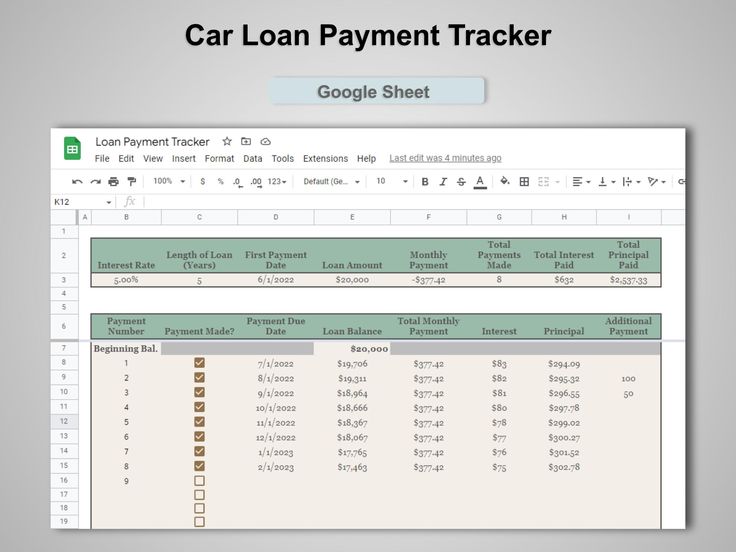
The loan term is the duration over which you agree to repay the loan, typically measured in months (e.g., 36, 48, 60, 72, or even 84 months). Your monthly payment is a fixed amount that includes both a portion of the principal and the interest, calculated to pay off the entire loan by the end of the term. The longer the loan term, the lower your monthly payment usually is, but you’ll end up paying more in total interest over the life of the loan.
Who Offers Car Loans?
You have several avenues when seeking a car loan, each with its own advantages and disadvantages. Traditional banks are a popular choice, often offering competitive rates if you have good credit and a pre-existing relationship. Credit unions are member-owned financial institutions known for their customer-centric approach and often provide excellent rates and flexible terms.
Dealership financing is another common option, where the dealership acts as an intermediary, working with a network of lenders. This can be convenient, but always compare their offers with pre-approvals from other sources. Finally, online lenders have grown significantly, providing quick application processes and competitive rates, often accessible from the comfort of your home. Shopping around across these different types of lenders is a pro tip from us; it’s one of the most effective ways to secure the best deal.
What’s the Difference Between APR and Interest Rate?
While often used interchangeably, the interest rate and the Annual Percentage Rate (APR) are not quite the same. The interest rate is simply the percentage you’re charged on the principal amount borrowed. It reflects the cost of borrowing the money itself.
The APR, on the other hand, provides a more comprehensive picture of the total cost of your loan. It includes the interest rate plus any additional fees associated with the loan, such as origination fees, processing fees, or closing costs, spread out over the loan term. When comparing loan offers, always look at the APR, as it gives you the true "all-in" cost of borrowing. A lower APR indicates a cheaper loan overall.
Section 2: Eligibility & The Application Process – Your Path to Approval
Once you understand the basics, the next step is to prepare for the application process. Knowing what lenders look for and how to present yourself as a creditworthy borrower can significantly smooth your path to approval.
What Are the Typical Eligibility Requirements?
Lenders assess several factors to determine your eligibility and the terms of your car loan. Your credit score is paramount; a higher score indicates a lower risk and typically qualifies you for better interest rates. Lenders also evaluate your income and employment history to ensure you have a stable source of funds to make payments. They’ll want to see proof of steady employment, usually for at least six months to a year.
Furthermore, your debt-to-income (DTI) ratio is crucial. This ratio compares your total monthly debt payments to your gross monthly income. A lower DTI ratio suggests you have more disposable income to manage new debt. Lenders generally prefer a DTI ratio below 40%, but this can vary. Finally, you’ll need to be of legal age (usually 18 or 19, depending on your location) and a resident with a valid ID.
What Documents Do I Need for a Car Loan?
Being prepared with the right documentation can streamline your application process considerably. You’ll typically need a valid form of identification, such as a driver’s license or state ID. Proof of income is essential, which can include recent pay stubs (usually the last two or three), W-2 forms, or tax returns if you are self-employed.
Lenders will also require proof of residency, like a utility bill or a lease agreement showing your current address. If you have an existing banking relationship, they might ask for bank statements to verify your financial activity. Remember, having these documents readily available will save you time and prevent delays.
How Does the Car Loan Application Process Work?
The car loan application process generally follows a predictable sequence. First, you’ll complete an application form, either online, in person, or through a dealership. This form will request personal information, employment details, and financial data. Next, the lender will perform a credit check, pulling your credit report from one or more of the major credit bureaus. This step is crucial for their risk assessment.
Once your credit and financial information are reviewed, the lender will either approve, deny, or approve with conditions (e.g., requiring a co-signer or a larger down payment). If approved, you’ll receive a loan offer detailing the principal amount, interest rate (or APR), loan term, and monthly payment. Finally, upon accepting the offer and signing the loan agreement, the funds are disbursed, usually directly to the car seller.
What is Pre-Approval and Why is it Important?
Pre-approval is arguably one of the most powerful tools in your car buying arsenal. It’s when a lender reviews your financial information and tentatively agrees to lend you a certain amount of money, at a specific interest rate, before you’ve even chosen a car. This process usually involves a "hard inquiry" on your credit report.
Based on my experience, getting pre-approved offers several significant advantages. It gives you a clear budget, so you know exactly how much car you can afford. It also transforms you into a cash buyer at the dealership, giving you strong negotiating power on the vehicle’s price, as you’re not reliant on their financing options. Furthermore, it allows you to compare different loan offers side-by-side without feeling pressured at the dealership.
Common Mistakes to Avoid During Application
One common pitfall I’ve observed is applying for too many loans in a short period. While shopping around is good, excessive applications can result in multiple "hard inquiries" on your credit report, which can temporarily lower your credit score. Try to consolidate your applications within a 14-day window, as credit scoring models often count multiple auto loan inquiries during this period as a single inquiry.
Another mistake is being dishonest or exaggerating your income on the application. Lenders will verify your information, and any discrepancies can lead to denial or, worse, accusations of fraud. Always provide accurate and truthful information. Finally, don’t overlook checking your credit report for errors before applying. Incorrect information could negatively impact your eligibility or rates.
Section 3: Key Factors Influencing Your Loan – Getting the Best Deal
Several critical elements play a significant role in determining the terms and cost of your car loan. Understanding these factors allows you to proactively work towards securing the most favorable financing possible.
How Does My Credit Score Affect My Car Loan?
Your credit score is the single most influential factor in determining your car loan’s interest rate. Lenders use this three-digit number to assess your creditworthiness and the likelihood of you repaying the loan. A higher credit score (generally 700+) indicates a lower risk, translating into lower interest rates and more favorable loan terms. You’ll qualify for what lenders consider "prime" rates.
Conversely, a lower credit score (below 600-650) suggests a higher risk to lenders. This will likely result in higher interest rates, potentially larger down payment requirements, or even the need for a co-signer. Lenders charge more interest to compensate for the increased risk of default. This is why improving your credit score before applying for a loan is a pro tip that can save you thousands over the life of the loan. For more details on improving your credit score, check out our guide on .
The Role of a Down Payment
A down payment is the initial sum of money you pay upfront towards the purchase price of the vehicle, reducing the amount you need to borrow. Making a substantial down payment can significantly impact your loan terms. A larger down payment reduces the principal amount, which means you’ll pay less interest over the loan’s life.
It also lowers your monthly payments, making the loan more affordable. Furthermore, a significant down payment reduces the risk for the lender, potentially helping you qualify for a better interest rate, especially if your credit isn’t perfect. As a seasoned expert, I always advise clients to put down as much as they comfortably can.
Understanding Loan Terms (Short vs. Long Terms)
The loan term, or the length of time you have to repay the loan, is a crucial decision point. Shorter loan terms (e.g., 36 or 48 months) typically come with higher monthly payments but result in less interest paid over the life of the loan. You’ll own your car outright sooner and save money in the long run.
Longer loan terms (e.g., 60, 72, or even 84 months) offer lower monthly payments, making the vehicle more "affordable" on a month-to-month basis. However, the trade-off is that you’ll pay significantly more in total interest. Common mistakes to avoid include extending the loan term too much to get a low monthly payment, as you might end up "upside down" on your loan (owing more than the car is worth) for a longer period.
What is a Co-Signer and When Do I Need One?
A co-signer is an individual who agrees to be equally responsible for repaying your car loan if you’re unable to do so. This person essentially adds their creditworthiness to your application, providing the lender with additional assurance that the loan will be repaid. You might need a co-signer if you have a limited credit history, a low credit score, or insufficient income to qualify for a loan on your own.
While a co-signer can help you secure a loan or a better interest rate, it’s a significant commitment for them. Their credit will be affected by the loan, and any late payments will appear on their credit report as well as yours. It’s a decision that should be made with careful consideration and clear communication between both parties.
Debt-to-Income (DTI) Ratio Explained
Your debt-to-income (DTI) ratio is a critical metric lenders use to assess your ability to manage monthly payments and take on new debt. It’s calculated by dividing your total monthly debt payments (including rent/mortgage, credit card payments, student loans, etc.) by your gross monthly income. For example, if your total monthly debts are $1,500 and your gross monthly income is $4,000, your DTI is 37.5%.
Lenders prefer a lower DTI ratio because it indicates you have more discretionary income to cover a new car payment. A high DTI ratio signals that you might already be overextended financially, making you a higher risk. Aiming for a DTI below 36-40% is often recommended for the best chances of approval and favorable terms.
Section 4: Types of Car Loans & Special Considerations – Beyond the Standard
The world of car financing extends beyond a simple new car loan. Understanding different loan types and specific considerations can help you tailor your financing to your unique situation.
New vs. Used Car Loans: Are They Different?
While both new and used car loans serve the same purpose – financing a vehicle purchase – there are often subtle differences. New car loans typically come with lower interest rates due to the lower risk associated with brand-new vehicles. They also often have longer loan terms available, though as discussed, this isn’t always financially advisable.
Used car loans, conversely, often carry slightly higher interest rates. This is because used cars can be perceived as a higher risk by lenders due to their depreciation, mileage, and potential for unforeseen mechanical issues. The loan term for used cars might also be shorter, depending on the age and mileage of the vehicle. Lenders might also have stricter requirements for the age and mileage of used cars they are willing to finance.
Leasing vs. Buying: A Brief Comparison
While this article focuses on loans, it’s worth briefly touching on leasing as an alternative to buying. When you lease, you essentially rent the car for a set period (usually 2-4 years) and make monthly payments. You don’t own the car, and at the end of the lease, you return it or have the option to buy it.
Buying with a loan means you own the vehicle once the loan is paid off. You have the freedom to customize it, drive unlimited miles, and sell it whenever you wish. Leasing typically results in lower monthly payments and allows you to drive a new car more frequently, but you build no equity. We delve deeper into the pros and cons of leasing in our article: .
What About Refinancing a Car Loan? When is it a Good Idea?
Refinancing a car loan involves taking out a new loan to pay off your existing car loan, often with different terms. It’s essentially replacing your old loan with a new one. This can be a smart move in several situations. If your credit score has significantly improved since you first took out the loan, you might qualify for a lower interest rate, which can save you a substantial amount of money over time.
You might also consider refinancing if interest rates have dropped since your original loan, or if you want to lower your monthly payments by extending the loan term (though be mindful of increased total interest). Based on my experience, reviewing your loan terms annually to see if refinancing makes sense is a pro tip for savvy borrowers.
Balloon Payments and Their Implications
A balloon payment loan is a type of financing where your monthly payments are significantly lower for the majority of the loan term, but at the very end, a large, lump-sum payment (the "balloon") is due. This structure can make a car seem more affordable upfront due to lower monthly costs.
However, common mistakes to avoid include not being prepared for that final large payment. If you can’t pay the balloon amount, you might need to refinance it or sell the car. While it can be useful for those who expect a significant cash inflow in the future, for most consumers, it adds an element of risk and uncertainty that a traditional amortizing loan avoids.
Understanding Additional Costs: GAP Insurance, Extended Warranties
Beyond the car’s price and loan interest, there are other costs to consider. Guaranteed Asset Protection (GAP) insurance is designed to cover the "gap" between what you owe on your car loan and the car’s actual cash value if it’s stolen or totaled. Cars depreciate rapidly, and it’s common to owe more than the car is worth, especially in the early years of a loan. GAP insurance is highly recommended, especially if you make a small down payment or have a long loan term.
Extended warranties, also known as service contracts, cover the cost of certain repairs after the manufacturer’s original warranty expires. While they can provide peace of mind, they are often expensive and may not cover everything. Carefully read the terms and conditions, and consider whether the cost outweighs the potential benefits for your specific vehicle and driving habits. Never feel pressured to add these to your loan; you can often purchase them separately later.
Section 5: Smart Strategies for Car Loan Success – Maximizing Your Advantage
Securing a car loan isn’t just about getting approved; it’s about getting the best terms possible. Employing smart strategies can save you thousands over the life of your loan.
Tips for Getting the Best Interest Rate
To land the most favorable interest rate, preparation is key. First and foremost, improve your credit score before applying. Pay down existing debts, make all payments on time, and avoid opening new lines of credit. Even a few points can make a difference. Second, shop around extensively. Don’t just rely on the dealership’s offer. Get pre-approvals from multiple banks, credit unions, and online lenders.
Pro tips from us include comparing offers side-by-side, focusing on the APR, not just the monthly payment. Additionally, consider making a larger down payment, as this reduces the amount you need to borrow and signals less risk to lenders, often leading to better rates. Finally, negotiate! Everything is negotiable, from the car’s price to the loan terms.
Negotiating with Dealerships: Beyond the Sticker Price
Many people focus solely on the sticker price of the car, but effective negotiation involves much more. Always negotiate the vehicle’s price first, separate from the financing. Treat it as a cash purchase. Once you’ve agreed on a price, then discuss your trade-in (if any) and finally, the financing.
Be aware of "add-ons" like paint protection, fabric guard, or extended warranties, which are high-profit items for dealerships. Politely decline anything you don’t genuinely need or haven’t thoroughly researched. Remember your pre-approved loan offer; it’s your leverage to ensure the dealership’s financing is competitive. Don’t be afraid to walk away if the deal isn’t right.
Budgeting for Your Car Loan: What to Consider Beyond the Payment
A common mistake is only focusing on the monthly car payment. Based on my experience, truly budgeting for a car involves far more than just the loan. You must factor in insurance costs, which can vary significantly based on the car, your driving history, and your location. Get insurance quotes before you buy.
Then there are fuel costs, which will depend on the car’s fuel efficiency and your driving habits. Don’t forget maintenance and repairs; all cars need regular servicing, and older vehicles might require more frequent repairs. Registration fees, taxes, and potential parking costs also add up. A responsible budget considers the total cost of car ownership, not just the loan payment.
Pro Tips for Managing Your Loan Post-Purchase
Once you’ve secured your car loan, smart management can further enhance your financial position. One pro tip is to set up automatic payments from your bank account. This ensures you never miss a payment, protecting your credit score and avoiding late fees. Another strategy, if financially feasible, is to pay more than the minimum monthly payment. Even an extra $20-$50 can significantly reduce the total interest paid and shorten your loan term.
Always keep track of your loan balance and review your statements regularly for any discrepancies. If you ever face financial hardship, contact your lender immediately. They may offer options like deferrals or modified payment plans, which are far better than defaulting on your loan.
When is it Okay to Pay Off Your Loan Early?
Paying off your car loan early can be a fantastic financial move, saving you a substantial amount in interest. It also frees up monthly cash flow and removes a debt from your budget. However, always check your loan agreement for any prepayment penalties. While less common on car loans than on mortgages, some lenders might charge a fee for paying off the loan ahead of schedule.
If there are no penalties, paying off early is almost always a good idea, especially if you have high-interest debt elsewhere (like credit cards). If you have extra cash, consider making additional principal-only payments. This directly reduces the amount you owe, cutting down on future interest.
Section 6: Frequently Asked Questions & Quick Answers
To further solidify your understanding, here are quick answers to some of the most common questions about car loans.
Can I get a car loan with bad credit?
Yes, it is possible to get a car loan with bad credit, but it will likely come with higher interest rates and potentially require a larger down payment or a co-signer. Subprime lenders specialize in these situations.
How long does it take to get approved?
Pre-approval can sometimes happen in minutes online, or a few hours to a day at a bank or credit union. Dealership financing can often give you an answer within an hour, as they work with multiple lenders simultaneously.
Will applying for multiple loans hurt my credit?
Applying for multiple loans within a short window (typically 14-45 days, depending on the credit model) for the same type of loan (like an auto loan) is usually treated as a single inquiry by credit scoring models. This allows you to shop for the best rates without significant credit score damage.
What if I can’t make my payments?
If you anticipate difficulty making payments, contact your lender immediately. They may offer temporary solutions like deferment or modified payment plans. Ignoring the issue can lead to late fees, negative credit report impacts, and ultimately, vehicle repossession.
Conclusion: Drive Away with Confidence
Navigating the world of car loans might seem complex initially, but with the right knowledge, it transforms into a manageable and empowering process. This comprehensive Car Loan FAQ has aimed to equip you with the insights, strategies, and expert advice needed to approach car financing with confidence. Remember, an informed borrower is a powerful borrower.
By understanding the basics, preparing for the application, recognizing key influencing factors, exploring different loan types, and employing smart strategies, you can secure a car loan that fits your budget and financial goals. Don’t just accept the first offer; shop around, ask questions, and negotiate. Your journey to car ownership should be exciting and financially sound. Now, go forth, apply what you’ve learned, and drive away with the best possible deal!