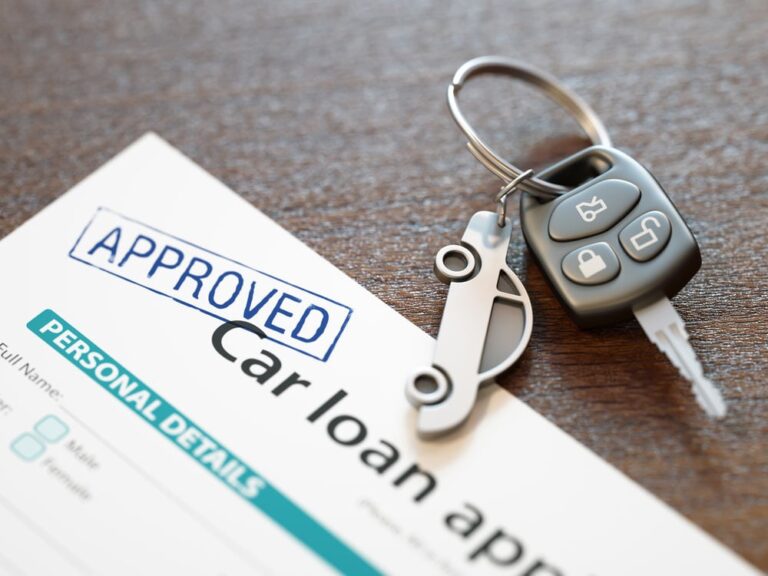
Your Ultimate Guide to Navigating the World of Car Loans: Drive Away Smarter
Your Ultimate Guide to Navigating the World of Car Loans: Drive Away Smarter Carloan.Guidemechanic.com
The dream of a new car – the gleaming paint, the fresh interior smell, the promise of freedom on the open road – is a powerful one. For most of us, turning that dream into a reality involves a crucial financial step: securing a car loan. This isn’t just about borrowing money; it’s about making an informed decision that impacts your financial well-being for years to come.
As an expert blogger and someone deeply immersed in the world of personal finance, I understand the complexities and anxieties that can come with financing a vehicle. This comprehensive guide is designed to empower you with the knowledge, strategies, and insights needed to navigate the car loan landscape with confidence. We’ll delve deep into every aspect, ensuring you drive away not just with a new car, but with a smart financial deal.
Your Ultimate Guide to Navigating the World of Car Loans: Drive Away Smarter
Understanding Car Loans: The Foundation of Your Purchase
At its core, a car loan is a secured installment loan specifically designed for purchasing a vehicle. The car itself typically serves as collateral, meaning if you fail to make payments, the lender can repossess the vehicle. This security is why car loans often come with more favorable interest rates compared to unsecured personal loans.
When you take out a car loan, you borrow a specific amount of money from a lender and agree to repay it, plus interest, over a set period. This repayment is broken down into fixed monthly installments. Understanding the key components of this agreement is your first step towards financial savvy.
The Anatomy of a Car Loan: Key Components
Every car loan agreement revolves around a few fundamental elements. Grasping these concepts will help you compare offers and make better decisions.
- Principal: This is the initial amount of money you borrow to purchase the car. It’s essentially the sale price of the vehicle minus any down payment or trade-in value.
- Interest Rate (APR): The interest rate is the cost of borrowing money, expressed as a percentage of the principal. The Annual Percentage Rate (APR) includes not just the interest rate but also other fees associated with the loan, providing a more accurate picture of the total cost. A lower APR means less money paid over the life of the loan.
- Loan Term: This refers to the duration over which you agree to repay the loan, typically measured in months (e.g., 36, 48, 60, 72, or even 84 months). While a longer term can result in lower monthly payments, it usually means you’ll pay more in total interest over the life of the loan.
- Down Payment: This is the upfront cash amount you pay towards the purchase of the car. A larger down payment reduces the principal amount you need to borrow, which can lead to lower monthly payments and less interest paid overall. It also demonstrates financial commitment to lenders.
Based on my experience, many first-time buyers underestimate the impact of the loan term and down payment on the overall cost. Focusing solely on the lowest monthly payment can lead to a much more expensive car in the long run due to accumulated interest.
Exploring the Different Types of Car Loans
Not all car loans are created equal, and understanding your options is crucial for finding the best fit. Each type comes with its own set of advantages and potential drawbacks.
1. Dealership Financing
This is perhaps the most common route for car buyers. You apply for a loan directly through the car dealership, which then works with a network of lenders (banks, captive finance companies like Ford Credit or Toyota Financial Services) to find you a loan.
Pros: Convenience is a major draw. You can often complete the entire car purchase and financing process in one place. Dealerships may also offer special incentives, such as low-interest rates or cash rebates, particularly on new vehicles.
Cons: While convenient, you might not always get the absolute best rate. Dealerships sometimes mark up interest rates to earn a profit, and the focus can shift from finding the best loan to closing the car sale. It’s vital to compare their offer with pre-approvals you’ve secured elsewhere.
2. Bank and Credit Union Loans
Many traditional banks and local credit unions offer competitive car loans. These institutions often have a more transparent application process and can provide personalized service.
Pros: Credit unions, in particular, are known for offering very competitive interest rates and flexible terms to their members. Banks also offer a wide range of options, and you can often get pre-approved before stepping foot in a dealership. Pre-approval gives you strong negotiating power.
Cons: The application process might be slightly more involved than dealership financing, and you’ll need to handle the loan separately from the car purchase. Their hours of operation might also be less flexible than a dealership’s.
3. Online Lenders
The digital age has brought a new wave of online-only lenders specializing in car loans. Companies like LightStream, Capital One Auto Finance, and others operate entirely online, offering speed and convenience.
Pros: Online lenders can be incredibly efficient, often providing instant decisions and quick funding. They can be a great option for comparing multiple offers from the comfort of your home, and some specialize in different credit profiles.
Cons: While convenient, the lack of a physical presence might be a downside for those who prefer face-to-face interaction. It’s also crucial to vet online lenders thoroughly to ensure they are reputable.
4. Personal Loans (Unsecured)
While less common for car purchases, some people consider using an unsecured personal loan. Unlike a traditional car loan, a personal loan is not secured by the vehicle itself.
Pros: The car is not collateral, meaning the lender cannot repossess it if you default. You have complete ownership from day one.
Cons: Interest rates on unsecured personal loans are almost always significantly higher than secured car loans, reflecting the increased risk to the lender. This option is typically only considered if a traditional car loan is unavailable or for very specific, low-value vehicle purchases.
Leasing vs. Buying: A Quick Note
It’s important to briefly distinguish between buying with a car loan and leasing a vehicle. When you buy with a loan, you are working towards ownership. When you lease, you are essentially renting the car for a set period, typically 2-4 years, with an option to buy at the end or return it. Leasing often results in lower monthly payments but means you never own the asset. For a deeper dive into this comparison, you might find our article on "Leasing vs. Buying a Car: Which is Right for You?" particularly helpful.
The Car Loan Application Process: Your Step-by-Step Roadmap
Securing a car loan doesn’t have to be a daunting task. By following a structured approach, you can streamline the process and significantly improve your chances of getting approved for favorable terms.
Step 1: Assess Your Budget – Know Your Limits
Before you even start browsing cars, sit down and honestly evaluate your finances. This isn’t just about what you can afford for a monthly payment, but what you should afford.
Consider all your monthly expenses, including housing, utilities, groceries, and other debts. A good rule of thumb is that your total car expenses (payment, insurance, fuel, maintenance) shouldn’t exceed 10-15% of your gross monthly income. Don’t forget to factor in insurance, which can vary significantly based on the car’s make, model, and your driving history.
Step 2: Check and Improve Your Credit Score
Your credit score is the single most influential factor in determining your car loan interest rate. Lenders use it to assess your creditworthiness and the risk they’re taking by loaning you money.
Obtain your credit report from all three major bureaus (Equifax, Experian, TransUnion) via AnnualCreditReport.com – it’s free once a year. Look for any errors and dispute them. If your score is lower than you’d like, focus on paying bills on time, reducing existing debt, and avoiding new credit applications in the months leading up to your car purchase. For a deeper dive into improving your credit score, check out our article: "How to Improve Your Credit Score Fast".
Step 3: Get Pre-Approved Before You Shop
This is one of the most powerful "pro tips from us." Getting pre-approved for a car loan by your bank, credit union, or an online lender before you visit a dealership offers immense advantages.
Pre-approval means a lender has reviewed your financial information and agreed to lend you a specific amount at a particular interest rate, subject to the final car details. This gives you a clear budget and allows you to walk into the dealership with the confidence of a cash buyer. You can then negotiate the car price based on its merit, not on your need for financing.
Step 4: Shop for Your Car Wisely
With your budget set and pre-approval in hand, you can now focus on finding the right vehicle. Remember to stick to your pre-approved amount and avoid getting swayed by upsells or features that push you beyond your comfortable financial limits.
Consider the total cost of ownership, including fuel efficiency, insurance costs for that specific model, and potential maintenance. A slightly cheaper car might end up costing more in the long run if it’s a gas guzzler or has expensive parts.
Step 5: Finalize the Loan and Understand the Paperwork
Once you’ve chosen your car and negotiated the best price, you’ll finalize the car loan. Carefully review all documents, including the loan agreement, disclosure statements, and any additional fees.
Common mistakes to avoid are rushing through this step or signing anything you don’t fully understand. Ensure the interest rate, loan term, and total amount financed match what you were promised. Don’t be afraid to ask questions until you’re completely comfortable with every line item.
Factors Affecting Your Car Loan Interest Rate
The interest rate you qualify for on a car loan significantly impacts the total cost of your vehicle. Several key factors come into play, and understanding them can help you secure the most favorable terms.
1. Your Credit Score
As mentioned, your credit score is paramount. Lenders use it as a primary indicator of your creditworthiness. A higher credit score (generally above 700-720) signals lower risk to lenders, often resulting in access to the lowest advertised interest rates.
Conversely, a lower credit score indicates a higher risk, leading to higher interest rates to compensate the lender for that risk. Based on my experience, even a difference of 50 points in your credit score can translate to thousands of dollars in interest over a 5-year loan term.
2. Loan Term
The length of your car loan directly influences the interest rate. Shorter loan terms (e.g., 36 or 48 months) typically come with lower interest rates because the lender’s risk is reduced over a shorter period.
Longer terms (e.g., 72 or 84 months) often have higher interest rates. While they offer lower monthly payments, you end up paying significantly more in total interest. It’s a trade-off between monthly affordability and overall cost.
3. Down Payment Amount
Making a substantial down payment reduces the amount you need to borrow, which lowers the lender’s risk. This can often translate into a lower interest rate on your car loan.
A larger down payment also means you’ll have more equity in the car from day one, reducing the likelihood of being "upside down" (owing more than the car is worth) early in the loan term. This is a powerful position to be in financially.
4. Debt-to-Income (DTI) Ratio
Lenders will look at your debt-to-income ratio, which compares your total monthly debt payments to your gross monthly income. A low DTI ratio indicates that you have plenty of income left to comfortably make your car payments, making you a more attractive borrower.
A high DTI ratio, on the other hand, suggests you might be stretched thin financially, potentially leading to a higher interest rate or even loan denial. Pro tips from us: aim for a DTI below 36%, with your housing and car payments making up no more than 28% of your gross income.
5. Vehicle Age and Type
The type of car you’re financing can also impact your interest rate. New cars often qualify for lower interest rates than used cars because they hold their value better initially and are less likely to have unforeseen mechanical issues.
Lenders perceive less risk with a new vehicle. However, some specialized or luxury vehicles might have slightly different rates depending on their market demand and resale value.
6. Market Conditions
Broader economic factors, such as the federal interest rate set by central banks, influence the overall lending environment. When these rates are low, car loan rates tend to be lower across the board, and vice-versa.
While you can’t control market conditions, being aware of them can help you understand why rates might be higher or lower at a particular time. Timing your purchase can sometimes make a difference.
Navigating Bad Credit Car Loans
The reality is, not everyone has a perfect credit score. If you have a low credit score, securing a car loan can be more challenging, but it’s certainly not impossible. It requires a strategic approach and realistic expectations.
It’s Possible, But with Caveats
Lenders are in the business of assessing risk. If you have a history of missed payments or high debt, they perceive you as a higher risk. This doesn’t mean you’ll be denied outright, but you should expect to pay a higher interest rate to compensate the lender for that increased risk.
It’s crucial to understand that "bad credit car loans" exist, but they come with a higher financial cost. The goal should always be to improve your credit over time, but for immediate needs, there are options.
Strategies for Securing a Bad Credit Car Loan
- Larger Down Payment: This is perhaps the most effective strategy. A significant down payment reduces the amount you need to borrow and signals to the lender that you are committed and have some financial stability. It directly lowers their risk exposure.
- Find a Co-signer: A co-signer with good credit can significantly improve your chances of approval and help you secure a lower interest rate. Their good credit history essentially backs your loan, providing an additional layer of security for the lender. Ensure your co-signer understands their full responsibility for the loan if you default.
- Secured Personal Loan (Non-Car Specific): Some lenders offer secured personal loans where you use an asset other than the car itself as collateral. This is less common for car purchases but can be an option in specific circumstances.
- Focus on Reputable Lenders: Be wary of "buy here, pay here" dealerships without doing thorough research. While they cater to bad credit, their interest rates can be exceptionally high, and their terms less favorable. Look for banks or credit unions that specialize in subprime lending or work with a reputable online lender.
- Improve Credit First (If Possible): If your car purchase isn’t urgent, dedicate time to improving your credit score. Even a few months of diligent payment on existing debts can make a noticeable difference and save you thousands in interest.
Common mistakes to avoid when seeking a bad credit car loan include accepting the first offer without comparing, getting trapped in extremely long loan terms, or not fully understanding all the fees and charges involved. Always read the fine print.
Common Mistakes to Avoid When Getting a Car Loan
Even experienced buyers can fall prey to common pitfalls when securing a car loan. Being aware of these missteps can save you money, stress, and regret.
1. Not Budgeting Realistically
The biggest mistake is often made before even looking at a car. People calculate what they can borrow, not what they should borrow. This leads to overextending financially and struggling with payments down the road.
Always factor in not just the monthly car payment, but also insurance, fuel, maintenance, and potential parking costs. A "good deal" on a car isn’t good if it breaks your budget.
2. Only Focusing on the Monthly Payment
Dealerships often highlight the monthly payment, as it sounds more manageable than the total cost. While important, focusing solely on this figure can lead to taking a longer loan term with a higher interest rate, ultimately costing you much more in total interest.
Pro tips from us: Always consider the total cost of the loan over its entire term. Use online car loan calculators to see how different interest rates and terms impact both monthly payments and total interest paid.
3. Not Getting Pre-Approved
As discussed, skipping pre-approval puts you at a significant disadvantage. You lose negotiating power and might end up accepting a less favorable financing offer from the dealership simply because it’s convenient.
Pre-approval arms you with a benchmark. You know what a good rate looks like for your credit profile, making it easier to spot a bad deal.
4. Ignoring Your Credit Score
Many people don’t check their credit score until they’re ready to apply for a loan. This means they miss opportunities to fix errors or improve their score, which could have led to a much better interest rate.
Your credit score is your financial report card; know what’s on it before the lender does.
5. Accepting the First Offer
Whether it’s from a bank or a dealership, never settle for the first car loan offer you receive. Shopping around and comparing offers from multiple lenders is crucial to finding the best rate and terms.
Lenders compete for your business. Let them. Get at least three offers before making a final decision.
6. Adding Too Many Extras to the Loan
Dealerships are skilled at selling add-ons: extended warranties, paint protection, GAP insurance (which can be valuable, but often marked up), and service plans. While some might be useful, rolling them into your car loan means you’ll pay interest on them for the entire loan term.
Consider paying for extras separately or buying them from third-party providers, which are often cheaper. Evaluate each add-on carefully for its true value and necessity.
Pro Tips for Securing the Best Car Loan
Achieving the best possible car loan isn’t just about avoiding mistakes; it’s about proactively implementing strategies that put you in a strong negotiating position.
1. Boost Your Credit Score Consistently
This is foundational. Make all your payments on time, keep credit card balances low, and avoid opening too many new credit lines before applying for a car loan. A strong credit score is your golden ticket to the lowest interest rates.
Even small improvements can translate into significant savings over the life of your loan. Consider using credit monitoring services to track your progress.
2. Save for a Significant Down Payment
Aim for at least 10-20% of the car’s purchase price as a down payment. The more you put down, the less you borrow, the lower your monthly payments, and the less interest you’ll pay overall.
A larger down payment also reduces your risk of being underwater on your loan, which is especially important given how quickly new cars depreciate.
3. Shop Around for Lenders – Compare, Compare, Compare!
Don’t limit yourself to the dealership’s financing options. Get pre-approved offers from your bank, credit union, and at least one or two online lenders. This allows you to compare actual offers side-by-side.
This competition among lenders is where you find the best car loan rates. An external source like the Consumer Financial Protection Bureau (CFPB) offers excellent resources on understanding loan terms and shopping around.
4. Negotiate the Car Price Separately from the Loan
This is a critical negotiation strategy. First, focus on getting the best possible price for the car itself. Once that’s settled, then discuss financing. Blending the two negotiations often leads to confusion and potentially a worse deal on both fronts.
Tell the dealer you have pre-approved financing. This puts the ball in their court to beat your existing offer if they want your financing business.
5. Understand All Terms and Conditions
Before you sign anything, read every line of the loan agreement. Understand the interest rate, loan term, total amount financed, any penalties for early repayment, and all associated fees.
Don’t be afraid to ask for clarification on anything you don’t understand. This is a legally binding contract, and your financial future depends on your clear understanding of it.
6. Consider Refinancing Later
If you initially had to settle for a higher interest rate due to a lower credit score or unfavorable market conditions, remember that refinancing is an option down the line.
Once your credit score improves, or if interest rates drop, you can apply for a new car loan to pay off the old one, potentially securing a much lower interest rate and reducing your monthly payments or total interest paid.
The Future of Car Loans: Adapting to New Realities
The automotive industry is in a constant state of evolution, and the world of car loans will undoubtedly evolve with it. As we look ahead, several trends are likely to shape how we finance our vehicles.
The rise of electric vehicles (EVs) is a significant factor. As more consumers shift to EVs, lenders are adapting their models to account for different depreciation curves, potentially higher upfront costs, and government incentives that might affect financing. We might see specialized "green car loans" with more favorable terms.
Additionally, the growth of subscription services and fractional ownership models could reduce the traditional reliance on individual car loans for some segments of the population. However, for most, the desire for personal vehicle ownership will remain strong, ensuring the car loan market continues to thrive and innovate.
Conclusion: Drive Away with Confidence and Financial Savvy
Securing a car loan is a significant financial decision that requires careful consideration, research, and a strategic approach. It’s not just about getting approved; it’s about securing the most favorable terms that align with your financial goals and capabilities.
By understanding the basics, exploring your options, meticulously following the application process, avoiding common pitfalls, and leveraging our expert tips, you can transform a potentially stressful experience into an empowering one. Remember, knowledge is power when it comes to your finances.
Take control of your car buying journey. Get informed, get pre-approved, and negotiate with confidence. You deserve a car loan that puts you in the driver’s seat of your financial future, not one that burdens you. Drive away smarter, knowing you’ve made a well-researched and financially sound decision.