Your Ultimate Guide to Securing an Auto Loan for a Used Car from a Private Seller
Your Ultimate Guide to Securing an Auto Loan for a Used Car from a Private Seller Carloan.Guidemechanic.com
Buying a used car from a private seller can often unlock incredible value, offering lower prices and more unique options than a dealership. However, the financing process for a private party sale can feel like navigating a maze compared to the straightforward paths offered by dealerships. Many potential buyers assume securing an auto loan for a used car from a private seller is overly complicated, or even impossible. This perception often leads them back to dealerships, potentially missing out on a great deal.
But here’s the good news: with the right knowledge and preparation, financing a used car from a private seller is entirely achievable. This comprehensive guide will demystify the process, providing you with expert insights and actionable steps to help you secure a private party auto loan with confidence. We’ll cover everything from getting your finances in order to finalizing the purchase, ensuring you’re well-equipped to find and fund your next pre-owned vehicle.
Your Ultimate Guide to Securing an Auto Loan for a Used Car from a Private Seller
Why Choose a Private Seller for Your Next Used Car?
Before diving into the financing specifics, let’s briefly explore why many savvy buyers prefer the private sale route. It’s a choice often driven by the pursuit of better value and more direct interactions.
The Appeal of Private Sales
One of the most compelling reasons to buy from a private seller is the potential for significant cost savings. Private sellers typically don’t have the overhead costs of a dealership, such as sales commissions, facility maintenance, or advertising. This often translates to lower asking prices for comparable vehicles. You might find a car priced thousands less than its dealership counterpart.
Furthermore, private sales can offer a more transparent and personalized buying experience. You get to speak directly with the car’s owner, who can provide first-hand details about its history, maintenance records, and driving habits. This direct communication can offer a deeper understanding of the vehicle’s condition than a dealership’s often-limited summary. It’s an opportunity to build trust and gather information that might not be available otherwise.
The Unique Challenge: Financing
While the benefits are clear, financing a used car from a private seller presents a distinct challenge. Dealerships have established relationships with multiple lenders, streamlining the loan application process for their customers. When you buy from a private party, you become the primary orchestrator of the financing, which requires a more proactive approach.
Lenders also perceive private party sales as carrying slightly higher risks. There’s no dealership to guarantee the vehicle’s condition or to handle the intricate paperwork. This means lenders often require more due diligence from the buyer, and the loan products themselves might differ slightly. Understanding these nuances is the first step towards a successful private sale car loan.
Getting Your Ducks in a Row: Pre-Purchase Financial Preparation
Securing an auto loan for a used car private seller starts long before you even find the car. Lenders scrutinize your financial health to assess your creditworthiness. Therefore, preparing your finances is paramount.
Step 1: Understand Your Credit Score and Report
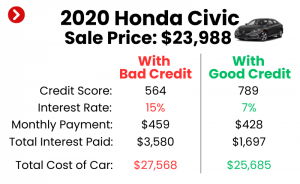
Your credit score is arguably the most critical factor in determining your loan eligibility and interest rate. Lenders use this three-digit number to gauge your reliability as a borrower. A higher score typically translates to better loan terms, including lower interest rates and more favorable repayment schedules.
Before you even think about applying for a loan, pull your credit report from all three major bureaus (Equifax, Experian, TransUnion). Review it meticulously for any errors or discrepancies. Based on my experience, even minor inaccuracies can negatively impact your score, so dispute them immediately. Understanding your current score allows you to set realistic expectations for the loan you can obtain.
Step 2: Establish a Realistic Budget
Knowing what you can truly afford is crucial, not just for the car’s purchase price, but for the total cost of ownership. This budget should encompass the potential monthly loan payments, insurance premiums (which can be higher for certain used vehicles), fuel costs, and maintenance. Many people overlook these additional expenses, leading to financial strain down the road.
Factor in a comfortable down payment. A larger down payment reduces the amount you need to borrow, which can lead to lower monthly payments and less interest paid over the life of the loan. It also signals financial stability to lenders, potentially improving your loan approval chances.
Step 3: Assess Your Debt-to-Income Ratio (DTI)
Lenders also pay close attention to your debt-to-income (DTI) ratio. This is a percentage that compares your total monthly debt payments to your gross monthly income. A lower DTI indicates that you have more disposable income available to cover new loan payments, making you a less risky borrower.
Aim for a DTI of 36% or less, though some lenders might approve higher ratios depending on other factors. If your DTI is high, consider paying down some existing debts before applying for a private party auto loan. This proactive step can significantly improve your chances of approval and secure more competitive rates.
Navigating the Loan Landscape: Finding the Right Lender
Once your finances are in order, the next critical step is to find a lender willing to provide an auto loan for a used car private seller. This is where the process diverges most significantly from dealership financing.
Step 4: Research Different Types of Lenders
Not all lenders offer the same products or have the same policies regarding private party auto loans. Your options generally include:
- Banks: Large national and regional banks often provide competitive rates, especially if you’re an existing customer. However, their approval processes can sometimes be more stringent.
- Credit Unions: Credit unions are member-owned and often known for offering some of the best interest rates and more flexible terms for their members. They are frequently more accommodating for used car financing and private sale car loans.
- Online Lenders: A growing number of online lenders specialize in pre-owned vehicle financing, including private party sales. They often offer quick application processes and competitive rates, but it’s essential to research their reputation and terms thoroughly.
It’s wise to compare offers from at least three to five different lenders. Each lender has unique underwriting criteria, so what one bank might deny, another credit union might approve.
Step 5: Understand Loan Options: Secured vs. Unsecured
For a private party vehicle purchase, you primarily have two loan options:
- Secured Auto Loans: This is the most common type. The car itself serves as collateral for the loan. If you default on payments, the lender can repossess the vehicle. Because there’s collateral, secured loans typically come with lower interest rates and longer repayment terms. Most traditional auto loans for used cars private seller fall into this category.
- Unsecured Personal Loans: These loans do not require collateral. They are based solely on your creditworthiness. While this offers flexibility, unsecured personal loans generally have higher interest rates and shorter repayment periods compared to secured auto loans. They can be a viable option if the car is very old, has high mileage, or if you prefer not to use the vehicle as collateral, but they might be more expensive overall.
Pro tips from us: Always prioritize a secured auto loan if you qualify, as it will almost certainly offer more favorable terms. An unsecured personal loan should be considered a secondary option due to the higher costs.
Step 6: Get Pre-Approved for Your Loan
This is arguably the most crucial step in securing a car loan for a private sale. Pre-approval means a lender has reviewed your financial information and tentatively agreed to lend you a specific amount, up to a certain limit, at a particular interest rate. This gives you immense power and clarity as a buyer.
When you’re pre-approved, you know exactly how much you can spend, allowing you to shop with confidence. It also shows private sellers that you are a serious buyer with financing already in place, which can give you an edge in negotiations. The pre-approval letter will typically outline the loan amount, interest rate, and terms, usually valid for 30-60 days.
The Car Hunt: Finding and Vetting Your Vehicle
With your financing pre-approved, you’re ready to find the perfect used car from a private seller. But the search doesn’t end at finding a car that looks good; thorough vetting is essential.
Step 7: Find Your Dream Car and Verify its Details
Search online marketplaces, local classifieds, and even social media groups for vehicles matching your criteria and budget. When you find a promising car, gather as much information as possible from the seller. Ask about the vehicle’s history, maintenance records, and any known issues.
For a private sale, lenders often have specific requirements for the vehicle itself. They may have age or mileage restrictions. For instance, some lenders might not finance a car older than 10 years or with more than 150,000 miles. Always confirm these requirements with your pre-approved lender.
Step 8: Conduct a Thorough Vehicle Inspection
Common mistakes to avoid are rushing this step or skipping it altogether. Never buy a used car, especially from a private seller, without a comprehensive pre-purchase inspection (PPI) by a trusted, independent mechanic. This inspection can uncover hidden mechanical issues, accident damage, or potential problems that might not be visible during a quick test drive.
The cost of a PPI is a small investment that can save you thousands in future repairs or prevent you from buying a lemon. The mechanic should also verify the car’s VIN (Vehicle Identification Number) to ensure it matches the title.
Step 9: Obtain a Vehicle History Report
Alongside a mechanical inspection, always get a vehicle history report from services like Carfax or AutoCheck. This report provides critical information about the car’s past, including:
- Accident history
- Previous owners
- Service records
- Mileage discrepancies
- Lien status (critical for private sales)
- Flood or salvage titles
A clean vehicle history report is paramount for both your peace of mind and the lender’s approval. For reliable information on vehicle history reports, you can visit a trusted source like Carfax or AutoCheck.
Step 10: Verify the Title and Seller’s Ownership
Before finalizing anything, confirm that the seller is the legal owner of the vehicle and holds a clear title. The name on the title should match the seller’s identification. Check for any existing liens on the title, which would mean the seller still owes money on the car.
If there’s an active lien, the seller must pay it off before transferring the title to you. Your lender will typically require a clear title to secure their loan against the vehicle. This step is non-negotiable for a smooth transaction.
The Final Steps: Negotiation and Loan Completion
You’ve found the right car and secured your pre-approval. Now it’s time to bring it all together.
Step 11: Negotiate the Purchase Price
Armed with your pre-approval amount, vehicle inspection report, and market value research (from sites like Kelley Blue Book or Edmunds), you’re in a strong position to negotiate. If the inspection revealed minor issues, use them as leverage to ask for a lower price.
Be respectful but firm. Remember, you have a budget and alternative options. Once you agree on a price, get it in writing.
Step 12: Finalize the Loan and Complete Paperwork
Once you and the seller agree on a price, inform your lender. They will then finalize the loan agreement. This often involves:
- Signing the Loan Documents: This legally binds you to the loan terms.
- Providing Vehicle Information: The lender will need the car’s VIN, make, model, year, and agreed-upon purchase price to ensure it meets their collateral requirements.
- Arranging Payment: The lender will typically issue a check directly to the seller or transfer funds. In some cases, they might give you a check made out to the seller.
Step 13: The Bill of Sale and Title Transfer
The bill of sale is a critical document for private sales. It’s a legally binding record of the transaction, detailing:
- Buyer and seller information
- Vehicle details (VIN, make, model, year)
- Purchase price
- Date of sale
- Signatures of both parties
This document protects both buyer and seller. After payment, the seller must sign over the vehicle title to you. This officially transfers ownership. Your lender will likely require the original title to be sent to them to secure their lien. You will then register the vehicle in your name with your state’s Department of Motor Vehicles (DMV), pay sales tax, and obtain new license plates.
Key Factors Lenders Consider for Private Party Auto Loans
Understanding what lenders look for can help you better prepare and improve your chances of approval.
Your Creditworthiness
As mentioned, your credit score and history are paramount. Lenders want to see a history of responsible borrowing and timely payments. A strong credit profile indicates lower risk. For more on improving your credit score, check out our guide on .
The Vehicle Itself
Unlike new cars, used vehicles have varying conditions, ages, and mileage. Lenders often have strict criteria for the cars they’ll finance in a private sale. They typically prefer vehicles that are:
- Newer Models: Often less than 10 years old.
- Lower Mileage: Usually under 100,000-125,000 miles.
- In Good Condition: The vehicle’s value must justify the loan amount. An independent appraisal might be required for older or higher-mileage vehicles.
- Clear No existing liens.
Down Payment Amount
A substantial down payment reduces the loan amount, thereby lowering the lender’s risk. It also demonstrates your commitment and financial stability. Lenders often look more favorably on applications with a down payment, especially for private sales.
Debt-to-Income Ratio
Your DTI ratio directly impacts your ability to manage additional monthly payments. Lenders want to ensure you’re not overextending yourself financially. A low DTI reassures them of your capacity to repay the loan.
Common Pitfalls and How to Avoid Them
Even with careful planning, some common mistakes can derail a private party car purchase.
- Skipping the Pre-Purchase Inspection: This is perhaps the biggest mistake. Without an independent mechanic’s assessment, you risk buying a vehicle with serious, undisclosed mechanical issues that could cost you a fortune.
- Not Verifying the Failing to ensure the seller has a clear title, free of liens, can lead to legal complications and prevent you from registering the car in your name. Always confirm the seller’s ownership and title status.
- Ignoring Vehicle History Reports: Overlooking a Carfax or AutoCheck report means you might miss critical information about accidents, salvage titles, or mileage rollbacks. This report is a non-negotiable part of your due diligence.
- Not Getting Pre-Approved: Without pre-approval, you’re shopping blind. You won’t know your exact budget, which can lead to overspending or wasted time on cars you can’t finance. It also weakens your negotiation position.
- Relying on Verbal Agreements: Always get everything in writing, from the agreed-upon purchase price to any conditions of sale. A detailed bill of sale protects both parties.
Pro Tips for a Smooth Private Party Transaction
Based on my experience helping countless buyers navigate this process, here are a few additional tips:
- Communicate Clearly: Maintain open and clear communication with both the seller and your lender throughout the process. Misunderstandings can cause delays.
- Be Patient: Securing an auto loan for a used car private seller and completing the transaction can take more time than buying from a dealership. Don’t rush into decisions.
- Consider an Escrow Service: For added security, especially for higher-value vehicles, consider using an escrow service. They hold the payment until all conditions (like title transfer) are met, protecting both buyer and seller.
- Understand Your State’s Regulations: Each state has specific laws regarding vehicle sales, title transfers, and registration. Familiarize yourself with your local DMV requirements.
- Know When to Walk Away: If a seller is unwilling to provide documents, allow an inspection, or seems dishonest, be prepared to walk away. There are always other cars. Considering other financing options? Our article on might help you explore more.
Conclusion: Empowering Your Private Sale Journey
Securing an auto loan for a used car from a private seller is a journey that requires diligence, research, and a clear understanding of the financing landscape. While it may involve more steps than a traditional dealership purchase, the potential for significant savings and a more informed buying experience makes it a highly rewarding path.
By thoroughly preparing your finances, researching lenders, getting pre-approved, meticulously inspecting the vehicle, and understanding the necessary paperwork, you can confidently navigate the process. Remember, a private party auto loan is not just possible; it’s a smart way to finance your next used car. Armed with this comprehensive guide, you are now empowered to make an informed decision and drive away with a great deal. Happy car hunting!