Your Ultimate Guide to Securing Your First Car Loan: Drive Away Confidently!
Your Ultimate Guide to Securing Your First Car Loan: Drive Away Confidently! Carloan.Guidemechanic.com
Getting your first car is a milestone, a symbol of newfound independence and freedom. The open road beckons, but before you hit the accelerator, there’s a crucial step: securing your first car loan. For many first-time buyers, the world of auto financing can seem daunting, filled with unfamiliar terms and complex processes.
But it doesn’t have to be. As an expert in personal finance and auto lending, I’m here to demystify the entire journey for you. This comprehensive guide is designed to empower you with the knowledge and confidence needed to navigate the first car loan process successfully, ensuring you get the best deal possible. We’ll cover everything from understanding your credit to signing on the dotted line, helping you drive away with peace of mind.
Your Ultimate Guide to Securing Your First Car Loan: Drive Away Confidently!
I. Understanding the First Car Loan Landscape for New Buyers
Embarking on the journey to secure your first car loan is a unique experience. Unlike seasoned borrowers who have a history of managing credit, first-time buyers often face specific challenges and opportunities. Lenders look at different factors when evaluating someone with a limited credit history.
This initial loan sets the foundation for your future financial endeavors, making it crucial to approach it with a clear understanding. It’s not just about getting approved; it’s about getting approved for terms that are favorable and sustainable for your financial health.
Why a First Car Loan is Different
For many, a first car loan is their initial significant credit obligation. This means lenders might not have a comprehensive credit history to evaluate your repayment behavior. Consequently, they might view you as a higher risk, potentially leading to higher interest rates or stricter approval criteria.
However, there are also programs specifically designed for first-time car loan applicants, recognizing this common challenge. These programs often come with specific requirements, but they can be a great entry point into building a strong credit profile. Understanding these nuances is your first step towards success.
The Importance of Financial Literacy
Before you even begin to look at cars or lenders, investing time in financial literacy is paramount. Knowing how loans work, what influences interest rates, and the true cost of borrowing will serve you well, not just for this car loan, but for all your future financial decisions. This understanding transforms you from a passive applicant into an informed negotiator.
It’s about more than just the monthly payment; it’s about the total cost of ownership and how this loan fits into your broader financial picture. Based on my experience, many first-time buyers get caught up in the excitement and overlook these fundamental financial principles, leading to regrettable long-term consequences.
II. Laying the Groundwork: Your Financial Fitness for a Car Loan
Your financial health is the bedrock upon which a successful first car loan application is built. Lenders want assurance that you can and will repay the loan. This section will guide you through preparing your finances to present the strongest possible application.
A. The Credit Score Conundrum: What You Need to Know
Your credit score is a numerical representation of your creditworthiness. For first-time car loan applicants, this can be a tricky area because you might have a limited or non-existent credit history. Lenders use this score to gauge the risk associated with lending to you.
A higher score generally translates to better loan terms, including lower interest rates. Even if you have no credit, don’t despair; there are strategies to address this.
Why Your Credit Score Matters
A strong credit score signals to lenders that you are a responsible borrower. It’s a quick snapshot of your financial reliability. While a first car loan with no credit history can be challenging, it’s not impossible. Lenders may look at other factors like your income stability, employment history, and debt-to-income ratio.
Pro tips from us: Even if you don’t have a traditional credit card, things like student loan payments or even utility bills (if reported) can start building a history. It’s all about demonstrating consistent, on-time payments.
Strategies for Building Credit (Even with Limited History)
If you’re starting from scratch, consider these steps to establish or improve your credit before applying for your first car loan:
- Become an Authorized User: Ask a trusted family member with excellent credit to add you as an authorized user on one of their credit cards. You don’t even need to use the card; their positive payment history will often reflect on your report.
- Secured Credit Card: This type of card requires a cash deposit that becomes your credit limit. It’s an excellent way to show responsible credit usage. Just make small purchases and pay them off in full and on time every month.
- Credit Builder Loan: Offered by some credit unions and community banks, these loans are designed specifically to help you build credit. The loan amount is held in a savings account while you make payments, which are reported to credit bureaus. Once paid off, you get the money back.
Common mistakes to avoid are applying for too many credit accounts at once, which can negatively impact your score, or missing even a single payment. Consistency is key! For more detailed advice on improving your credit score, check out our article on .
B. Budgeting for Your First Car: Beyond the Monthly Payment
Many first-time car loan applicants focus solely on the monthly payment, often overlooking the true cost of car ownership. A smart budget considers all associated expenses, ensuring your car remains an asset, not a financial burden.
Total Cost of Ownership (TCO)
The monthly loan payment is just one piece of the puzzle. When budgeting for your first car loan, you must also factor in:
- Insurance: This can be a significant cost, especially for younger or first-time drivers. Get insurance quotes before you buy.
- Fuel: Estimate your weekly or monthly fuel costs based on your driving habits and the car’s fuel efficiency.
- Maintenance: Regular oil changes, tire rotations, and unexpected repairs are inevitable. Set aside a maintenance fund.
- Registration and Taxes: These vary by state and can be a substantial upfront cost or annual expense.
- Parking Fees/Tolls: If applicable to your daily commute.
Based on my experience, underestimating these costs is a common pitfall. A car that seems affordable based on its monthly payment can quickly become a financial strain when all other expenses are added.
Understanding Your Debt-to-Income Ratio (DTI)
Your DTI is a crucial metric lenders use. It’s the percentage of your gross monthly income that goes towards debt payments. A lower DTI indicates you have more disposable income to cover new debt, making you a less risky borrower.
Aim for a DTI of 36% or lower, though some lenders may approve higher, especially for first-time car loan applicants with strong employment history. Calculate yours by adding up all your monthly debt payments (student loans, credit cards, rent/mortgage) and dividing by your gross monthly income. This will give you a realistic picture of how much additional debt you can comfortably take on.
III. The Pre-Approval Power Play: Your Strategic Advantage
Securing pre-approval for your first car loan is one of the most powerful steps you can take. It transforms you from a hopeful shopper into a qualified buyer, giving you significant advantages at the dealership. Don’t skip this critical stage.
What Pre-Approval Is
Pre-approval means a lender has reviewed your financial information (credit history, income, etc.) and determined how much they are willing to lend you, at what estimated interest rate, and for what term. It’s not a commitment to buy from a specific dealer, but rather a commitment from a lender to fund your purchase up to a certain amount.
This process involves a "hard inquiry" on your credit report, which might slightly lower your score temporarily. However, multiple inquiries for the same type of loan within a short period (typically 14-45 days) are often counted as a single inquiry, so shopping around for pre-approval rates is encouraged.
Benefits of Pre-Approval for First-Time Car Loan Buyers
The advantages of car loan pre-approval are numerous, especially for first-time car loan applicants:
- Realistic Budget: You know exactly how much car you can afford before you start shopping, preventing you from falling in love with a vehicle outside your budget.
- Negotiating Power: You walk into the dealership with your own financing in hand. This means you can negotiate the car’s price separately from the financing, often leading to a better overall deal. The dealership knows you have other options.
- Reduced Pressure: You won’t feel pressured to accept the dealership’s financing offer, which might not always be the best for you.
- Streamlined Process: Once you find the car, the final loan process is often quicker, as much of the paperwork has already been handled.
Where to Get Pre-Approval
Don’t limit yourself to just one option when seeking pre-approval for your first car loan. Shop around to compare rates and terms:
- Banks: Your existing bank or other national banks often offer competitive rates.
- Credit Unions: These member-owned financial institutions are known for offering some of the most favorable interest rates.
- Online Lenders: Companies like Capital One Auto Finance, LightStream, and others specialize in auto loans and can provide quick pre-approval decisions.
- Dealerships (as a comparison): While it’s wise to have your own financing, you can still ask the dealership to see if they can beat your pre-approved rate.
Pro tips from us: Aim to get pre-approved from at least 2-3 different sources to ensure you’re getting the most competitive rate for your first car loan.
IV. Decoding Your Loan Offer: Key Terms Explained
Once you have a pre-approval or are discussing financing options, you’ll encounter several key terms that directly impact the total cost of your first car loan. Understanding these is crucial for making an informed decision.
A. Interest Rates vs. APR: The Real Cost
These two terms are often confused, but they represent different aspects of your loan’s cost.
- Interest Rate: This is the percentage charged by the lender for borrowing the principal amount. It’s the primary cost of your loan.
- Annual Percentage Rate (APR): The APR is the total annual cost of borrowing, expressed as a percentage. It includes not just the interest rate but also any additional fees or charges associated with the loan (e.g., origination fees).
Always compare APRs, not just interest rates, when evaluating different loan offers for your first car loan. The APR gives you a more accurate picture of the true annual cost of borrowing. A loan with a slightly lower interest rate but higher fees might actually have a higher APR.
B. Loan Term Length: Short vs. Long-Term Implications
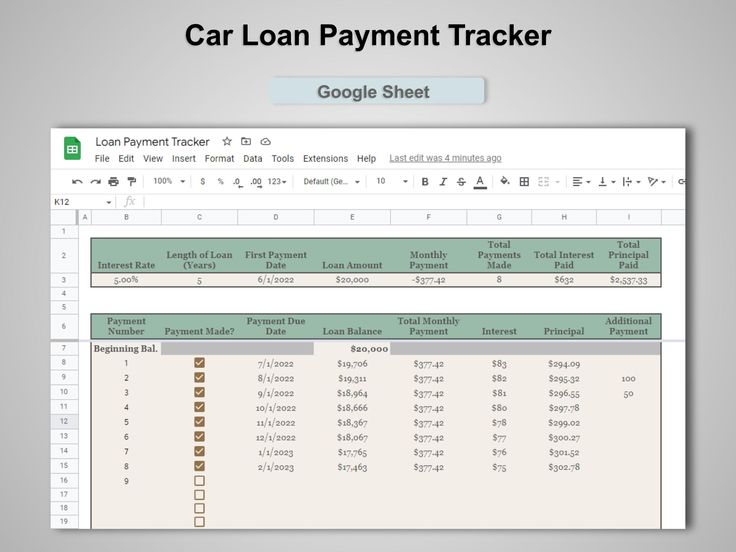
The loan term refers to the duration over which you will repay the loan, typically expressed in months (e.g., 36, 48, 60, 72 months).
- Shorter Loan Terms (e.g., 36-48 months): These typically come with higher monthly payments but lower overall interest paid because you’re borrowing the money for a shorter period. This is often the most financially prudent option if you can afford the higher payments.
- Longer Loan Terms (e.g., 60-72 months): These result in lower monthly payments, making the car seem more affordable upfront. However, you’ll pay significantly more in interest over the life of the loan. The car might also depreciate faster than you pay it off, leading to being "upside down" on your loan (owing more than the car is worth).
For a first car loan, carefully consider your budget and the long-term cost. While lower monthly payments are tempting, they can hide a much larger overall expense.
C. The Role of a Down Payment
A down payment is an upfront sum of money you pay towards the purchase of the car, reducing the amount you need to borrow.
- Reduces Loan Amount: A larger down payment means you borrow less, which in turn means less interest paid over the life of the loan.
- Lower Monthly Payments: With a smaller principal, your monthly payments will be lower.
- Better Loan Terms: Lenders view borrowers with substantial down payments as less risky, potentially leading to better interest rates. This is especially beneficial for first-time car loan applicants with limited credit history.
- Avoid Being "Upside Down": Cars depreciate quickly. A good down payment helps prevent you from owing more on your loan than the car is worth, a situation that can be problematic if you need to sell or trade in the car.
Pro tips from us: Aim for at least a 10-20% down payment if possible. Even a small down payment can make a significant difference in your first car loan terms and overall financial health.
V. Navigating the Application Process: A Step-by-Step Walkthrough
Once you’ve done your homework and potentially secured a pre-approval, it’s time to formally apply for your first car loan. Knowing what to expect and what documents you’ll need can make the process smoother and less stressful.
Required Documents
Lenders need certain documents to verify your identity, income, and financial stability. Be prepared to provide:
- Proof of Identity: Driver’s license or state-issued ID.
- Proof of Income: Recent pay stubs (usually 2-3 months), W-2s, or tax returns (if self-employed).
- Proof of Residency: Utility bill, lease agreement, or mortgage statement.
- Social Security Number: For credit checks.
- Vehicle Information: If you’ve already picked out a specific car (VIN, make, model, year).
- Bank Statements: Sometimes requested to verify funds for a down payment or to show financial activity.
Having these documents organized and ready will significantly speed up your auto loan application.
Filling Out the Application
The application form itself will ask for personal details, employment history, income, and existing debts. Be honest and accurate. Any discrepancies could delay your approval or even lead to denial.
If you’re applying for a first car loan with no credit, ensure your income and employment history are clearly stated and verifiable. Lenders will put more weight on these factors in the absence of a robust credit score.
What Lenders Look For
When evaluating your first car loan application, lenders typically assess:
- Creditworthiness: Your credit score and history (or lack thereof).
- Income Stability: Consistent employment and sufficient income to cover payments.
- Debt-to-Income Ratio: As discussed, a lower DTI is favorable.
- Down Payment: A larger down payment reduces their risk.
- Vehicle Value: Lenders don’t want to lend more than the car is worth, especially for used cars.
Based on my experience, even for bad credit car loan first time applicants, demonstrating stable employment and a willingness to make a decent down payment can significantly improve your chances of approval.
Considering a Co-Signer
If you have limited credit history or a low credit score, a co-signer can dramatically improve your chances of getting approved for a first car loan with better terms. A co-signer is someone with good credit who agrees to be equally responsible for the loan if you default.
While a co-signer can be a great help, it’s a significant responsibility for them. Ensure you understand the implications for both parties. Pro tips from us: Only consider a co-signer if you are absolutely confident in your ability to make all payments on time, as a default would negatively impact both your credit scores.
VI. Common Mistakes First-Time Car Loan Borrowers Make (and How to Avoid Them)
The path to your first car loan can be smooth, but many first-time buyers fall into easily avoidable traps. Being aware of these common mistakes can save you money, stress, and long-term financial headaches.
Not Budgeting Properly
As we discussed, focusing only on the monthly payment is a major error. Neglecting insurance, maintenance, and fuel costs can quickly turn an exciting purchase into a financial burden.
How to avoid: Create a comprehensive budget that includes all car-related expenses before you start shopping. Use online calculators to estimate insurance for various vehicles you’re considering.
Skipping Pre-Approval
Walking into a dealership without pre-approved financing leaves you vulnerable to potentially less favorable rates and terms offered by the dealership. You lose your leverage.
How to avoid: Always get pre-approved from at least two external lenders (banks, credit unions) before stepping foot on a dealership lot. This gives you a benchmark and strengthens your negotiating position for your first car loan.
Focusing Only on Monthly Payments
Dealers often try to "sell" you on a monthly payment, extending the loan term to make it seem more affordable. This often means paying significantly more in interest over time.
How to avoid: Always focus on the total cost of the car and the total interest paid. Ask for the "out-the-door" price. Understand that a lower monthly payment often means a higher overall cost for your first car loan.
Ignoring Additional Costs and Add-Ons
Dealerships often push add-ons like extended warranties, GAP insurance, paint protection, or VIN etching. While some might have value, many are overpriced or unnecessary.
How to avoid: Research these add-ons beforehand. Know which ones you genuinely need (e.g., GAP insurance if you have a small down payment) and be firm in declining others. You can often purchase these services separately for less.
Impulse Buying
The excitement of getting a new car can lead to rushed decisions. You might buy a car that’s too expensive, doesn’t fit your needs, or has a loan you can’t comfortably afford.
How to avoid: Take your time. Research cars thoroughly. Stick to your budget. Don’t let a salesperson rush you. It’s okay to walk away if the deal doesn’t feel right for your first car loan.
VII. Pro Tips for Securing the Best First Car Loan Deal
Beyond avoiding pitfalls, there are proactive steps you can take to ensure you get the most advantageous terms for your first car loan. These strategies are born from years of observing successful borrowers.
Shop Around for Rates
This cannot be emphasized enough. Different lenders will offer different interest rates car loan depending on your credit profile, the car, and their current promotions.
Pro tips from us: Compare offers from banks, credit unions, and online lenders. Even a half-percent difference in interest rate can save you hundreds, if not thousands, of dollars over the life of your first car loan. Remember, multiple inquiries for the same type of loan within a short window (typically 14-45 days) count as one for your credit score.
Negotiate the Price of the Car Separately
When you have your financing secured (through pre-approval), you can focus solely on negotiating the purchase price of the vehicle. This separates the two transactions, making it easier to get a better deal on both.
Common mistakes to avoid are discussing your trade-in, down payment, and monthly payment all at once. This allows the dealer to shuffle numbers around to their advantage. First, agree on the car’s price. Then, discuss your trade-in. Finally, finalize the financing, using your pre-approval as leverage. If you’re still weighing your options between new and used, our guide on can help.
Understand Add-Ons (Extended Warranties, GAP Insurance)
While we mentioned avoiding unnecessary add-ons, some, like GAP (Guaranteed Asset Protection) insurance, might be wise for your first car loan, especially if you have a small down payment. GAP insurance covers the difference between what you owe on your loan and the car’s actual cash value if it’s stolen or totaled.
Pro tips from us: If you decide you need an extended warranty or GAP insurance, research third-party providers. You can often get better coverage at a lower price than what’s offered at the dealership. Never feel pressured to buy these on the spot.
Read the Fine Print
Before signing any documents for your first car loan, read every single line of the contract. Understand the interest rate, APR, loan term, payment schedule, and any fees. If you don’t understand something, ask for clarification.
Common mistakes to avoid are rushing through the paperwork or assuming everything is as discussed verbally. The written contract is what matters. Take your time, even ask to take the contract home to review it if possible.
VIII. After Approval: Managing Your First Car Loan Responsibly
Congratulations! You’ve secured your first car loan and are ready to hit the road. But the journey doesn’t end there. Responsible loan management is key to building a strong credit history and maintaining your financial health.
Making Timely Payments
This is the most critical aspect of managing any loan. Every single payment made on time contributes positively to your credit history. Set up automatic payments from your bank account to ensure you never miss a due date.
Common mistakes to avoid are making late payments, even by a few days. These can incur late fees and, more importantly, negatively impact your credit score, making future borrowing more expensive.
Impact on Credit Score
Your first car loan is a powerful tool for building credit. As you consistently make on-time payments, your credit score will gradually improve. This positive history will make it easier and more affordable to get future loans (e.g., a mortgage, another car loan) or credit cards.
Conversely, missed or late payments will significantly damage your score. Treat your first car loan as an opportunity to establish yourself as a trustworthy borrower.
Refinancing Options Later
As your credit score improves over time and if interest rates change, you might be eligible to refinance your first car loan down the line. Refinancing involves taking out a new loan to pay off your existing one, often with a lower interest rate or a more favorable term.
Pro tips from us: If your credit score has significantly improved since you took out your first car loan, or if you initially had a high-interest rate due to limited credit history, look into refinancing after 6-12 months of consistent, on-time payments. This could save you a substantial amount of money.
Conclusion: Drive Away with Confidence and Financial Savvy!
Securing your first car loan is a significant step towards financial independence. By taking the time to understand the process, prepare your finances, and make informed decisions, you’ve set yourself up for success. Remember, this isn’t just about getting a car; it’s about building a solid foundation for your financial future.
Armed with the knowledge from this comprehensive guide, you are now equipped to navigate the world of first-time car loans with confidence and smart financial strategies. Drive safely, manage your finances wisely, and enjoy the freedom your new car brings! You can find excellent resources and tips on financial literacy from trusted organizations like the Consumer Financial Protection Bureau (CFPB) at .